Righteous Kill
"Two legends, one screen, and a very tired script."
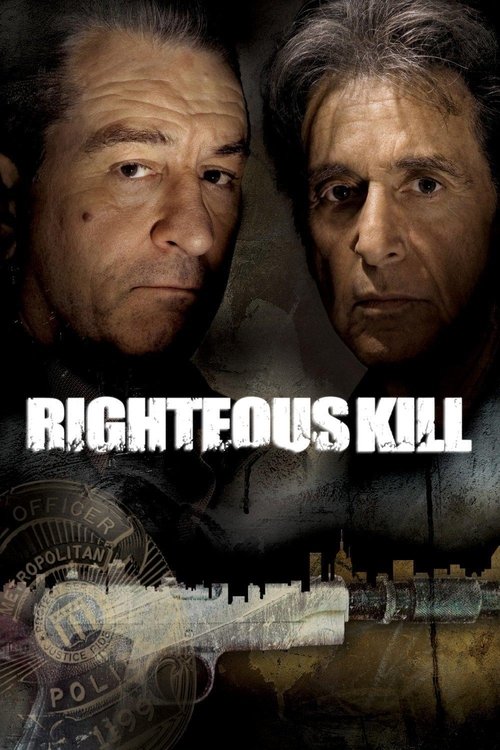
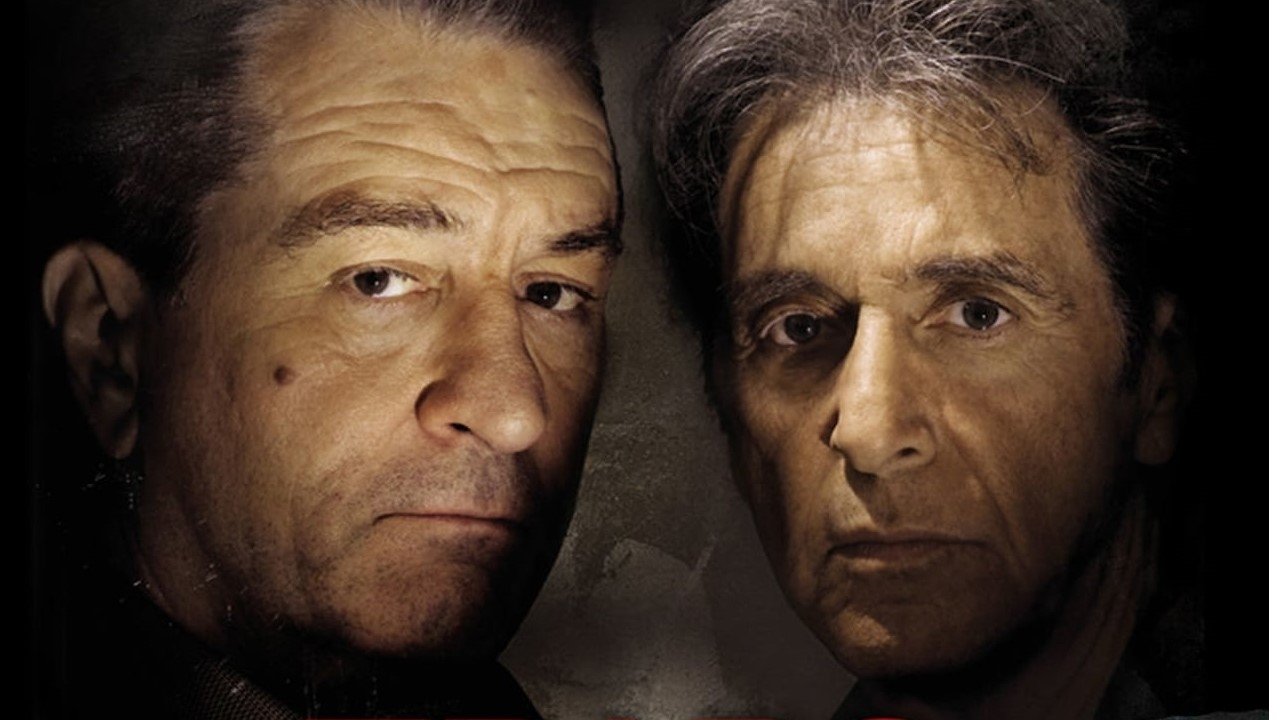
In 1995, Michael Mann’s Heat gave us a cinematic moment for the history books: Robert De Niro and Al Pacino sitting across from each other in a diner, sparks flying without a single punch being thrown. It was the first time these two titans of the "New Hollywood" era shared a frame. Fast forward to 2008, and the marketing for Righteous Kill promised us the full meal. This wasn't just one scene; this was the whole movie. They were partners! They were New York cops! They were... mostly just looking for a chair to sit down in.
I remember watching this on a humid Tuesday evening while nursing a lukewarm diet soda that had lost its carbonation twenty minutes earlier, and honestly, the flat soda had a bit more "pop" than the film’s opening act. It’s a movie that exists in that strange, late-2000s limbo where star power was starting to lose its battle against the burgeoning franchise era, yet studios were still willing to bet $60 million that these two faces could carry a generic police procedural to the bank.
Icons on Autopilot
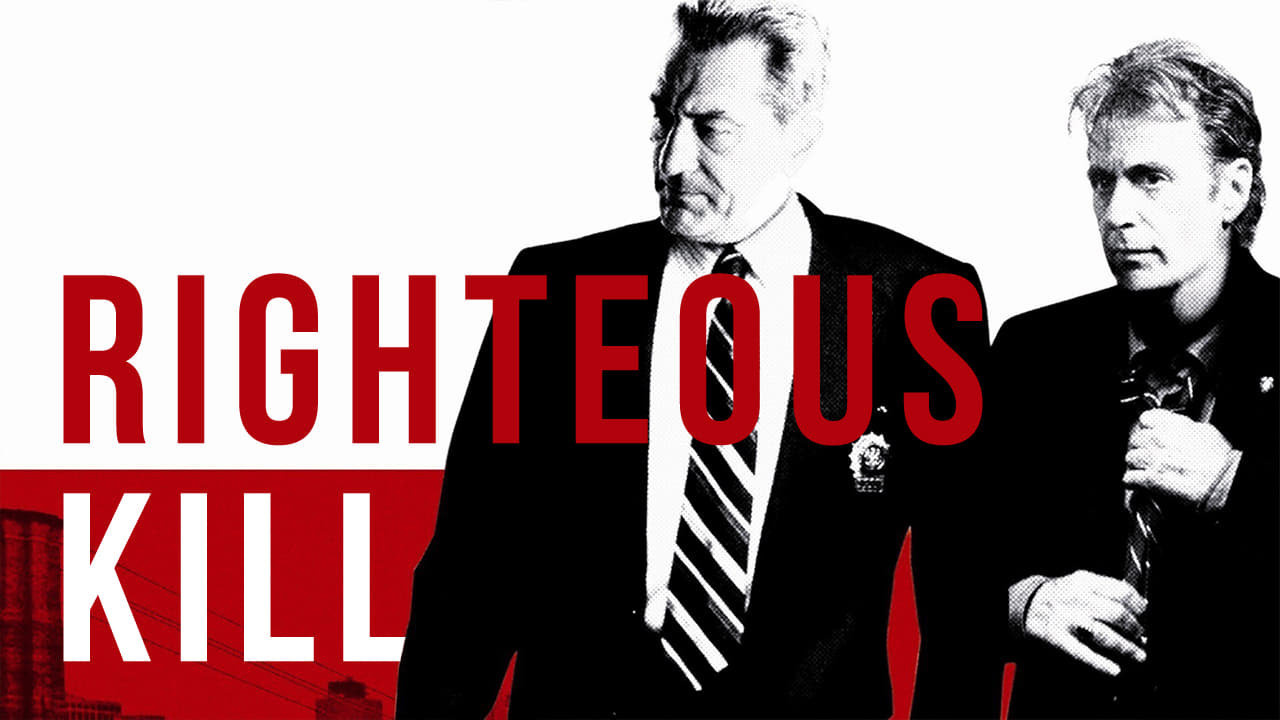
Let’s talk about the performances, because in a drama like this, the actors are the only reason we’re in the room. Robert De Niro plays Turk, a hot-headed veteran who spends his off-hours coaching youth baseball and his on-hours looking like he’s smelling something slightly sour. Al Pacino is Rooster, his calmer, more philosophical partner. On paper, it’s a classic dynamic. In execution, it feels like watching two grandmasters of chess decide to play a casual game of Hungry Hungry Hippos.
There is a shorthand between them that is undeniably charming; you can tell these two men genuinely like each other. But the nuance we expect from the guys who gave us The Godfather and Taxi Driver is largely absent. Instead, we get "Late-Era Pacino," which involves a lot of sudden shouting, and "Late-Era De Niro," which involves a lot of squinting and shrugs. They are joined by a surprisingly stacked supporting cast, including Carla Gugino as a forensic specialist with a penchant for rough play and John Leguizamo and Donnie Wahlberg as the "younger" detectives (who were already in their 40s) snapping at their heels. Even 50 Cent shows up as a club owner named Spider, looking like he wandered off the set of a music video and into a movie where everyone is very tired.
A Relic of the DVD Bargain Bin
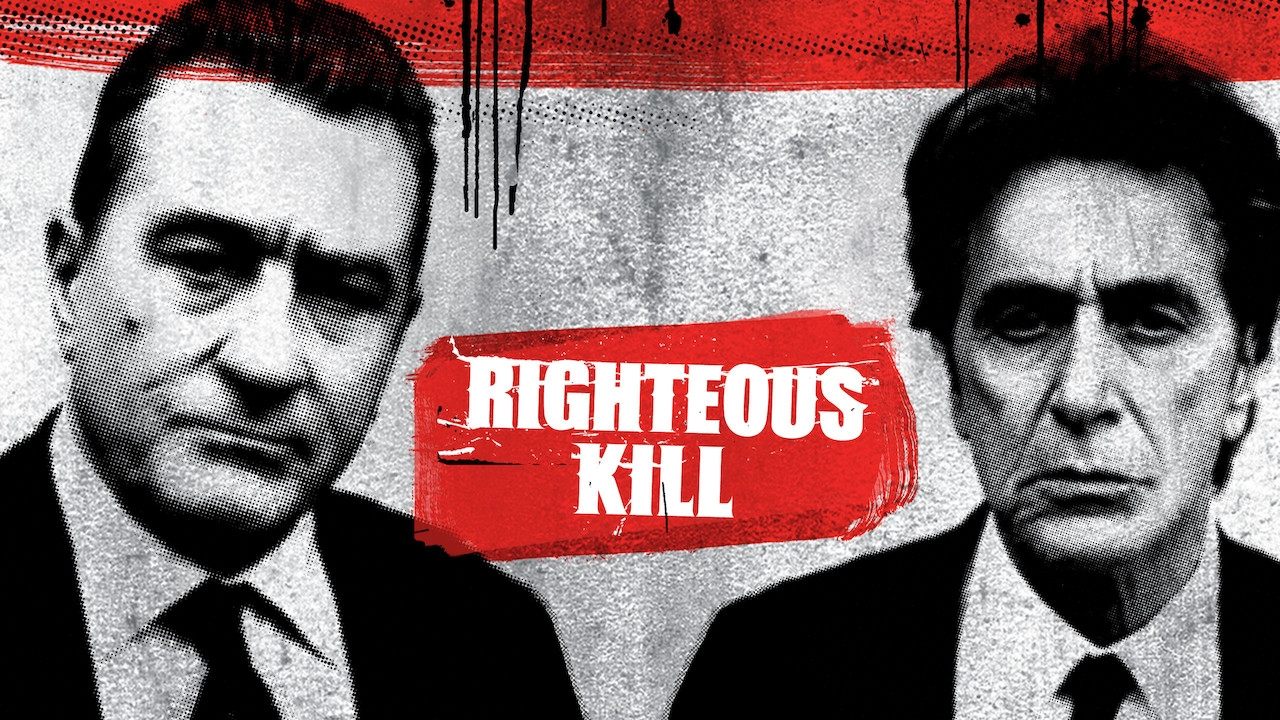
Looking back, Righteous Kill is a fascinating specimen of the "Modern Cinema" transition. By 2008, the gritty, mid-budget crime thriller was starting to migrate toward television. This movie feels like a high-budget episode of Law & Order: SVU, right down to the grey-blue color palette and the "edgy" handheld camera work that was so prevalent in the post-9/11 landscape. It captures that specific era of NYC—post-Giuliani, pre-Instagram—where the city felt scrubbed clean but the movies still tried to pretend there was a serial killer hiding in every Chinatown alleyway.
This was also the peak of DVD culture. I recall seeing stacks of this film at every Blockbuster and grocery store checkout line. It was designed for that "Dad's Night In" demographic—the kind of movie you buy because you recognize the names and you know exactly what you’re going to get. It’s "comfortable" cinema, even if the subject matter involves vigilante murders and police corruption. It’s the cinematic equivalent of a pair of old slippers that have lost their tread but still keep your feet warm.
The Twist That Congealed
The script, penned by Russell Gewirtz (who did much better work on Inside Man), tries to be a psychological puzzle. We start with Turk filming a confession, admitting to a series of vigilante killings. The movie then backtracks to show us how we got there. It’s a classic narrative "hook," but the problem is that the film treats its audience like they’ve never seen a thriller before. The central mystery is about as subtle as a foghorn in a library.

Director Jon Avnet, who had just finished working with Pacino on the equally baffling 88 Minutes, doesn't seem to know whether he's making a character study or a gritty slasher. The pacing is odd; it lingers on scenes of the partners playing cards or bickering, which should be the highlight, but the dialogue is so riddled with "cop-talk" clichés that it stifles the natural chemistry of the leads. The script feels like it was written by an AI that was fed nothing but police procedurals and a pack of Marlboro Reds. It lacks the lived-in soul of the great 70s dramas these actors built their legacies on.
What’s truly missing is the sense of stakes. When we see a vigilante killer targeting criminals who "slipped through the cracks," it should provoke some moral anxiety. Instead, Righteous Kill just goes through the motions, leading us toward a twist that you can see coming from the opening credits if you’ve been paying even the slightest bit of attention.
Ultimately, Righteous Kill isn't a "bad" movie in the sense that it’s unwatchable; it’s just a deeply unnecessary one. It serves as a reminder that putting two greats in a room isn't enough if you don't give them a room worth standing in. It’s a footnote in the careers of two of our greatest living actors—a curiosity for completionists and a decent enough way to kill a rainy Sunday afternoon if you find it on a streaming service or at the bottom of a $5 bin.
Looking back from 2024, it’s a poignant snapshot of a time when the mere presence of "De Niro & Pacino" was considered a blockbuster event. While the film itself has faded into the digital mists of forgotten 2000s thrillers, there is still a flickering warmth in seeing them side-by-side, even if they’re just cashing a check and waiting for the craft services truck. They earned the right to phone it in; I just wish the call hadn't been long-distance.
Keep Exploring...
-
88 Minutes
2007
-
Basic
2003
-
Awake
2007
-
Perfect Stranger
2007
-
Mindhunters
2004
-
Cleaner
2007
-
Untraceable
2008
-
The Raven
2012
-
The General's Daughter
1999
-
Along Came a Spider
2001
-
Blood Work
2002
-
The Score
2001
-

Revolver
2005
-

Pride and Glory
2008
-
Striking Distance
1993
-
Kiss the Girls
1997
-

The International
2009
-
Edge of Darkness
2010
-
Snake Eyes
1998
-
In the Valley of Elah
2007