RocknRolla
"Guns, girls, and a painting that’s gone walkies."
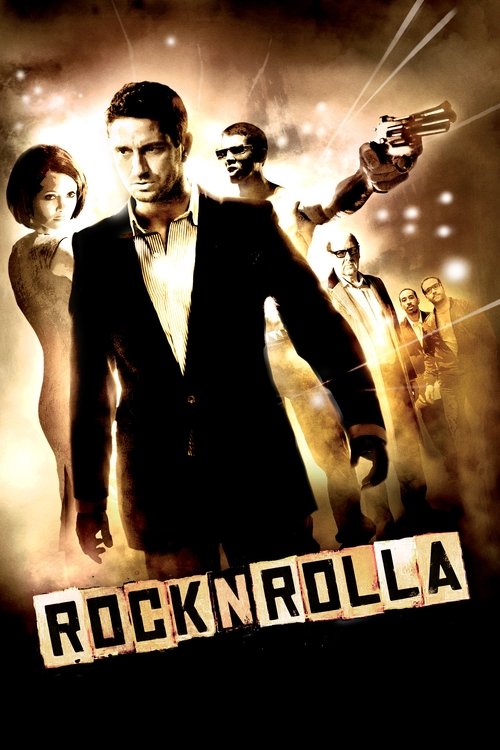
In 2008, I watched RocknRolla on a scratched DVD in a basement apartment where the radiator made a clicking sound like a Geiger counter. It was the perfect atmosphere for a Guy Ritchie flick—slightly cramped, vaguely industrial, and smelling faintly of cheap lager. At the time, Ritchie was a man with something to prove. After the high-altitude nose-dive of Swept Away and the "what on earth was that?" philosophical musings of Revolver, the world was ready for him to stop trying to be an auteur and go back to being a hooligan with a camera.

RocknRolla was that homecoming. It arrived just as the "British Gangster" genre was starting to feel like a tired caricature of itself, yet Ritchie managed to inject enough caffeinated energy and pre-fame star power to make it feel like a victory lap. Looking back now, it’s less of a revolutionary moment and more of a fascinating time capsule of the late 2000s—a bridge between the gritty indie spirit of the 90s and the slick, franchise-obsessed era that was just around the corner.
The "Before They Were Famous" Buffet
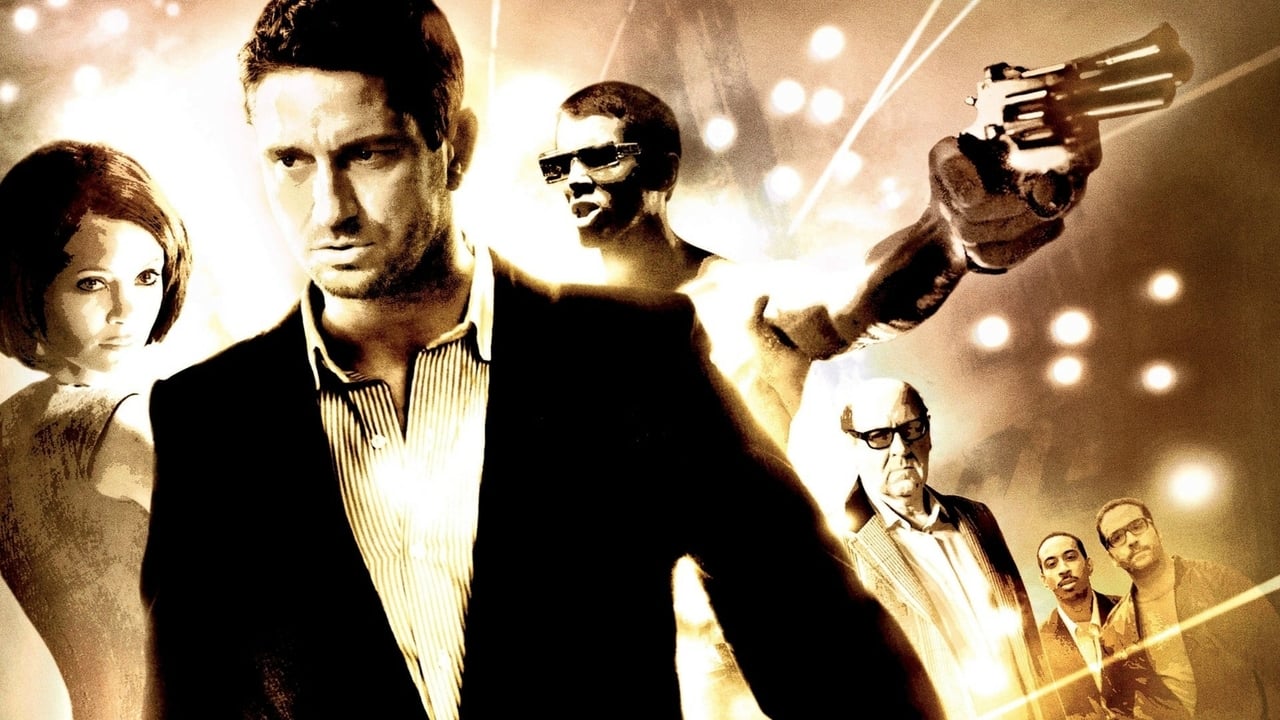
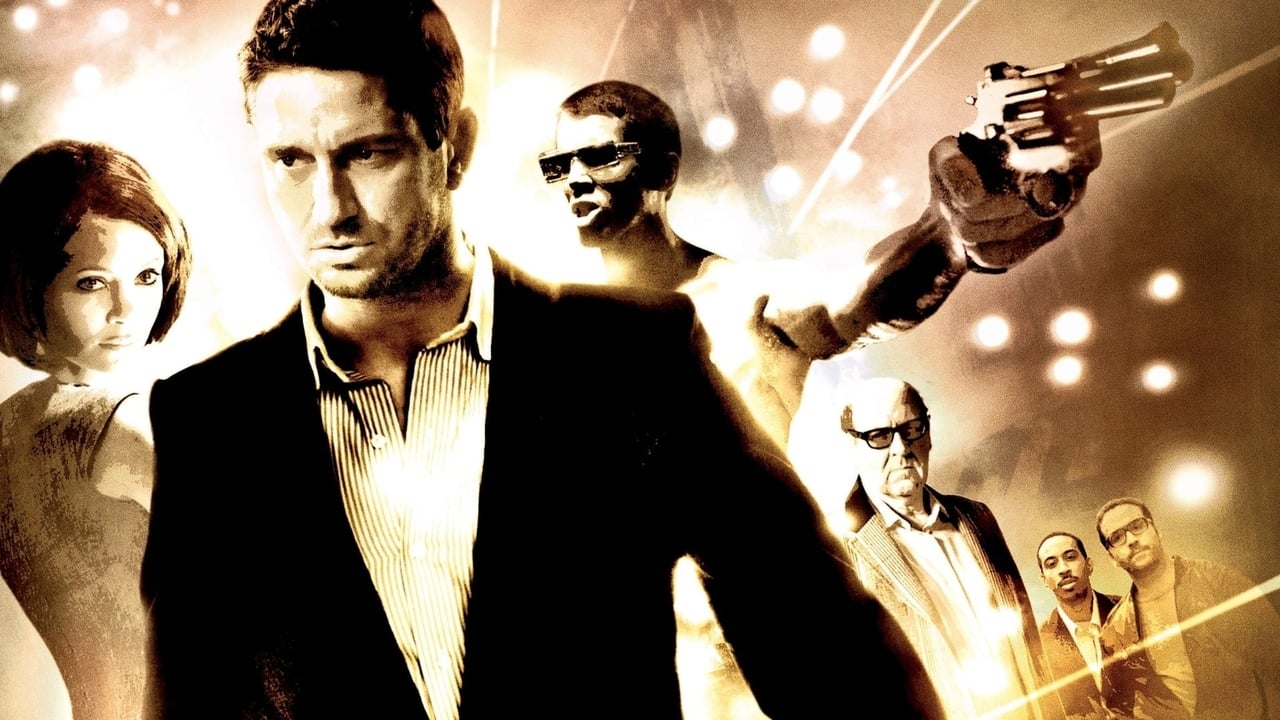
The most striking thing about revisiting RocknRolla today isn't the plot—which is a dizzying, intentionally confusing web of real estate scams and stolen paintings—but the faces. This movie is a goldmine of "oh wait, is THAT him?" moments. You’ve got Gerard Butler as One-Two, riding the high of 300 (2006) but trading the leather speedo for a tracksuit. Then there’s Idris Elba as Mumbles, years before he became the internet’s favorite choice for every role from Bond to Batman.
But the real scene-stealer, and the performance that arguably aged the best, is Tom Hardy as Handsome Bob. Long before he was Bane or Mad Max, Hardy brought a surprising, tender vulnerability to a character that could have been a one-note joke in a lesser director's hands. His "coming out" scene to Butler is handled with a weirdly sweet sincerity that feels miles ahead of the typical "lads' mag" humor of the era. And let’s not forget Mark Strong as Archy. Strong is essentially the narrator and the glue holding this chaotic mess together, providing the kind of gravitas that makes you believe a bunch of idiots in London could actually pull off a multi-million-pound heist.
Practical Chaos and the Cigarette Chase
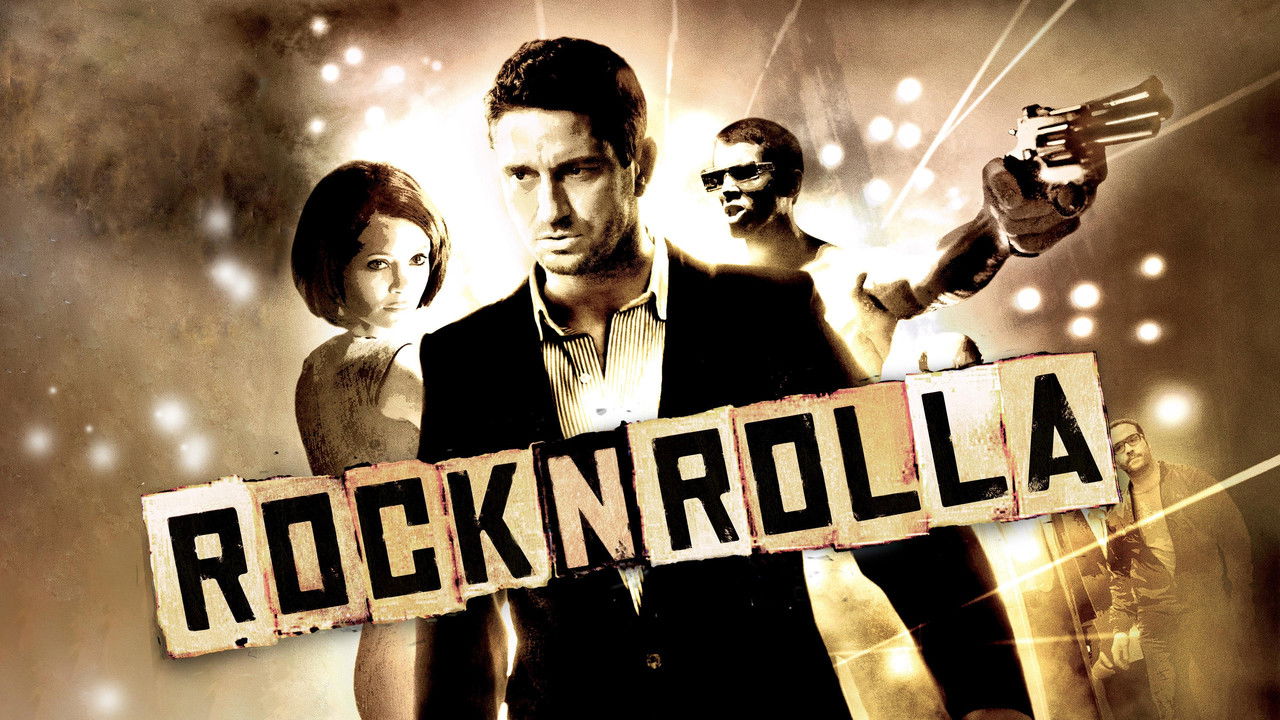
Ritchie’s action style in this era was transitioning. We were moving away from the frantic, jagged editing of Snatch (2000) and into something slightly more polished, though no less energetic. There’s a sequence in RocknRolla involving two Russian "un-killable" henchmen chasing Butler and Elba through a train yard that remains one of my favorite bits of action choreography from that decade.
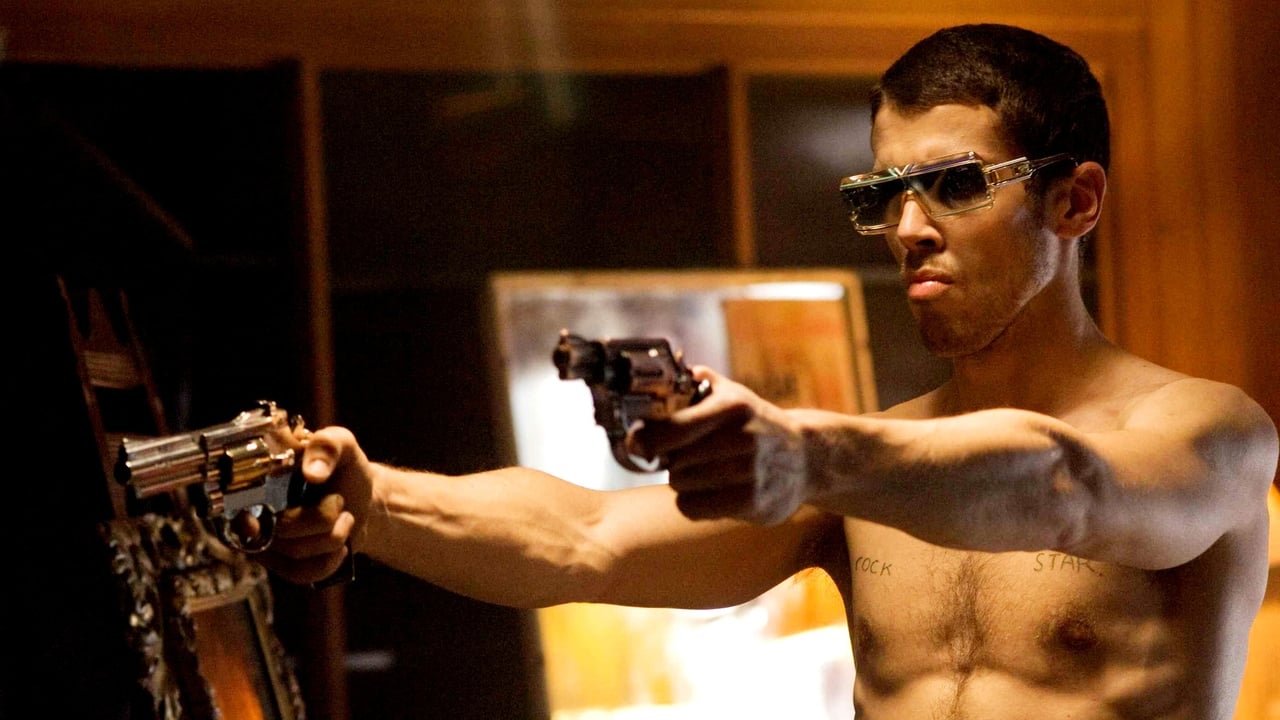
It’s not about high-tech gadgetry or CGI explosions; it’s about the sheer, exhausting physical reality of a foot chase. You can practically feel the lactic acid building in the actors' legs. It’s funny, tense, and feels earned. Ritchie uses the camera not just to capture the action, but to punctuate it—freeze frames, sudden speed ramps, and a soundtrack that hits like a brick to the face. The use of The Subways’ "Rock & Roll Queen" during a pivotal club scene captures that specific 2008 indie-rock zeitgeist perfectly. The plot is basically a circle jerk of middle-aged men chasing a MacGuffin, but when the music kicks in and the camera starts spinning, I honestly couldn't care less about the specifics of the real estate scam.
The Cult of the "Lucky Painting"
While RocknRolla didn't set the box office on fire—making about $25 million on an $18 million budget—it found its true home on DVD. This was the tail end of the era where "special features" actually mattered. I remember spending hours watching the behind-the-scenes segments, learning that Gerard Butler was actually deathly ill with a fever during his big dance scene with Thandiwe Newton. You’d never know it watching him glide across the floor, which is a testament to the "show must go on" grit of the production.
The film also left us with one of the great "what ifs" of cult cinema. The end credits famously promised that "The Wild Bunch will return in The Real RocknRolla." Fans spent years on message boards (remember those?) speculating about the sequel. Apparently, Ritchie had a trilogy planned, but as the cast members all turned into massive A-list stars with schedules packed by the MCU and major franchises, the window slammed shut. It adds a layer of "lost classic" mystique to the film. It’s an unfinished story, a snapshot of a director regaining his groove and a cast on the verge of superstardom.
There's something wonderfully tactile about the film's "stuff." The "Lucky Painting" (which we never actually see) is a brilliant directorial choice—it becomes whatever the viewer imagines is worth killing for. It’s that kind of clever, slightly cocky storytelling that made us fall in love with Ritchie in the first place. It’s a movie that thinks it’s much smarter than it actually is, but it has so much charisma you’re happy to let it buy you a drink and lie to your face for two hours.
RocknRolla is Guy Ritchie at his most comfortable, which is both its greatest strength and its only real weakness. It doesn't reinvent the wheel, but it polishes the chrome until it sparkles. It’s a loud, stylish, and immensely quotable crime caper that serves as a reminder of a time when "cool" was defined by a leather jacket, a cigarette, and a very fast, very confusing plan. If you missed it during the DVD era, it's time to catch up with the Wild Bunch—just don't expect the sequel to show up any time soon.
Keep Exploring...
-

Revolver
2005
-

Sherlock Holmes: A Game of Shadows
2011
-
Sherlock Holmes
2009
-
Machine Gun Preacher
2011
-
Once Upon a Time in Mexico
2003
-
Cellular
2004
-
Transporter 2
2005
-
Crank
2006
-
Quantum of Solace
2008
-
Crank: High Voltage
2009
-
Faster
2010
-

Repo Men
2010
-
Colombiana
2011
-
The Mechanic
2011
-
Contraband
2012
-
Man on a Ledge
2012
-
Premium Rush
2012
-
Safe
2012
-
The Last Stand
2013
-
Snatch
2000