Saw V
"The legacy is inherited, but the game has changed."

By 2008, the Saw franchise had officially morphed into a high-stakes, industrial-strength soap opera where the characters didn’t just have secret affairs—they had secret apprenticeships and a penchant for elaborate, rusted metal headgear. It was the era of "If it’s Halloween, it must be Saw," a marketing masterstroke that turned a low-budget indie hit into an annualized ritual. Watching Saw V now, I’m struck by how much it feels like a bridge between the gritty, singular vision of the early films and the sprawling, lore-heavy behemoth it eventually became. It’s the middle child of the series: a bit awkward, heavily focused on exposition, and arguably the moment where the "torture porn" label truly cemented itself in the cultural lexicon.
The Forensic Soap Opera
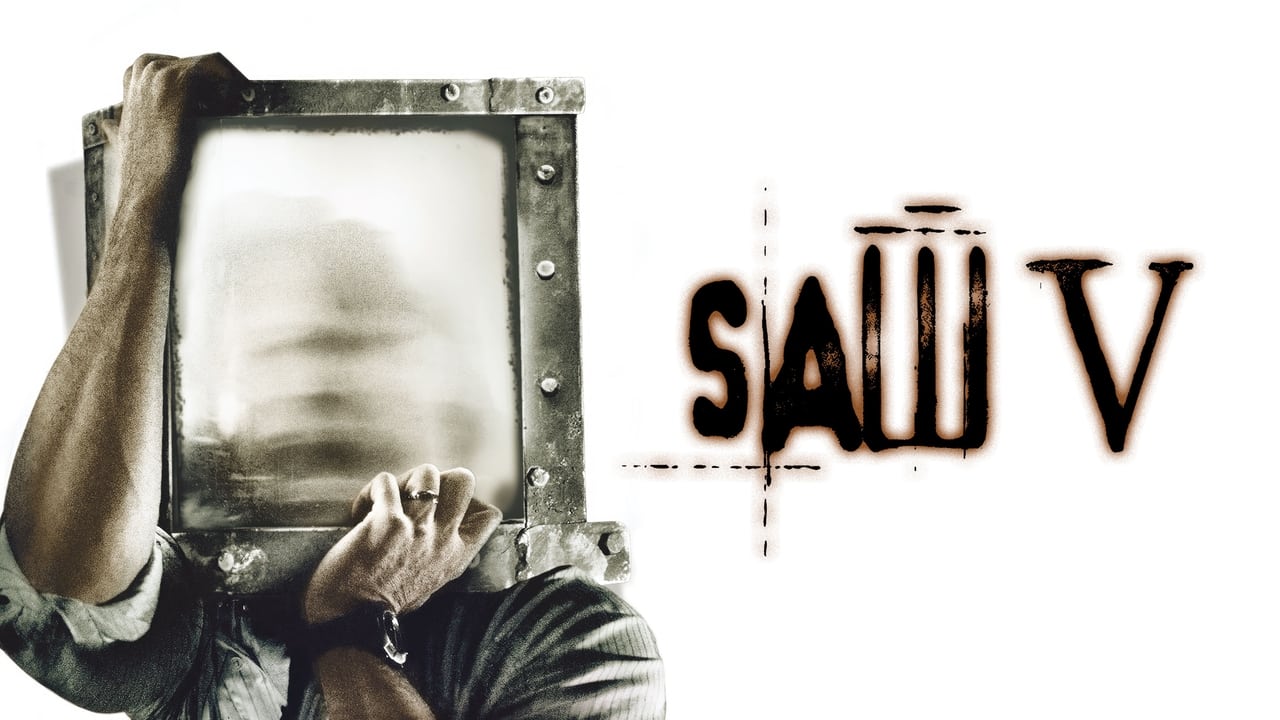
While the first three films focused on the philosophy of John Kramer (Tobin Bell), Saw V pivots toward the internal politics of the Jigsaw legacy. We pick up immediately after the chaotic finale of the fourth film, with Detective Mark Hoffman (Costas Mandylor) emerging as the "hero" who survived the latest bloodbath. But Agent Strahm (Scott Patterson, best known as the grumpy diner owner in Gilmore Girls) isn't buying the act. The narrative split is jarring: half the movie is a cat-and-mouse procedural as Strahm digs through Hoffman's past, while the other half follows the "Fatal Five," a group of strangers trapped in a collective gauntlet.
I watched this during a thunderstorm while eating a bowl of lukewarm spaghetti, which actually matched the film's sickly yellow and green color palette perfectly. That visual aesthetic, courtesy of cinematographer David A. Armstrong, is pure 2000s grit. It’s that post-Se7en look where every surface looks like it needs a tetanus shot. Director David Hackl, who had been the production designer on the previous three entries, brings a literal "builder’s eye" to the proceedings. The traps here aren't just scares; they’re architectural statements.
Lessons in Teamwork (and Decapitation)
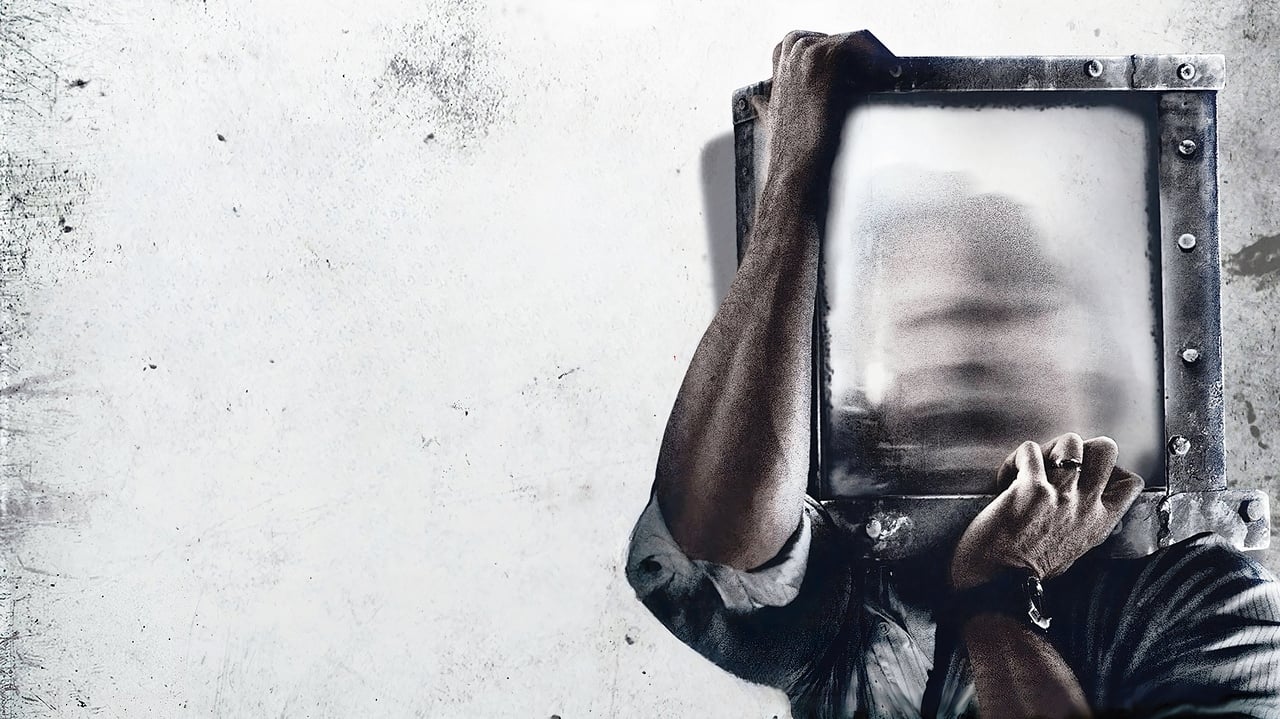
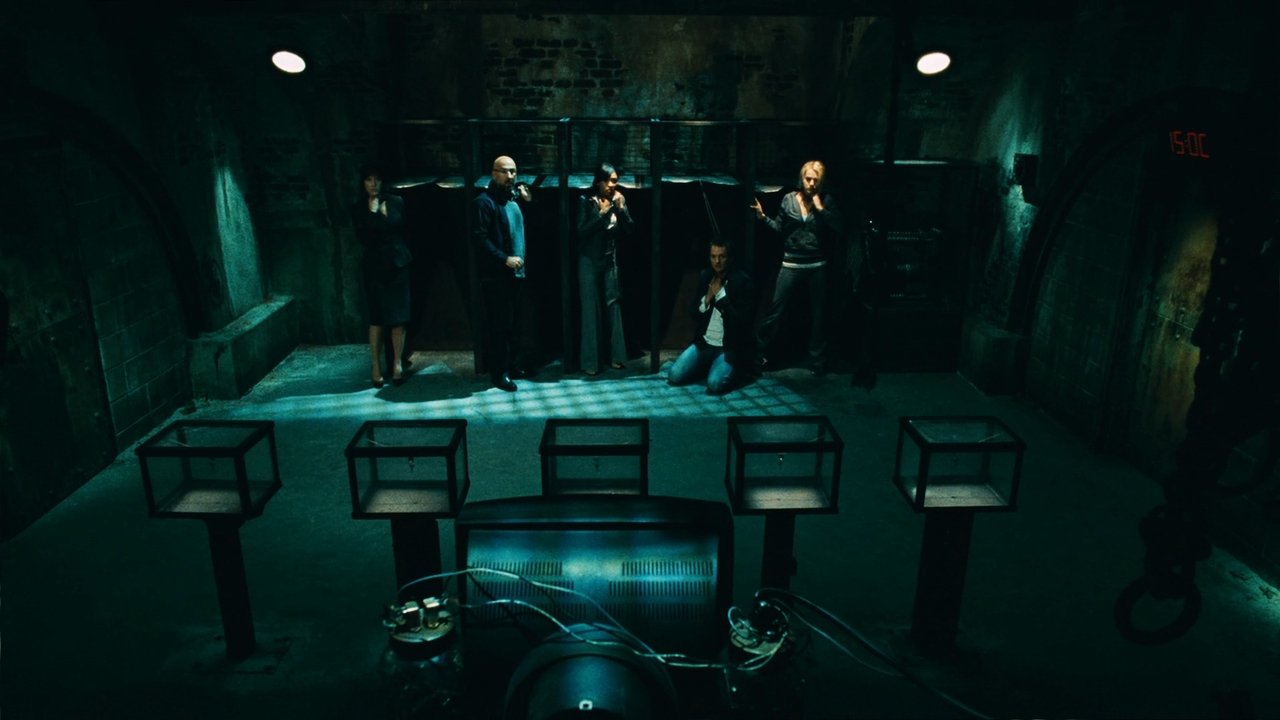
The "Fatal Five" plotline is where the film tries to reclaim its moral high ground. We have a cast including Julie Benz (of Dexter fame) and Meagan Good (Eve's Bayou), playing people connected by a shared white-collar crime. The central gimmick is that if they just worked together, they’d all survive. Of course, this is a Saw movie, so instead of holding hands, they mostly just scream and sabotage one another. Julie Benz brings a frantic energy that the film desperately needs, especially since Costas Mandylor has the emotional range of a very handsome piece of granite.
His Hoffman is a fascinatingly dull villain—a man who lacks Kramer’s twisted charisma but possesses a cold, bureaucratic efficiency. It’s a shift that reflects the era’s anxieties about institutional rot. We weren't just afraid of the monster in the basement anymore; we were afraid of the guy with the badge who knew how to hide the bodies. The script by Patrick Melton and Marcus Dunstan is dense with callbacks, making this a rewarding watch for the "DVD culture" crowd who spent hours pausing the previous discs to find hidden clues. It’s a film made for the era of the obsessive internet forum.
Practical Effects in a Digital Dawn
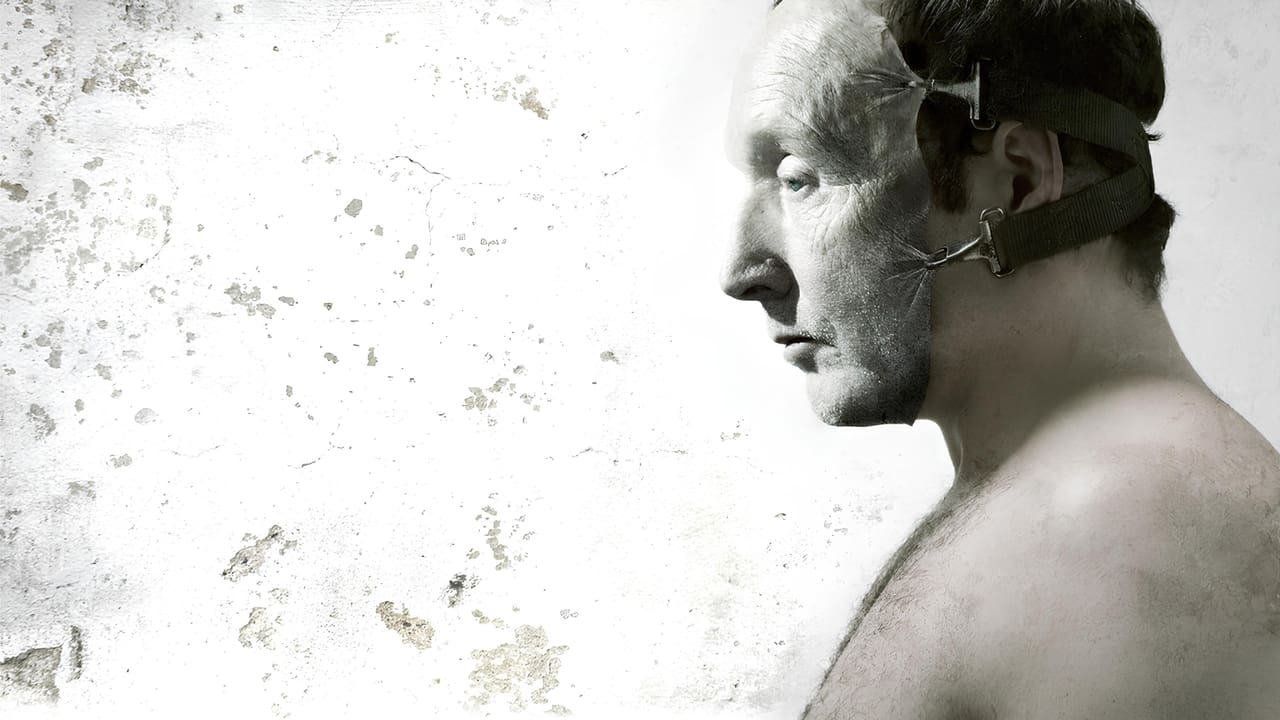
What keeps Saw V from sliding into total mediocrity is the series' stubborn commitment to practical effects. By 2008, CGI was beginning to colonize every corner of the box office, yet the Saw team stayed loyal to pulleys, latex, and gallons of Karo syrup. The opening "Pendulum Trap"—a direct nod to Edgar Allan Poe—is a masterclass in tension, even if it feels a bit more mean-spirited than the traps of the earlier films. Apparently, the crew had to deal with constant mechanical failures on set because the devices were almost too functional.
The box office numbers for this entry were staggering—over $118 million on a $10 million budget. It’s a reminder of how much these films dominated the pre-MCU landscape. They were the "shared universe" before that was a mandatory corporate strategy. However, Agent Strahm’s survival instincts are roughly on par with a lemming in a tuxedo, and his final confrontation with Hoffman is one of those "just leave the room!" moments that makes you want to throw your popcorn at the screen. It’s frustrating, but it’s the kind of frustration that keeps you coming back for the next installment.
The film earns its keep as a necessary chapter for the completionists, providing the "how" behind Hoffman’s rise to power while offering enough creative carnage to satisfy the seasonal itch. It lacks the emotional punch of the first film or the sheer audacity of the third, but it’s a solid piece of industrial horror that perfectly captures the "more is more" mentality of the late 2000s. It’s a movie that knows exactly what its audience wants—a few clever twists, a bit of moralizing, and a very messy finale—and it delivers those things with the efficiency of a well-oiled guillotine.

Keep Exploring...
-
Saw IV
2007
-
Saw 3D
2010
-
Saw III
2006
-
Saw VI
2009
-
Saw II
2005
-
Saw
2004
-

Jigsaw
2017
-
The Exorcism of Emily Rose
2005
-
The Collector
2009
-
The Hitcher
2007
-
Untraceable
2008
-
The Last House on the Left
2009
-
I Spit on Your Grave
2010
-

I Spit on Your Grave 2
2013
-
Gothika
2003
-
The Grudge
2004
-

The Omen
2006
-
Vantage Point
2008
-
My Bloody Valentine
2009
-

A Nightmare on Elm Street
2010