Seven Pounds
"A debt that can only be paid in skin."
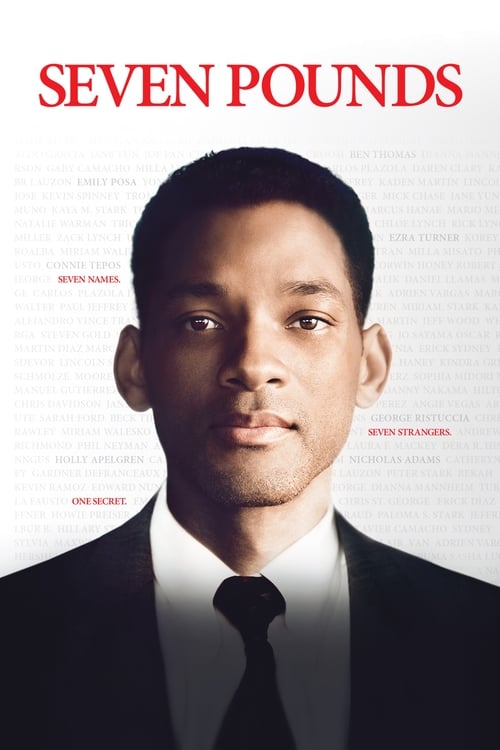
There was a specific kind of gravity associated with Will Smith in the late 2000s. We were smack in the middle of a decade where he wasn't just a movie star; he was an industry. If he smiled, the box office glowed. But by 2008, he seemed tired of the "Fresh Prince" grin. He wanted to hurt. Seven Pounds is the apex of that "Serious Will" era, a film so drenched in melancholy that it feels like it was shot through a filter of blue ink and unshed tears.

I remember watching this for the first time on a flight where the person in the middle seat was aggressively peeling a hard-boiled egg. The sulfurous smell should have ruined the mood, but strangely, that localized unpleasantness actually helped me settle into the film’s grim, almost suffocating atmosphere. It’s a movie that asks you to sit in discomfort for two hours before it tells you why you’re there.
The Architect of Atonement
The story follows Ben Thomas, an IRS agent who seems to be spending his days auditing people not for their tax evasions, but for the quality of their souls. He’s a man on a mission, though for the first hour, director Gabriele Muccino—reunited with Smith after the massive success of The Pursuit of Happyness—keeps the cards held tight against his chest. Ben is looking for seven people to "help," but his help isn't a loan or a friendly advice session. It’s something far more permanent.
Will Smith gives a performance here that is almost entirely internal. Gone is the kinetic energy of Men in Black or the cocky swagger of Hitch. Instead, he uses his height to look heavy, moving through scenes as if his pockets are filled with stones. It’s a quiet, twitchy piece of acting that honestly deserved more credit at the time. He’s matched by Rosario Dawson, who plays Emily, a woman with a failing heart who becomes the unintended complication in Ben’s grand plan of self-destruction. Their chemistry is fragile and genuinely sweet, which only makes the impending doom feel more like a punch to the throat.
A Divisive Moral Math
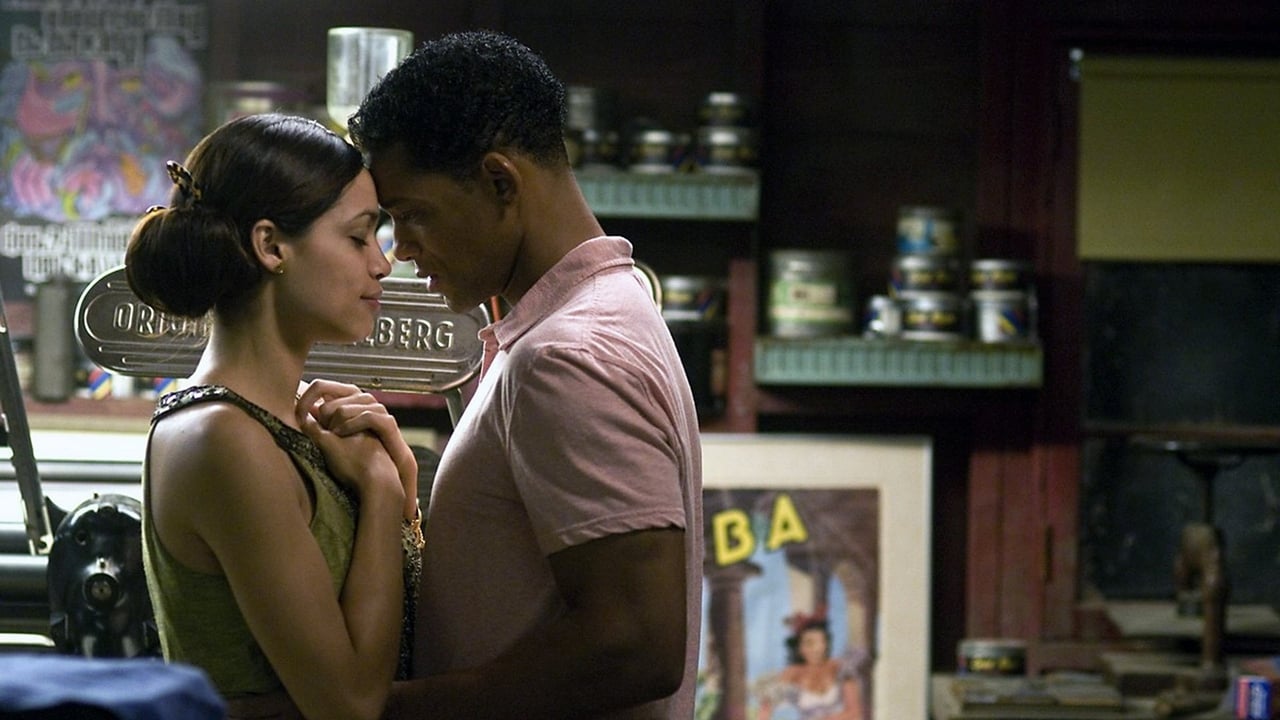
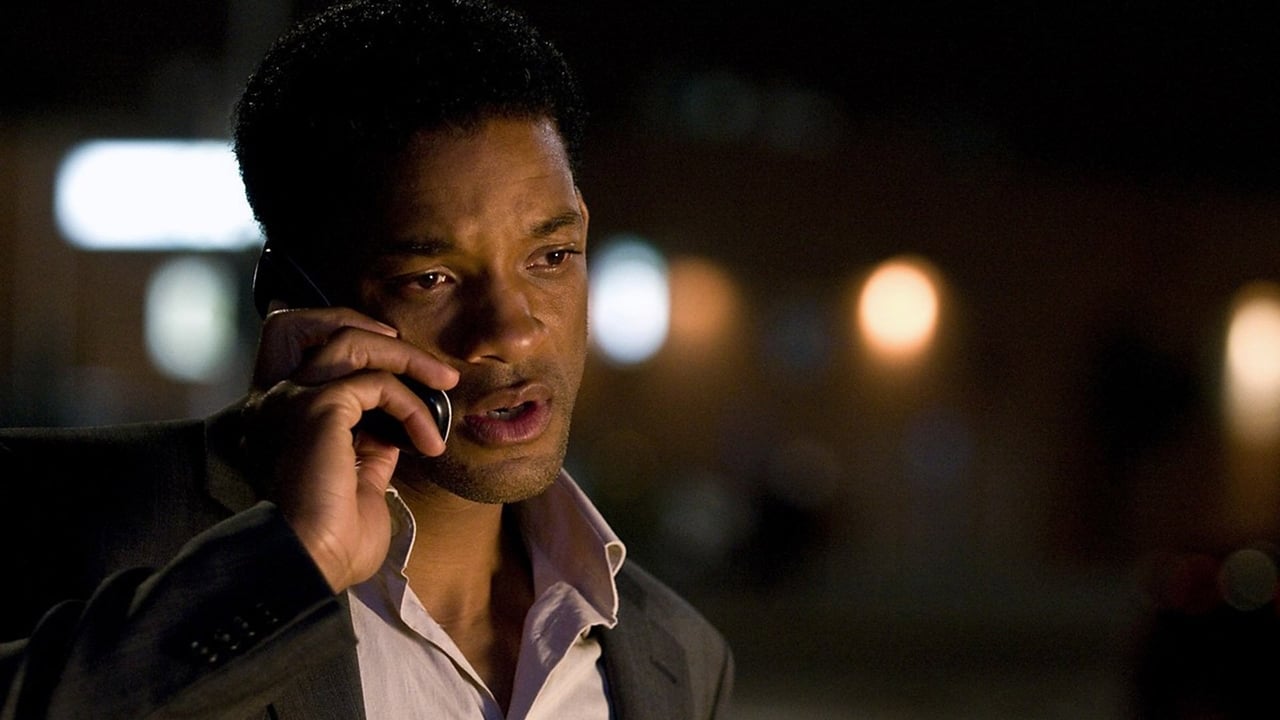
This is where the cerebral, philosophical weight of the film kicks in. Ben’s "plan" is essentially a ledger of life. Having caused a tragedy that took seven lives (a secret revealed through fragmented, non-linear flashbacks that were very "in" during this era of cinema), he decides he must give seven lives back. But he isn't just a donor; he’s a judge. He stalks his candidates. He tests Woody Harrelson’s character, a blind meat salesman named Ezra, by hurling cruel insults at him over the phone just to see if he’s "worthy" of a gift.
It is essentially a high-budget emo music video with better lighting and a God complex.
Looking back, the film’s central conceit is wildly problematic if you think about it for more than ten minutes. The idea that one man gets to play arbiter of who deserves to live based on a five-minute vibe check is borderline sociopathic. Yet, the film is so earnest, and Gabriele Muccino’s direction is so lush, that you almost get swept up in the romanticism of it. It’s a classic example of "Prestige Cinema" from the DVD era—the kind of movie that came with a second disc of "Behind the Scenes" features explaining the medical accuracy of a box jellyfish, which apparently was the only way Ben could think to exit the world without damaging his "merchandise."
The $168 Million Tear-Jerker

Despite its grim subject matter, Seven Pounds was a formidable commercial success. It turned a $55 million budget into a $168 million global haul. This was the peak of the "Will Smith can sell anything" window. Think about that: in 2008, audiences flocked to see a movie about organ donation and terminal guilt just because Big Will was on the poster.
The production was a massive undertaking for a drama. They spent a fortune on the cinematography to give it that shimmering, ethereal look. Philippe Le Sourd captures Los Angeles in a way that feels lonely and vast, mirroring Ben’s isolation. I also have to mention Woody Harrelson, who delivers one of the most restrained and touching performances of his career with very little screen time. His scenes with the piano are the only moments where the film stops trying to be a "Capital-M Message Movie" and just becomes a human story.
Turns out, the title is a nod to Shakespeare’s The Merchant of Venice, specifically the "pound of flesh" owed to Shylock. It’s a clever bit of literary branding for a script that otherwise feels like it’s trying a bit too hard to be the saddest thing you’ve ever seen. The film leans heavily into the post-9/11 anxiety of the era—a time when Hollywood was obsessed with themes of radical sacrifice and the burden of survival.
Seven Pounds is a beautifully shot, superbly acted piece of manipulative cinema. It’s the kind of film that works best if you don't poke the logic too hard and just let the score and Will Smith's expressive eyes do the heavy lifting. It’s a fascinating relic of a time when original, mid-budget dramas could still command the global box office before the franchise wars fully took over. It isn't perfect, and its ending is one of the most polarizing "twists" of the decade, but it lingers in the mind like a half-remembered dream. Whether that dream is a nightmare or a miracle depends entirely on how much you’re willing to forgive.

Keep Exploring...
-
The Pursuit of Happyness
2006
-
I Am Legend
2007
-
The Passion of the Christ
2004
-
Apocalypto
2006
-

The Reader
2008
-

The Blind Side
2009
-
Hitch
2005
-
The King's Speech
2010
-
The Bridges of Madison County
1995
-
Remember the Titans
2000
-

Big Fish
2003
-

Cinderella Man
2005
-

Memoirs of a Geisha
2005
-

Enemy of the State
1998
-

Something's Gotta Give
2003
-

The Last Samurai
2003
-

The Bourne Supremacy
2004
-

The Terminal
2004
-

Mr. & Mrs. Smith
2005
-
Fast & Furious
2009