Speed Racer
"Eat my neon dust."
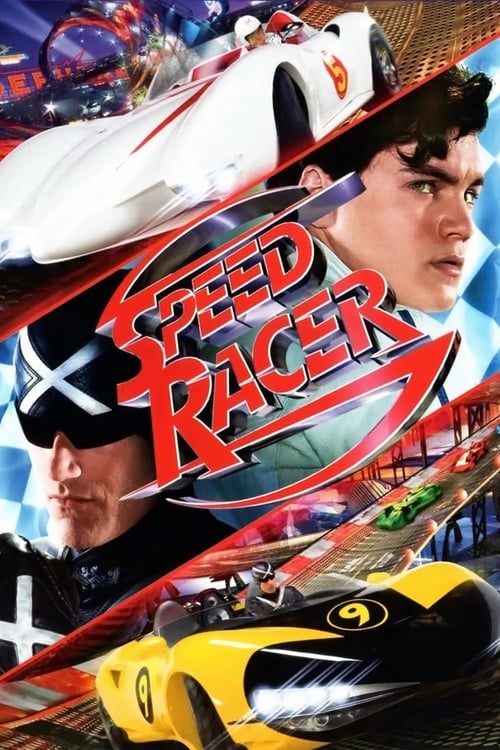
In 2008, Lana Wachowski and Lilly Wachowski decided to melt our collective brains with a neon-soaked fever dream that felt like eating a five-pound bag of Skittles in one sitting. Coming off the back of the Matrix trilogy, the world expected more trench coats and philosophy. Instead, we got "Car-fu"—a kaleidoscopic explosion of digital expressionism that was so far ahead of its time, it basically finished the race before the audience even found their seats. I recently revisited this while my neighbor was loudly pressure-washing his driveway, and the steady drone of the water strangely synced up with the Mach 6’s engine, making my living room feel like a 4D theater.
A Kaleidoscope on Wheels
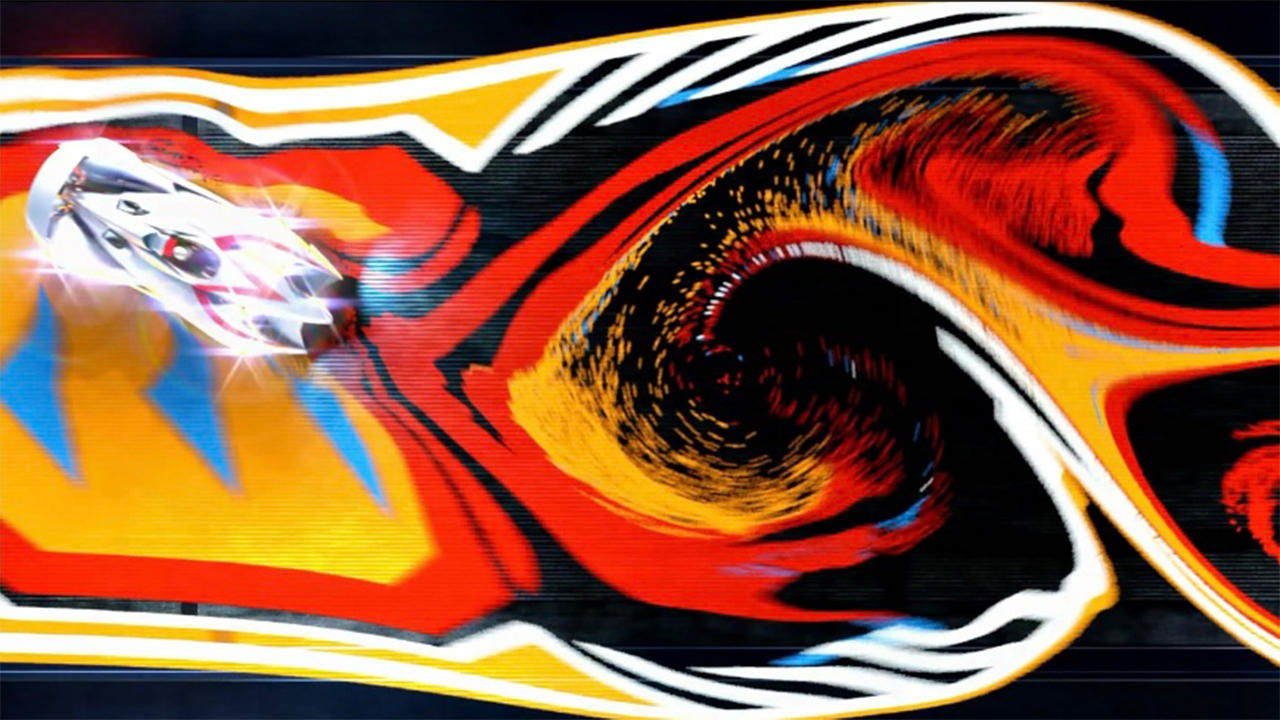
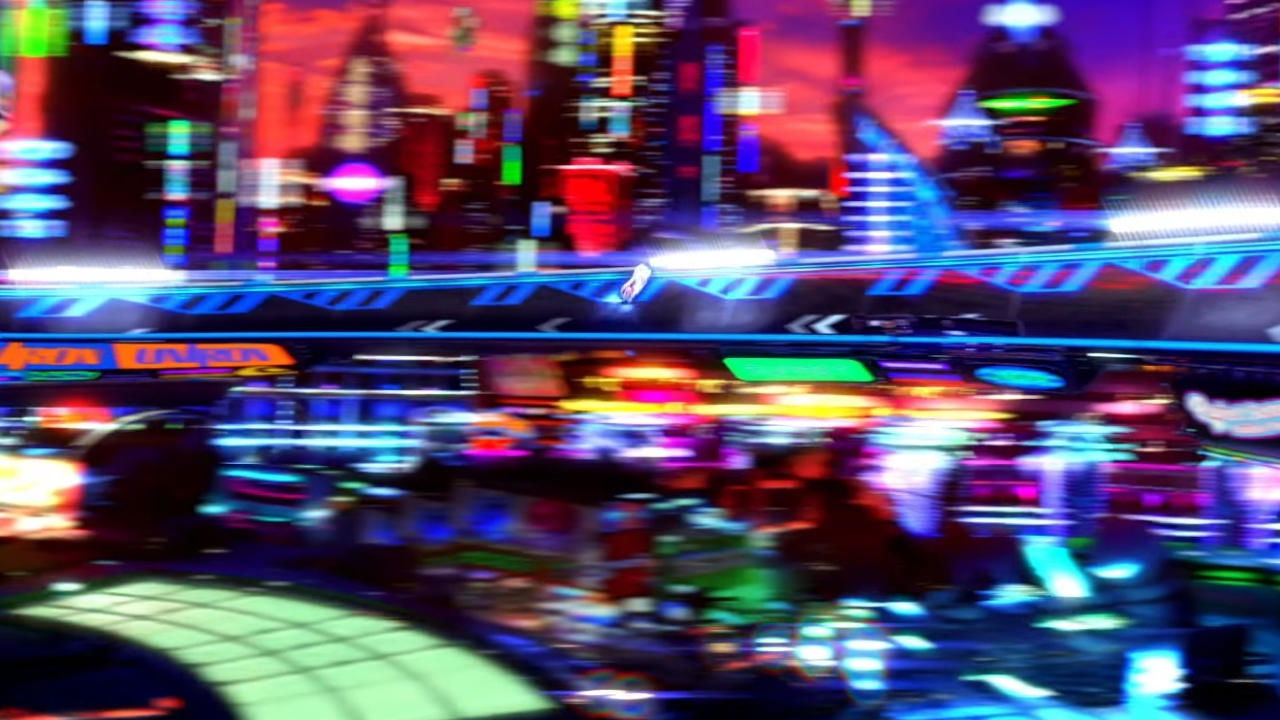
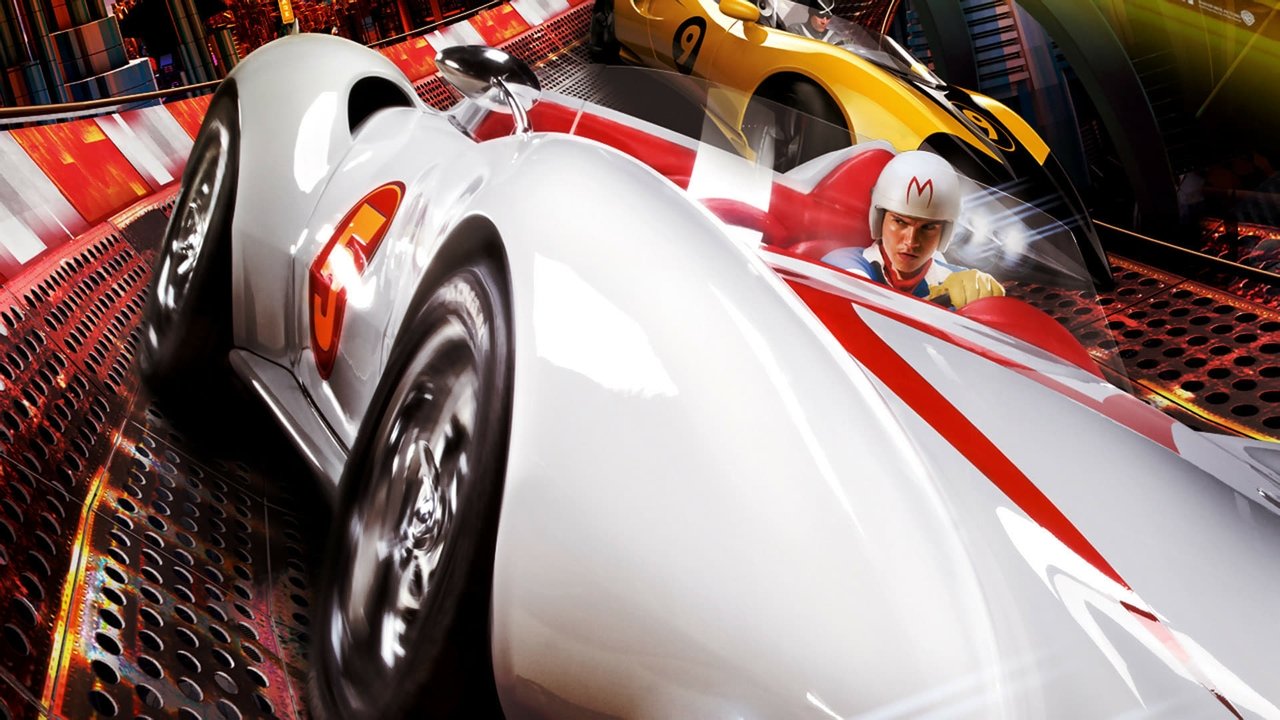
The first thing I noticed—and you can’t help but notice—is that Speed Racer looks like nothing else in cinema history. It arrived right in that "Modern Cinema" sweet spot where filmmakers were figuring out that CGI didn't just have to mimic reality; it could be used to create a totally new aesthetic. The Wachowskis utilized a technique they called "Faux-torealism," layering high-definition images to create a world with infinite depth where everything is in focus all at once. It’s intentionally "flat" yet incredibly deep, mimicking the look of traditional cel animation but with the textures of a candy factory.
Emile Hirsch plays the titular Speed with a sincerity that anchors the madness. He isn't playing a "gritty" reboot of a 1960s character; he’s playing a kid who genuinely loves racing more than life itself. When he’s behind the wheel, the background dissolves into streaks of primary colors, and the movie abandons the laws of physics in favor of pure emotion. It’s the most honest live-action anime ever made, and critics in 2008 were just too boring to realize it. While movies like Iron Man (released the same year) were leaning into a grounded, military-tech vibe, Speed Racer was busy inventing its own visual language.
The Art of Car-Fu
Action in Speed Racer isn't just about cars going fast; it’s about combat. The "Car-fu" sequences are masterpieces of clarity despite the chaos. The cars don't just drive; they jump, pirouette, and use "jump jacks" to flip over opponents. Most action directors of the late 2000s were obsessed with "shaky cam" (thanks, Bourne), but the Wachowskis went the opposite direction. They used long, sweeping horizontal wipes and layered faces over the action, so you always know exactly where Speed is in relation to the track.
The score by Michael Giacchino (who also did The Incredibles and Lost) is doing a lot of heavy lifting here. He takes the brassy, iconic themes of the original cartoon and weaves them into a sophisticated orchestral sprint. The sound design is equally playful; the Mach 6 doesn't sound like a Ferrari; it sounds like a high-pitched futuristic jet. There’s a weight to the digital impacts—when a car gets slammed off the track into a desert canyon, you feel the crunch of metal even if you know the "metal" is just 1s and 0s.
Sincerity in a Neon World
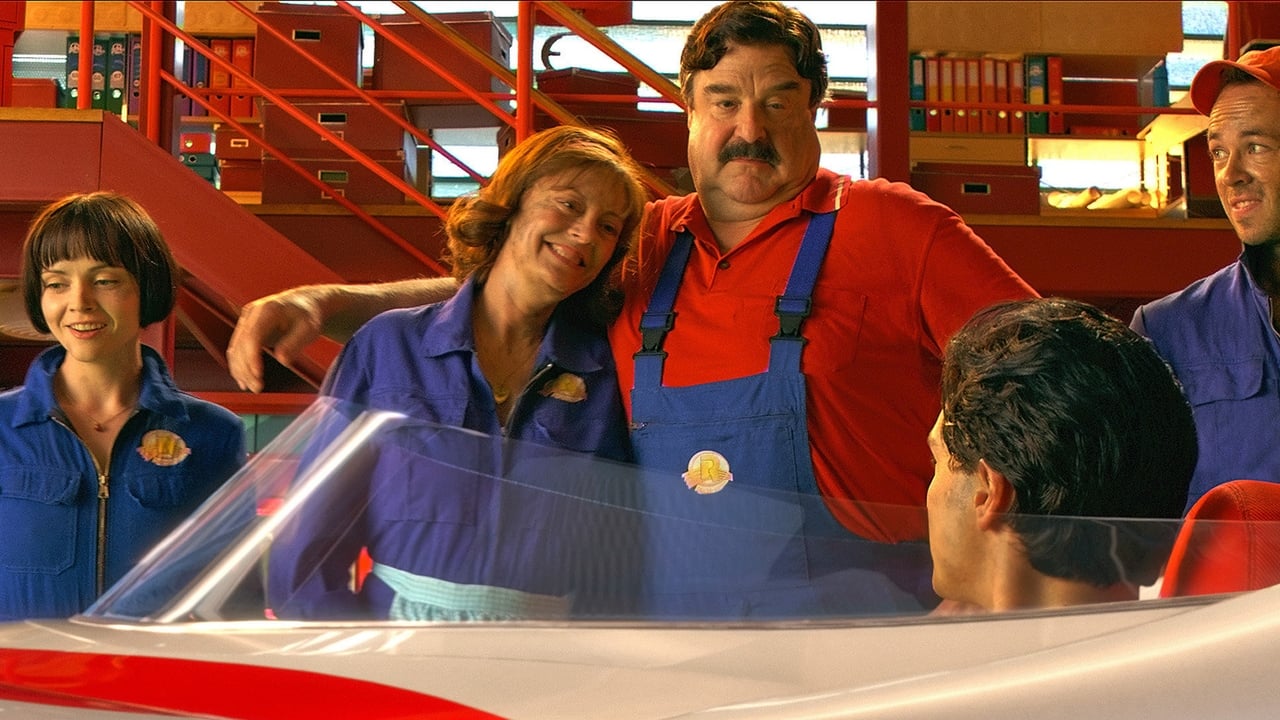
Behind the dizzying visuals is a surprisingly touching story about a family-owned business trying to survive in a corporate-dominated world. John Goodman as Pops Racer and Susan Sarandon as Mom Racer are the secret weapons here. They provide a grounded, warm center to the film. John Goodman yelling at a TV or hugging his son feels more real than the CGI backgrounds suggest. Even the monkey, Chim-Chim, and the younger brother Spritle provide the kind of "annoying-but-cute" comic relief that actually works because the movie fully commits to its Saturday morning cartoon roots.
The film's initial failure at the box office is one of those great Hollywood mysteries. It cost $120 million and barely cleared $90 million globally. Why did it vanish? Part of it was the marketing—Warner Bros. didn't know if they were selling a kid's movie or an avant-garde art project. It also ran long at 135 minutes, which is a lot of sensory input for a younger audience. But in retrospect, Speed Racer was a victim of being a "2018 movie" released in 2008. The world wasn't ready for a film that treated a cartoon with this much reverence and formal ambition.
Stuff You Might Have Missed
The production of this film was a massive undertaking of tech-meets-tradition. For instance:
The racing cars were never actually built as drivable vehicles. They were "T-180" shells mounted on high-tech hydraulic gimbals. The actors had to "drive" against green screens while the gimbals tossed them around to simulate G-forces. The chimps who played Chim-Chim were a pair named Kenzie and Mikey. Apparently, they were a handful on set, but Christina Ricci (who plays the pitch-perfect Trixie) was reportedly a pro at working around their primate chaos. * If you look closely during the final race, you’ll see cameos from real-world racers and references to the original 1960s episodes hidden in the crowd and the track advertisements.
This is a film that rewards the adventurous viewer. It’s loud, it’s bright, and it’s unashamedly sentimental. While the CGI revolution often led to muddy, dull-looking blockbusters, the Wachowskis used those tools to paint a masterpiece that still looks better than most Marvel movies today. If you missed this one because the 2008 reviews told you it was a "headache," it’s time to grab some snacks, dim the lights, and let the colors take over. It’s a joyful reminder that movies can still surprise us by being completely, wonderfully weird.
Keep Exploring...
-

Sinbad: Legend of the Seven Seas
2003
-

Night at the Museum
2006
-
Kung Fu Panda
2008
-

Puss in Boots
2011
-
Brave
2012
-

Wizards of Waverly Place: The Movie
2009
-
Last Action Hero
1993
-
Osmosis Jones
2001
-
Agent Cody Banks
2003
-

The Matrix Reloaded
2003
-
Holes
2003
-
Team America: World Police
2004
-
TMNT
2007
-
Winnie the Pooh
2011
-

Tangled Ever After
2012
-

The Pirates! In an Adventure with Scientists!
2012
-
Toy Story of Terror!
2013
-
Teenage Mutant Ninja Turtles
1990
-
Teenage Mutant Ninja Turtles II: The Secret of the Ooze
1991
-
Spy Kids
2001