Star Wars: The Clone Wars
"Big war. Little Hutt. Huge legacy."
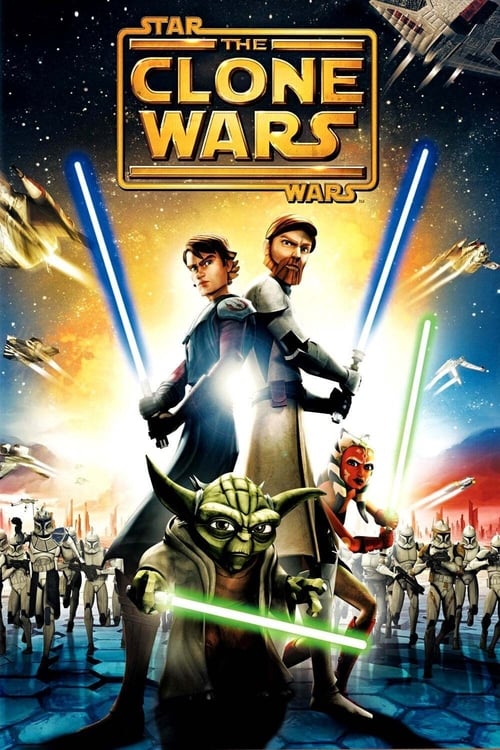
George Lucas has always been a man of impulses, but in 2008, he made one of the most baffling pivots in cinematic history. After the "final" prequel, Revenge of the Sith, supposedly closed the book on the Skywalker saga in 2005, fans thought the story was done. Then, seemingly out of nowhere, Lucas looked at some early footage for a planned animated TV series, decided it looked "movie-quality," and demanded it be stitched together for a theatrical release. The result was Star Wars: The Clone Wars, a film that feels exactly like what it is: four episodes of a television show wearing a very expensive tuxedo and trying to pass for a feature film.
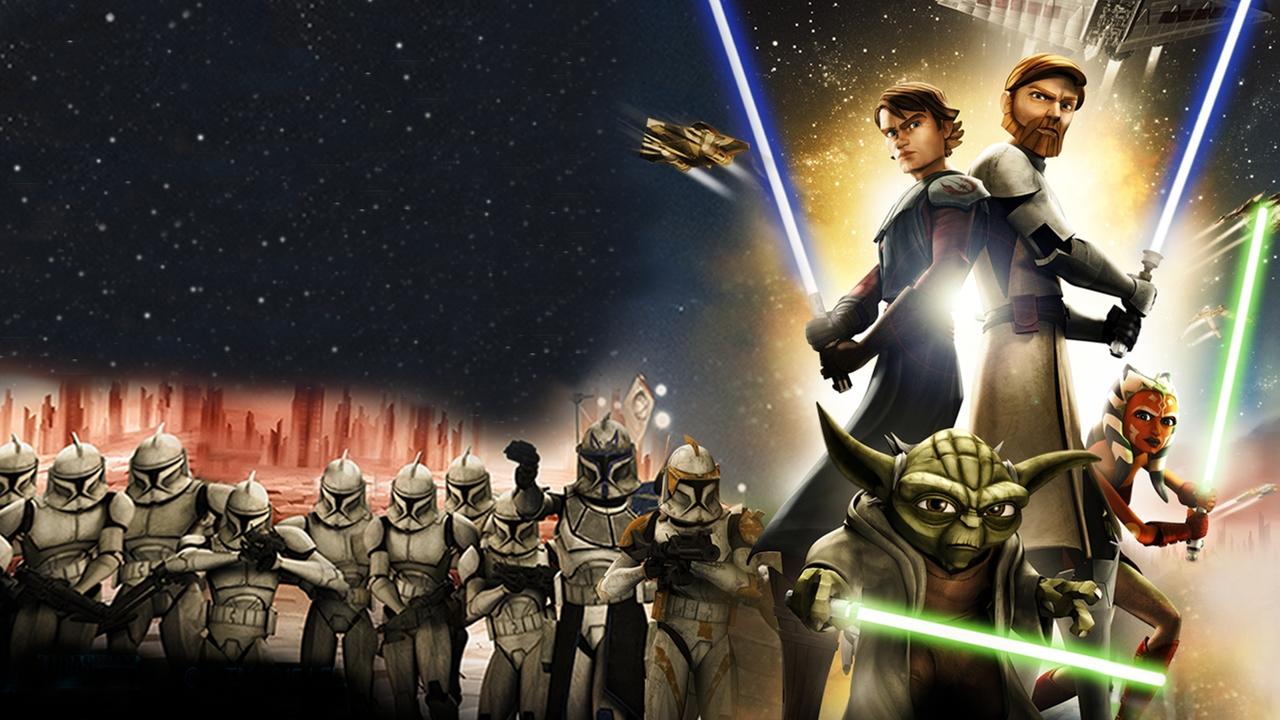
I watched this again recently while nursing a mild sunburn from a failed beach trip, and the red glow of my own skin actually matched the Sith lightsabers quite nicely. It’s a strange, clunky, yet strangely pivotal moment in the Star Wars timeline that proved George Lucas’s late-career impulse control was basically non-existent.
A Rough Start for a Grand Adventure
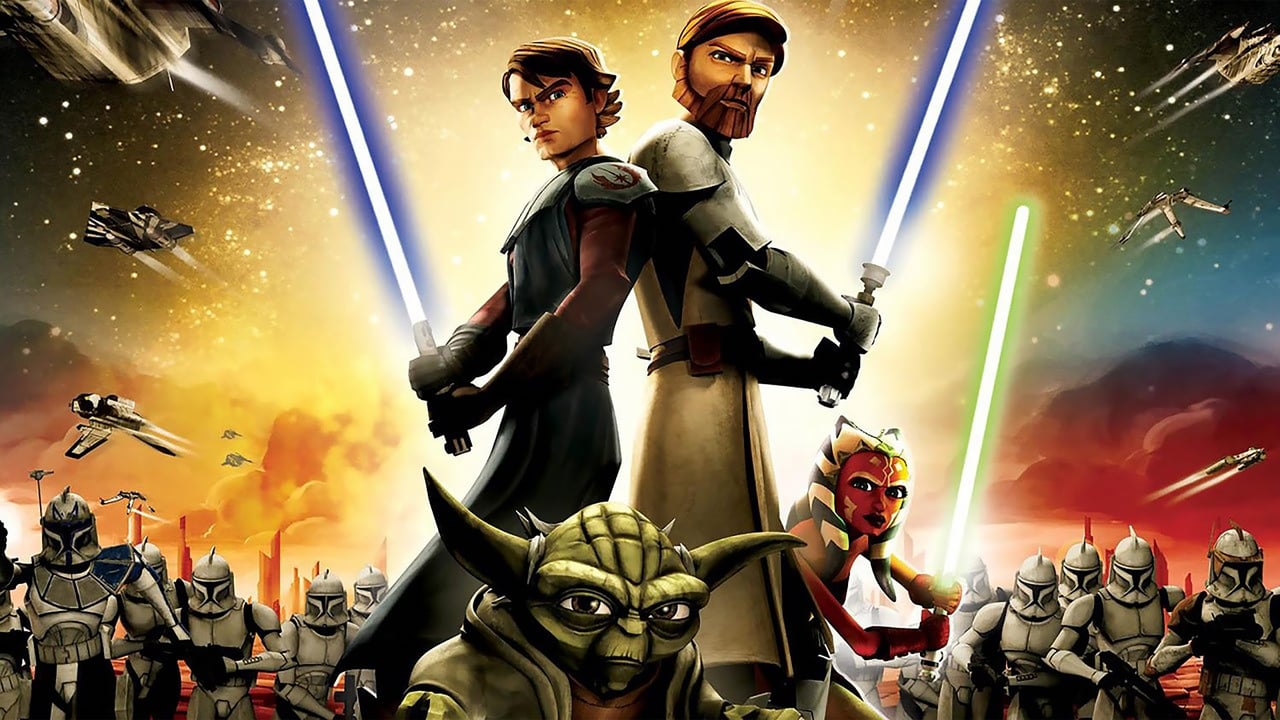
The plot is... well, it’s about a kidnapped baby Hutt. Yes, the high-stakes political drama of the prequel era eventually boiled down to Anakin Skywalker and his new apprentice, Ahsoka Tano, carrying a smelly, flatulent slug named Rotta (nicknamed "Stinky") across a desert. It’s a far cry from the operatic tragedy of the live-action films, and at the time, critics absolutely sharpened their vibro-blades. The reviews were brutal, often focusing on the "wooden" animation and the "annoying" new lead character.
But looking back with the benefit of a decade and a half of context, there's a certain charm to the clunkiness. This was the birth of the Dave Filoni era. Filoni, who has since become the shepherd of the entire franchise, was just starting to find his feet here. While the writing by Henry Gilroy and Steven Melching feels geared toward a younger Saturday-morning-cartoon crowd, you can see the seeds of something much larger being planted. The film introduces Ashley Eckstein as Ahsoka, and while she’s definitely "snippy" here, she eventually becomes one of the most beloved characters in the entire mythos. Ahsoka Tano was the most annoying character in the galaxy until she suddenly wasn't.
Gravity-Defying Action and Digital Puppetry
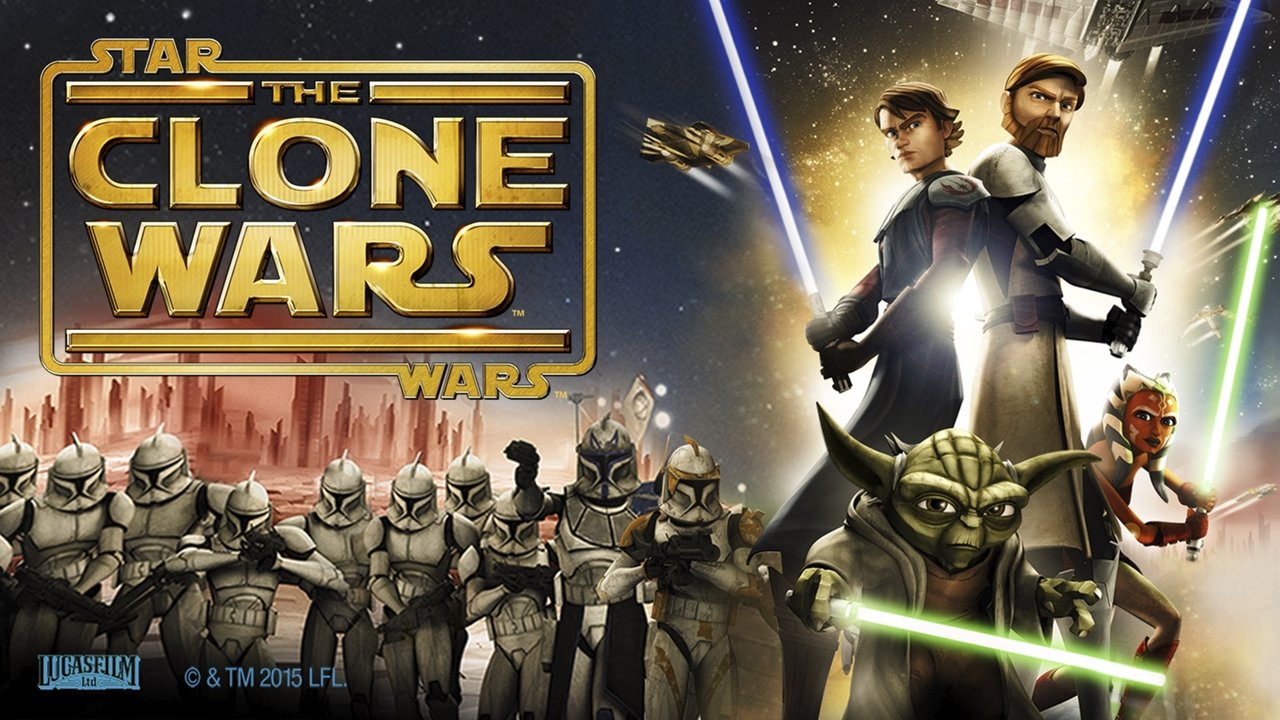
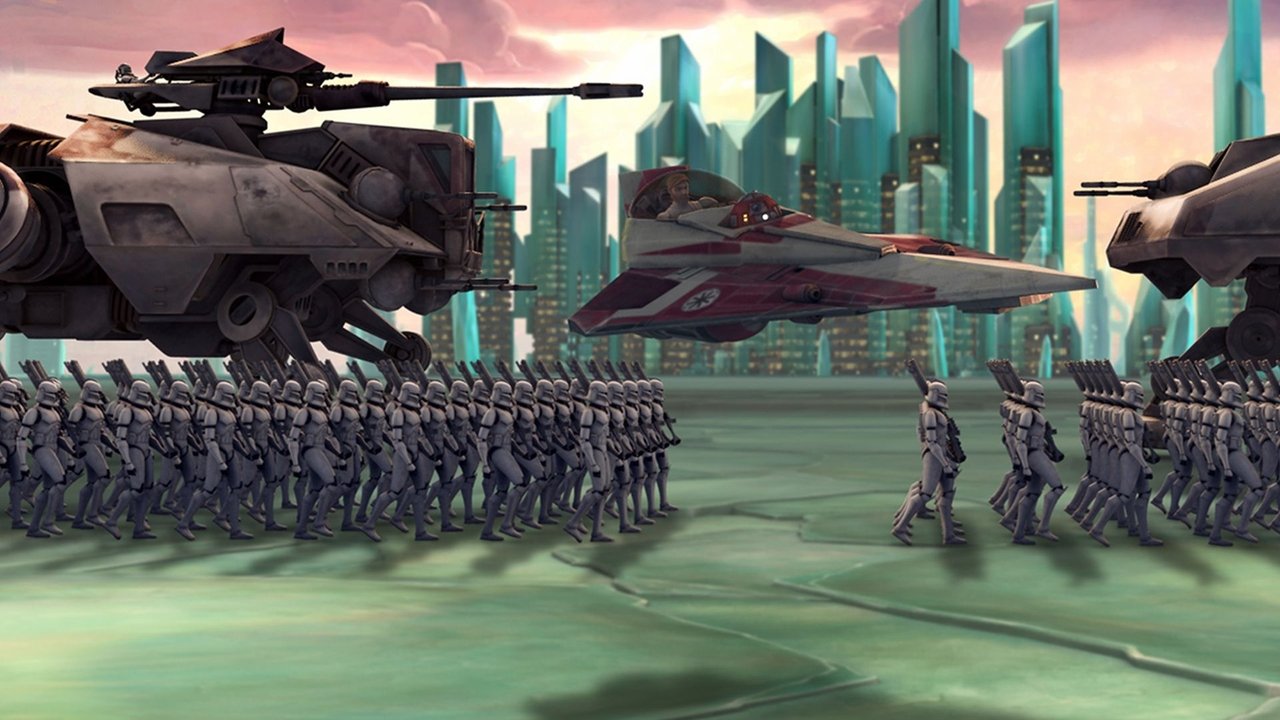
Where the film genuinely shines—and why it’s worth a revisit for action junkies—is in its staging. Unlike the often-static compositions of the live-action prequels, the animation allowed Filoni to go wild with verticality. The Battle of Christophsis, which opens the film, features walkers climbing up a sheer cliff face while Jedi deflect fire from above. It’s creative, high-energy, and ignores the laws of physics in the best way possible.
The animation style itself was inspired by the classic puppet-work of Thunderbirds, which explains why the characters have such chiseled, angular faces. It was a polarizing choice in an era where Pixar was making everything look soft and "real," but it gives the film a distinct, illustrative look. Turns out, the production was working with a budget of only $8.5 million—a pittance for a Star Wars film—which forced the team at Lucasfilm Animation to get incredibly creative with their assets.
The voice cast also had a massive mountain to climb. Replacing Hayden Christensen and Ewan McGregor was no small feat, but Matt Lanter and James Arnold Taylor immediately make the roles their own. Lanter, in particular, gives Anakin a level of heroic charisma and stability that the live-action films often lacked. It’s also a treat to hear Christopher Lee and Samuel L. Jackson return for their roles one last time, even if they're just popping in for a few lines of digital dialogue.
The Birth of the "Snips" Era
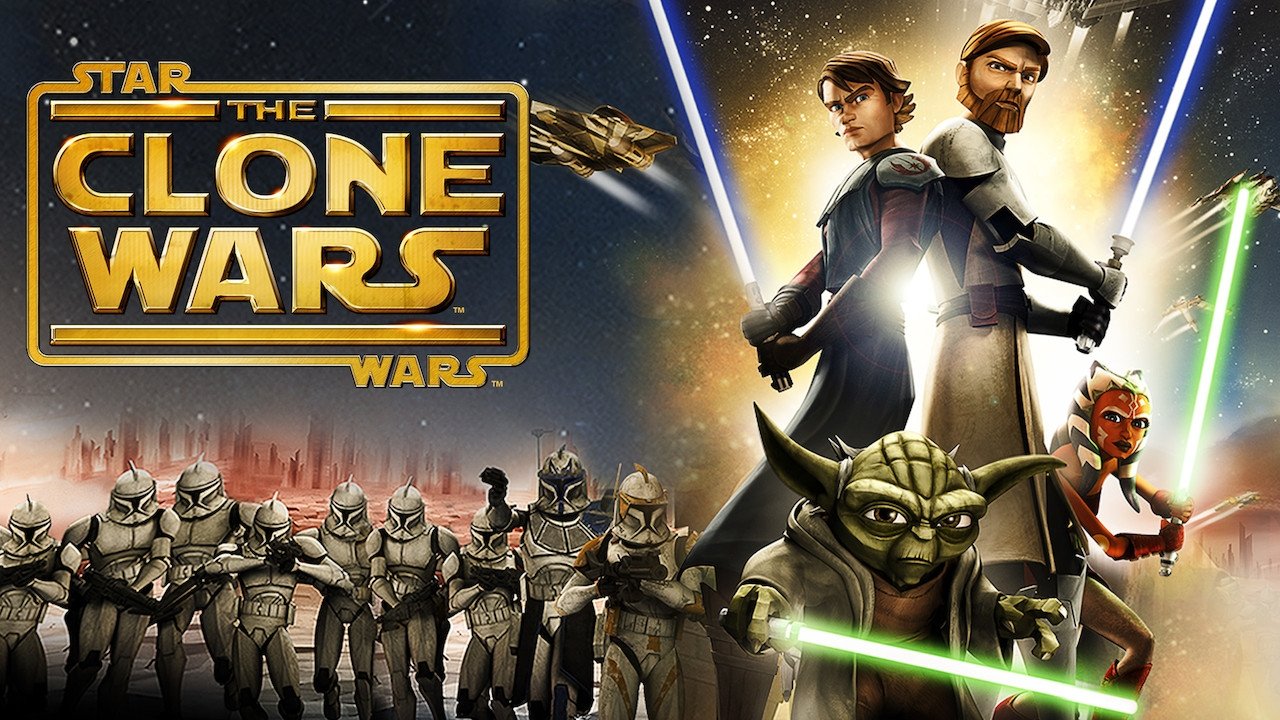
The cult status of this movie is unique because it isn't based on the film's own merits, but on what it enabled. This movie was essentially a "pilot" that almost tanked a franchise, only for the subsequent seven seasons of the TV show to become arguably the best Star Wars content ever made. Apparently, the crew was so rushed that the "movie" was only greenlit a few months before it hit theaters.
One of the coolest details I found out later is that Dee Bradley Baker, who voices every single Clone Trooper, had to develop distinct personalities for hundreds of characters. In this movie, we get our first real taste of Captain Rex, the clone who would go on to have a deeper emotional arc than many of the main Jedi.
If you view The Clone Wars as a standalone movie, it’s a mess. It’s a disjointed, weirdly-paced adventure that spends way too much time on a baby slug. But if you view it as the opening act of a sprawling, 100-hour epic, it’s a fascinating historical artifact. It captures that 2008 transition where CGI was becoming the primary tool for storytelling, and Lucas was willing to take a massive gamble on a medium most people still thought was "just for kids."
Ultimately, The Clone Wars is a victory of legacy over quality. It’s a clunky, often-silly entry in a grand saga, but it’s the entry that gave us the most growth for the characters of Anakin and Obi-Wan. It isn't a masterpiece, but it is the foundation of the modern Star Wars era. If you can get past the "Stinky" of it all, there's a lot of heart under the digital paint.
Keep Exploring...
-
9
2009
-
Atlantis: Milo's Return
2003
-
Journey to the Center of the Earth
2008
-
The Host
2013
-
Hulk
2003
-

Sinbad: Legend of the Seven Seas
2003
-
The Matrix Revolutions
2003
-
AVP: Alien vs. Predator
2004
-
The Island
2005
-
Superman Returns
2006
-

X-Men: The Last Stand
2006
-
Beowulf
2007
-
Fantastic Four: Rise of the Silver Surfer
2007
-
Babylon A.D.
2008
-
Jumper
2008
-
The Incredible Hulk
2008
-

G.I. Joe: The Rise of Cobra
2009
-
Monsters vs Aliens
2009
-
Push
2009
-

X-Men Origins: Wolverine
2009