Step Brothers
"Grown men. Small beds. Big problems."
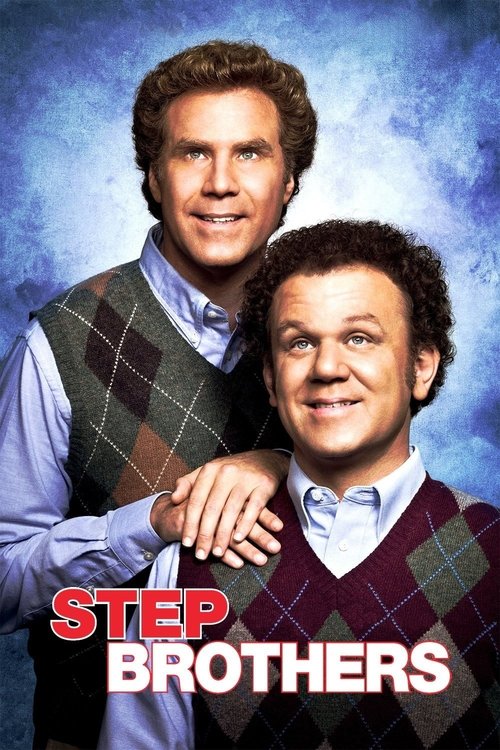
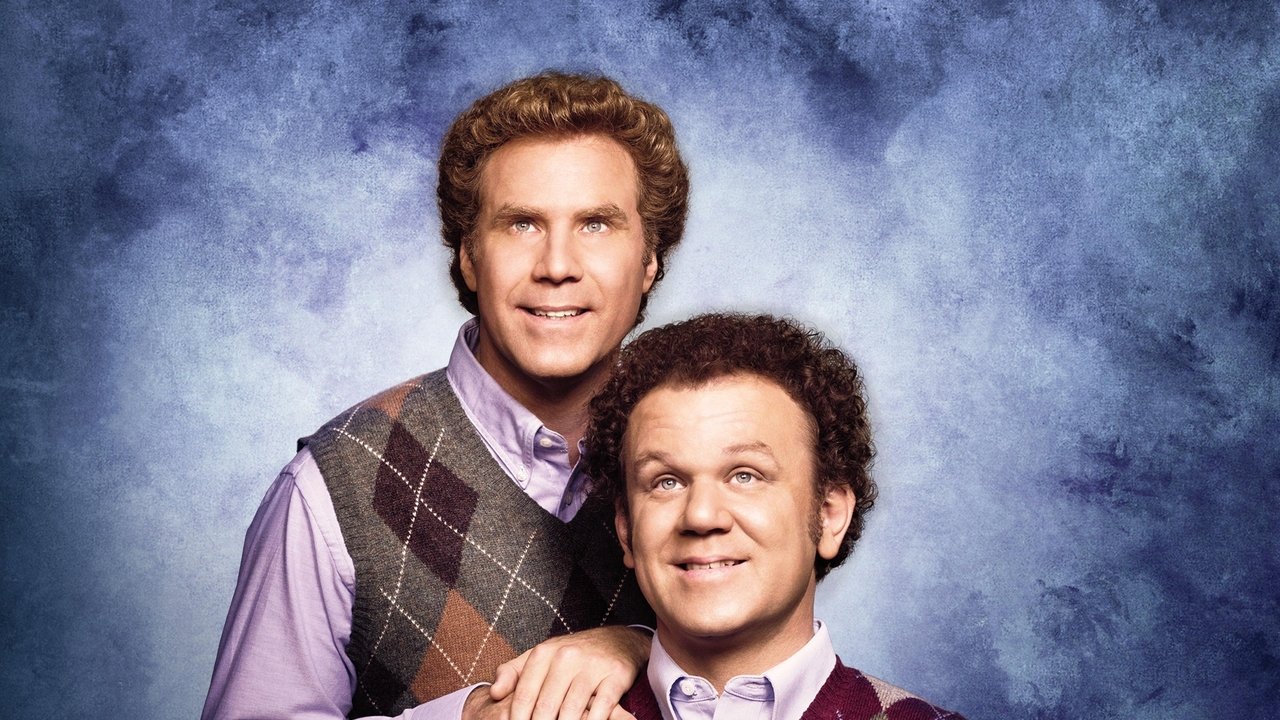
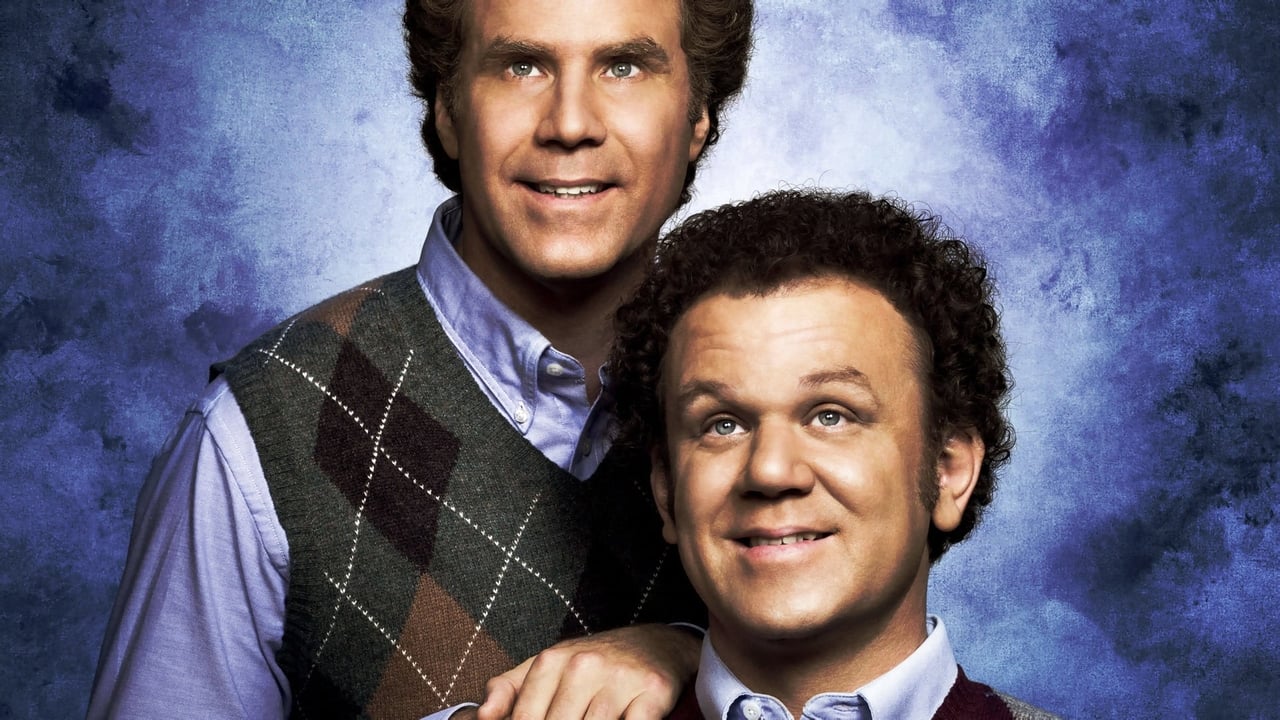
I clearly remember the first time I saw the poster for Step Brothers. It featured Will Ferrell and John C. Reilly in matching sweater vests, staring into the middle distance with the vacant, wide-eyed sincerity of a Sears portrait from 1974. I thought the premise—two middle-aged losers forced to live together when their parents marry—looked like a desperate retread of the "man-child" trope that was everywhere in the late 2000s. I was wrong. I ended up watching it on a flight to Chicago next to a woman who was knitting a very long, very beige scarf, and I laughed so hard I nearly choked on my complimentary pretzels.
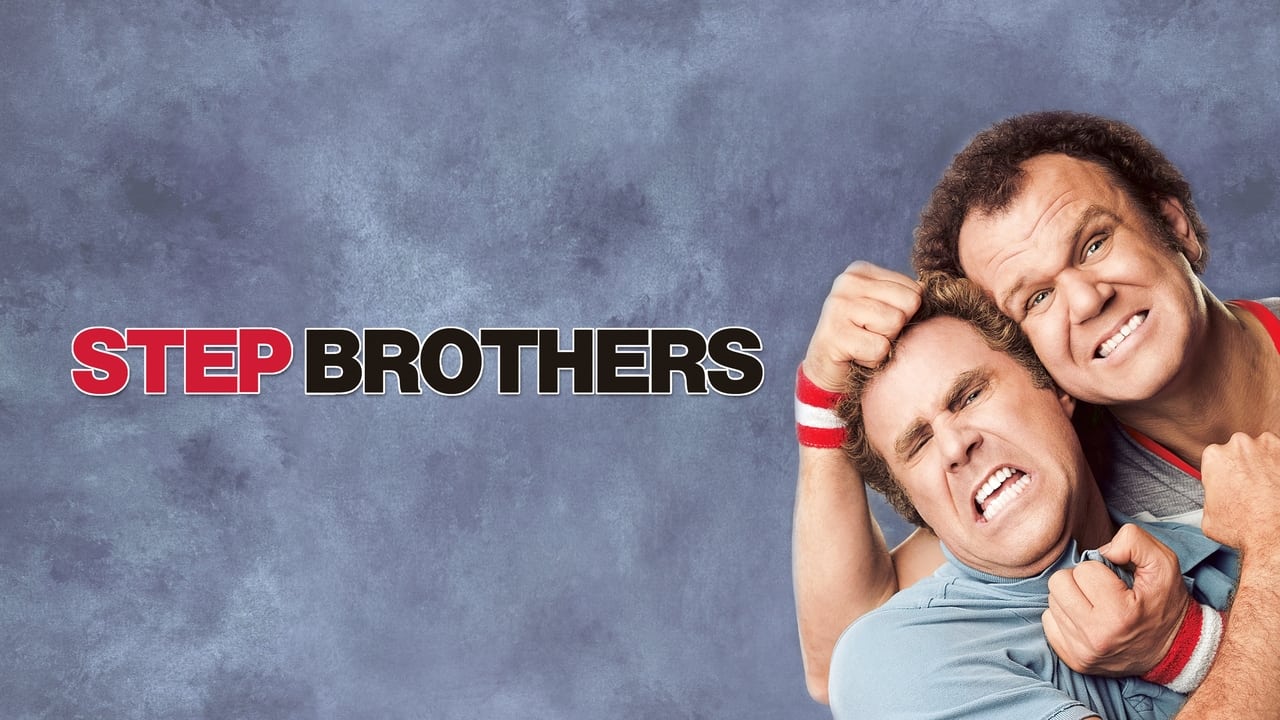
Step Brothers isn't just a comedy; it’s a $65 million avant-garde experiment in pure, unadulterated stupidity. It arrived during the peak of the Judd Apatow-produced comedy boom, a time when the R-rated comedy was king of the box office before the MCU swallowed the theatrical experience whole. Looking back, it feels like the loudest, weirdest, and most enduring scream of that era.
The Art of the Aggressive Man-Child
The film’s success rests entirely on the terrifyingly committed chemistry between Will Ferrell (Brennan) and John C. Reilly (Dale). In the hands of lesser actors, these characters would be unbearable. But Ferrell and Reilly don’t play Dale and Brennan as "men who act like kids." They play them as literal 12-year-olds who happen to be trapped in the bodies of 40-year-olds.
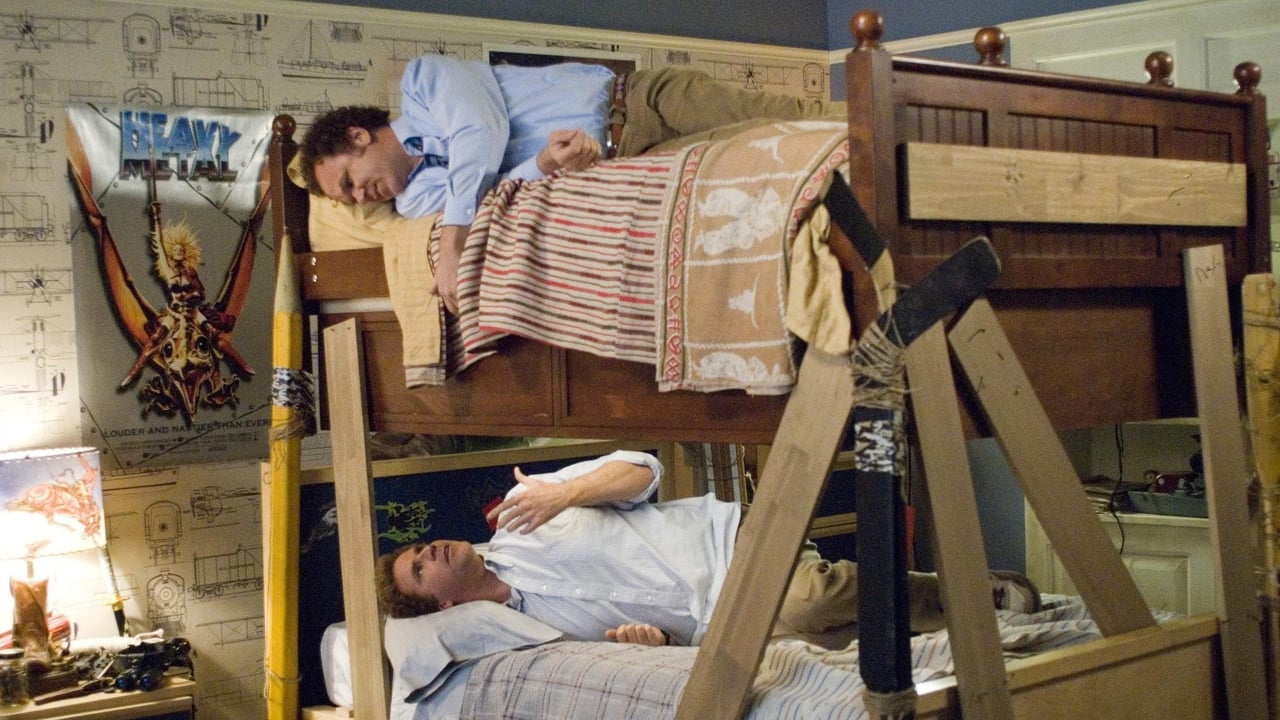
They don't wink at the camera. When Dale warns Brennan not to touch his drum kit, the tension is real. When they build "space-saver" bunk beds that inevitably collapse, the physical comedy is grounded in a weird, desperate logic. Director Adam McKay gives them the room to improvise, and you can feel the DNA of their earlier collaboration, Talladega Nights, evolving into something much more surreal. The humor is rapid-fire and often nonsensical, relying on the rhythm of the delivery rather than the cleverness of the punchline. Derek Huff is the most punchable human being ever committed to celluloid, and that is a testament to the writing and the performances.
Grounding the Chaos
What I didn’t appreciate in 2008, but deeply admire now, is the supporting cast. They are the "straight men" who allow the insanity to flourish. Richard Jenkins as Dr. Robert Doback is the secret MVP. His slow-motion nervous breakdown as his dream of sailing around the world is dismantled by his idiot son is a masterclass in comedic frustration. Opposite him, Mary Steenburgen plays Nancy with a sweet, oblivious grace that makes the boys' behavior feel almost nurtured.
Then there’s the antagonist: Adam Scott as Derek, Brennan’s successful, hyper-masculine, and completely sociopathic biological brother. Scott’s performance, especially during the family car sing-along of "Sweet Child O' Mine," captures a very specific 2000s brand of corporate douchebaggery. And we have to talk about Kathryn Hahn as Alice, Derek’s repressed wife. Her unhinged, predatory pursuit of Dale is one of the funniest, most uncomfortable subplots in modern comedy. She steals every scene she’s in with a feral intensity that signaled her impending rise to superstardom.
From Mixed Reviews to Midnight Screenings
When Step Brothers first hit theaters, the critical reception was… mixed. Many critics felt the "Apatow formula" was wearing thin and that the film was too loud, too crude, and too repetitive. But this is where the DVD culture of the era changed the game. The "unrated" version of the film, packed with hours of deleted scenes and improvisational "line-o-ramas," became a staple of college dorm rooms.
The film didn't just fade away; it mutated into a cult phenomenon. It’s one of the most quotable scripts of the last twenty years. Whether it’s "Boats 'N Hoes," "The Catalina Wine Mixer," or the oddly touching "Por Ti Volare" climax, the film’s language has entered the cultural lexicon. It’s a prime example of a movie that was "old enough to reassess" almost the moment it left theaters. In the context of today’s more polished, focus-grouped comedies, the raw, anarchic energy of Step Brothers feels like a relic from a wilder time.
Stuff You Didn't Notice

Apparently, the prosthetic testicles that Brennan rubs on Dale’s drum kit cost about $20,000 to produce. They were so realistic that the crew kept them in a high-end jewelry box between takes. Also, despite the movie being a celebration of failure, Will Ferrell and John C. Reilly are actually talented singers; that’s really them performing the opera at the end.
The film also captures the tail end of the "analog" world—it’s full of references to MySpace, Hulk Hands, and the obsession with high-definition TV that defined the late 2000s. There’s a scene where they’re excited about a "plasma TV" that looks like a giant brick by today’s standards. It’s a time capsule of a decade that was trying very hard to be modern while being populated by characters who refused to grow up.
In a world of subverted expectations and gritty reboots, Step Brothers remains a pure, unapologetic joy. It is a film that understands that sometimes, the smartest thing you can do is be as stupid as possible. I don't care if it's "juvenile" or "crass"—it’s a film that makes me feel like a kid again, even if I'm now old enough to sympathize with Richard Jenkins and his ruined boat. It’s a modern classic that earned its status one drum set at a time.
Keep Exploring...
-
Anchorman: The Legend of Ron Burgundy
2004
-

The Other Guys
2010
-
Talladega Nights: The Ballad of Ricky Bobby
2006
-
Anchorman 2: The Legend Continues
2013
-
Megamind
2010
-
The Secret Life of Walter Mitty
2013
-
Vice
2018
-

Don't Look Up
2021
-
Stranger Than Fiction
2006
-
Fun with Dick and Jane
2005
-
Elf
2003
-

Blades of Glory
2007
-
Semi-Pro
2008
-
The Campaign
2012
-

Leap Year
2010
-
Hall Pass
2011
-

The Cabin in the Woods
2012
-
Anger Management
2003
-
Bad Boys II
2003
-
Daddy Day Care
2003