Synecdoche, New York
"A life-sized replica of a heart breaking."
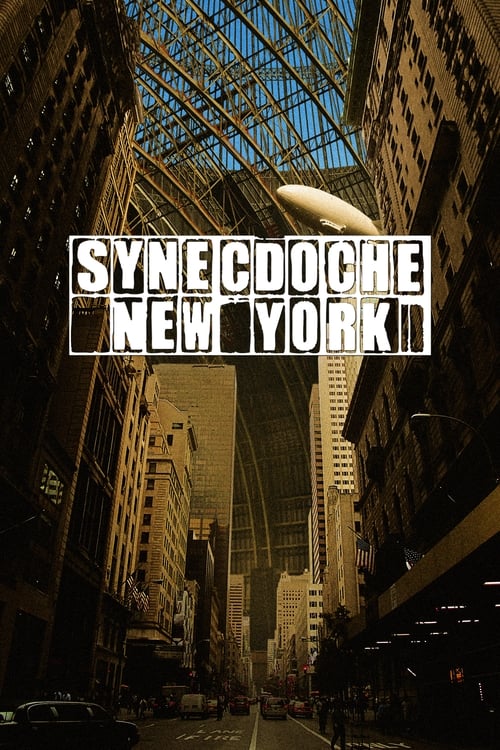
I’m not going to lie to you: the first time I sat down with Synecdoche, New York, I was prepared to hate it. It was 2008, I was clutching a lukewarm Diet Coke in a half-empty theater, and the buzz was that Charlie Kaufman—the brain behind Being John Malkovich—had finally gone off the deep end. By the time the credits rolled, I felt like I’d been through a car wash without the car. I walked out into the humid night air and spent twenty minutes just staring at my own hands, wondering if I was a secondary character in someone else's play.
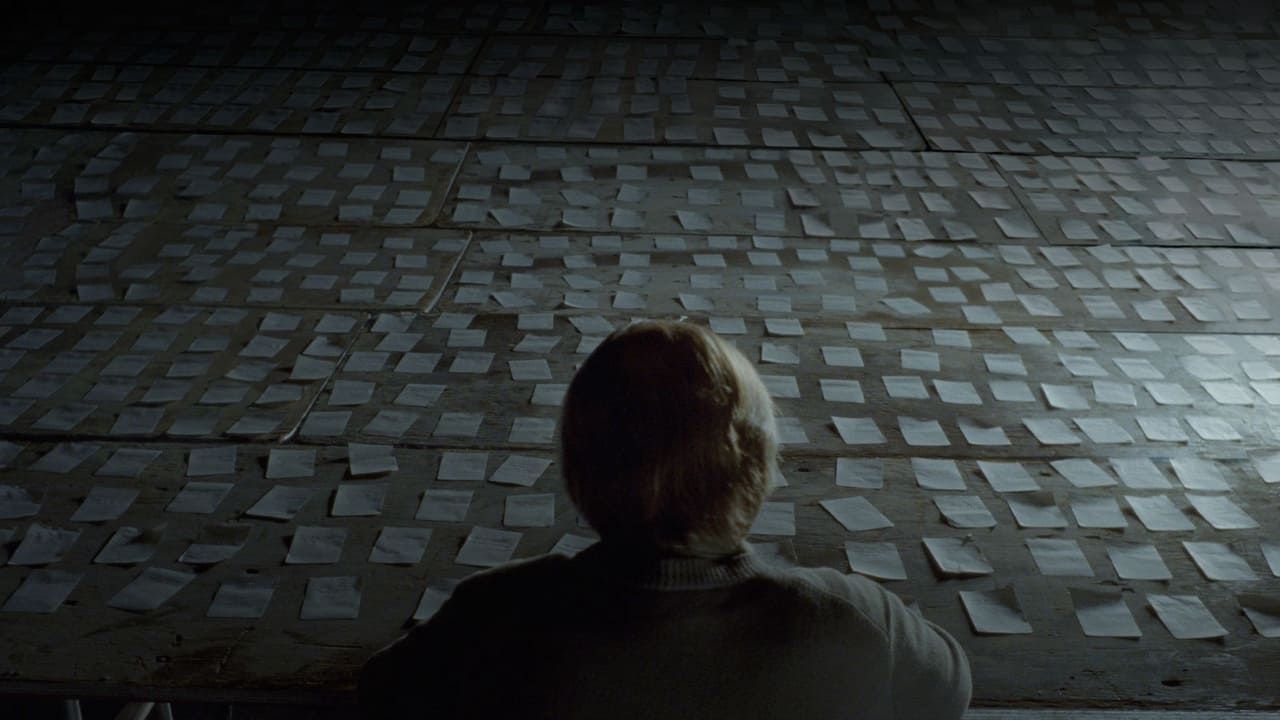
This movie is a lot. It’s a dense, sprawling, architectural nightmare of a drama that somehow manages to be the most intimate thing you’ve ever seen. It’s also one of those films that practically vanished from the public consciousness because it’s "difficult," which is code for "it doesn't have a post-credits scene where a guy in spandex mentions a magic cube."
The Logistics of a Nervous Breakdown
The setup is deceptively simple, then it isn't. Philip Seymour Hoffman plays Caden Cotard, a theater director in Schenectady whose life is leaking. His wife, Adele (Catherine Keener), leaves for Berlin with their daughter and a suitcase full of resentment. His body is literally failing him—pustules, blurred vision, the works. Then, he wins a MacArthur "Genius" Grant. Instead of buying a nice condo and retiring, Caden decides to build a life-sized replica of Manhattan inside a massive warehouse to stage a play that is "brutally honest."
Philip Seymour Hoffman was always the master of the "crumpled man," but here he’s transcendent. He plays Caden with a heavy-lidded, shuffling desperation that makes you want to hand him a tissue and a map. As the years (and decades) pass inside the warehouse, the scale of his production becomes impossible. He hires actors to play himself, then actors to play the actors playing himself. It’s the most expensive therapy session ever recorded on 35mm.
I watched this again recently on an old DVD—remember those? The special features are hilariously brief because Kaufman famously refuses to explain what the hell is going on. Watching it now, I was struck by how much it captures that Y2K-era anxiety about legacy and the internet’s dawn, where we all started becoming the directors of our own digital lives.
A Warehouse Large Enough for the Soul
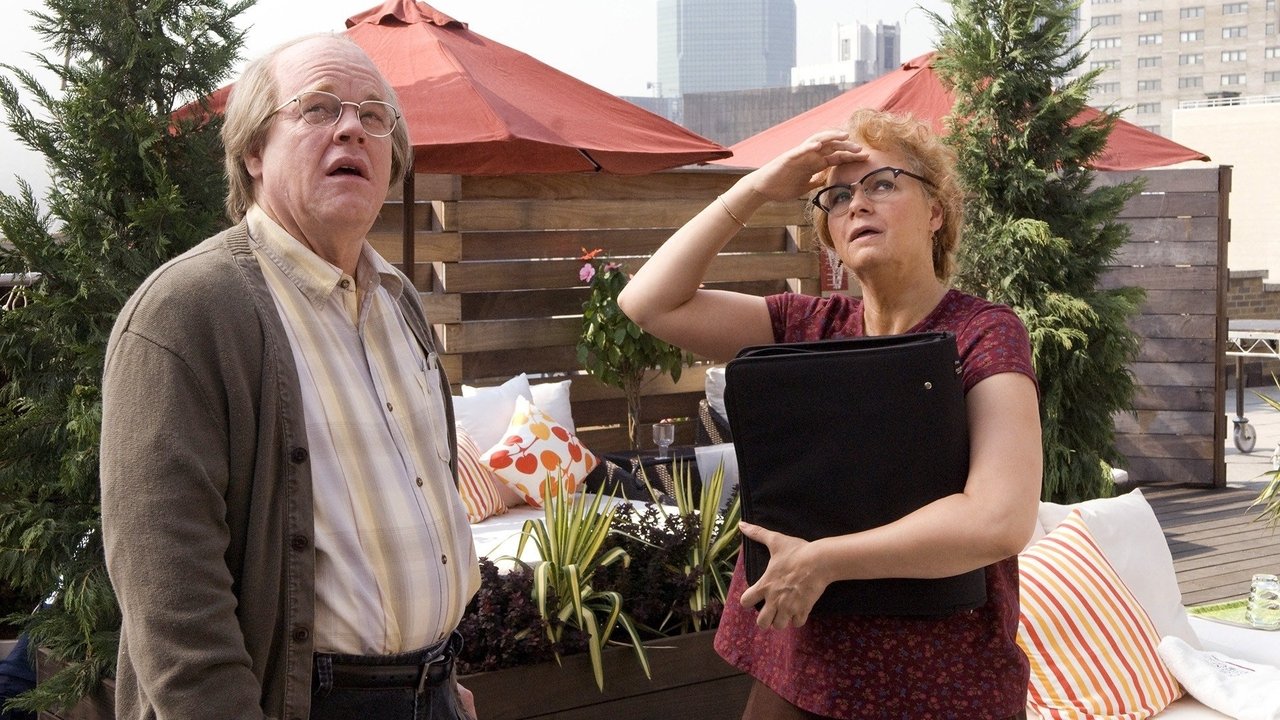
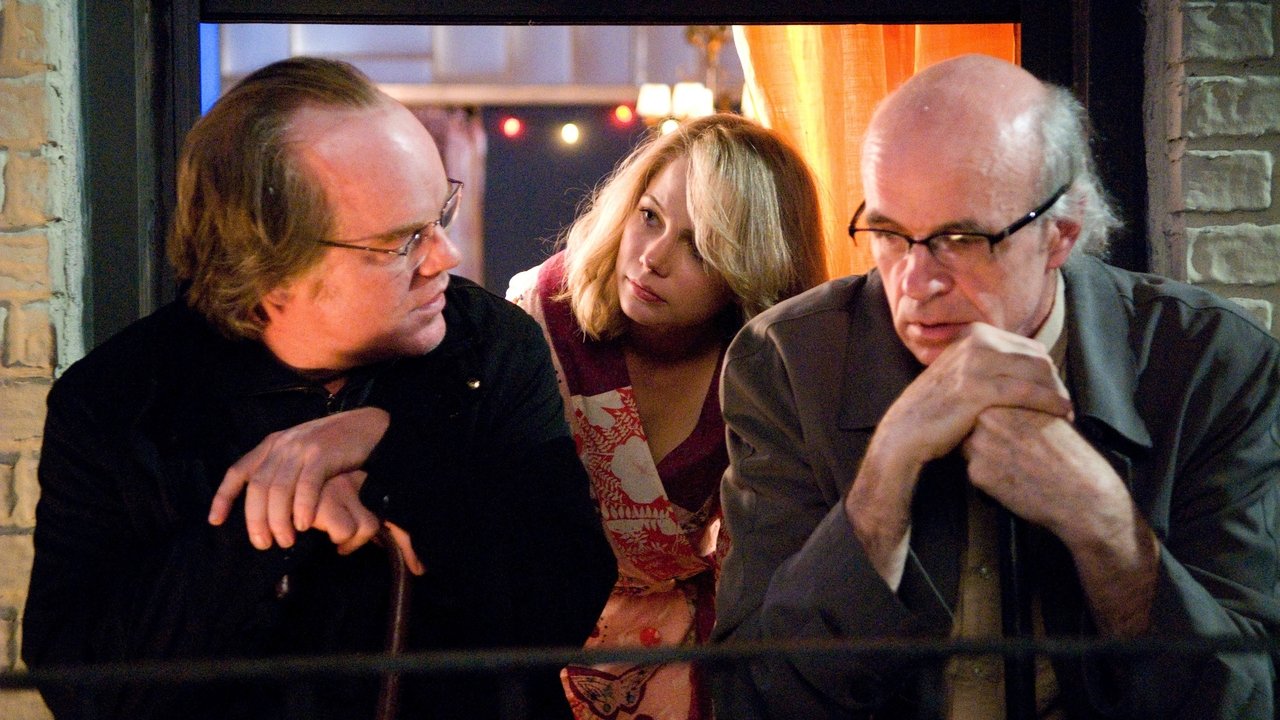
The supporting cast is a "who’s who" of talent that would make any modern casting director weep. Samantha Morton is Hazel, the woman who lives in a house that is perpetually on fire (a metaphor that the film treats with literal, smoky nonchalance). Michelle Williams and Emily Watson bring layers of grounded reality to a world that is rapidly folding in on itself.
But the real star is the production design. As Caden’s warehouse city grows, the sets become more intricate than the real world. There’s a specific scene involving Dianne Wiest taking over Caden’s role that shifted something in my brain the first time I saw it. It’s about the erasure of the self—the idea that eventually, we all just become "the director" or "the mother" or "the patient" until there’s nothing left.
Watching this movie is like trying to organize a junk drawer while the house is on fire. It’s messy, it’s frustrating, and it’s occasionally hilarious in a very dark, "we're all going to die" sort of way. Jon Brion’s score underscores this perfectly; it’s whimsical but carries a funeral beat underneath.
Why It Vanished (And Why to Find It)
So, why don't we talk about this movie more? It’s a "Modern Cinema" casualty. Released in 2008, it was a $20 million indie experiment that made less than $5 million. It was too big for the art-house crowd and too weird for the multiplex. It’s a film that demands you pay attention to every background detail, which is a big ask for a casual Friday night.
I watched this on a Tuesday night while my neighbor was loudly practicing the tuba, and honestly, the brassy dissonance felt like a 4D cinematic upgrade.
The film doesn’t offer easy answers. It asks: How do you capture a life? Can you ever truly know another person? Is it possible to be the hero of your own story when you’re clearly the villain in someone else’s? It captures that post-9/11 sense of impending doom and the "Everything, Everywhere" feeling of the digital age before that was even a thing.
If you’re looking for a tight, three-act structure, stay far away. But if you want a film that feels like a living, breathing organism—one that changes every time you watch it—this is the one. It’s a drama that treats the human psyche like a construction site. It’s terrifying, beautiful, and deeply, deeply human.
Synecdoche, New York is a masterpiece that almost nobody saw, and those who did often felt attacked by it. It’s a film that requires you to meet it halfway, or maybe three-quarters of the way. It’s a reminder of a time when directors were given millions of dollars to just... see what happened. We might never get another one like it, so go ahead and get lost in the warehouse. Just make sure you can find the exit.
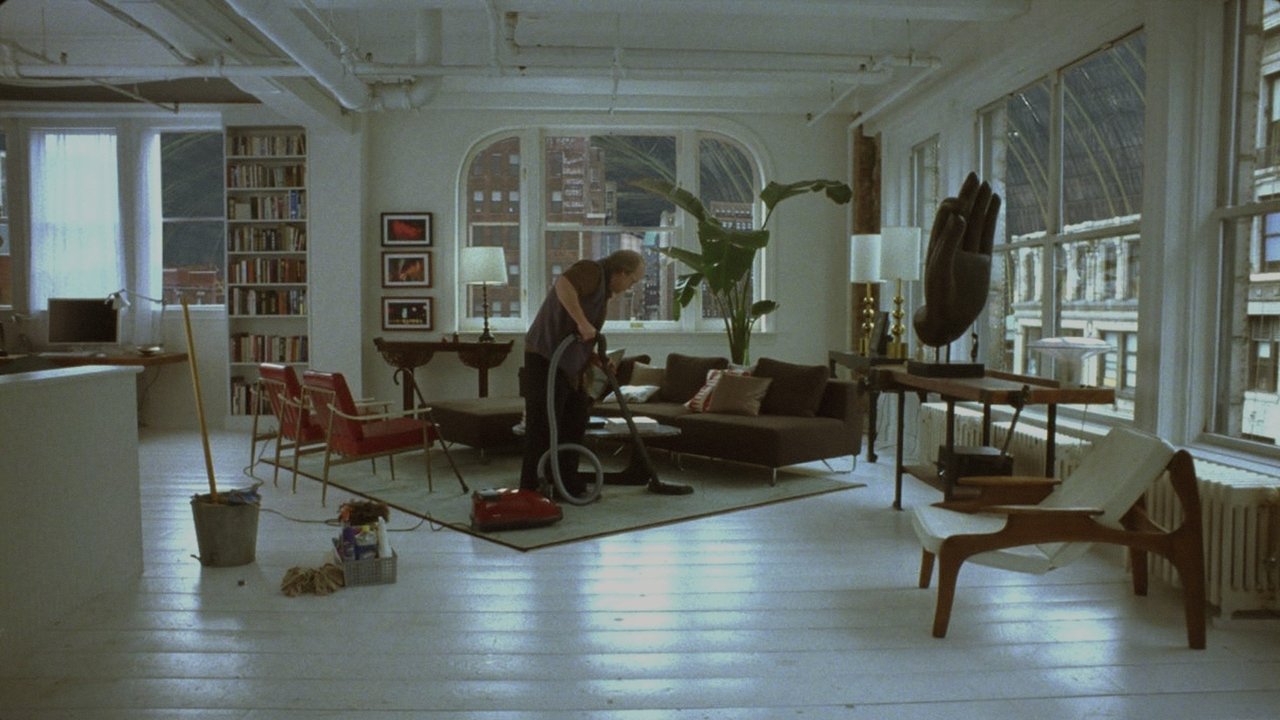

Keep Exploring...
-
Anomalisa
2015
-
Capote
2005
-
Control
2007
-

The Fall
2006
-
Before the Devil Knows You're Dead
2007
-
Nebraska
2013
-
The Sea Inside
2004
-

Evangelion: 1.0 You Are (Not) Alone
2007
-
The Diving Bell and the Butterfly
2007
-
Il Divo
2008
-

Evangelion: 2.0 You Can (Not) Advance
2009
-

My Name Is Khan
2010
-

A Separation
2011
-
Detachment
2011
-
From Up on Poppy Hill
2011
-
Amour
2012
-
Laurence Anyways
2012
-
Instructions Not Included
2013
-

The Tale of The Princess Kaguya
2013
-
Brokeback Mountain
2005