Taken
"He’s not a father; he’s a one-man extinction event."
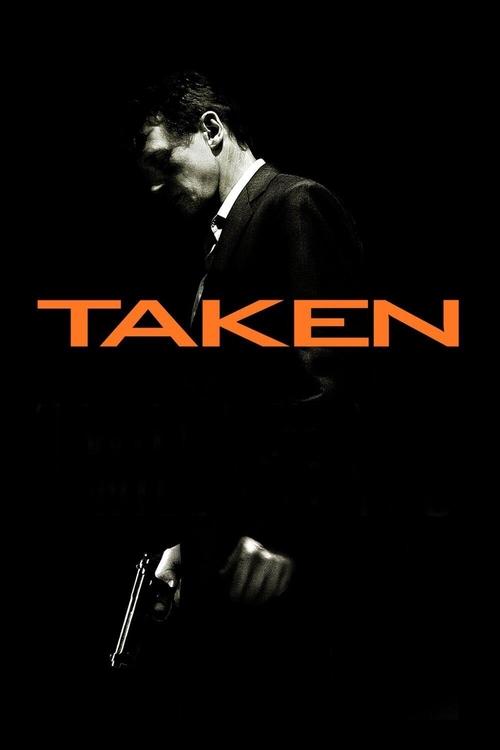
There is a specific, cold frequency in Liam Neeson’s voice during that phone call—you know the one—that changed the trajectory of 21st-century action cinema. I remember watching this for the first time on a grainy DVD I’d rented while nursing a terrible head cold and eating a suspiciously grey airport sandwich, and even through the sinus pressure, that monologue cut through the fog. "I will look for you, I will find you, and I will kill you." It wasn't just a threat; it was a mission statement for a new era of "Geri-action" stars.
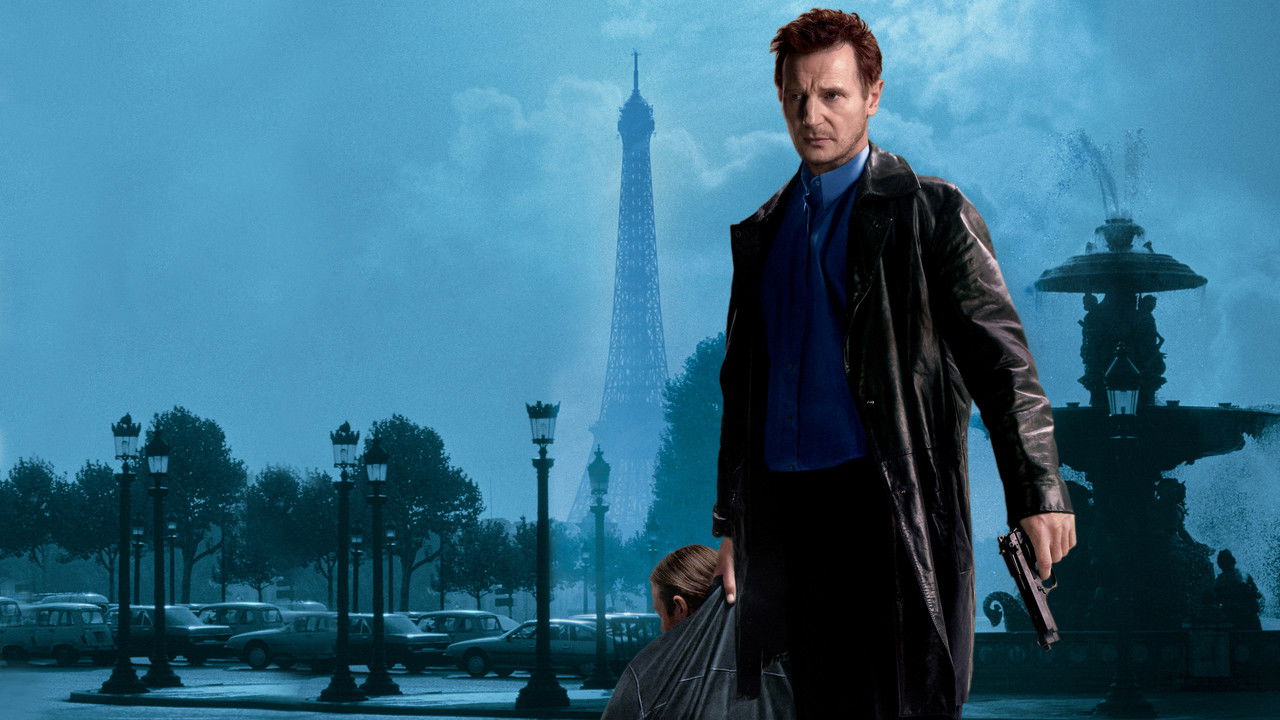
Before 2008, Liam Neeson was the guy you hired to be the wise mentor or the grieving widower. He was the soulful giant of Schindler’s List and Love Actually. Then Pierre Morel and Luc Besson handed him a handgun and a tuxedo in Paris, and suddenly, he became a human meat grinder. Looking back, Taken is the quintessential "Dad-fantasy" movie, arriving exactly when the world felt increasingly chaotic and parents were looking for a protagonist who could navigate a terrifying, globalized world with nothing but a flip phone and a "particular set of skills."
The Birth of the Neeson-Verse
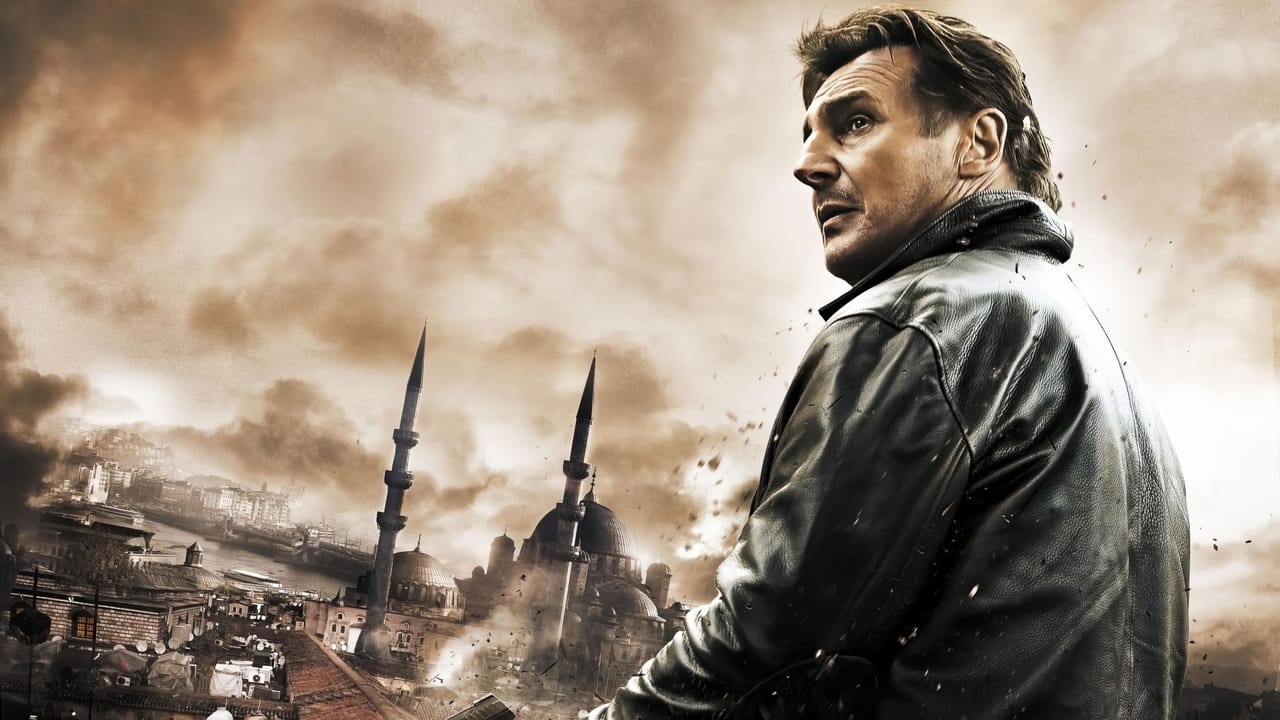
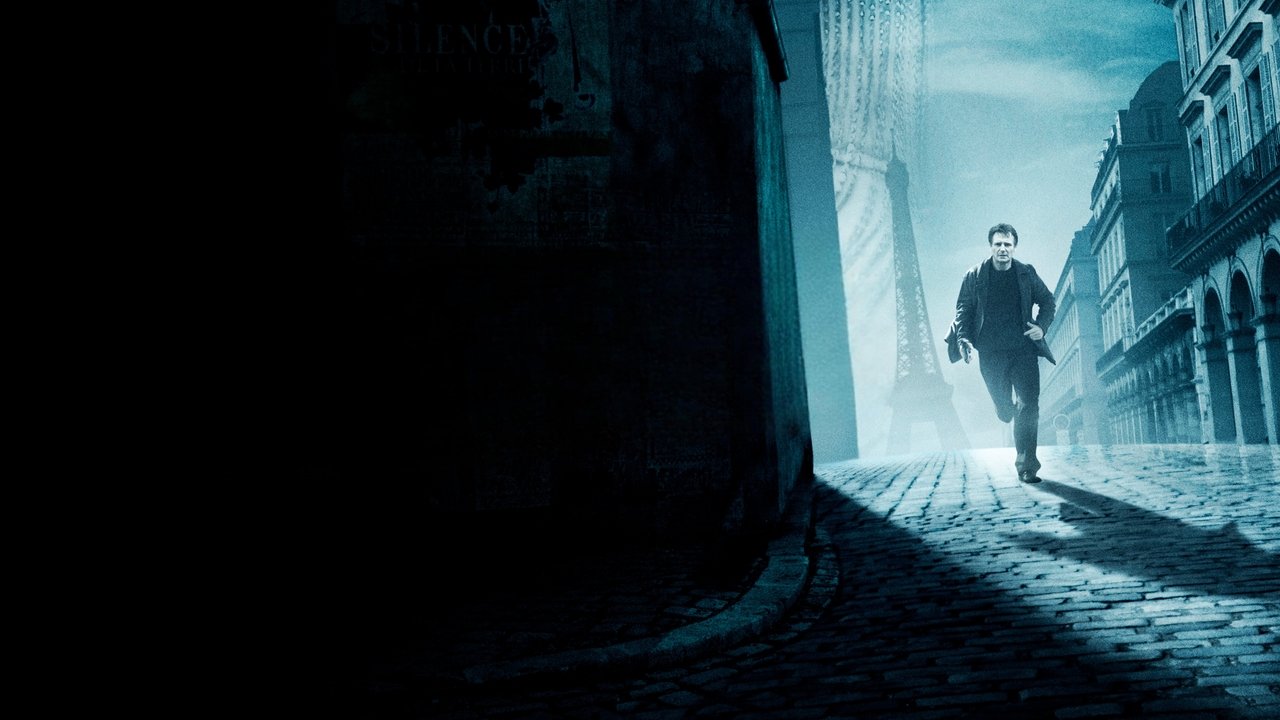
The genius of Taken lies in its lean, mean efficiency. At a brisk 94 minutes, it doesn’t waste a second on unnecessary subplots. We get the setup: Bryan Mills is a retired "preventer" who is failing at civilian life. He’s the dad who buys his daughter a karaoke machine when she wants a horse, a man whose hyper-vigilance has cost him his marriage to Lenore (Famke Janssen). When his daughter Kim (Maggie Grace) heads to Paris and gets snatched within hours of landing, the film shifts gears from a domestic drama into a relentless, high-speed chase through the Parisian underworld.
Pierre Morel, who had previously directed the parkour-heavy District 13, brings a frantic, jagged energy to the cinematography. This was the height of the "shaky-cam" era, but unlike the later Bourne sequels where you couldn't tell a fist from a foot, Taken manages to keep the brutality legible. The fight choreography is grounded in Krav Maga—it’s not flashy, it’s not cinematic "kung-fu." It’s Bryan Mills poking out eyes, breaking throats, and using a construction light to electrocute a human trafficker in a chair. Bryan Mills makes Jason Bourne look like a pacifist librarian.
A Masterclass in Mid-Budget Domination
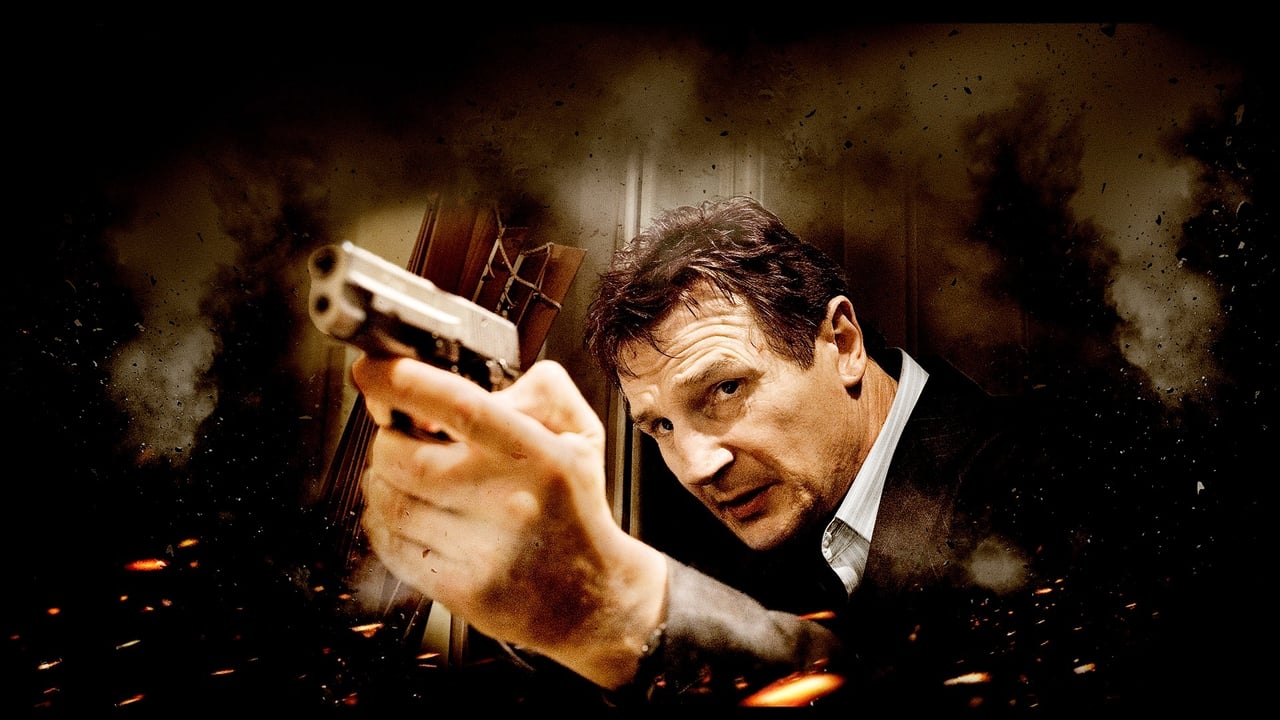
In terms of industry impact, Taken was a massive disruptor. Produced by Luc Besson’s EuropaCorp for a modest $25 million, it went on to gross over $226 million worldwide. It’s the ultimate "sleeper hit" story. Interestingly, Liam Neeson actually signed onto the film because he wanted to spend four months in Paris and learn some karate; he fully expected the movie to go straight-to-video. He figured it would be a fun little blip on his resume. Instead, it launched a trilogy and turned him into the most sought-after action star of the 2010s, leading to a decade of "Neeson-in-a-snowstorm" or "Neeson-on-a-plane" movies.
The film also captures a very specific post-9/11 anxiety about the "unsafe" world beyond American borders. The film treats Paris with the same suspicion a toddler treats broccoli. It taps into the nightmare of human trafficking with a grim, unblinking intensity that makes it feel much darker than your standard Bond or Mission: Impossible outing. There are no gadgets here, just a man who knows how to use a car battery to get information. It’s visceral, often uncomfortable, and wildly effective because the stakes are so primal.
Behind the Skills and the Scars
What’s fascinating about the production is how much of it relied on Neeson's physical presence. Despite being 56 at the time, he did a significant portion of his own stunts, working closely with stunt coordinator Mick Gould to ensure the movements felt like those of a professional soldier rather than an acrobat. The film’s "skills" speech, which has since been parodied into oblivion, was almost trimmed down in the editing room because Luc Besson initially thought it was too long. Thankfully, they kept it, creating arguably the most iconic piece of dialogue of the 2000s.
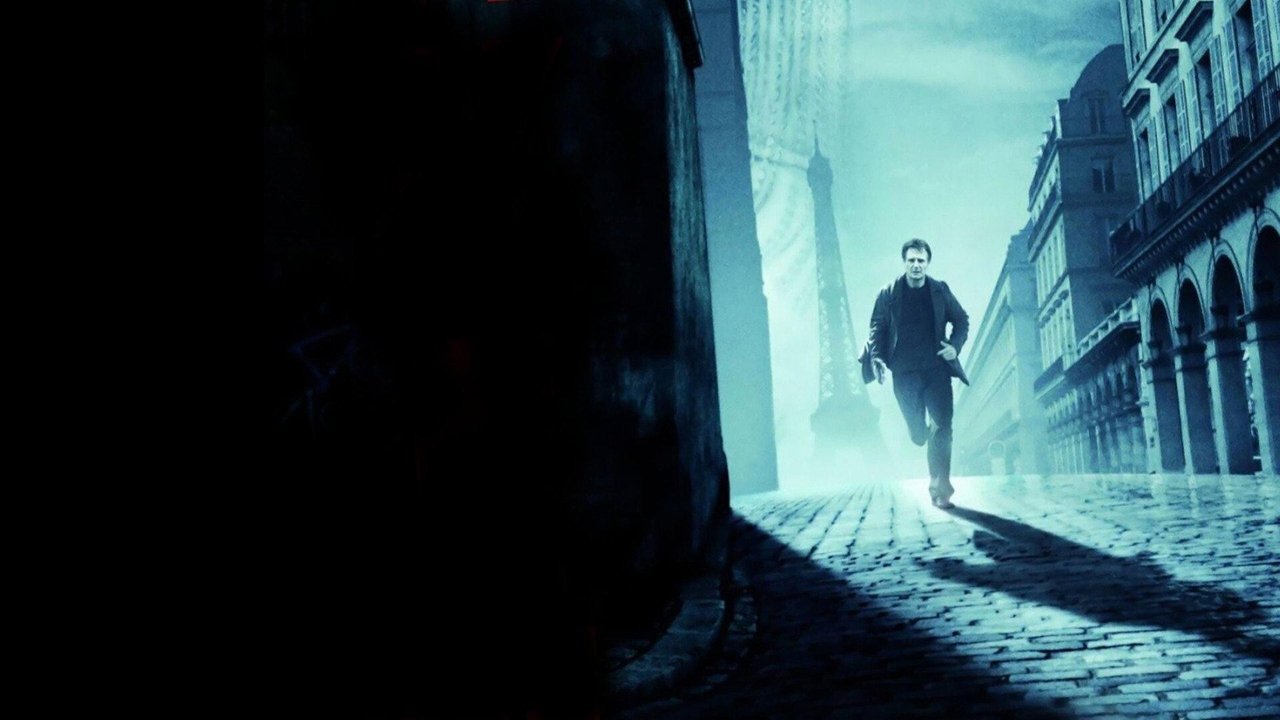
The financial success of Taken proved that there was a massive, underserved audience for R-rated (or hard PG-13) action movies featuring protagonists over the age of 50. It paved the way for the John Wicks and Equalizers of the world. It’s also a testament to the "Besson-style" of filmmaking: fast-paced, slightly xenophobic, and relentlessly entertaining. While some of the editing choices feel a bit "MTV-circa-2005" today, the sheer momentum of the film carries it over any logical potholes (like how Bryan manages to murder half of Paris without the local police doing much more than a shrug).
Ultimately, Taken works because it doesn't try to be anything other than a high-octane rescue mission. It’s a lean, mean machine that transformed a dramatic heavyweight into a legendary action icon. While the sequels eventually descended into self-parody and increasingly choppy editing, the original remains a tight, dark, and deeply satisfying thriller. It reminds us that sometimes, the most terrifying monster in the room is just a really, really angry dad with a clear goal. If you haven't revisited it lately, do yourself a favor—just maybe don't watch it right before your kids head off on a study abroad program.
Keep Exploring...
-
Taken 2
2012
-
Taken 3
2014
-
District B13
2004
-

Captain Phillips
2013
-

Kill Bill: Vol. 2
2004
-
Unknown
2011
-
Nikita
1990
-

The Matrix Reloaded
2003
-
The Bourne Supremacy
2004
-
Casino Royale
2006
-
The Bourne Ultimatum
2007
-
Fast Five
2011
-
Mission: Impossible - Ghost Protocol
2011
-
Rise of the Planet of the Apes
2011
-

Skyfall
2012
-

The Dark Knight Rises
2012
-
The Hunger Games
2012
-
The Hunt for Red October
1990
-
The Fugitive
1993
-
Speed
1994