The Bank Job
"The best secret the British government ever kept."
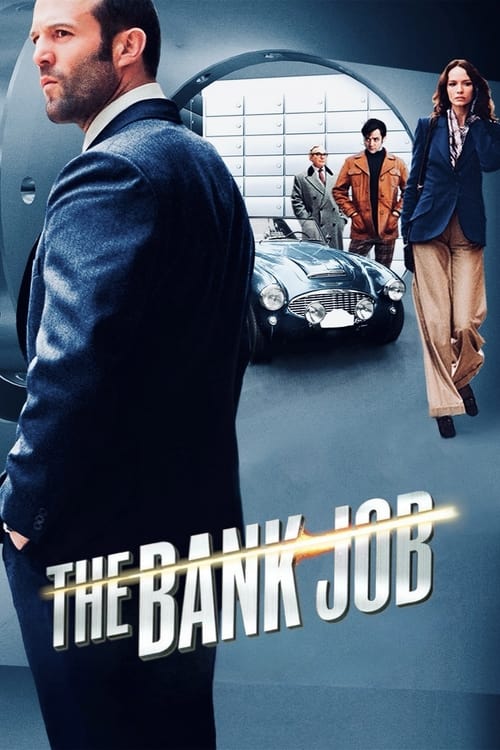
In 1971, a group of thieves tunneled into a Lloyds Bank vault in London, stayed there for the weekend, and walked out with millions in cash and jewelry. The weirdest part? The government allegedly issued a "D-Notice" to the press, effectively gagging the media and scrubbing the story from the headlines within days. I first watched The Bank Job on a grainy DVD I borrowed from a coworker who swore it was "better than Ocean’s Eleven because it actually happened." I watched it while nursing a moderately severe sunburn and eating an entire bag of salt and vinegar crisps that eventually made my tongue feel like it had been sanded down—but honestly, the movie was so gripping I barely noticed the pain.
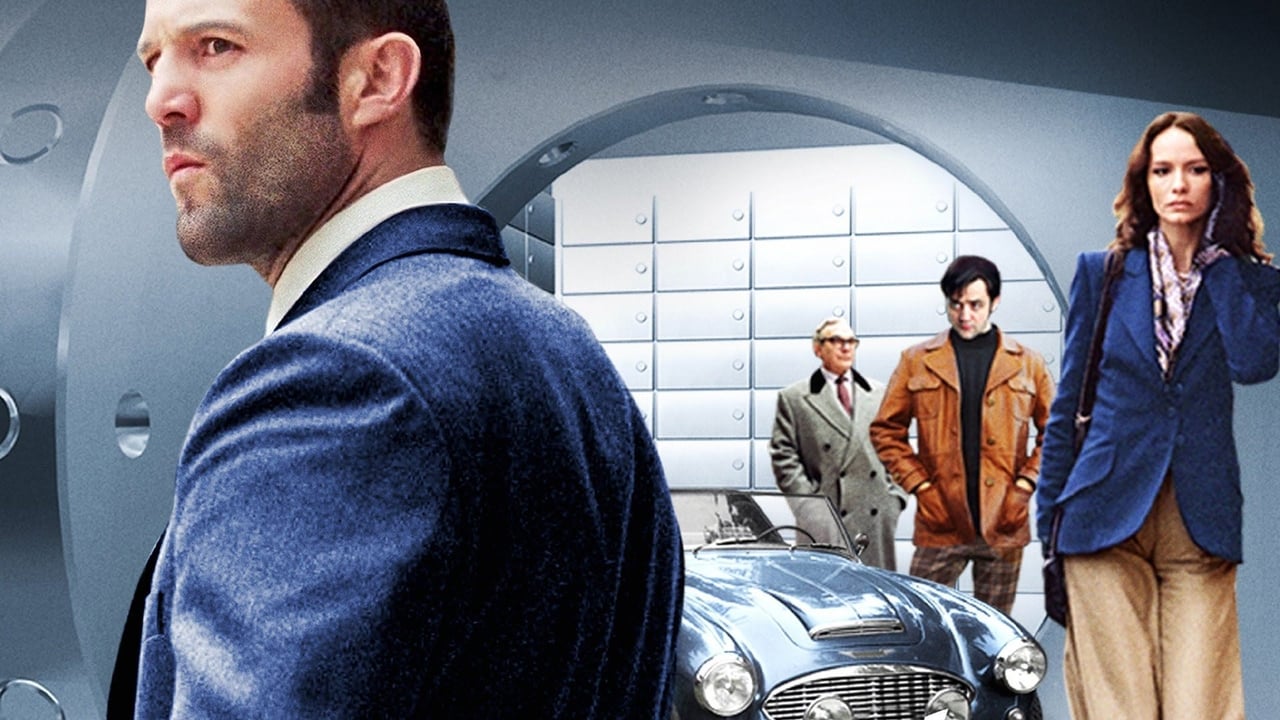
What makes The Bank Job such a standout in the mid-2000s landscape of crime thrillers is its refusal to be "cool." While the late 90s and early 2000s were obsessed with the hyper-stylized, fast-cutting energy of Guy Ritchie clones, director Roger Donaldson (who also gave us the underrated No Way Out) opted for something much more grounded. It’s a dirty, brown-tinted, bell-bottomed look at a heist that starts as a simple "get rich quick" scheme and rapidly spirals into a terrifying political conspiracy involving MI5, radical activists, and the royal family.
Statham Packs Away the Roundhouse Kicks
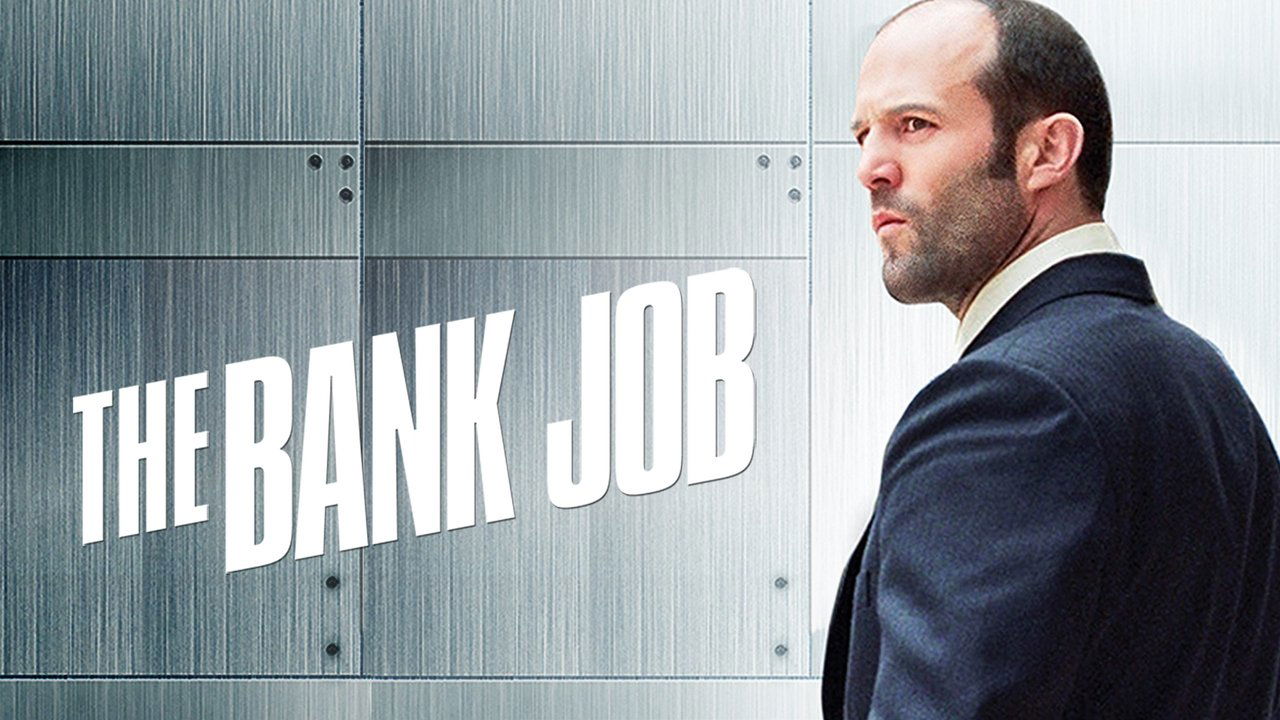
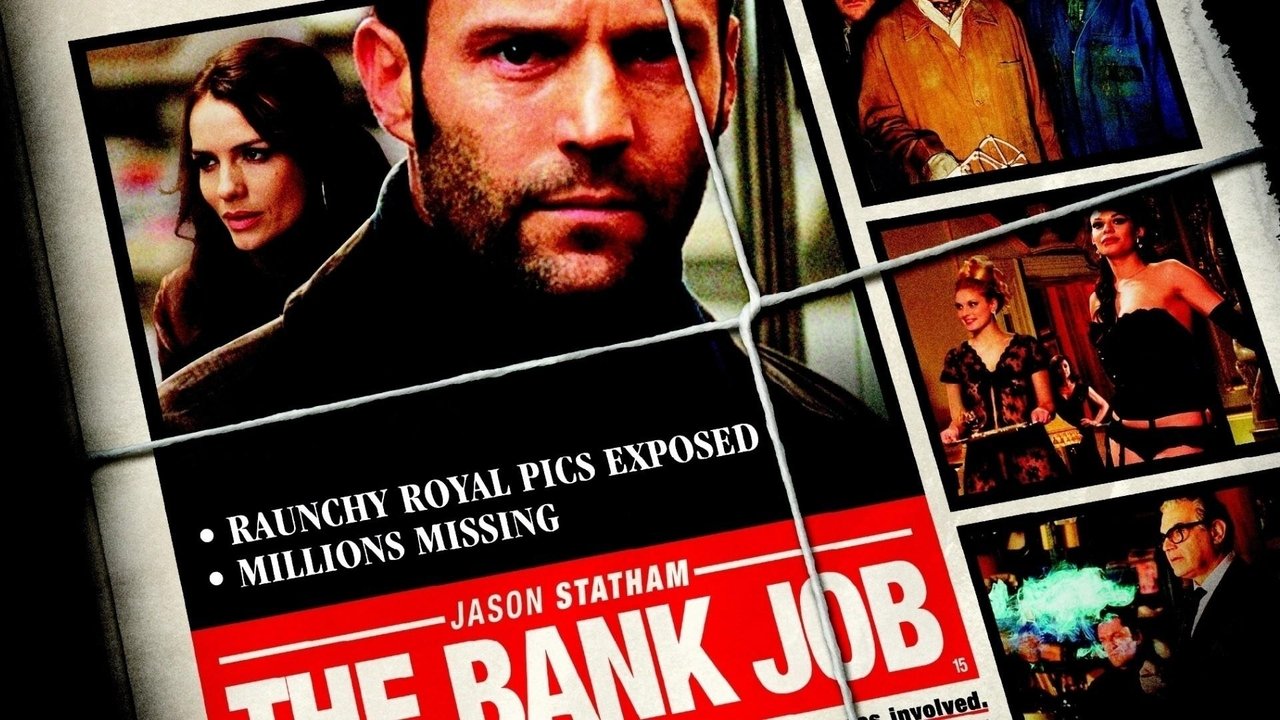
The biggest surprise here, especially looking back from an era where he’s a centerpiece of the Fast & Furious machine, is Jason Statham. In 2008, we were used to him being an invincible superhuman. Here, as Terry Leather, he’s just a guy. He’s a struggling car dealer with a wife and kids, a man who is clearly out of his depth once the vault door swings open. It’s arguably his best performance because he’s allowed to be vulnerable. When he’s staring at photos he was never meant to see—allegedly involving Princess Margaret in a compromising position—you can see the gears turning: he’s realized he hasn't just stolen money; he’s stolen a death warrant.
Saffron Burrows plays Martine Love, the femme fatale who lures Terry into the job. She brings a chilly, desperate elegance to the role, acting as the bridge between the street-level crooks and the shadowy upper-class handlers. The chemistry isn't about romance; it's about mutual survival. The ensemble is rounded out by fantastic character actors like Daniel Mays and Stephen Campbell Moore, who make the "gang" feel like actual friends rather than a collection of heist movie archetypes. The fact that this movie didn't launch Daniel Mays into immediate global superstardom is a crime worse than the robbery itself.
A Heist Movie with a Soul
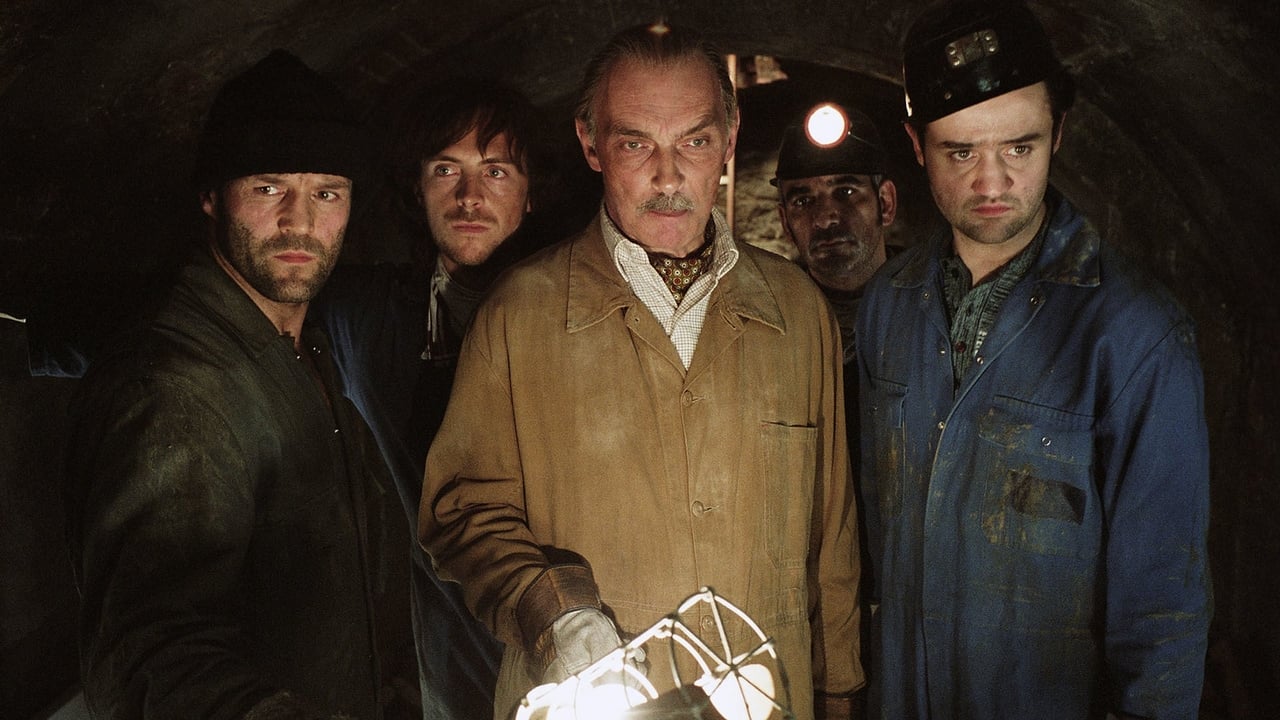
The film excels in the "Modern Cinema" era by utilizing that brief window where digital effects were becoming standard, but practical grit still reigned supreme for mid-budget thrillers. There’s a tactile nature to the tunneling scenes. You can almost smell the damp earth and the grease. It feels like a 70s movie made with 2000s precision. The tension doesn't come from "will they get caught by the cops?" but rather "which of these five different corrupt organizations is going to kill them first?"
Interestingly, the film relies heavily on a real-life recording. During the actual 1971 heist, a ham radio operator named Robert Rowlands accidentally intercepted the walkie-talkie transmissions between the lookouts and the thieves. In the movie, this sequence is the engine of the second act. It’s agonizing to watch the police slowly realize a robbery is happening somewhere in London while the thieves are blissfully unaware they’re being broadcast across the city. Apparently, the real Rowlands was still alive when the film was made and served as a consultant, ensuring the radio jargon and the sheer panic of the moment were captured authentically.
The Cult of the Baker Street Robbery
Despite being a solid box office success, The Bank Job has grown into a definitive cult favorite because it’s so endlessly rewatchable. It’s the "dad movie" that everyone actually likes. It bypasses the flashiness of the Italian Job remake and goes straight for the throat with its cynical view of British authority.
Stuff You Might Have Missed:
The production team went to extreme lengths for accuracy, even tracking down the original 1970s magazines that were found in the vault during the real investigation. Jason Statham performed almost all of his own stunts, including the precarious dangling and climbing, which is par for the course for him, but adds a layer of physical reality to Terry's desperation. The "Michael X" character, played by Peter de Jersey, was a real-life Black Power militant whose private files were a primary target of the real-life MI5 raid. The film’s screenplay was written by Dick Clement and Ian La Frenais, the legendary duo behind The Commitments, which explains why the dialogue feels so lived-in and sharp. * While the Princess Margaret photos are the film's "MacGuffin," many historians believe the real vault contained even more scandalous materials involving prominent politicians that have never been recovered.
The Bank Job is a masterclass in how to tell a "true" story without letting the facts get in the way of a good pulse-pounding time. It captures that specific 2008 energy—right before the world went full-CGI—where a movie could just be about a group of blokes in a hole in the ground and still feel like the biggest story in the world. It’s smart, cynical, and features a version of Jason Statham we don't see nearly enough of anymore. If you haven't revisited this one since the DVD days, it's time to break back into the vault.
Keep Exploring...
-

Layer Cake
2004
-

Trance
2013
-

Revolver
2005
-

Dante's Peak
1997
-

21 Grams
2003
-

Dogville
2003
-

Cellular
2004
-

A History of Violence
2005
-

Lucky Number Slevin
2006
-
Faster
2010
-
The Next Three Days
2010
-

Colombiana
2011
-

Drive
2011
-

The Lincoln Lawyer
2011
-
Contraband
2012
-

End of Watch
2012
-

Savages
2012
-

Out of the Furnace
2013
-

Side Effects
2013
-

Transporter 2
2005