The Boy in the Striped Pyjamas
"Innocence finds a friend where humanity goes to die."
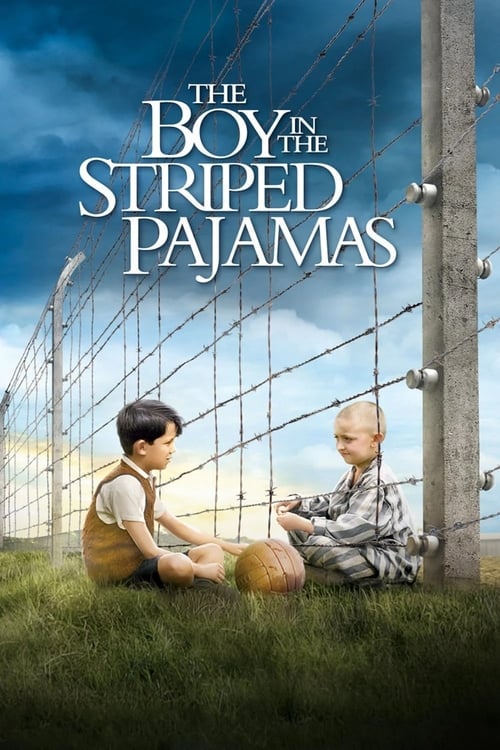
There is a deceptive, almost shimmering quality to the way Mark Herman frames the Polish countryside in The Boy in the Striped Pyjamas. If you squinted, you’d think you were watching a lush Merchant Ivory production or a pastoral coming-of-age story about a boy and his dog. But the "dog" in this scenario is a child behind electrified barbed wire, and the "pastoral" setting is the shadow of a crematorium chimney. Watching this again recently—while dealing with a persistent, annoying itch from a new wool sweater I probably should have washed first—I was struck by how much the film relies on that friction between the beauty of the lens and the ugliness of the history.

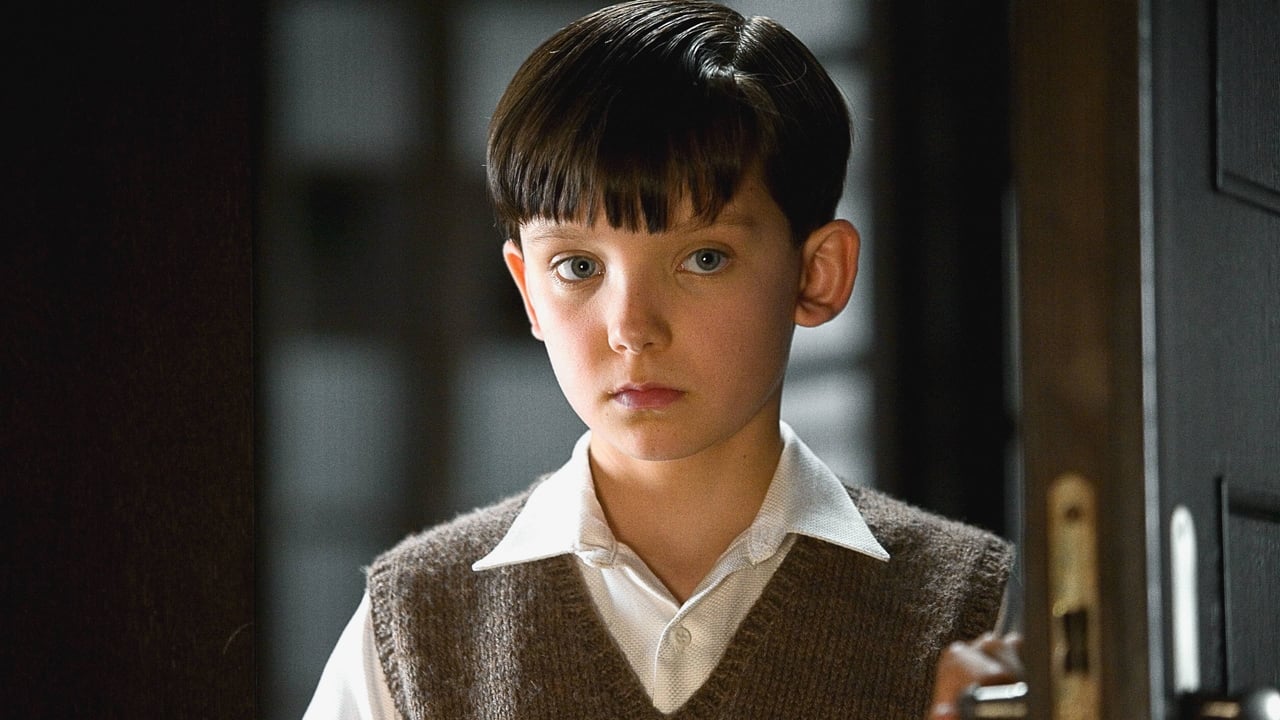
Released in 2008, this film arrived at the tail end of the Miramax-fueled "prestige drama" boom, an era where every autumn brought a new, handsomely mounted exploration of the 20th century’s darkest corners. It’s a film that asks us to see the Holocaust through the eyes of an eight-year-old German boy named Bruno (Asa Butterfield), whose father (David Thewlis) has just been promoted to commandant of a concentration camp. Bruno is an avatar of pure, almost frustratingly dense innocence. He looks at the camp and sees a "farm." He looks at the prisoners and sees "striped pajamas."
The Performance of Complicity
While the film is ostensibly about the forbidden friendship between Bruno and Shmuel (Jack Scanlon), the boy on the other side of the fence, the real dramatic meat lives in the house with the adults. Vera Farmiga delivers what I consider the film’s most haunting performance as Elsa, Bruno’s mother. Watching her transition from a supportive, perhaps willfully ignorant military wife to a woman physically decaying from the realization of what her husband actually does is harrowing. There’s a scene where she realizes the smell coming from the chimneys isn't just "garbage," and the look on her face is a masterclass in the collapse of a soul.
Opposite her, David Thewlis plays the Father with a terrifying, bureaucratic coolness. This isn’t the mustache-twirling villainy we often see in lesser war films. He’s a man who treats genocide like a logistical hurdle at a board meeting. It’s a reminder of that specific post-9/11 cinematic anxiety regarding the "banality of evil"—the idea that the monsters don't always look like monsters; sometimes they just look like tired middle-managers in sharp uniforms. Rupert Friend rounds out the household as Lieutenant Kotler, providing the more traditional, explosive cruelty that makes the family’s quiet complicity feel even more suffocating.
A Fable That Defies Logic
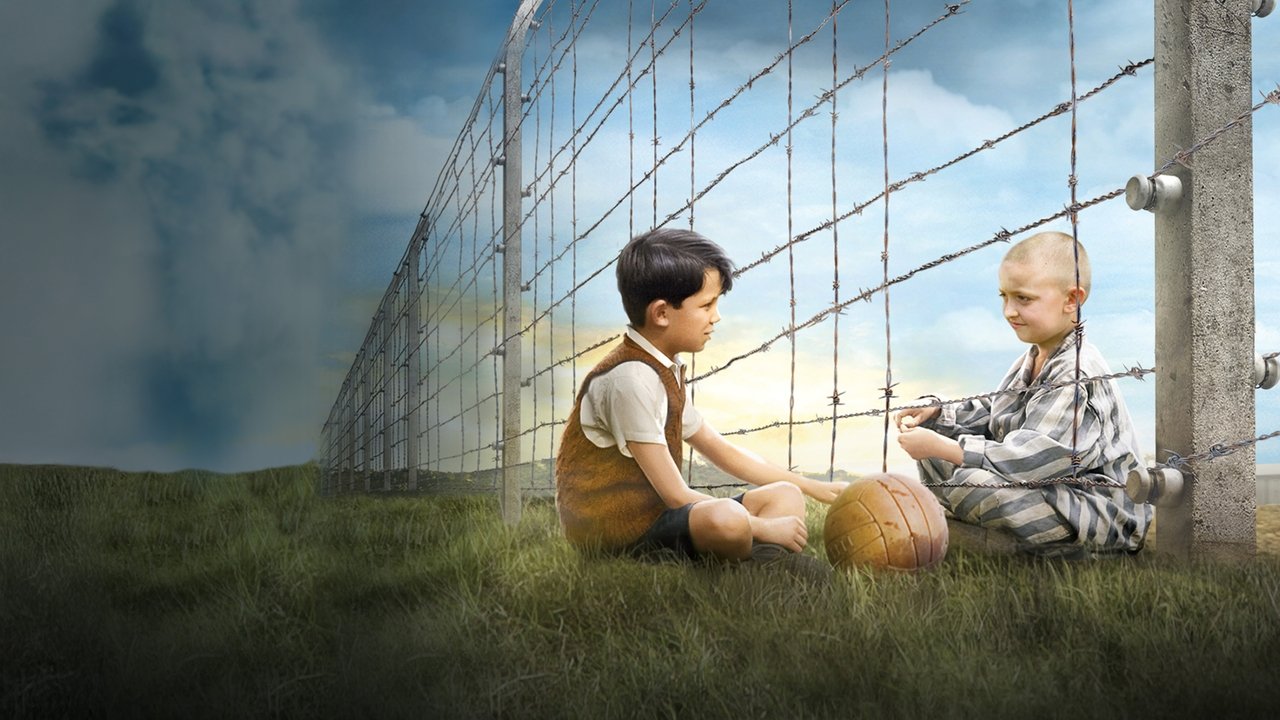
Let’s be honest: the central conceit of the film—that a Jewish prisoner and the Commandant’s son could have daily, unmonitored chats through a fence—is a narrative stretch so thin you could see through it in a fog. If you approach this as a documentary-style historical drama, it falls apart. The fence in this movie is essentially a polite suggestion rather than a high-security barrier. But Mark Herman (who also wrote the screenplay, adapted from John Boyne’s novel) isn't interested in realism. He’s crafting a fable.
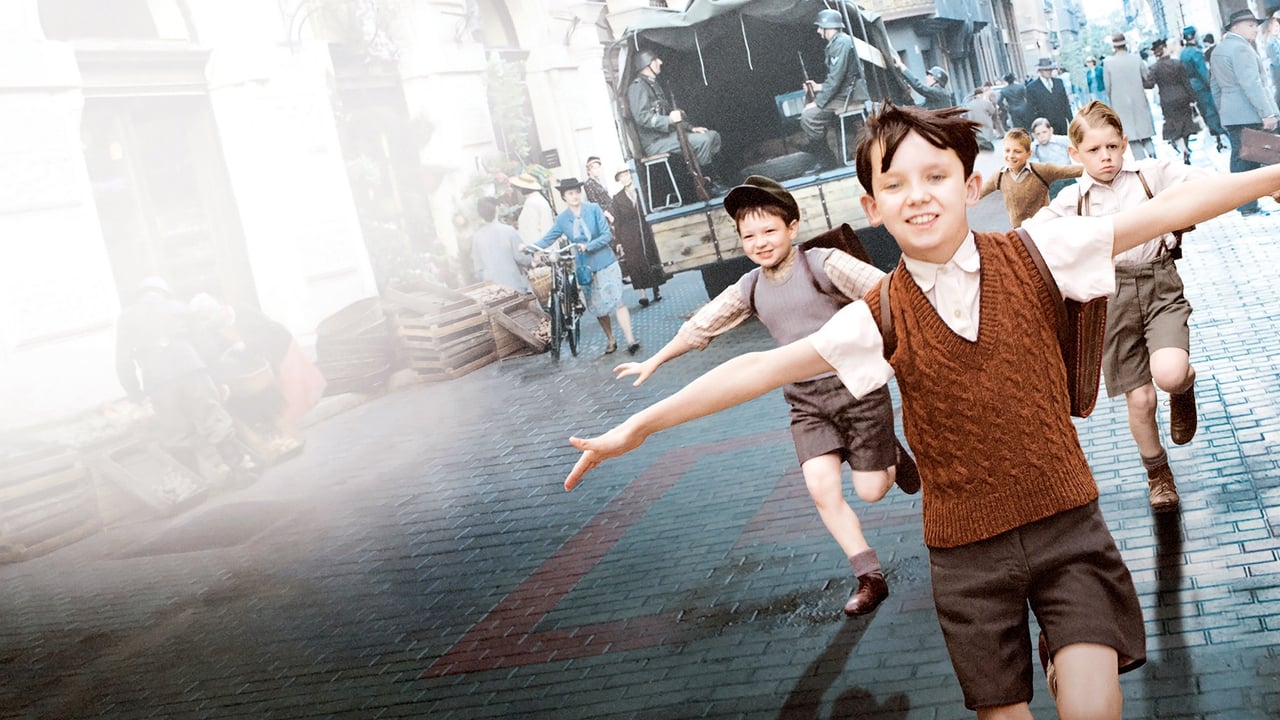
This was a major trend in the mid-2000s—using a child's perspective to soften, and then paradoxically sharpen, the blow of horrific events. Looking back, this feels like a cousin to Pan's Labyrinth or Life is Beautiful, though it lacks the former's fantasy and the latter's whimsy. It’s a bleak, direct line toward an inevitable conclusion. The cinematography by Benoît Delhomme uses a surprisingly bright palette, which makes the eventual descent into the gray, muddy reality of the camp feel like a literal loss of color.
The Weight of the End
The film’s legacy is inextricably tied to its final ten minutes. It’s one of the few movies from that decade that refuses to give the audience a release valve, opting instead to kick the chair out from under you. I remember the silence in the room when the credits rolled; it’s the kind of ending that makes you want to go for a long walk in a very crowded, noisy place just to remind yourself that the world is still turning.
James Horner’s score is doing a lot of the heavy lifting here. It’s melancholic and piano-driven, avoiding the bombast of his Braveheart days, and instead settling for a rhythmic, ticking-clock tension. It’s the sound of a trap being set, even if the characters don't know they’re walking into it. The film was a significant awards contender at the time, picking up several British Independent Film Awards and a Goya nomination, though it was largely overlooked by the Oscars—perhaps because it felt just a bit too much like "misery porn" for the Academy’s tastes that year.
Ultimately, The Boy in the Striped Pyjamas occupies a strange space in the "Modern Cinema" era. It’s a well-crafted, expertly acted drama that intentionally uses a narrow, naive lens to talk about a wide, sophisticated evil. It’s not a perfect history lesson—far from it—but as a psychological exploration of how we shield our children (and ourselves) from the truth, it still carries a heavy, somber punch.
It’s a tough watch, and I’m not sure I’d ever call it "enjoyable," but it is undeniably effective. The performances by Vera Farmiga and Asa Butterfield anchor a story that might have otherwise floated away on its own improbabilities. It serves as a grim reminder that fences don't just keep people in; they keep the truth out—until it finally, inevitably, finds a way through.

Keep Exploring...
-
Downfall
2004
-
Joyeux Noel
2005
-

The Imitation Game
2014
-
Kingdom of Heaven
2005
-

Braveheart
1995
-
Saving Private Ryan
1998
-
Hotel Rwanda
2004
-
The Round Up
2010
-

The Wind Rises
2013
-

Red Cliff
2008
-
The Flowers of War
2011
-
Incendies
2010
-
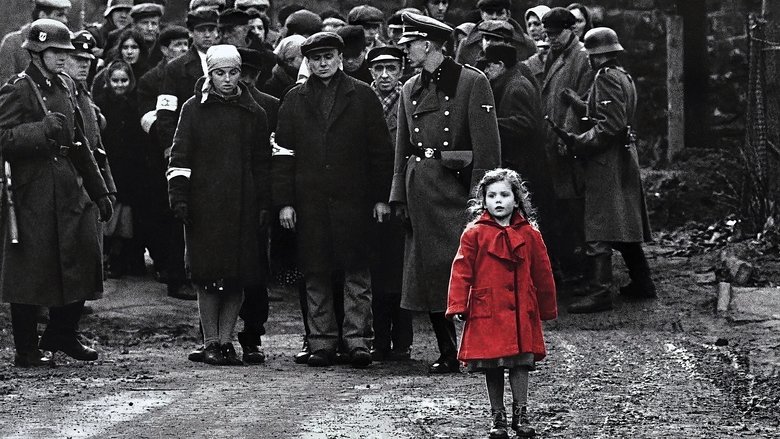
Schindler's List
1993
-
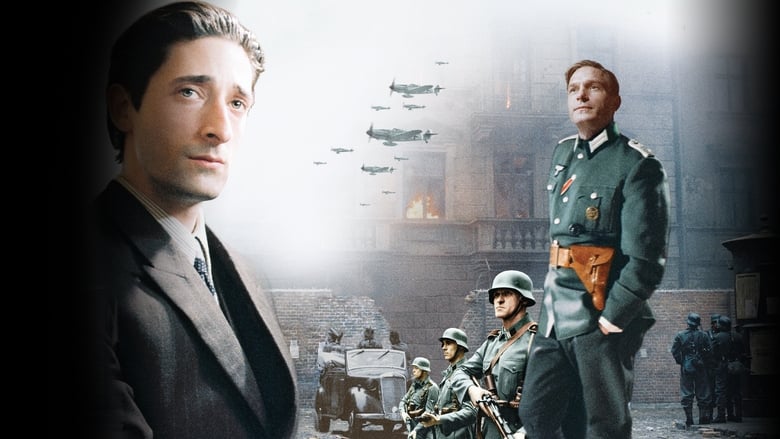
The Pianist
2002
-
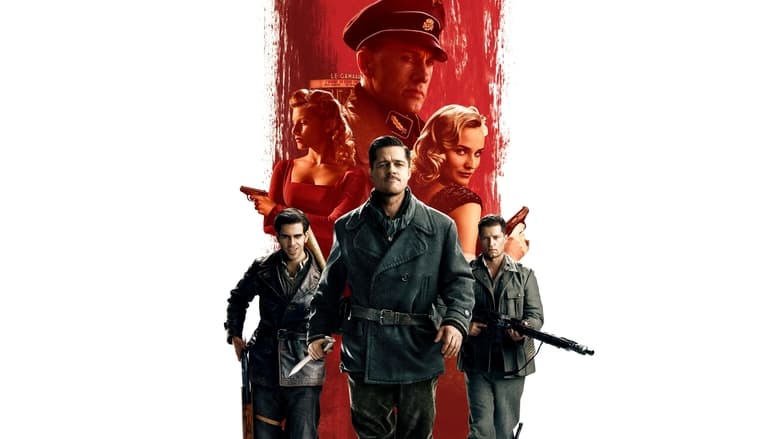
Inglourious Basterds
2009
-
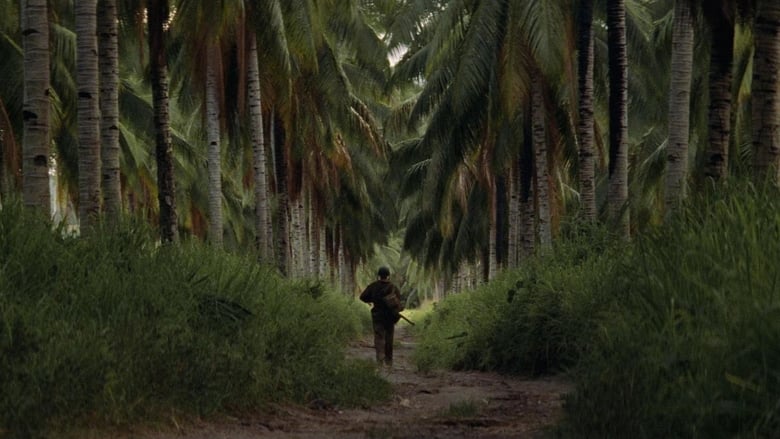
The Thin Red Line
1998
-
The Patriot
2000
-
Enemy at the Gates
2001
-

War Horse
2011
-
Barry Lyndon
1975