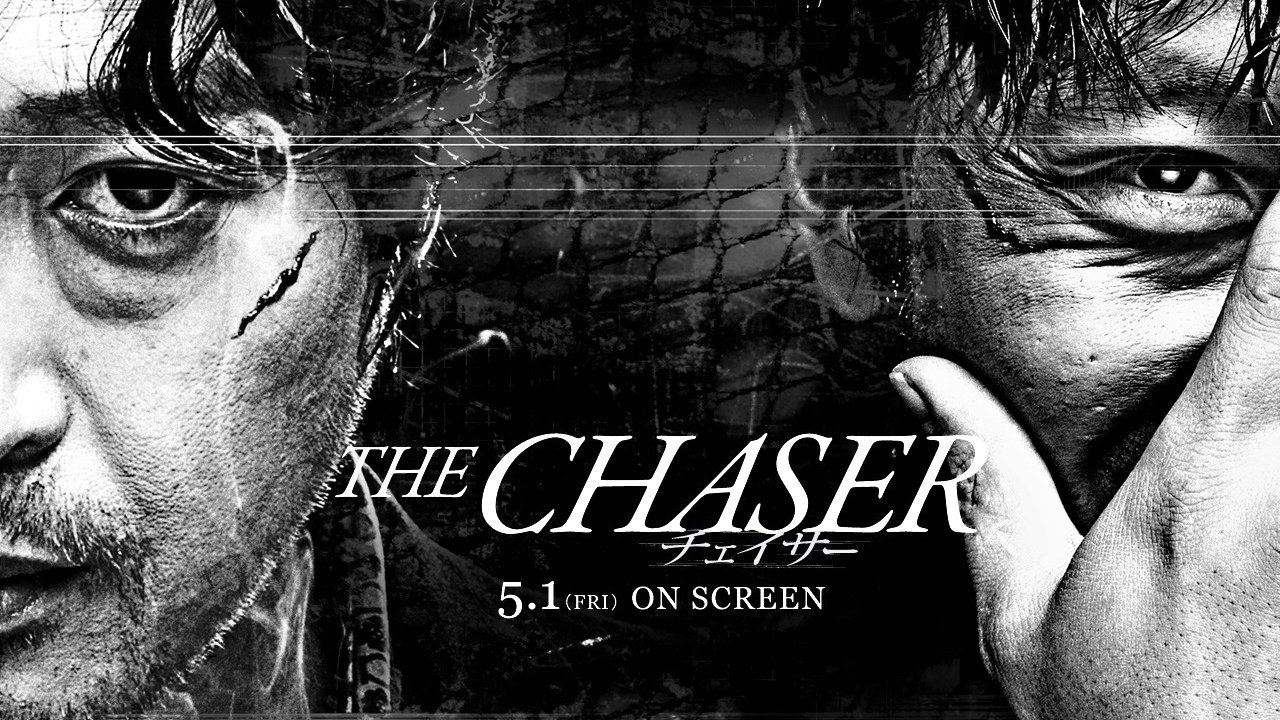
The Chaser
"The clock is ticking, and the hammer is falling."
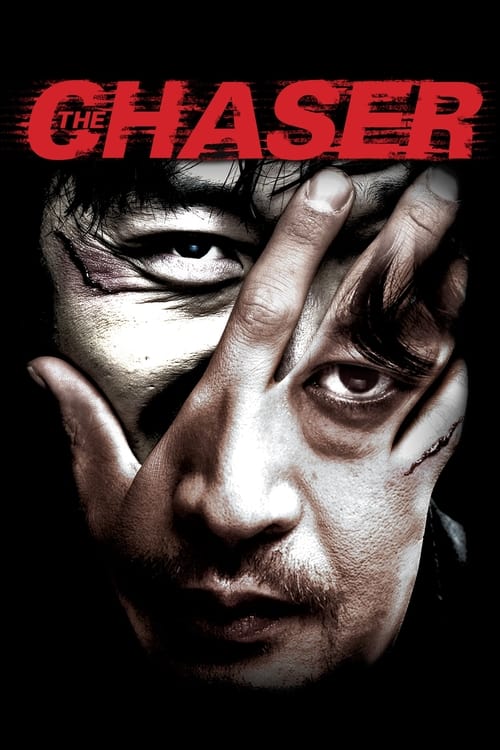
There is a specific kind of exhaustion that comes from watching men run up the steep, rain-slicked hills of Seoul. Most action movies treat a chase like a high-octane ballet of Ferraris and slow-motion explosions, but in The Chaser, the pursuit is a desperate, lung-burning scramble through narrow alleys where someone is always tripping over a trash can. It’s ugly, it’s sweaty, and it’s one of the most stressful things I’ve ever sat through. I watched this for the first time on a laptop in a dorm room while drinking a lukewarm cup of instant coffee that had a film of oil on top, and honestly, that grimy atmosphere felt like the perfect 4D experience for Na Hong-jin’s directorial debut.

Released in 2008, The Chaser arrived at a time when South Korean cinema was beginning to pivot from the stylized vengeance of Park Chan-wook’s Oldboy (2003) toward something more grounded and relentlessly bleak. It’s a film that doesn't just want to scare you; it wants to frustrate you into a state of physical agitation.
The Anti-Hero and the Empty Smile
The story follows Joong-ho, played with a permanent snarl by Kim Yun-seok. He’s not a crusading detective; he’s an ex-cop turned pimp who is losing money because his girls keep vanishing. He thinks they’re being "sold" to another ring, but we quickly realize the truth is much worse. When he sends Mi-jin (Seo Young-hee) to a client whose phone number matches the last contact of the missing girls, the trap is set—not for the killer, but for her.
What makes the script by Na Hong-jin and Hong Won-chan so daring is that they catch the killer, Ji Young-min (Ha Jung-woo), within the first thirty minutes. There is no "whodunit" here. The tension comes from the agonizing realization that catching a monster is easy, but keeping him behind bars while a victim is still breathing somewhere in a basement is a bureaucratic nightmare. Ha Jung-woo is chilling precisely because he doesn't look like a movie monster. He has a soft, almost vacant face that makes his casual admissions of "I killed them" feel like someone explaining a boring grocery list.
A Masterclass in Low-Budget Tension
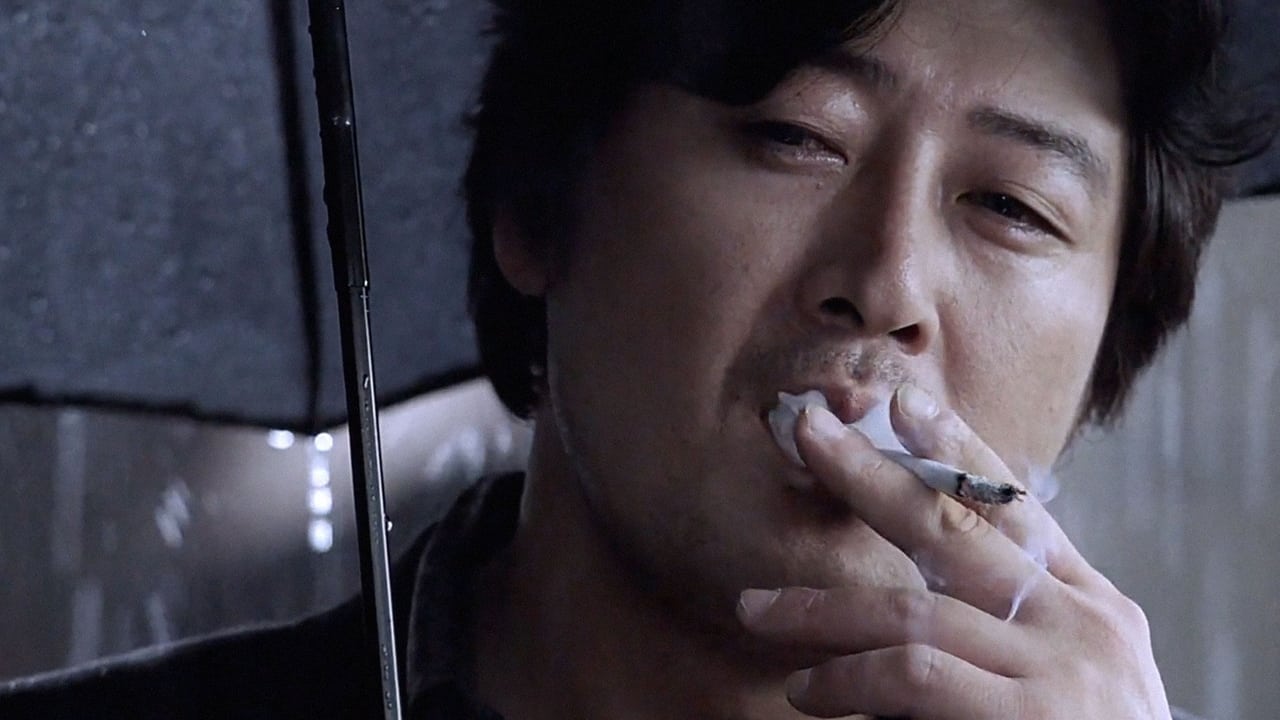
This was a "small" movie by international standards, produced by Bidangil Pictures on a budget of about $2.6 million. To put that in perspective, that’s roughly what a mid-sized Hollywood production spends on trailer park rentals for the leads. Because the funds were tight, the film relies on the physical reality of its locations. There are no green screens here. When you see Kim Yun-seok sprinting through the labyrinthine streets of Mangwon-dong, he’s actually doing it. You can hear the heavy, ragged breathing, and it adds a layer of reality that CGI can’t touch.
The cinematography by Lee Seong-je uses the night-time shadows of Seoul to create a sense of claustrophobia. Even in wide shots, the city feels like it’s closing in. It’s a classic example of "indie" ingenuity: if you can’t afford massive set pieces, make the audience feel the texture of the wet pavement and the coldness of the steel hammer. The Seoul police department in this film is effectively a collection of sentient traffic cones with badges, and while that serves as a stinging critique of Korean institutional incompetence, it also cranks the tension to a breaking point. You aren't just rooting for the hero; you’re screaming at the screen for someone—anyone—to just do their job.
The Weight of the Chase
The action choreography isn't about "cool" moves. It’s about the messy, uncoordinated violence of two men who are tired and terrified. There’s a particular fight in a small convenience store that is so devoid of cinematic grace that it becomes genuinely horrifying. It reminds me of the "New Wave" of Korean action—films like The Yellow Sea (2010)—where the stakes are felt in every bruise and broken fingernail.
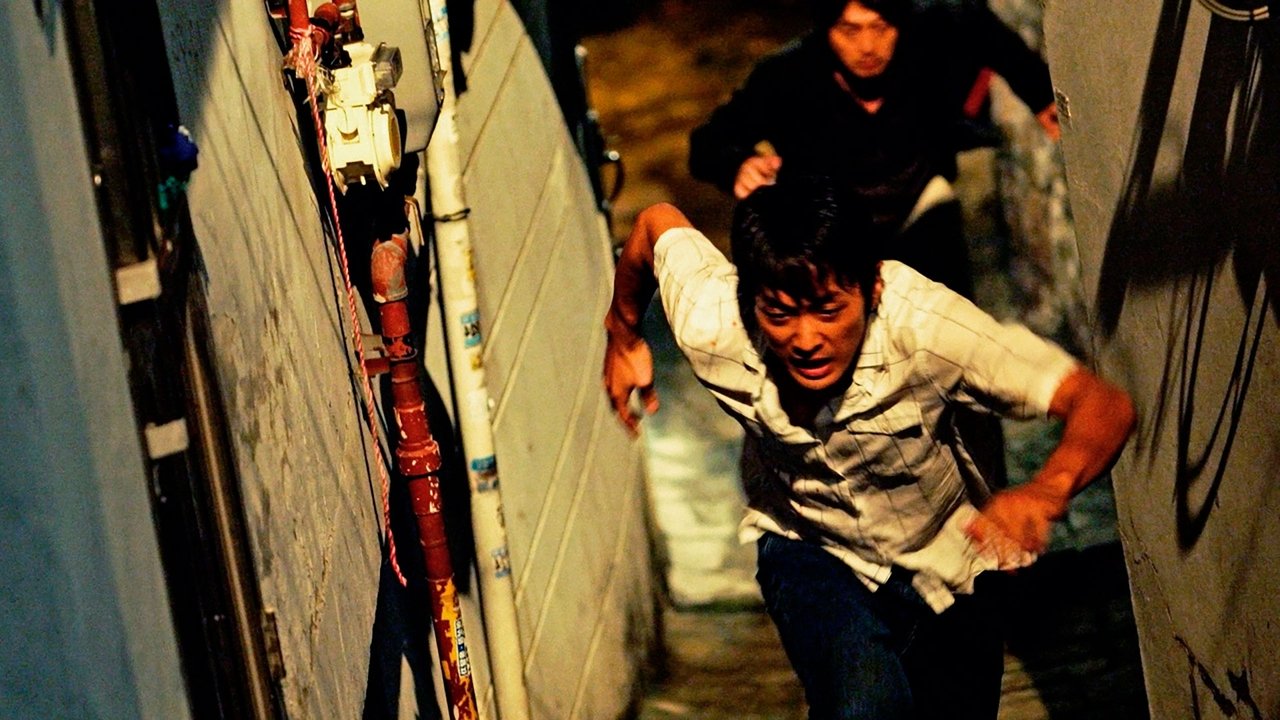
Interestingly, Na Hong-jin reportedly spent a year living in a small studio apartment just to write the screenplay, obsessing over the pacing. That dedication shows. The film manages to balance the dark, nihilistic tone of a serial killer thriller with a surprising amount of heart, mostly found in the relationship between Joong-ho and the young daughter of the missing Mi-jin, played by a very young Kim Yoo-jung. It gives the "Chaser" a reason to keep running even when his legs are giving out.
Looking back from the era of polished, franchise-ready thrillers, The Chaser feels like a jagged piece of glass. It’s a reminder of what happens when a filmmaker with a singular, uncompromising vision is given just enough money to be dangerous. It doesn't offer the comfort of a clean ending or the safety of a traditional hero. Instead, it leaves you with the image of a man standing in the rain, realizing that some things can never be caught once they've been lost. It’s a brutal, essential piece of modern cinema that proved South Korea was the new world leader in the art of the edge-of-your-seat thriller.
Keep Exploring...
-

The Man from Nowhere
2010
-
Felon
2008
-

Blood and Bone
2009
-

The Girl Who Kicked the Hornet's Nest
2009
-
Undisputed III: Redemption
2010
-
The Raid
2012
-
Hard Boiled
1992
-
The Raid 2
2014
-
The Girl Who Played with Fire
2009
-

Kill Bill: Vol. 2
2004
-
The Protector
2005
-
Undisputed II: Last Man Standing
2006
-
United 93
2006
-
Mesrine: Killer Instinct
2008
-
Mesrine: Public Enemy #1
2008
-
The Dark Knight
2008
-
Batman: Year One
2011
-
Fast Five
2011
-
Headhunters
2011
-

The Dark Knight Rises
2012