The Chronicles of Narnia: Prince Caspian
"The King is back. The world has moved on."
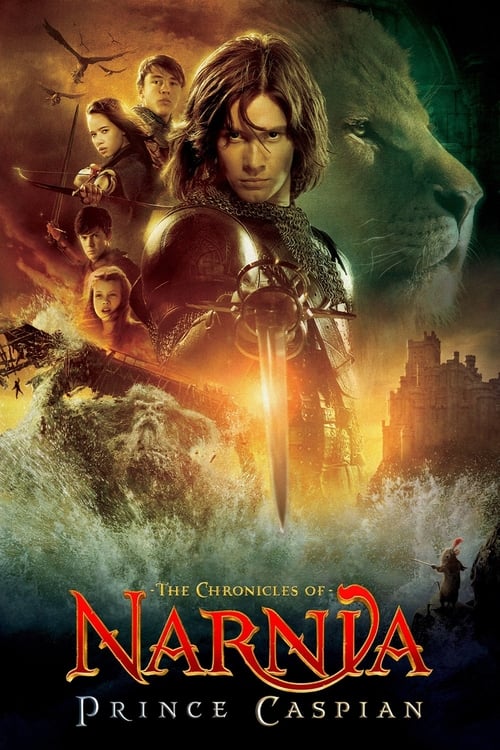
There is a specific kind of melancholy found in realizing your childhood kingdom has been paved over. Most kids experience this when they visit their old primary school and realize the "giant" playground is actually just a small patch of asphalt, but for the Pevensie children, the stakes are a bit higher. They return to Narnia only to find that 1,300 years have passed, their castle is a pile of rubble, and their talking animal friends have been hunted into near-extinction by a race of Mediterranean-inspired conquistadors.
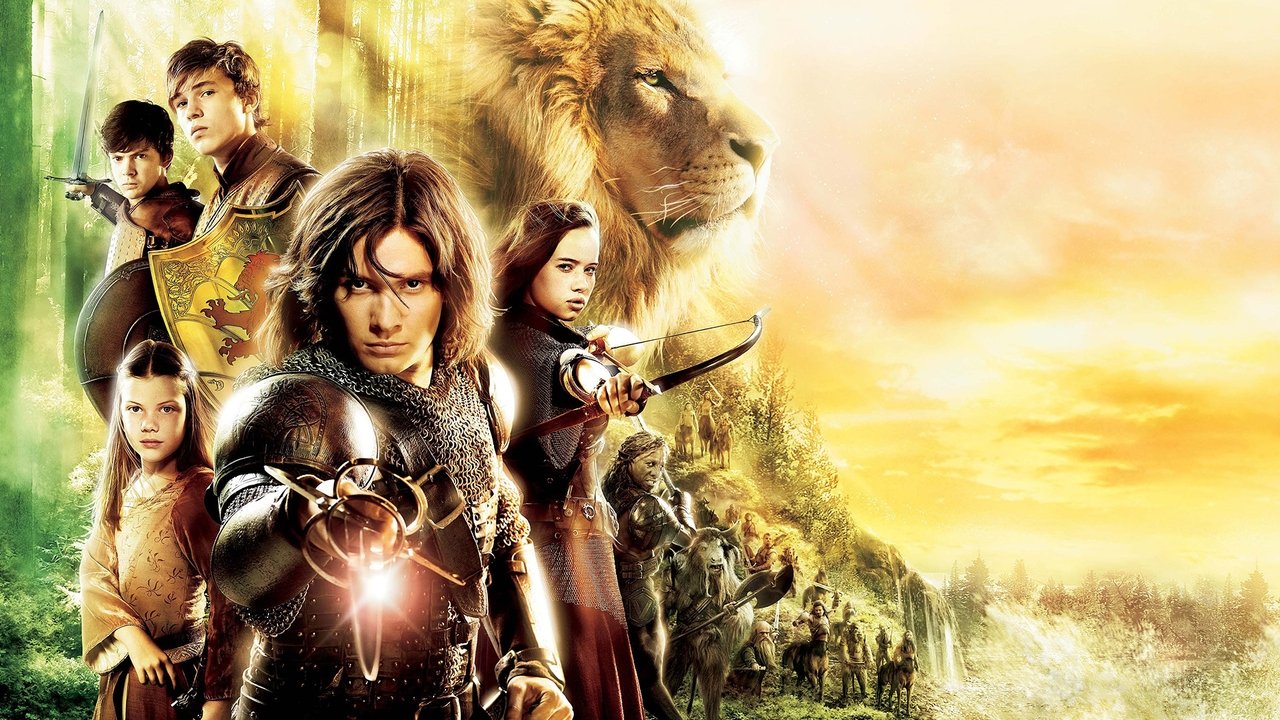
When I first sat down to watch The Chronicles of Narnia: Prince Caspian, I was actually distracted by the fact that I’d left a half-eaten ham sandwich in my backpack, and the lukewarm aroma was slowly becoming a fifth Pevensie sibling. Despite the olfactory interference, the film’s opening shift in tone hit me like a cold front. Gone is the sugary, Edwardian Christmas vibe of The Lion, the Witch and the Wardrobe (2005). In its place is a gritty, dirt-under-the-fingernails war movie that feels more like Kingdom of Heaven (2005) than a Disney bedtime story.
The Death of Childhood Innocence
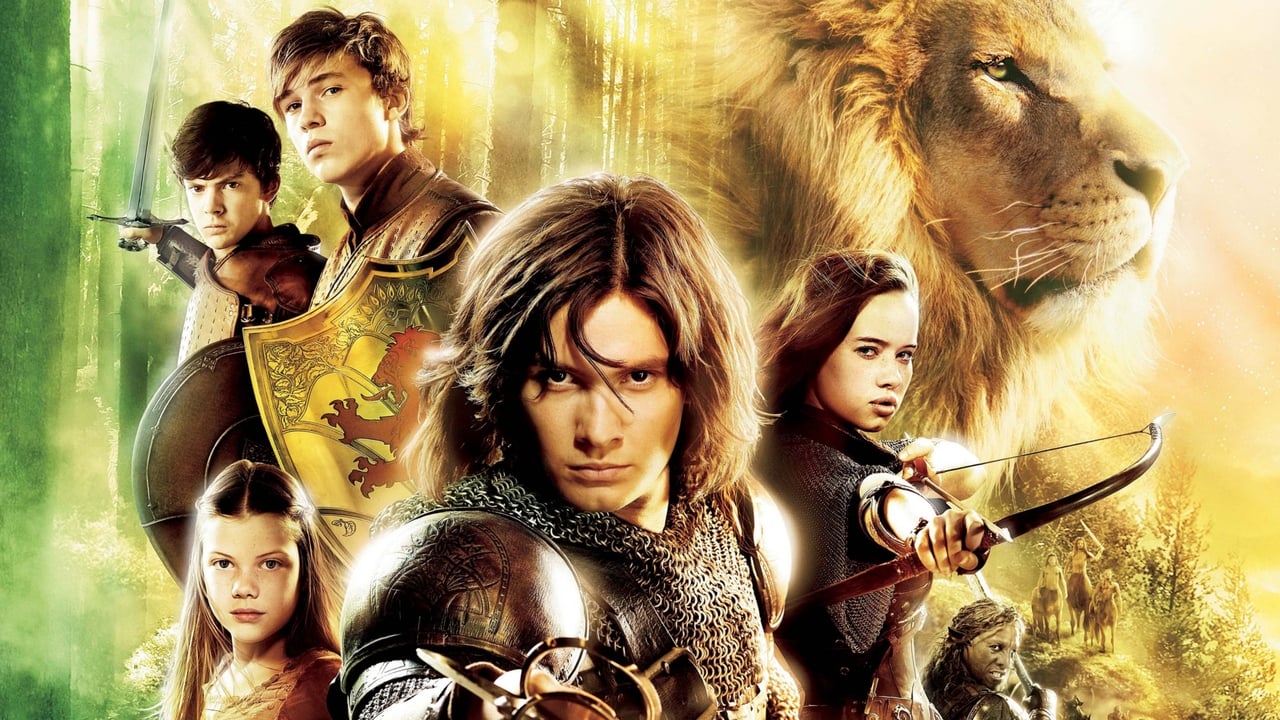
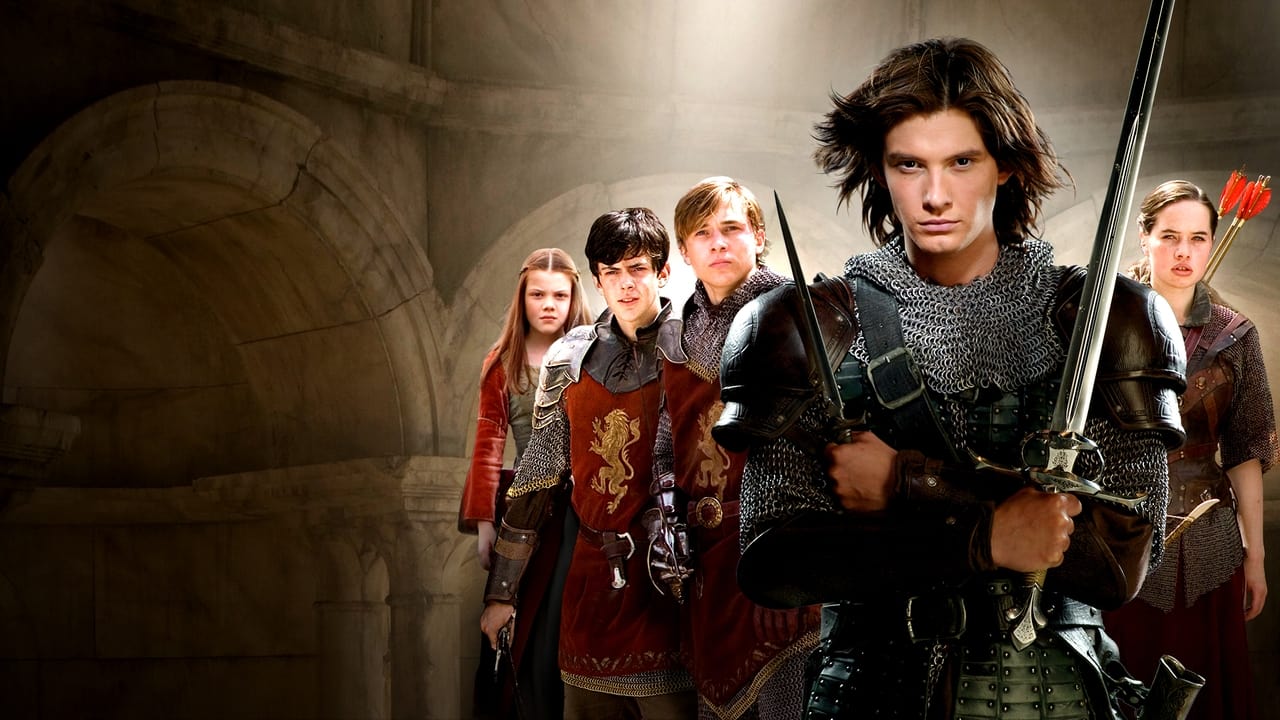
Director Andrew Adamson—fresh off the first film and his success with Shrek (2001)—made a daring choice here. He leaned into the "Post-9/11" anxiety that flavored so many mid-2000s blockbusters. Narnia is no longer a safe haven; it’s an occupied territory. This shift makes the return of Peter (William Moseley), Susan (Anna Popplewell), Edmund (Skandar Keynes), and Lucy (Georgie Henley) feel genuinely earned. They aren't just tourists anymore; they are ancient legends forced to reckon with their own legacy.
The standout performance for me, surprisingly, isn't the titular prince. Ben Barnes is perfectly fine as Caspian—he’s got the hair and the brooding "rightful heir" stare down—but the movie belongs to William Moseley. In a move that likely annoyed many young viewers at the time, Peter Pevensie spends most of this movie acting like a petulant middle-manager on a power trip. He’s arrogant, he’s angry that he’s no longer the High King, and he makes terrible tactical decisions that get people killed. It’s a messy, human character arc that you rarely see in "Chosen One" narratives, and it gives the film a weight that its predecessor lacked.
A Masterclass in Transitionary CGI
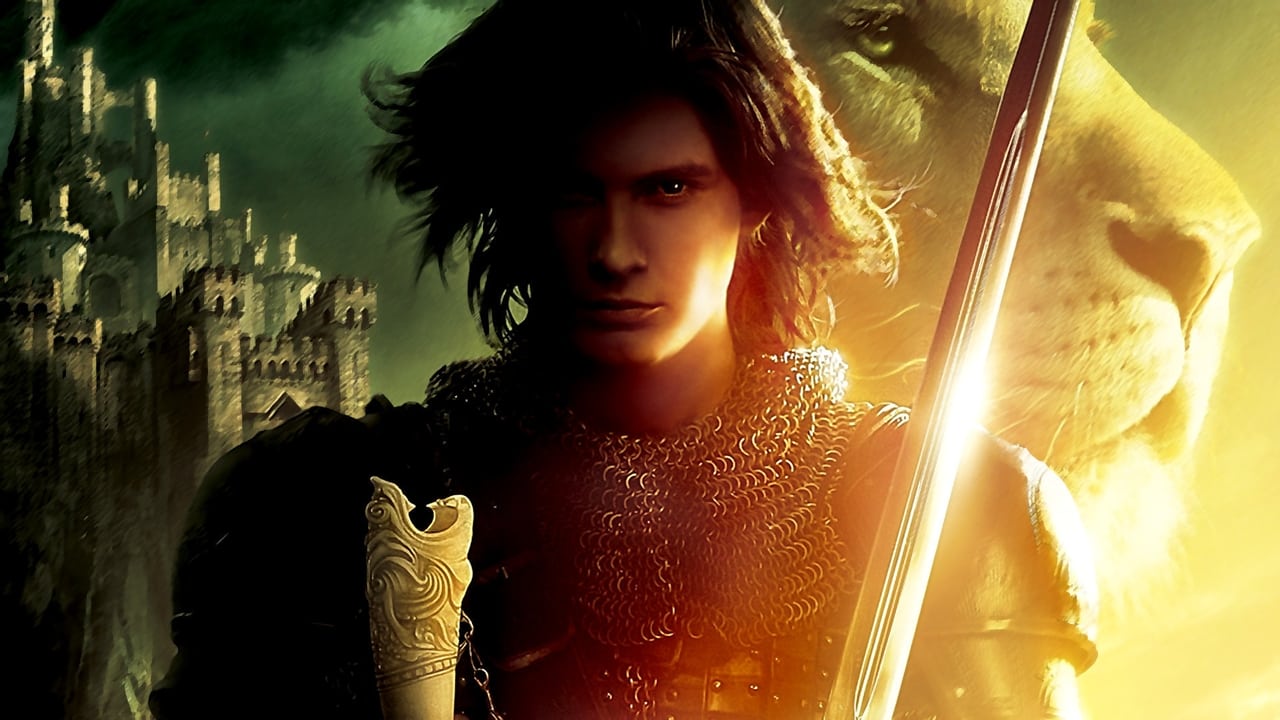
Looking back from an era where CGI often feels like a weightless soup of pixels, Prince Caspian is a fascinating relic of the "Hybrid Era." It was a time when Weta Workshop was still blending massive physical sets with digital augmentation. The night raid on King Miraz's castle is a phenomenal sequence, filmed on one of the largest sets ever constructed in Europe (at Barrandov Studios in Prague). You can feel the cold stone and the damp air.
The effects work on Reepicheep (voiced by Eddie Izzard) and the various centaurs shows the "learning curve" of the late 2000s. While some of the background creatures look a bit soft by today's 4K standards, the character work on Trumpkin—played by the always-excellent Peter Dinklage—is a reminder of how much practical makeup can do. Apparently, Peter Dinklage absolutely loathed the three hours he spent in the makeup chair every morning, but the result is a character that feels entirely part of the landscape, not something dropped in by a computer.
The "River God" sequence at the climax remains a stunning piece of work. It captures that C.S. Lewis sense of "old magic" returning to a cynical world, and even though we’ve seen similar water-monsters in everything from The Fellowship of the Ring (2001) to Frozen II (2019), there’s a tactile majesty here that holds up surprisingly well.
The Curse of the "Middle Child"
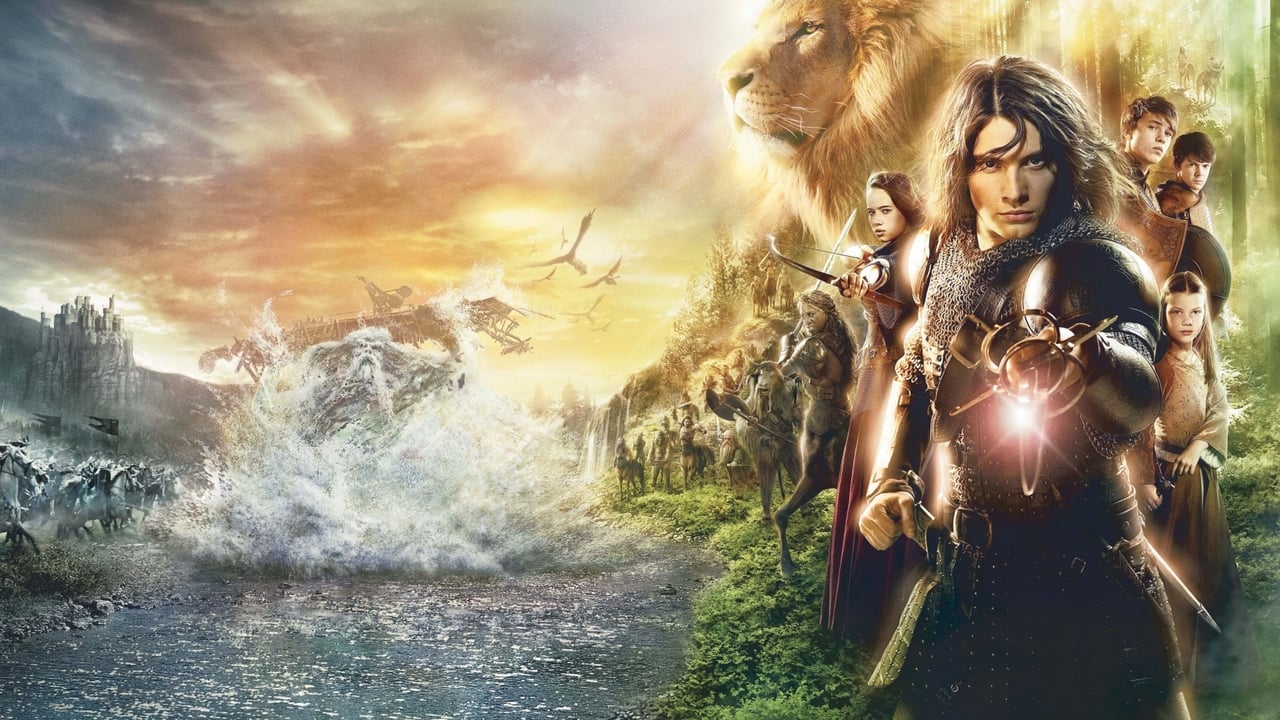
Despite its ambition, Prince Caspian is often remembered as the film that "killed" the Narnia franchise’s momentum. It cost a staggering $225 million—more than most Avengers movies—and when it failed to outdo the first film's box office, Disney famously panicked and jumped ship, leaving the third installment to be picked up by Fox.
In retrospect, the film was probably too dark for the "Disney family" brand and too "kiddie" for the Lord of the Rings crowd. It exists in a strange, beautiful middle ground. It’s the "Cult Classic" of the trilogy because it dares to be unpleasant. It features a sequence where Tilda Swinton returns for a chilling cameo as the White Witch, tempting Peter and Caspian in a circle of black ice, reminding us that the greatest threat isn't the Telmarine army, but the darkness within the heroes themselves. It’s a movie where the heroes lose a significant chunk of their army because of their own ego, and that’s a bold pill for a 2008 summer blockbuster to swallow.
Ultimately, Prince Caspian is a grand adventure that rewards a second look now that the "franchise wars" of the 2000s have settled. It’s a film about the difficulty of growing up and the pain of realizing you can't go home again—at least, not to the home you remember. While it might lack the pure, nostalgic magic of the first film, it replaces it with a mature, sweeping sense of scale and a score by Harry Gregson-Williams that still makes me want to charge into battle against a Spanish-accented usurper. If you’ve ignored it for fifteen years, it’s time to blow the horn and head back to the woods.
Keep Exploring...
-
The Chronicles of Narnia: The Lion, the Witch and the Wardrobe
2005
-
The Chronicles of Narnia: The Voyage of the Dawn Treader
2010
-
Shrek 2
2004
-

Sinbad: Legend of the Seven Seas
2003
-

The Polar Express
2004
-
Herbie Fully Loaded
2005
-
Stardust
2007
-
Inkheart
2008
-
The Spiderwick Chronicles
2008
-
Night at the Museum: Battle of the Smithsonian
2009
-
Brave
2012
-
Mirror Mirror
2012
-
Rise of the Guardians
2012
-
Epic
2013
-

Oz the Great and Powerful
2013
-
Percy Jackson: Sea of Monsters
2013
-
Shrek
2001
-

Peter Pan
2003
-
Arthur and the Invisibles
2006
-
Legend of the Guardians: The Owls of Ga'Hoole
2010