The Day the Earth Stood Still
"Earth is fine. It’s the neighbors who have to go."
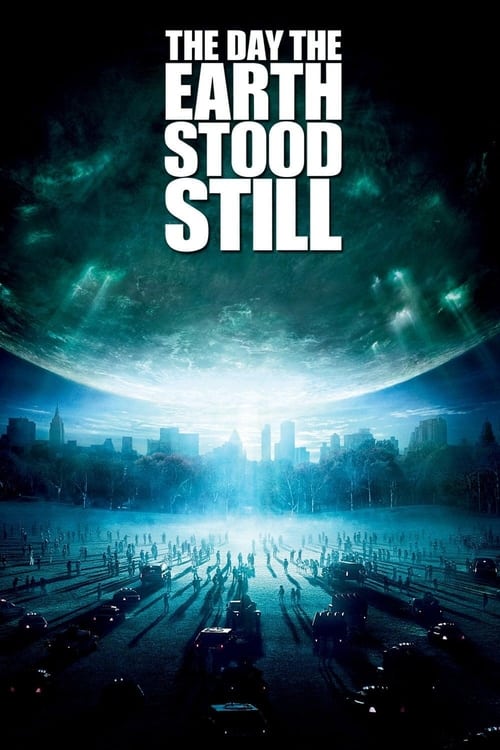
I remember watching this on a DVD I picked up at a gas station bargain bin while waiting for my dog to finish a grooming appointment next door. There was a weirdly comforting smell of wet golden retriever and cheap popcorn in the air, and for some reason, that low-stakes environment felt like the perfect way to digest a movie about the literal end of the world.
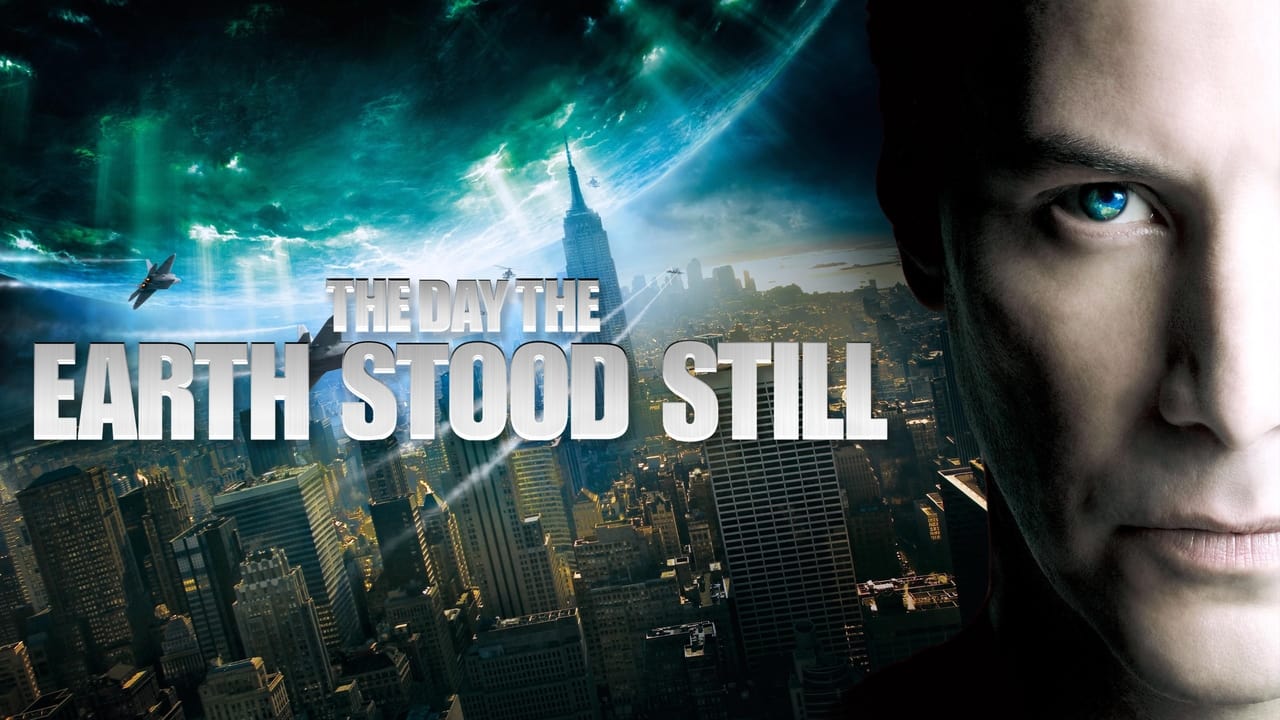
Remaking a untouchable classic like the 1951 original is usually a suicide mission. The first film was a polite, Cold War plea for nuclear sanity. But by 2008, our anxieties had shifted from the "Big Red Button" to the "Slow Green Melt." Director Scott Derrickson took the skeleton of the old story and draped it in the heavy, charcoal-grey coat of late-2000s cynicism. It’s a film that swapped out the optimistic hope of the Space Age for the grim realization that we might actually be the villains of our own story.
The Man Who Fell to Earth (And Kept a Straight Face)
The smartest move this movie made—and perhaps its most controversial—was casting Keanu Reeves as Klaatu. In the 51 version, Michael Rennie played the alien as a sophisticated, slightly disappointed professor. Reeves, however, plays him as a biological hard drive that hasn't finished its first boot sequence. He’s stiff, eerie, and seemingly lacks a pulse.
While critics at the time joked that "Keanu playing an emotionless alien isn't exactly a stretch," I actually think he’s the best part of the film. He captures that unsettling "uncanny valley" energy perfectly. He doesn't look like he’s from another planet; he looks like he’s wearing a human suit that’s one size too small and slightly itchy. Watching him interact with Jennifer Connelly, who plays astrobiologist Helen Benson, is like watching a masterclass in contrasting styles. Jennifer Connelly is all raw, maternal nerves and teary-eyed desperation, while Reeves just stares at her like he’s trying to solve a particularly difficult Sudoku puzzle in his head.
Then there’s the kid. Jaden Smith plays Jacob, Helen’s stepson, and he is the poster child for the "angrily grieving 2000s movie kid" trope. His character is meant to show the potential for human growth, but for most of the runtime, he’s just a massive headache. The movie treats humanity like a bad software update that needs to be uninstalled, and honestly, after twenty minutes of Jacob’s screaming, I was kind of rooting for the nanobots.
A Swarm of Digital Locusts
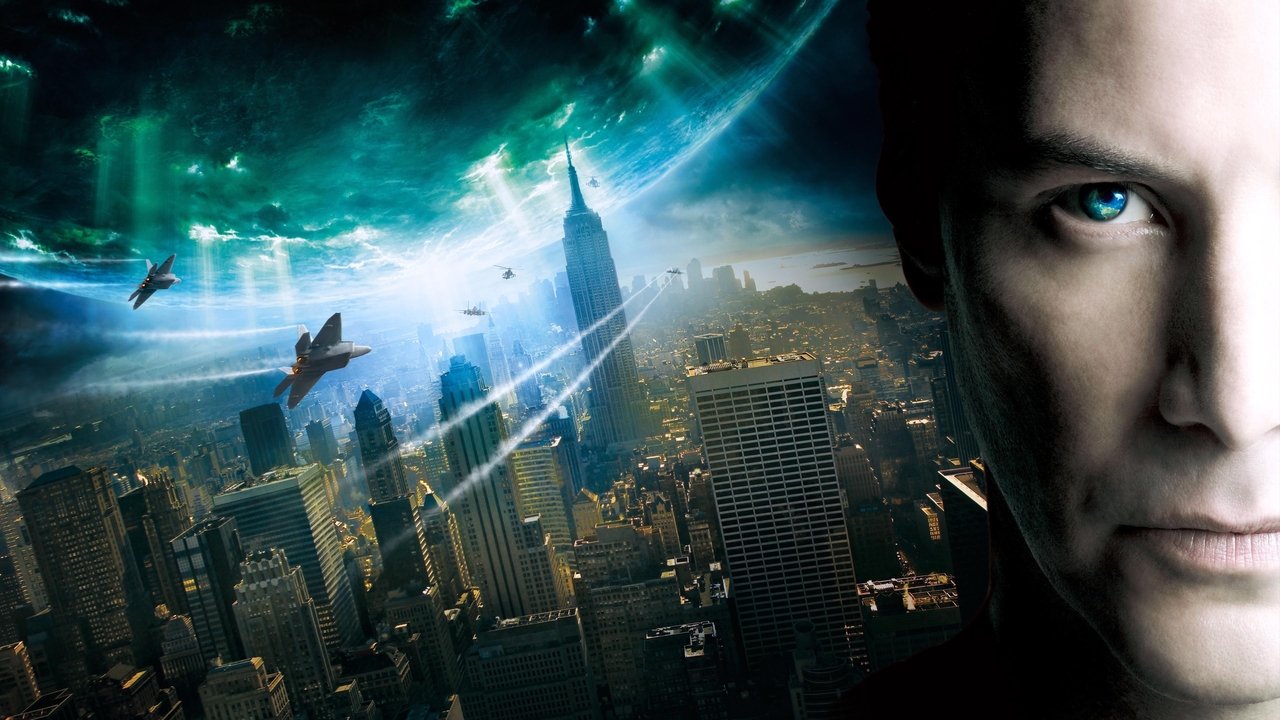
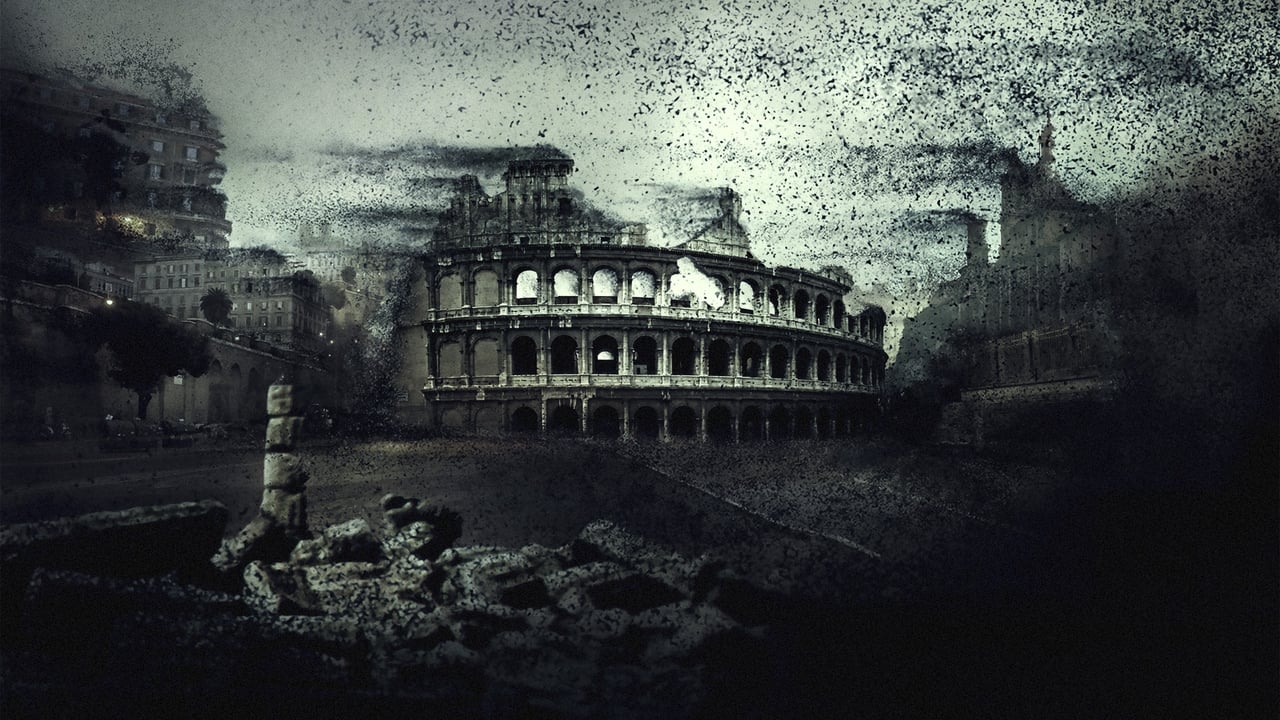
The 2008 version landed right in the thick of the CGI revolution, where filmmakers were finally realizing they could do anything, even if they weren't quite sure they should. In the original, Gort was a guy in a silver foam-rubber suit who stood still and looked menacing. In 2008, Gort is a massive, obsidian-colored entity that eventually dissolves into a "Grey Goo" swarm of microscopic nanobots.
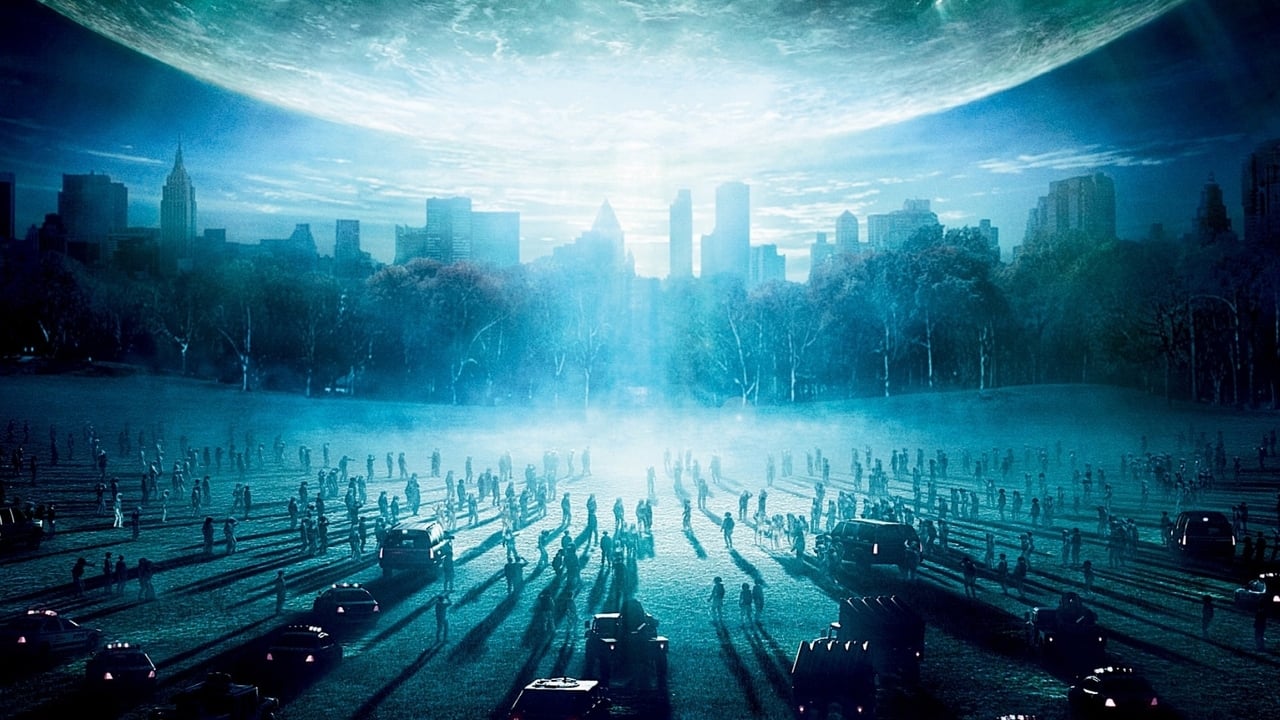
Looking back, the effects hold up surprisingly well for the era. The scene where the swarm "eats" a giant football stadium is still a terrifying visual. It captures that post-9/11 dread of a threat that is everywhere and nowhere at once—not a bomb you can run from, but an atmosphere that just decides to stop letting you exist. It’s much more "thriller" than "drama" in these moments, and you can see Scott Derrickson’s horror roots bleeding through.
I was particularly struck by Kathy Bates as the Secretary of Defense. She represents the "shoot first, ask questions never" mentality of the era’s geopolitics. It’s a bit on-the-nose, but seeing her go toe-to-toe with Jon Hamm (who was just starting his Mad Men ascent) provides a nice bit of grounded, boardroom tension before the giant spheres start glowing.
The Cult of Environmental Gloom
Why do we still talk about this one? It’s not because it’s a masterpiece—it’s not. It’s because it’s one of the few big-budget blockbusters that is genuinely, deeply pessimistic about the human race. It doesn't give us a "Will Smith punches the alien" moment. It suggests that if a higher power showed up today, they wouldn't want to talk to us; they’d want to put us in time-out for the next few million years.
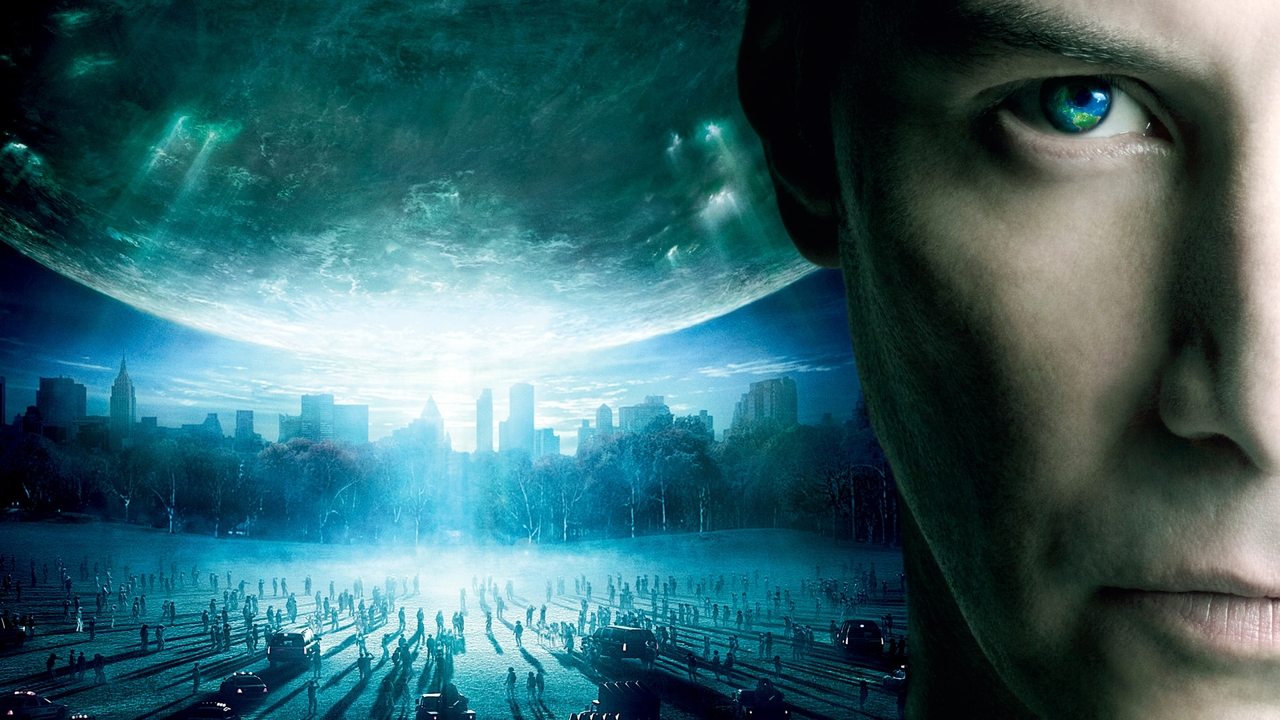
There are some great "nerd" details tucked away for the eagle-eyed. The "Klaatu barada nikto" line is hidden as a bit of distorted dialogue, and seeing John Cleese show up as a Nobel-winning physicist who tries to explain the beauty of Bach to an alien is a genuinely touching scene. It’s the one moment the film pauses its destruction to ask: "Is our art enough to save us?"
Apparently, the production went through hell to be "green." They used recycled paper, minimized power usage, and donated sets to Habitat for Humanity. There’s a delicious irony in a $80 million Hollywood production burning millions of dollars in jet fuel to tell us we’re using too much gas.
Ultimately, The Day the Earth Stood Still is a fascinating time capsule of 2008 anxieties. It’s a cold, polished, and slightly hollow experience that succeeds more as a mood piece than a narrative. It lacks the warmth and "we can do better" spirit of the original, but it replaces it with a haunting, digital-age nihilism that feels oddly more relevant today than it did fifteen years ago. If you can handle the "grumpy Jaden" subplots, it’s a stylish, thought-provoking way to spend an afternoon—just don't expect to feel great about the future afterward.
Keep Exploring...
-
Elysium
2013
-
The Exorcism of Emily Rose
2005
-
The 6th Day
2000
-

Dreamcatcher
2003
-
Transcendence
2014
-
Blindness
2008
-
Contagion
2011
-
The Core
2003
-
Upside Down
2012
-
The Forgotten
2004
-
Carriers
2009
-
Terminator 3: Rise of the Machines
2003
-
The League of Extraordinary Gentlemen
2003
-
The Matrix Revolutions
2003
-

Æon Flux
2005
-
The Island
2005
-
Poseidon
2006
-

X-Men: The Last Stand
2006
-
Next
2007
-
Babylon A.D.
2008