The Duchess
"Fashion is a political statement; marriage is a prison."
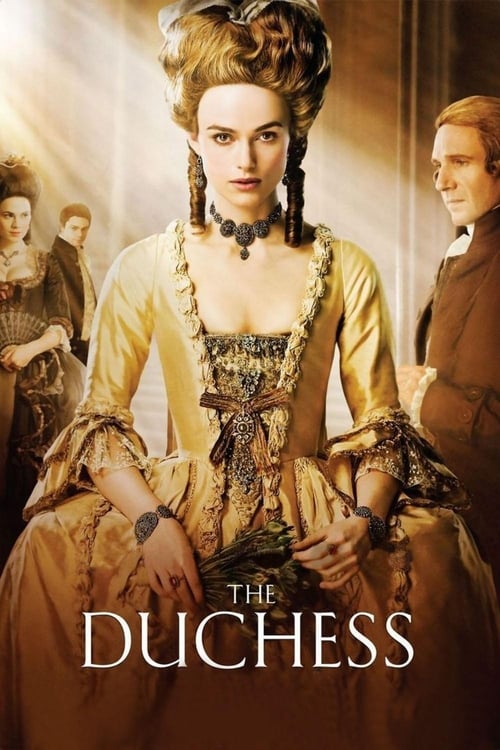
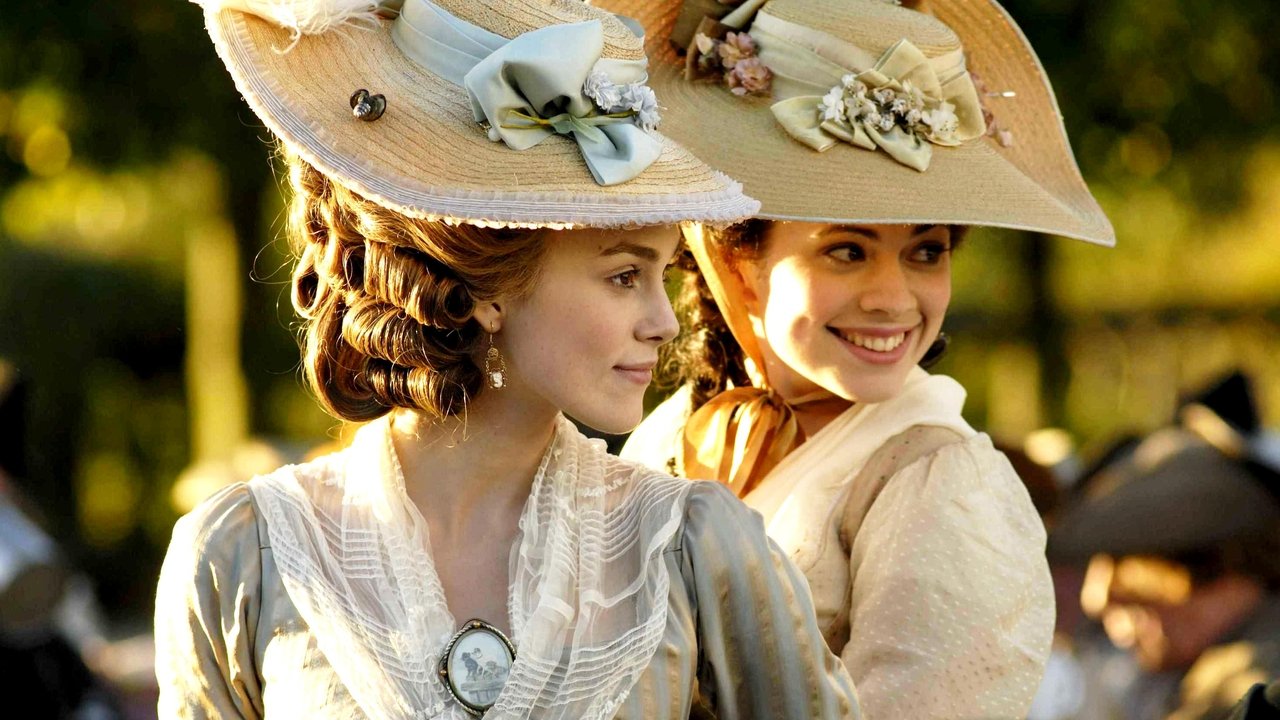
The most striking thing about Georgiana Cavendish isn't her political acumen or her tragic romantic life—it’s that her hair usually enters the room about three seconds before she does. In 2008, the marketing for The Duchess leaned heavily into the "wigs and corsets" aesthetic, but looking back at it now, those massive, powdered structures feel less like fashion and more like architectural metaphors for the crushing weight of 18th-century expectations.
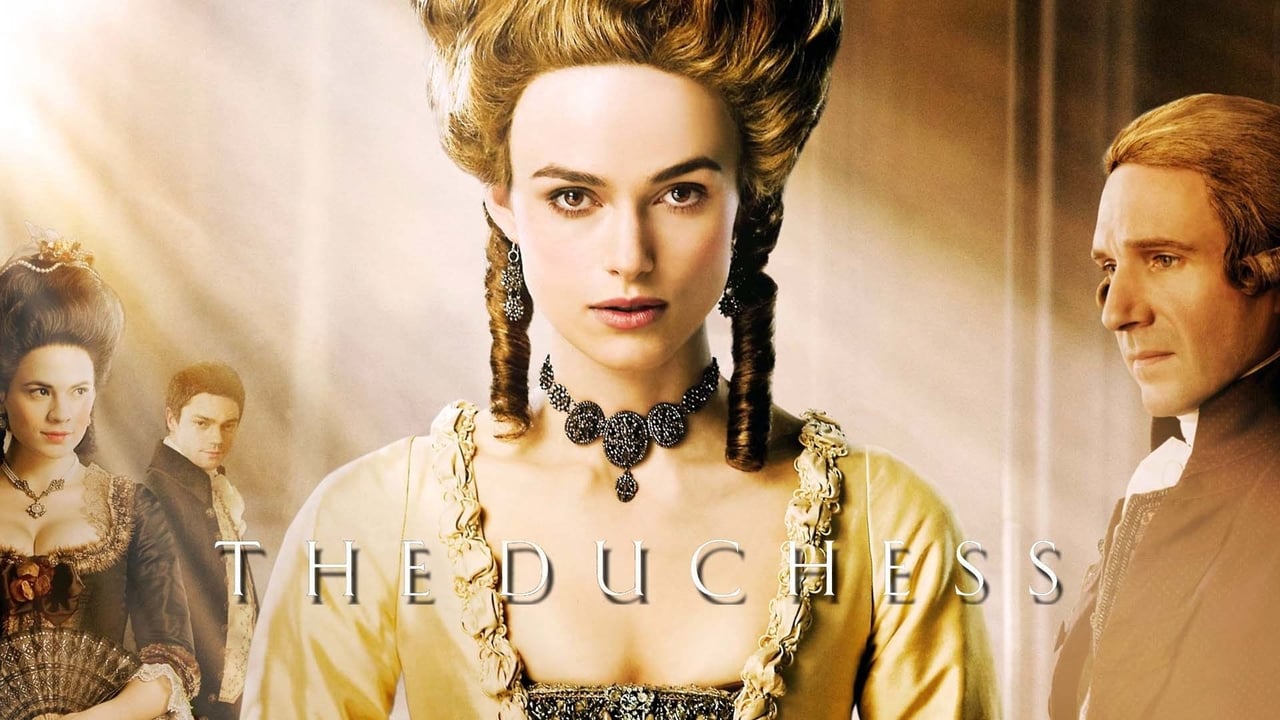
I recently revisited this one while wearing a zip-up hoodie that was slightly too small, and the physical restriction of the fabric actually helped me sympathize with the literal tightening of the laces on screen. It’s a film that thrives on that sense of being trapped, even when you're standing in the middle of a gilded estate that looks like it cost more than the GDP of a small nation.
The Peak of the Corset Era
Released right at the tail end of the "prestige period drama" boom that dominated the late 90s and early 2000s, The Duchess feels like a bridge between two worlds. It arrived just as the gritty, digital revolution was taking hold of cinema, yet it clings to the opulent, lush cinematography of Gyula Pados that feels like a decadent oil painting come to life.
By 2008, Keira Knightley was essentially the patron saint of the period piece. After Pride & Prejudice and Atonement, there was a sense of "Oh, Keira’s in another dress," but seeing it now, her performance as Georgiana is far more layered than I gave it credit for at the time. She manages to balance the public "Empress of Fashion" persona with a private, trembling desperation. It’s easy to play "sad woman in a big house," but Knightley gives Georgiana a frantic energy, a woman trying to outrun her own unhappiness through gambling and political campaigning.
The Duke of Discomfort
If Knightley is the heart of the film, Ralph Fiennes is its absolute, frozen center. As the Duke of Devonshire, Ralph Fiennes plays the man with the emotional warmth of a damp cellar. It is a terrifyingly quiet performance. There are no grand villainous speeches here; instead, he exerts power through silence and a complete lack of interest in his wife as a human being. He cares more about his dogs than his Duchess, and Fiennes plays that indifference with a chilling, stiff-backed precision.
The film’s central conflict—the arrival of Hayley Atwell as Lady Bess Foster—turns the story into a bizarre, suffocating three-way domestic horror show. Atwell is fantastic here, long before she became a Marvel staple. She plays Bess not as a simple home-wrecker, but as a woman navigating her own survival in a world where women had zero legal agency. The chemistry (or lack thereof) between the three of them makes for some of the most uncomfortable dinner scenes ever committed to celluloid. Dominic Cooper pops up as Charles Grey, the romantic "way out" for Georgiana, but let’s be honest: he’s mostly there to look handsome in a cravat and remind us why Georgiana is so miserable at home.
Stuff You Didn't Notice
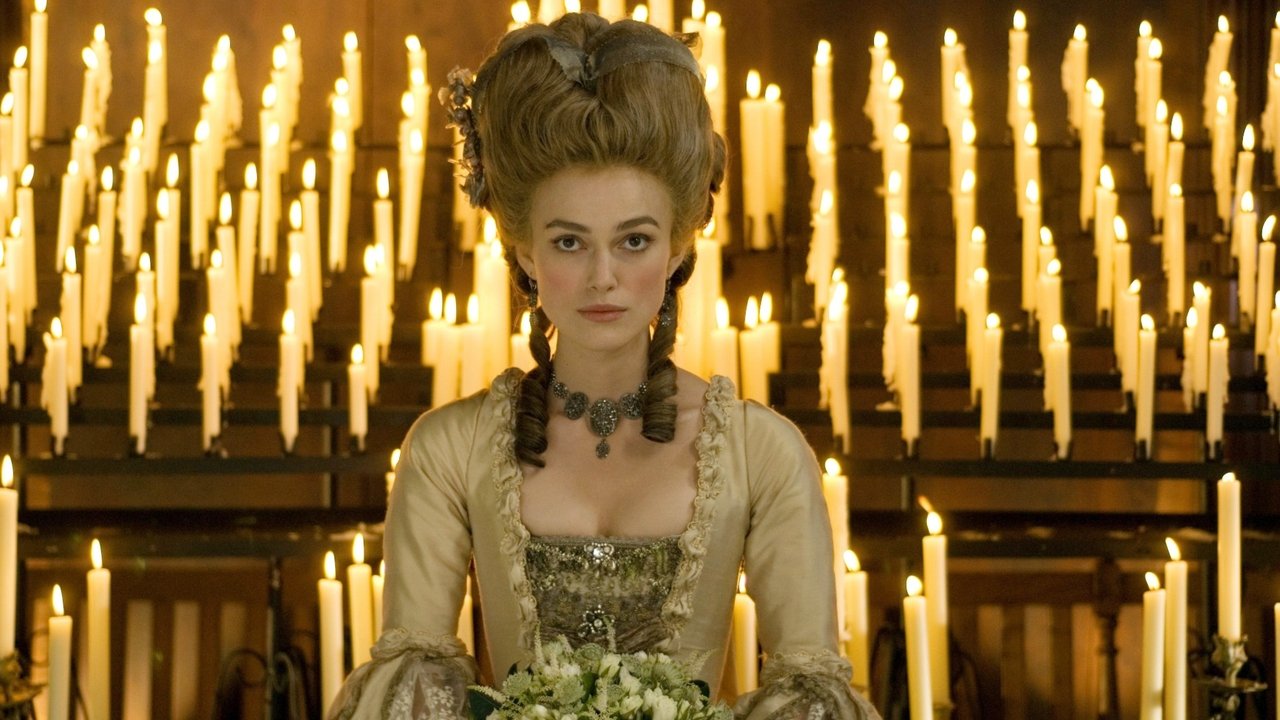
Watching this on a modern 4K screen (or even a decent Blu-ray) reveals just how much work went into the production design. The DVD era was obsessed with "behind-the-scenes" featurettes, and I remember a specific clip where the costume designers discussed the "flammability" of the wigs. Apparently, they were so tall and covered in so much hairspray and powder that they were genuine fire hazards on sets lit by actual candles.
There’s also the "Diana" elephant in the room. The film’s tagline, "Based on the incredible true story," was a polite way of saying "Hey, she’s Princess Diana’s great-great-great-great-aunt!" The marketing team pushed the parallels hard—the "three people in this marriage" line from Diana’s famous 1995 interview was practically the unofficial subtitle of the movie. Looking back, it feels a bit exploitative, but it grounds the historical drama in a cycle of celebrity and tragedy that feels oddly modern.
A Masterclass in Suffocation
Director Saul Dibb doesn't go for the pop-anachronisms of Sofia Coppola’s Marie Antoinette. Instead, he keeps things grounded and, at times, painfully slow. The pacing mirrors Georgiana’s life—long stretches of boredom punctuated by moments of sharp, domestic violence or public triumph. The score by Rachel Portman is doing a lot of heavy lifting here, too. It’s elegant and sweeping, but there’s an undercurrent of mourning in the strings that tells you exactly where this story is heading.
While it might have been lost in the shuffle of 2008 blockbusters (it came out the same year as The Dark Knight and Iron Man), The Duchess is a fascinating relic of a time when we still made mid-budget, high-concept dramas for adults. It’s a film about the price of fame and the total lack of freedom afforded to the most powerful women in the world. It’s not exactly a "feel-good" Friday night watch, but as a character study of a woman who was a rockstar a century before the term existed, it’s genuinely compelling.
If you can handle the emotional chill of Ralph Fiennes’s performance and the tragic trajectory of the plot, The Duchess is a gorgeous, if somber, experience. It’s a reminder that even when you have the biggest hair and the most expensive dress in the room, you can still be completely invisible to the people who are supposed to love you. Watch it for the costumes, stay for Knightley’s best "trapped" performance, and maybe keep a fire extinguisher handy for those wigs.
Keep Exploring...
-
Anna Karenina
2012
-
Joyeux Noel
2005
-
The New World
2005
-
The Young Victoria
2009
-
A Royal Affair
2012
-
Mona Lisa Smile
2003
-
Elizabeth: The Golden Age
2007
-
Casanova
2005
-
Suite Française
2015
-
Confessions of a Dangerous Mind
2002
-
Jane Eyre
2011
-
Laggies
2014
-

The Other Boleyn Girl
2008
-
An Education
2009
-

My Week with Marilyn
2011
-
The Wind Rises
2013
-
Girl with a Pearl Earring
2003
-

Notes on a Scandal
2006
-

Salmon Fishing in the Yemen
2012
-

Cinderella Man
2005