The Eye
"Vision is a gift. Some shouldn't receive it."
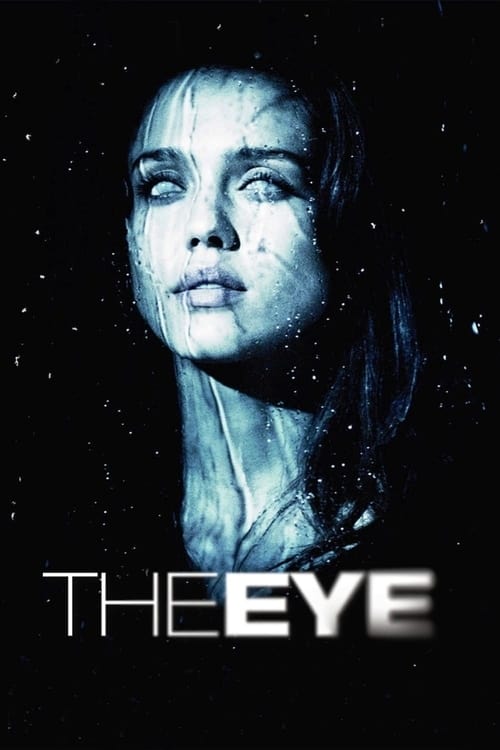
By the time 2008 rolled around, the Hollywood machine had effectively strip-mined Asian horror for every drop of spooky ghost-girl oil it could find. We had already weathered the cursed videotapes of The Ring and the rattling croaks of The Grudge, so when a remake of the Pang Brothers’ 2002 Hong Kong hit The Eye arrived, it felt less like a fresh nightmare and more like a corporate checklist. It was a strange moment in cinema history—a period where the industry was pivoting from the "torture porn" of Saw back toward supernatural gloss, all while trying to figure out if digital effects could finally replace the grit of practical makeup.

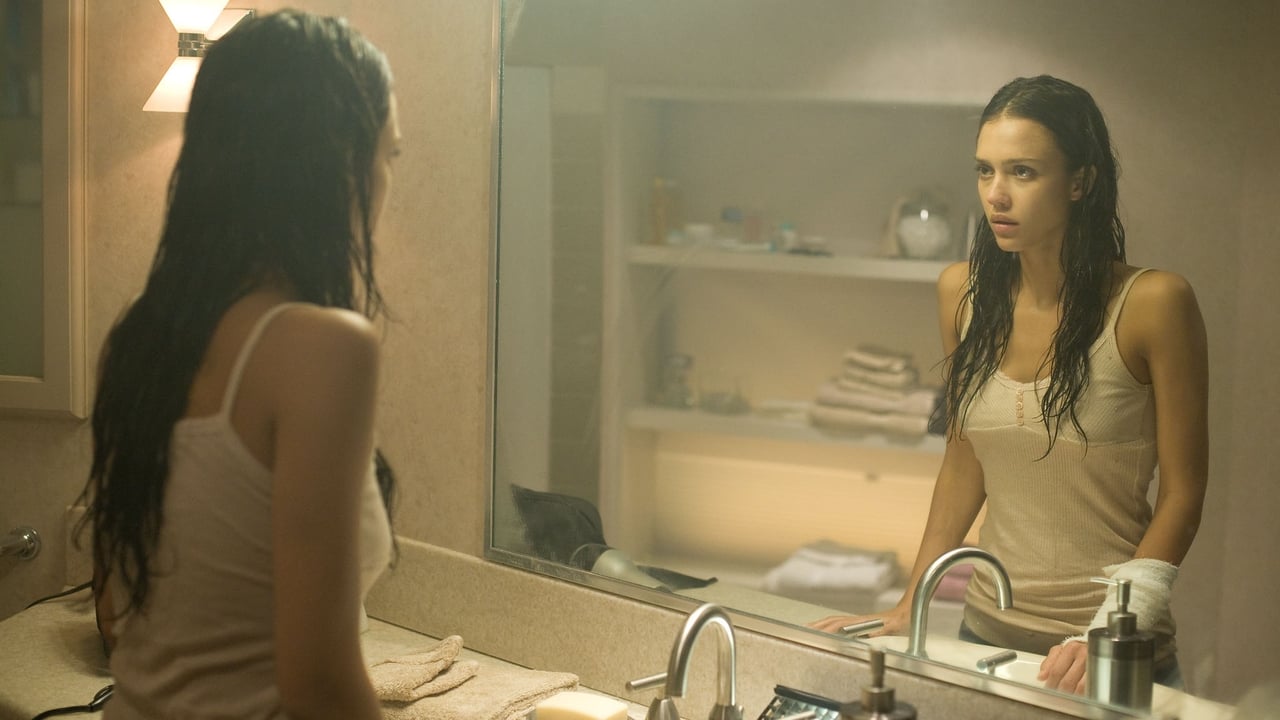
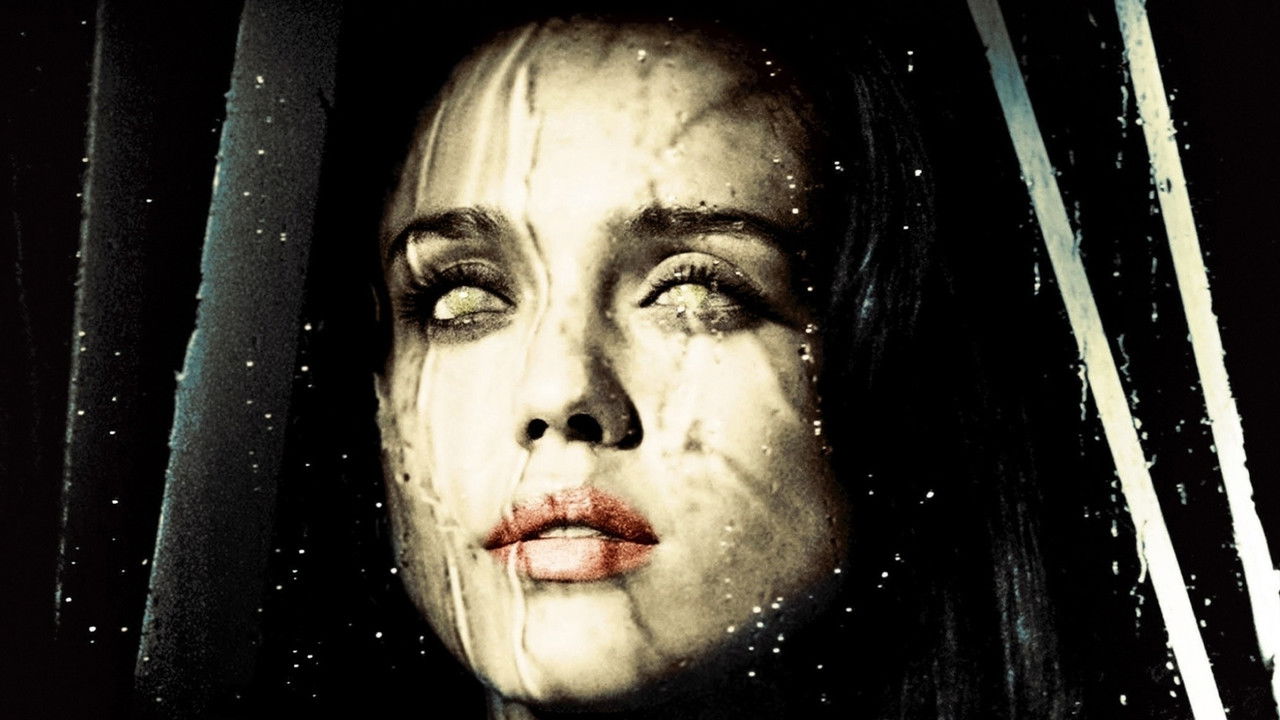
I watched this while nursing a lukewarm Diet Coke and a mild case of hay fever, which honestly made the teary-eyed protagonist more relatable. The film follows Sydney Wells, a concert violinist played by Jessica Alba, who has been blind since childhood. After a double cornea transplant, her sight returns, but it brings along some unwanted spectral baggage. It turns out her new eyes have "cellular memory," allowing her to see the grim reapers who escort the dead to the afterlife, along with the traumatic final moments of the eyes' previous owner.
The Ghost in the Cornea
The "cellular memory" trope was a massive fascination in the mid-2000s, appearing in everything from medical dramas to B-grade thrillers. In The Eye, it serves as the bridge between a medical miracle and a haunting. Jessica Alba handles the physical requirements of the role well enough—she learned to play the violin and spent time with the blind to prepare—but the script often leaves her staring blankly at things that aren't there, waiting for the next jump scare to trigger. Jessica Alba playing a blind violinist feels exactly like a studio executive’s fever dream of prestige casting.
The supporting cast is surprisingly over-qualified. Alessandro Nivola plays the skeptical doctor who, of course, eventually becomes a believer, while the legendary Parker Posey shows up as Sydney’s sister. It’s always a treat to see Parker Posey on screen, even when she’s trapped in a role that mostly requires her to look concerned in well-lit hallways. We even get a very young Chloë Grace Moretz as a fellow patient, providing a glimpse of the star power that would soon dominate the next decade of genre filmmaking.
A French Export in a Hollywood Filter
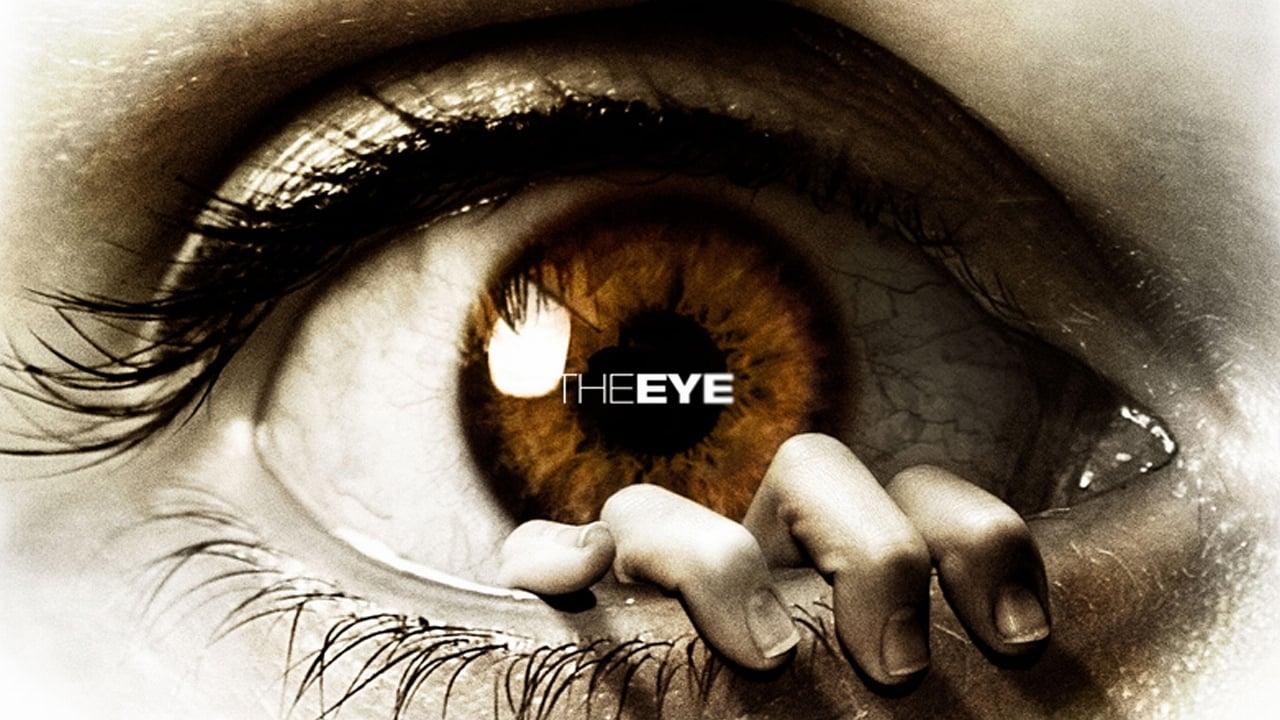
What makes the 2008 version of The Eye a fascinating curiosity is its pedigree. It was directed by David Moreau and Xavier Palud, the duo behind the 2006 French horror film Ils (Them). That film was a lean, terrifying masterpiece of tension that relied on silence and shadows. In Hollywood, however, that subtlety was largely discarded. Instead of the creeping dread that made the original Hong Kong version so effective, we get a barrage of "stingers"—those loud, dissonant musical crashes designed to make you jump even if nothing scary is happening.
There is a famous sequence in the original film involving an elevator and a slow-turning ghost that is considered a high-water mark for 2000s horror. In this remake, the scene is recreated with more expensive CGI and slicker production values, but it loses the uncanny, lo-fi shivering quality that made the 2002 version stick in your brain. It’s a prime example of how to ruin a perfectly good jump scare with aggressive, loud-noises-only sound design. The ghosts themselves, designed with the help of digital touch-ups, feel a bit too much like "movie monsters" and not enough like lingering spirits.
The DVD Era and the Death of a Trend
Looking back, The Eye is a perfect artifact of the late-DVD era. I remember the special features on these types of releases—the "Experience Blindness" featurettes and the "Seeing Ghosts" documentaries that tried to ground the movie in some semblance of reality. This was a time when studios still cared about the physical disc release, hoping that deleted scenes and "making-of" clips would justify a $20 purchase at a Best Buy.
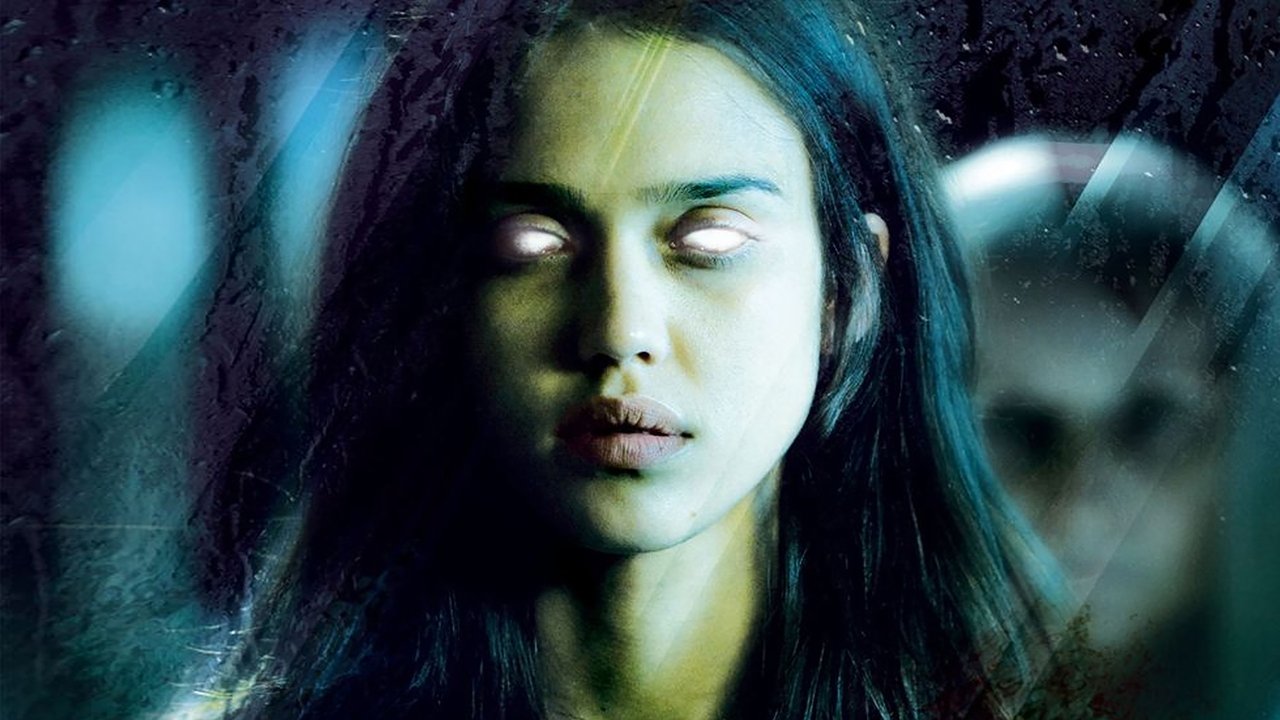
The film also captures the transition of horror aesthetics. We were moving away from the grainy, film-stock look of the 90s and into a hyper-clean, digitally graded world. Everything in The Eye is polished to a mirror shine, which ironically makes it less frightening. The grit of the original film made the supernatural feel like it was bleeding into the real world; here, the "real world" looks just as artificial as the ghosts. By the time the film reaches its explosive, action-heavy finale (which involves a border crossing and a lot of fire), it has abandoned horror entirely for the sake of a blockbuster-style climax.
Ultimately, The Eye is a victim of its own timing. It arrived at the tail end of the Asian horror remake craze, just as audiences were starting to migrate toward the "found footage" realism of Paranormal Activity. It’s a handsomely mounted production with a decent score by Marco Beltrami, but it lacks the soul—and the genuine scares—of the source material. It remains a glossy relic of a decade that tried to turn global nightmares into predictable suburban thrillers, worth a look only if you’re a completionist of 2000s genre cinema or a fan of Jessica Alba’s brief flirtation with the macabre.
Keep Exploring...
-
Untraceable
2008
-
Carriers
2009
-
The Good Son
1993
-

Dreamcatcher
2003
-
The Last House on the Left
2009
-
The Rite
2011
-
The Ring Two
2005
-
After.Life
2009
-

Red Riding Hood
2011
-
Gothika
2003
-
The Forgotten
2004
-
Walking Tall
2004
-
Derailed
2005
-
Premonition
2007
-
The Hitcher
2007
-

Lakeview Terrace
2008
-
The Descent: Part 2
2009
-
The Haunting in Connecticut
2009
-
The Stepfather
2009
-
13
2010