The House Bunny
"Who says you can’t teach an old bunny new tricks?"
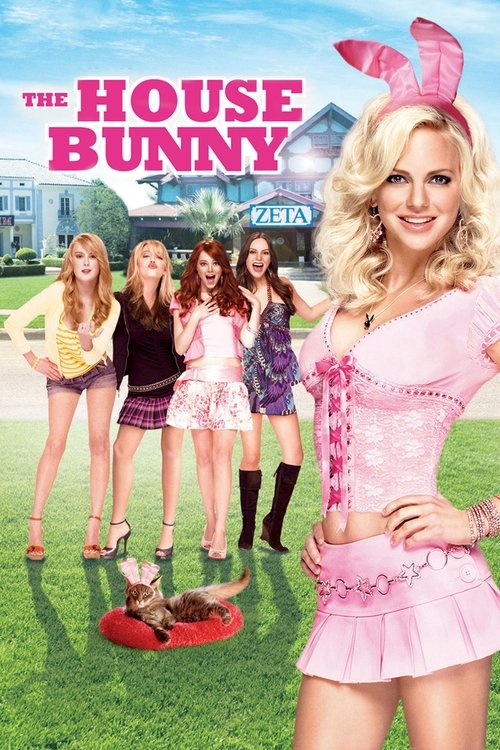
There is a specific, guttural sound Anna Faris makes when she’s trying to remember a name that belongs in a museum of comedic timing. It’s somewhere between a foghorn and a gargling Muppet, and it’s the secret sauce that prevents The House Bunny from being just another disposable mid-aughts makeover flick. While the 2008 cinematic landscape was busy being redefined by the birth of the MCU and the gritty realism of The Dark Knight, a small production from Adam Sandler’s Happy Madison crew was busy proving that a movie about a displaced Playboy Bunny could actually have a giant, neon-pink heart.
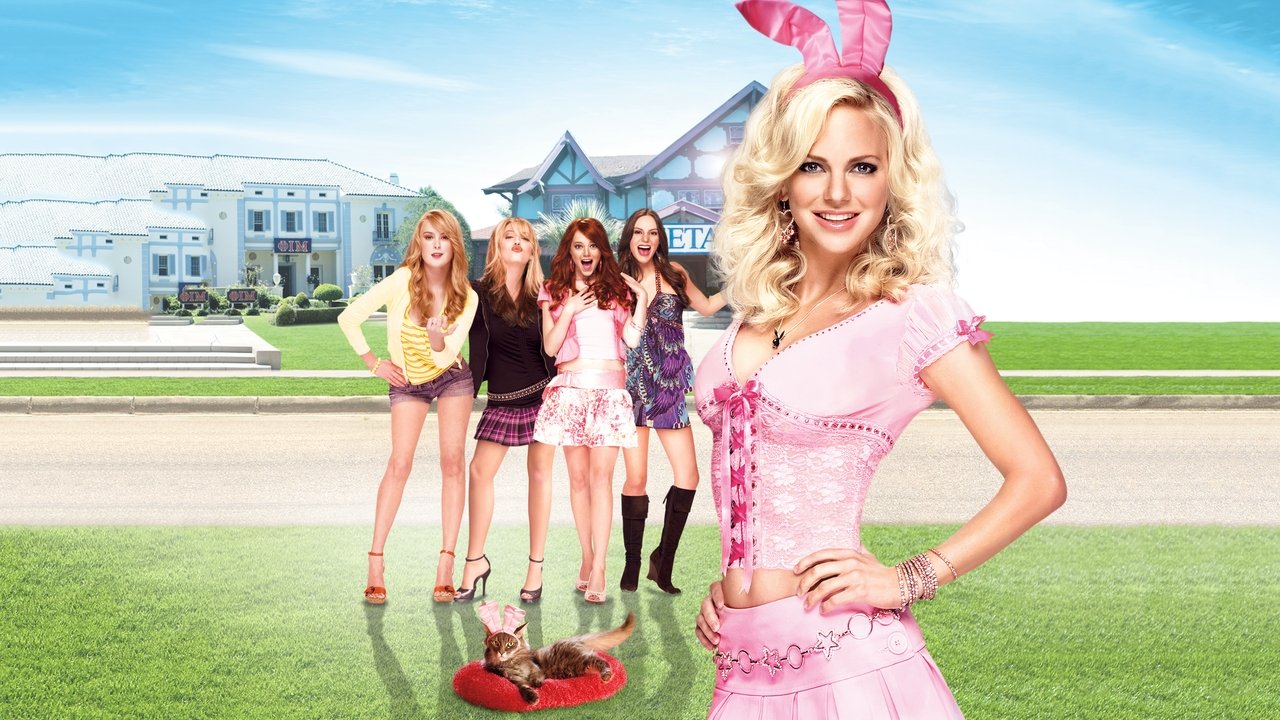
I recently rewatched this on a Sunday afternoon while eating a bag of slightly stale pretzel M&Ms, and I was struck by how much more "wholesome" it feels than I remembered. In an era where comedies often leaned into mean-spirited irony, The House Bunny is aggressively, almost defiantly, kind.
The Power of the Faris-m
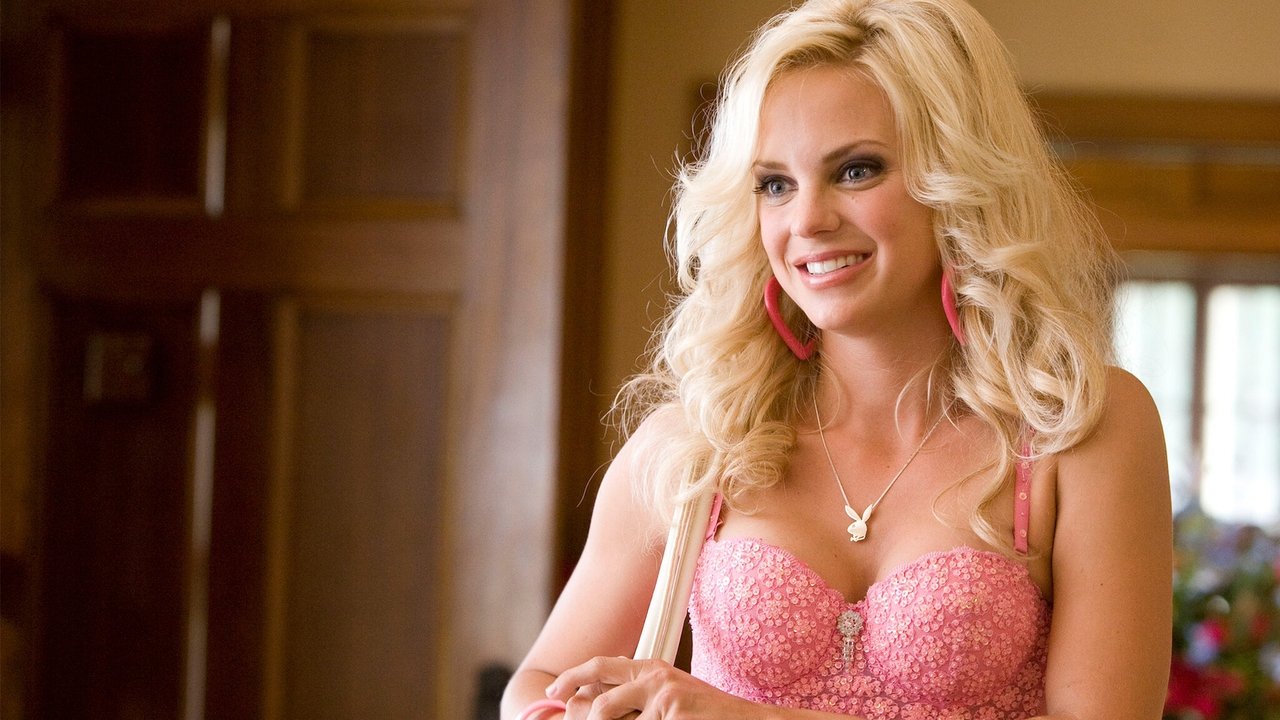
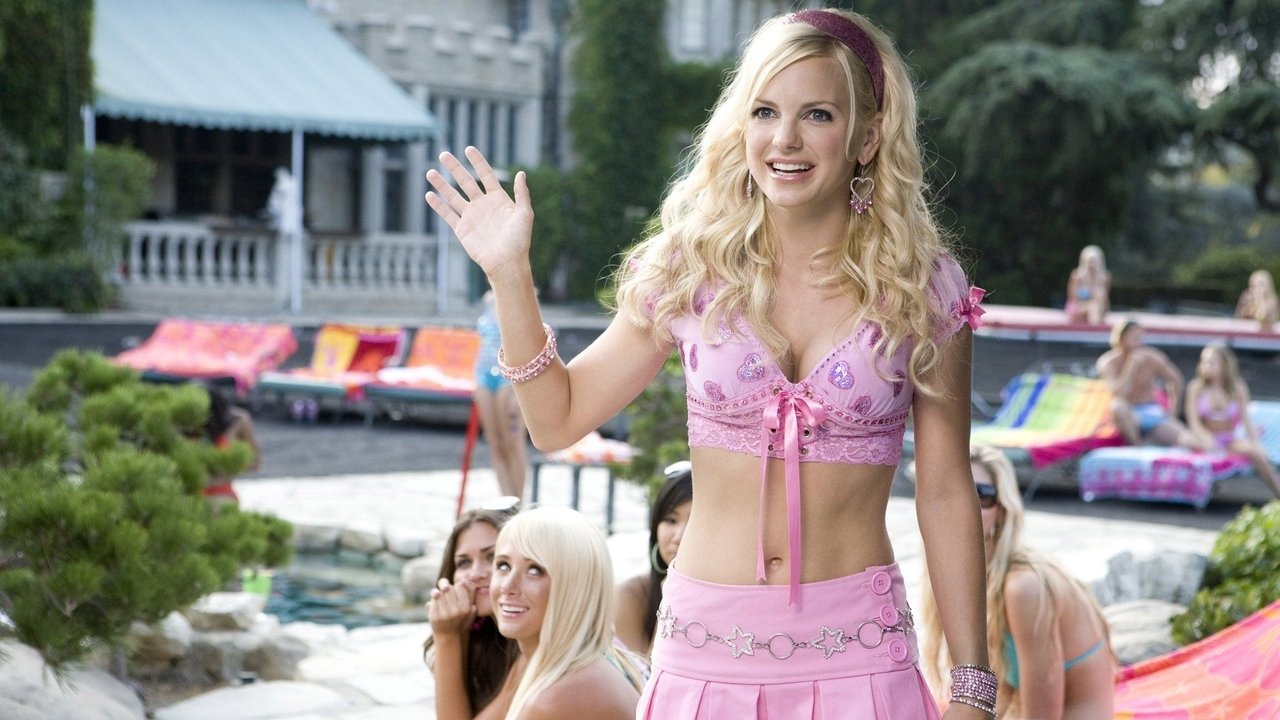
The plot is a classic fish-out-of-water setup: Shelley Darlington (Anna Faris) is "aged out" of the Playboy Mansion at the ripe old age of 27. Through a series of events involving a very tan Hugh Hefner, she stumbles into the role of house mother for the Zeta Alpha Zeta sorority. These aren't just your standard "nerdy" girls; they are social pariahs who seem to have been styled by a committee that has never seen a human outside of a library.
Anna Faris is the entire reason this engine turns. She approaches the character of Shelley not as a "dumb blonde" stereotype, but as a hyper-optimistic, benevolent alien trying to understand Earth’s social customs. Her physical comedy is elite. Watch the way she handles a pair of oversized sunglasses or navigates a set of stairs; it’s a masterclass in controlled clumsiness. She carries the same DNA as Goldie Hawn or Lucille Ball, where the beauty is a secondary trait to the absolute commitment to the bit. Shelley Darlington is arguably the most benevolent protagonist in the history of cinema. She has no hidden agenda, no malice, and genuinely believes that a smoky eye can solve a housing crisis.
A 2008 Time Capsule
Looking back, The House Bunny serves as a fascinating archaeological site for 2008 culture. We are talking about the peak of the "Playboy" brand being a lifestyle choice for the average American suburbanite. This was the era of The Girls Next Door on E!, where the mansion was seen as a sparkly sorority house rather than a relic of a dying patriarch. The film reflects that transition from the analog glitz of the 90s into the digital, DIY world of the late 2000s.
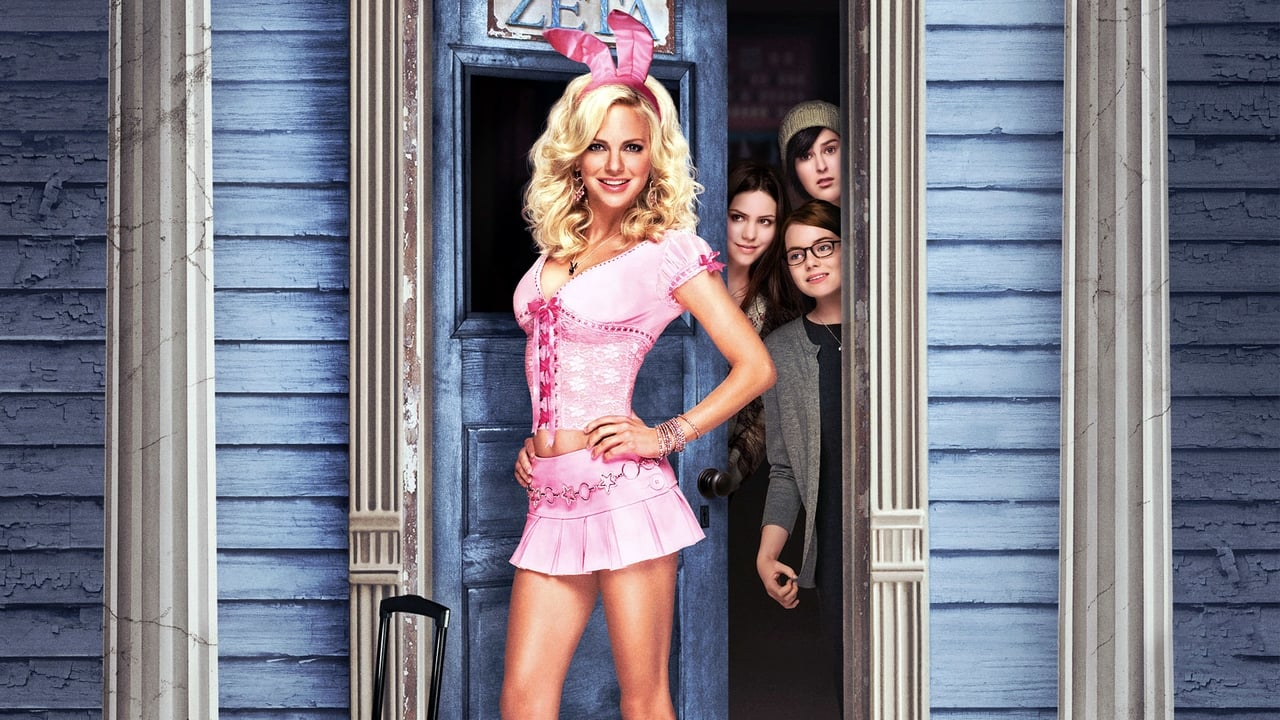
The supporting cast is a genuine "Who's Who" of talent just before they hit the stratosphere. You’ve got Emma Stone as Natalie, playing a high-strung intellectual before Easy A made her a household name. There’s Kat Dennings as Mona, bringing the dry, goth-lite wit that would eventually carry 2 Broke Girls. Even Katharine McPhee pops up, fresh off her American Idol run. Seeing them all together now feels like looking at a high school yearbook for Hollywood’s future A-list.
The writing, handled by Kirsten Smith and Karen McCullah (the geniuses behind Legally Blonde and 10 Things I Hate About You), is much sharper than the marketing let on. They specialize in "girl world" politics that somehow manage to empower the characters without turning them into caricatures. The makeover montage—a staple of the genre—is handled with a wink. They aren’t just becoming "pretty"; they are learning how to use aesthetic armor to navigate a world that had previously ignored them.
Stuff You Didn't Notice
One of the more interesting bits of trivia is that Anna Faris actually developed the concept for the film herself before bringing it to the writers. She wanted to explore the idea of a character who found her entire identity in a place like the Mansion and then had to find a "soul" in the real world. Apparently, the scene where Shelley learns the names of the girls by repeating them in a terrifying, demonic voice was an improvisation by Faris that the director, Fred Wolf, loved so much he kept it in.
The chemistry between Faris and Colin Hanks (who plays Oliver, the "nice guy" love interest) is surprisingly grounded. Hanks plays it straight, which is exactly what a movie this wacky needs. He doesn't treat Shelley like a joke, which helps the audience invest in her growth. It’s also worth noting that the film’s budget was a lean $25 million, yet it looks much more expensive thanks to the use of actual Playboy Mansion locations and a vibrant, candy-colored palette by cinematographer Shelly Johnson.
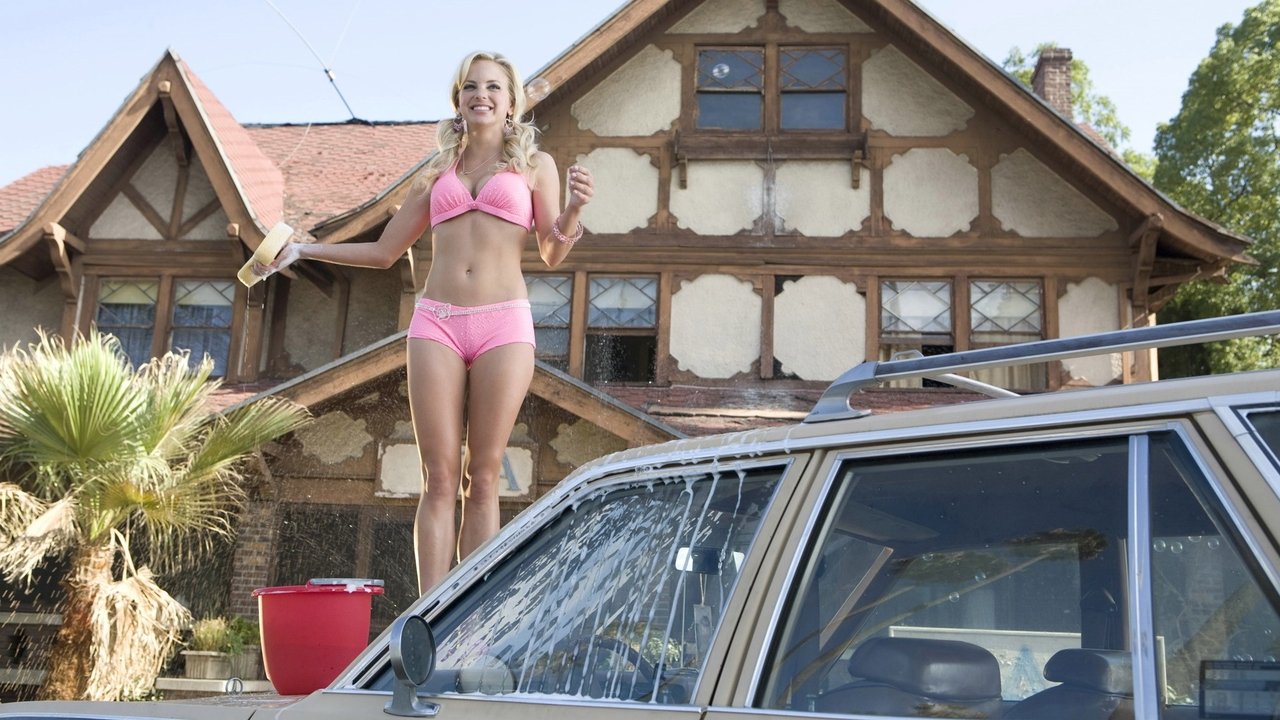
Despite its success, the film often gets lumped in with the "trashy" comedies of the decade. But re-assessing it today, the humor holds up remarkably well. The Phi Iota Mu girls are essentially cardboard cutouts spray-painted with Mean Girl leftovers, but they serve their purpose as the perfect foils for Shelley’s brand of inclusivity. While some of the CGI—specifically the bits involving Shelley’s internal "imagination"—looks a bit dated now, the practical jokes and the rapid-fire dialogue remain fresh.
Ultimately, The House Bunny succeeds because it refuses to be cynical. It’s a movie that celebrates the idea that you can be smart and like lip gloss, or be a "bunny" and have a brain. It’s light, frothy, and infinitely rewatchable, much like the DVD era it helped define. If you’re looking for a dose of 2000s sunshine and a performance that proves Anna Faris is a comedic heavyweight, this house is definitely worth a visit.
By the time the Zetas find their confidence and Shelley finds her individuality, you realize you haven't just been watching a makeover movie. You've been watching a surprisingly effective comedy about finding where you belong when the only world you knew kicks you out. It doesn't need to be a "modern classic" to be a total delight. It just needs to be itself, which is exactly what the movie preaches.
Keep Exploring...
-
Nick and Norah's Infinite Playlist
2008
-
First Daughter
2004
-
Are We There Yet?
2005
-
Casanova
2005
-
The Sisterhood of the Traveling Pants
2005
-
Aquamarine
2006
-
Morning Glory
2010
-
What to Expect When You're Expecting
2012
-

Failure to Launch
2006
-
Fool's Gold
2008
-
The Rebound
2009
-

Heartbreaker
2010
-

Salmon Fishing in the Yemen
2012
-
Drinking Buddies
2013
-
Ghosts of Girlfriends Past
2009
-
Out of Sight
1998
-
Never Been Kissed
1999
-
Kate & Leopold
2001
-
S1m0ne
2002
-
The Sweetest Thing
2002