The Hurt Locker
"The rush of battle is often a lethal addiction."
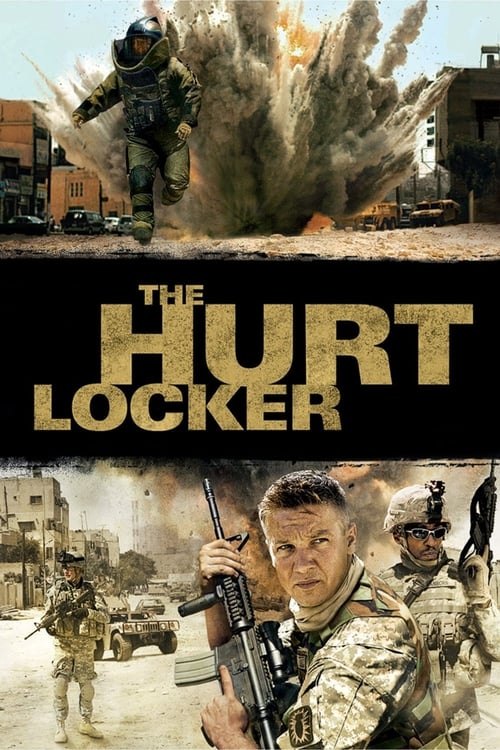
The air in Iraq doesn't just shimmer; it feels heavy, like it’s pressing against your chest with the weight of a thousand unexploded secrets. Most war movies from the early 2000s tried to sell us on the politics, the "why we’re here" of it all, but Kathryn Bigelow decided to ignore the Senate hearings and focus on the sweat. I remember watching this for the first time on a laptop with a hairline crack across the screen while my neighbor was outside power-washing his driveway—the relentless drone of his machine actually blended perfectly with the film's low-frequency hum of dread.
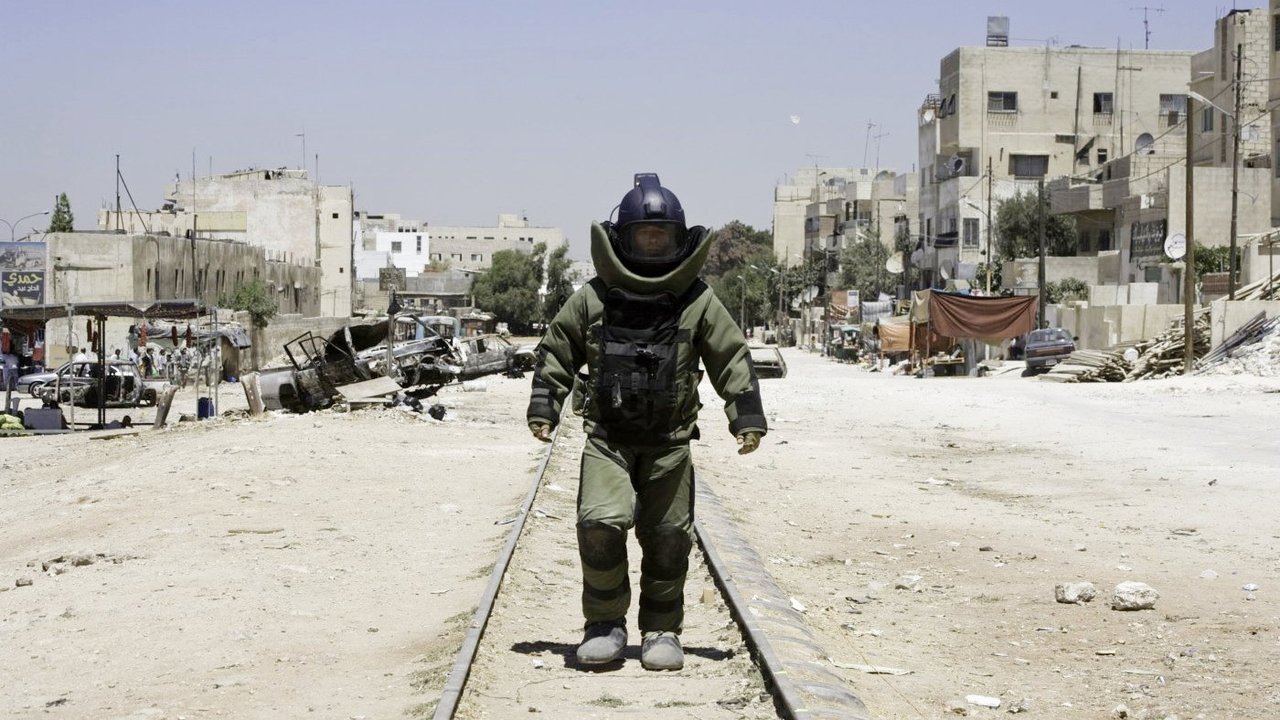
The Adrenaline of the Long Walk
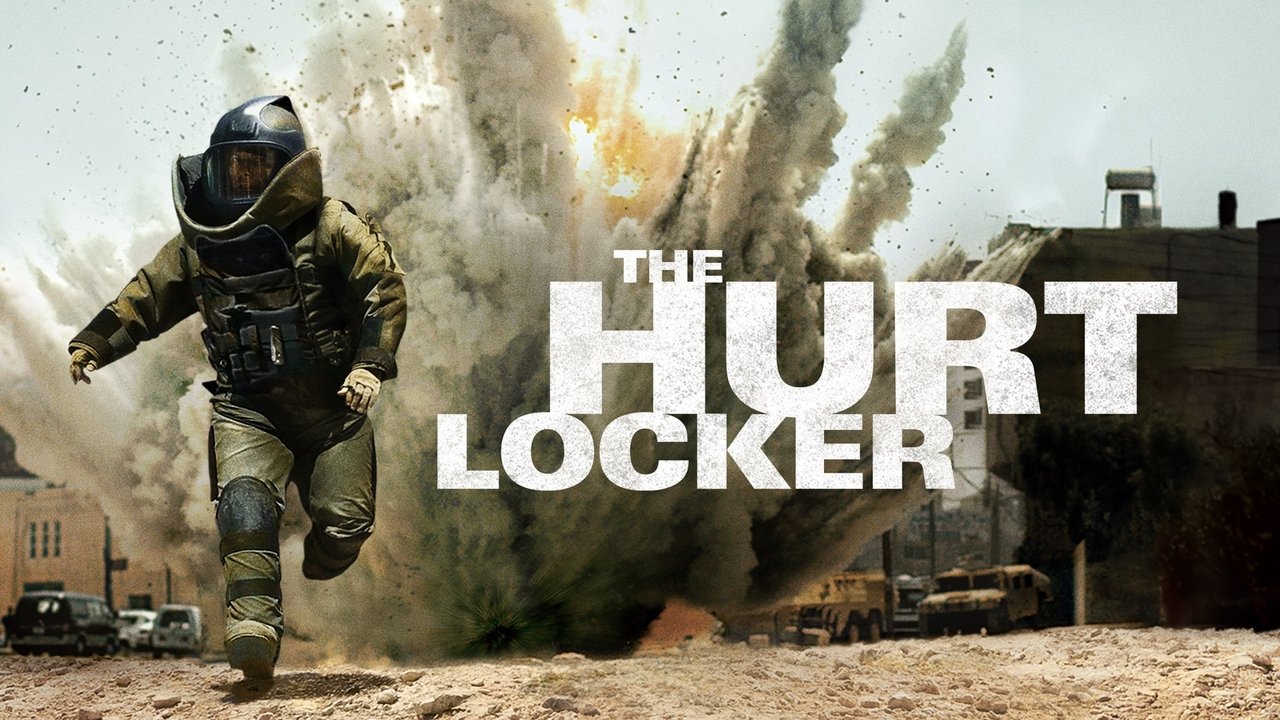
The Hurt Locker isn’t a war movie in the traditional sense; it’s a high-stakes addiction drama where the drug happens to be C4 and rusty detonators. We follow an Explosive Ordnance Disposal (EOD) team as they rotate through the final weeks of their tour. When their level-headed leader is killed, he’s replaced by Staff Sergeant William James, played by a then-unknown Jeremy Renner.
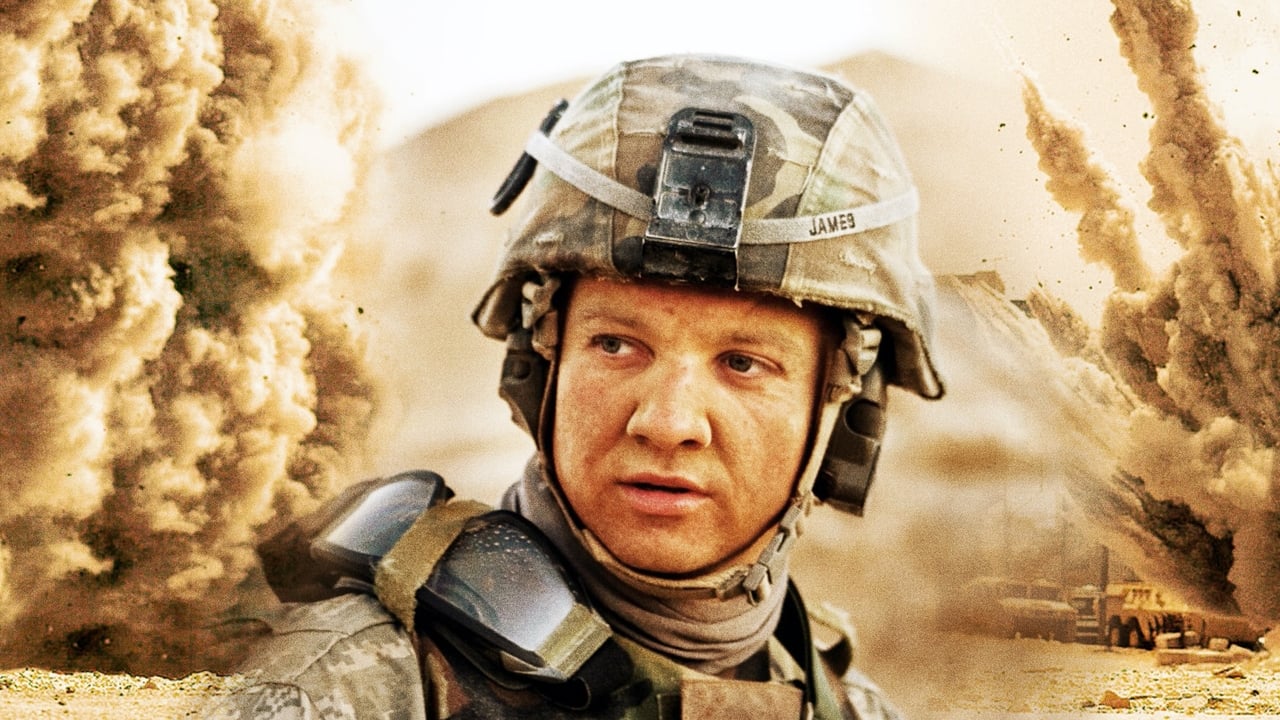
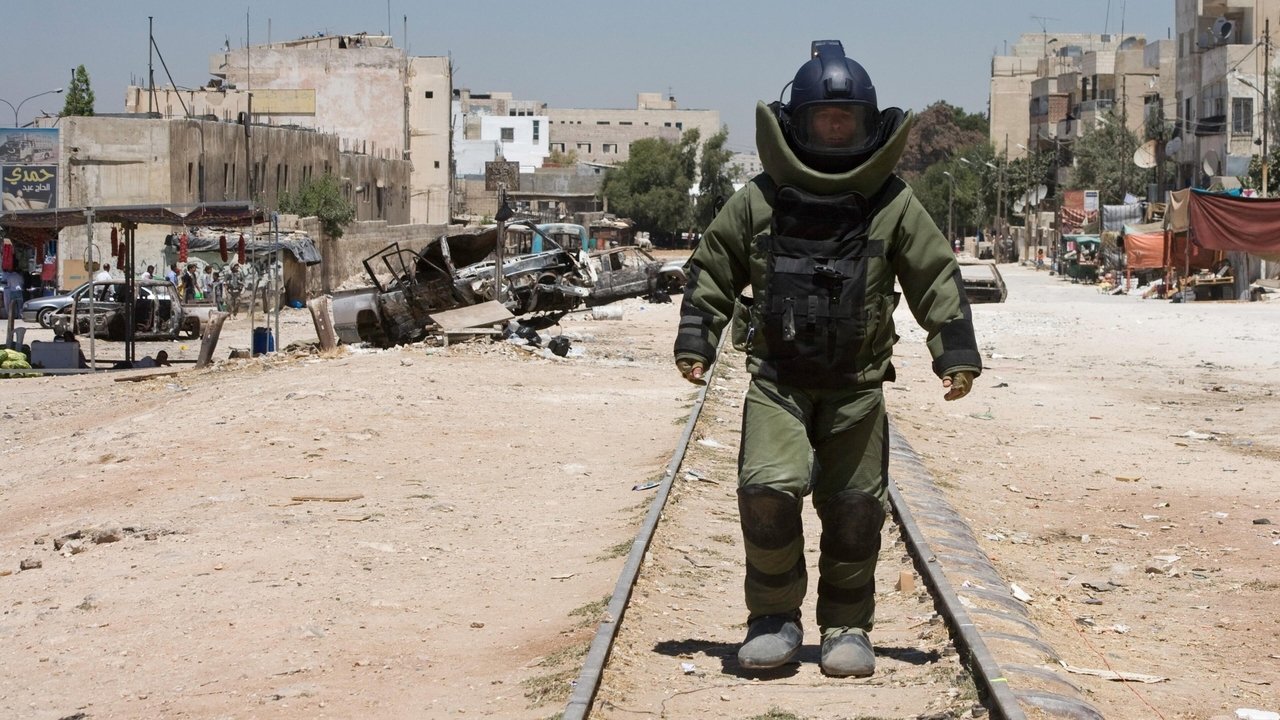
Jeremy Renner doesn't play James as a hero; he plays him as a man who is fundamentally broken everywhere except when he’s staring down a "daisy chain" of improvised explosives. He has this unsettling, coiled-spring energy that makes you realize he is the most dangerous thing in the movie, even more than the bombs. While his teammates, the weary Sergeant Sanborn (Anthony Mackie) and the increasingly fragile Specialist Eldridge (Brian Geraghty), are counting the days until they can go home, James is just counting the seconds until the next "long walk" into the kill zone.
Grit, Grain, and Grimy Reality
Coming out in 2008, The Hurt Locker felt like a rejection of the glossy, CG-heavy blockbusters of the era. This was the year of Iron Man, yet Bigelow went the opposite direction. She and cinematographer Barry Ackroyd (who brought that same "you are there" shakiness from United 93) shot on 16mm film with multiple cameras running simultaneously. It gives the movie a frantic, newsreel quality that digital cameras of that time still couldn't quite replicate.
There’s a specific scene involving a desert sniper standoff that lasts for what feels like an hour. There are no soaring orchestral swells here. Instead, you hear the flies buzzing around the characters' heads and the sound of a single juice box being sucked dry. It’s agonizing. It captures the post-9/11 anxiety of an invisible enemy better than any "Mission Accomplished" speech ever could. Looking back, it’s a miracle this film found an audience at all. It was a tiny indie production that struggled for distribution, yet it eventually managed to outmuscle the behemoth Avatar—directed by Bigelow’s ex-husband, James Cameron—at the Oscars.
From the "Hurt Locker" to the Cereal Aisle
The "Hurt Locker" itself is slang for a place of ultimate pain, but for William James, the real hurt locker is a grocery store back in the States. There is a haunting shot late in the film where James stands in a cereal aisle, staring at a wall of identical boxes. After months of making life-or-death decisions in seconds, the choice between Cocoa Puffs and Corn Flakes feels utterly paralyzing. It’s one of the most effective depictions of the "re-entry" struggle I’ve ever seen.
The film’s cult status grew largely through word-of-mouth among veterans and film nerds who were tired of the "super-soldier" trope. It wasn't a hit at the box office—it’s actually one of the lowest-grossing Best Picture winners in history—but its influence is massive. It launched Jeremy Renner and Anthony Mackie into the stratosphere, essentially serving as a high-intensity audition for their future roles in the MCU.
Cool Details You Might Have Missed:
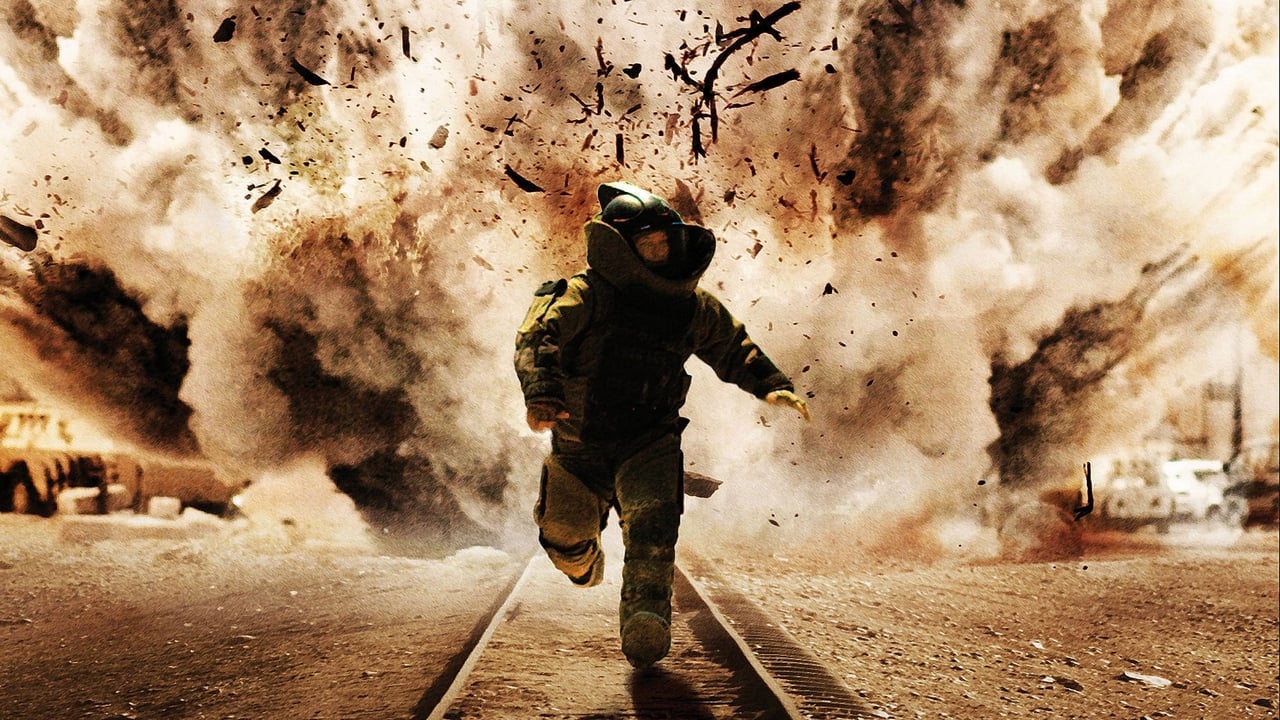
To keep the reactions authentic, the actors wore the 100-pound bomb suits in 110-degree Jordanian heat. Jeremy Renner reportedly lost several pounds of water weight during the shoot. The production was so "indie" that they often used real Iraqi refugees as extras, and the filming locations were often just miles from the actual Iraqi border. Guy Pearce and Ralph Fiennes show up in what are essentially glorified cameos. Killing off big stars early is a classic move to tell the audience that no one is safe. The script was written by Mark Boal, a journalist who actually embedded with an EOD squad in 2004. Much of the dialogue was pulled directly from his notebooks. * The film’s "shaky cam" wasn't just for style; the crew used up to four cameras at once to ensure they never missed a spontaneous, unscripted moment from the actors.
This isn't a film you watch to feel good about the world. You watch it to feel the vibration of a ticking clock in your own marrow. Bigelow managed to create a masterpiece of tension that feels just as suffocating today as it did in 2008. It’s a somber, gritty reminder that for some people, the hardest part of war isn't the possibility of dying—it’s the terrifying realization that they don't know how to live without it. It’s a tough sit, but an essential one for anyone who wants to see what "edge of your seat" really means.
Keep Exploring...
-
Zero Dark Thirty
2012
-

Brothers
2009
-
Strange Days
1995
-

Detroit
2017
-
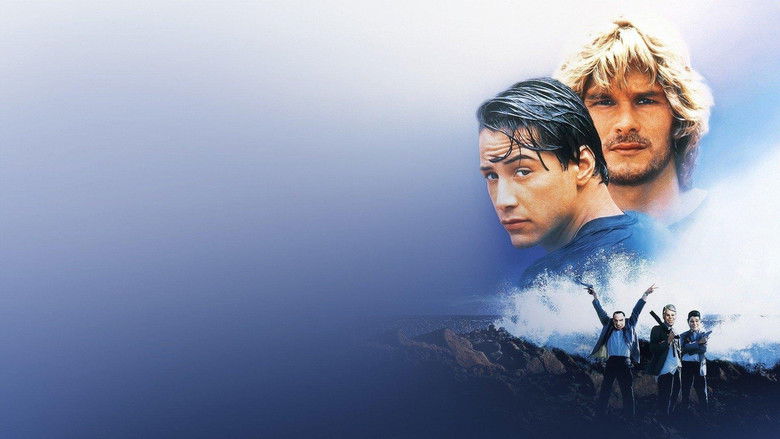
Point Break
1991
-
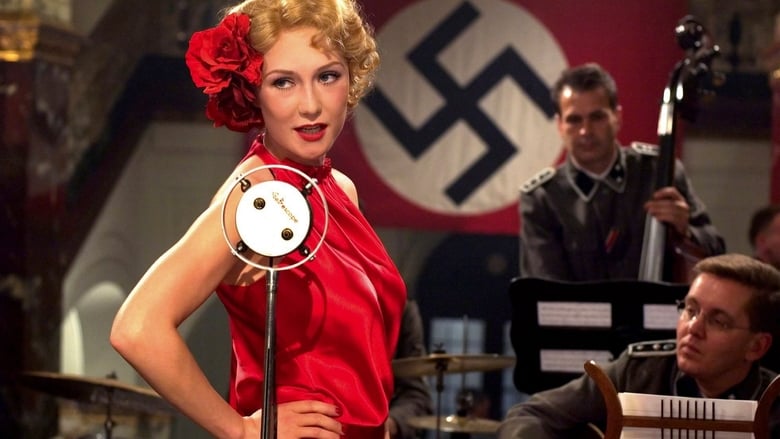
Black Book
2006
-
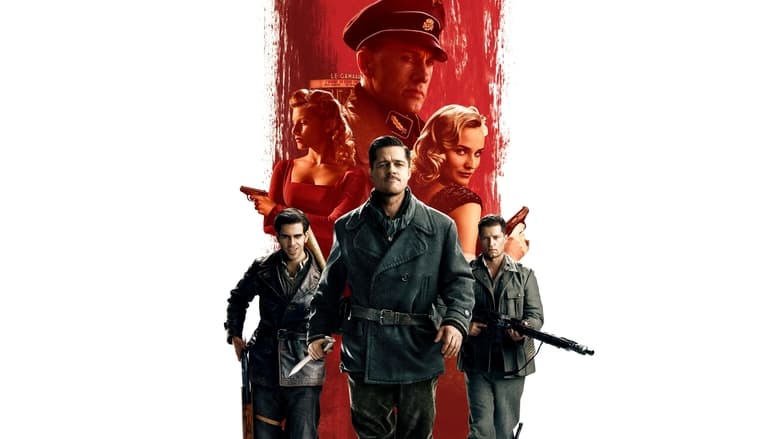
Inglourious Basterds
2009
-
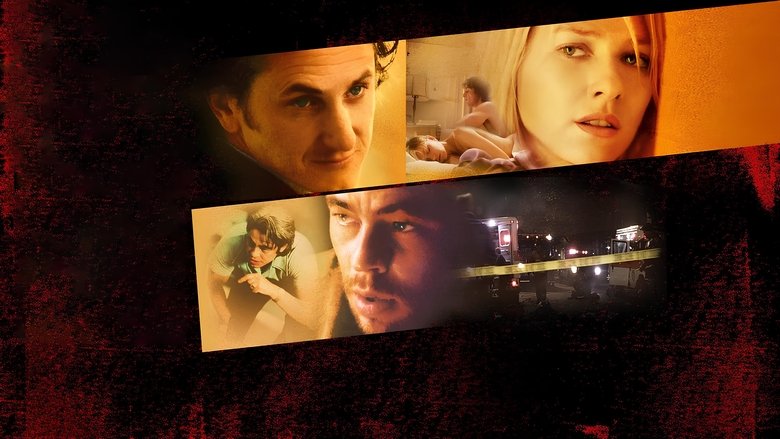
21 Grams
2003
-
The Machinist
2004
-

Match Point
2005
-
Letters from Iwo Jima
2006
-
Lucky Number Slevin
2006
-
The Illusionist
2006
-
127 Hours
2010
-
The Next Three Days
2010
-
Drive
2011
-
The Lincoln Lawyer
2011
-
End of Watch
2012
-
Valkyrie
2008
-
Green Zone
2010