The Incredible Hulk
"One man, two souls, zero control."
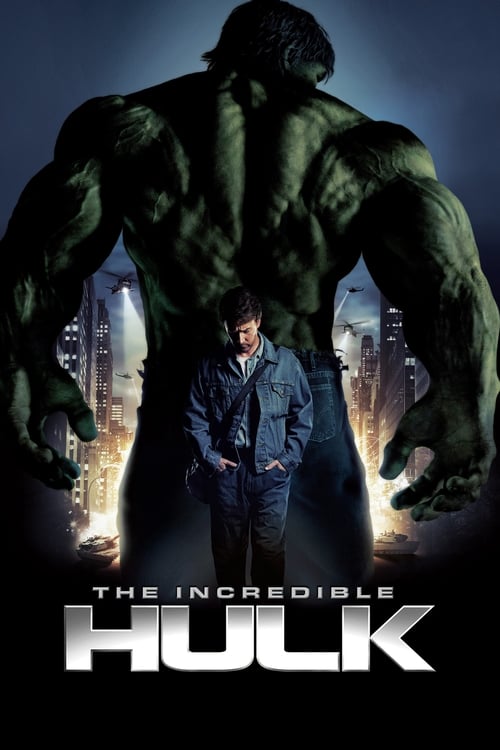
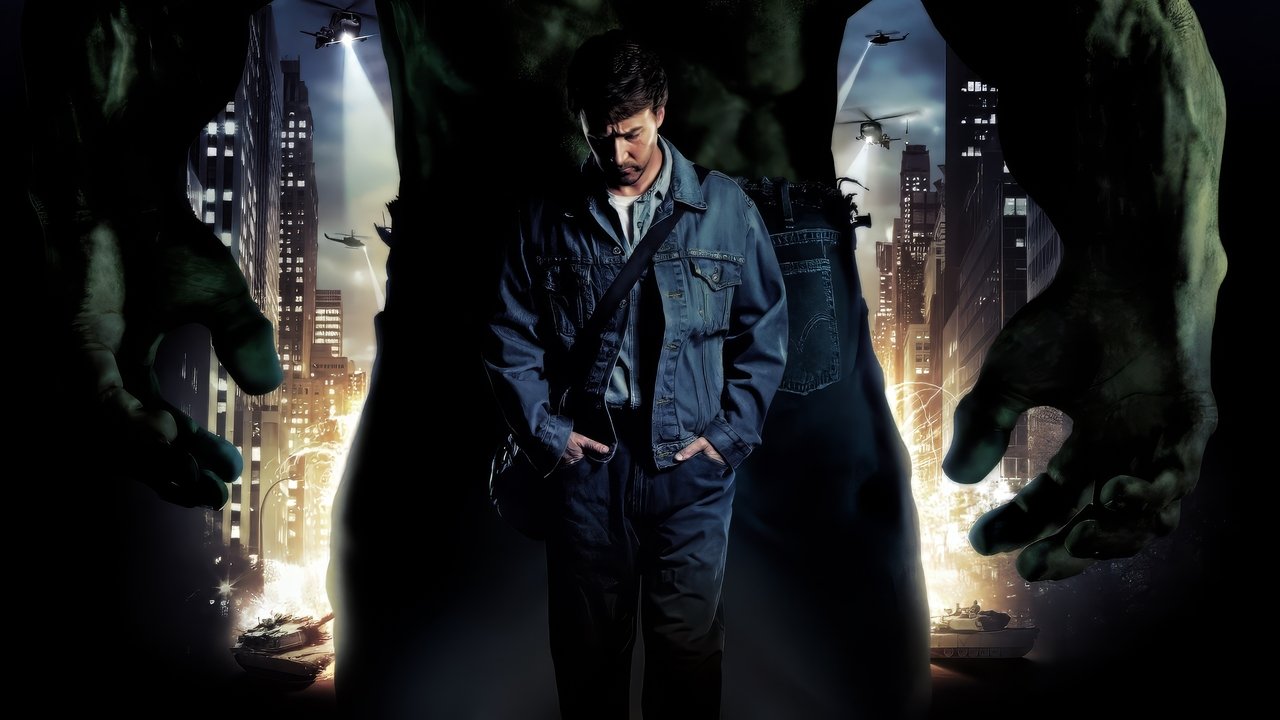
The opening ten minutes of The Incredible Hulk feel less like the birth of a multi-billion dollar cinematic universe and more like a paranoid 1970s thriller. We find Bruce Banner not in a high-tech lab, but in a sweltering Brazilian bottling plant, obsessively checking his heart rate and learning breathing techniques to keep the "Other Guy" at bay. It’s a sequence defined by shadows, sweat, and a palpable sense of anxiety. I watched this recently on a laptop with a dying battery while eating a bowl of cold spaghetti, and honestly, the sheer desperation of Banner’s fugitive lifestyle made my lukewarm dinner taste like a five-star meal by comparison.
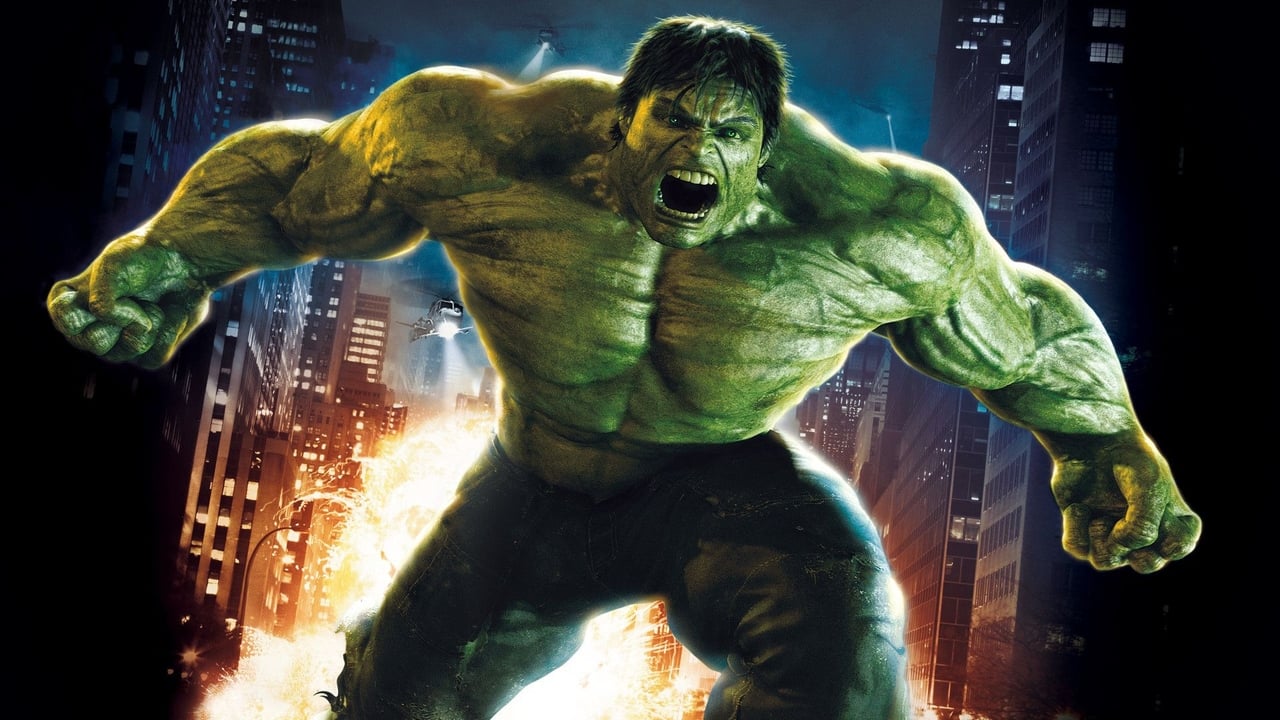
Looking back from our current vantage point—where every superhero movie feels like a two-hour commercial for the next three sequels—this 2008 outing is a fascinating relic. It’s the second entry in the Marvel Cinematic Universe, but it feels like it belongs to a different lineage entirely. It was released just a month after Iron Man, yet while Tony Stark was sipping martinis and redefining "cool," Bruce Banner was cauterizing his own wounds in a dirty sink.
The Bourne Gamma-Identity
The film’s director, Louis Leterrier (who had previously shown off his eye for kinetic movement in The Transporter), treats the first half of the movie as a chase film. There’s a fantastic sequence through the favelas of Rocinha where the camera follows Edward Norton with a jittery, handheld energy that owes more to Paul Greengrass than to comic book splash pages. Norton, an actor known for his intensity in films like Fight Club and American History X, brings a weary, intellectual weight to Banner. He’s essentially playing Jason Bourne with a thyroid problem.
This was the era of the "grounded" reboot. Following the success of Batman Begins and Casino Royale, Marvel was clearly testing the waters to see if a monster movie could double as a gritty military drama. William Hurt steps in as General 'Thunderbolt' Ross, and he plays the role with a terrifying, bureaucratic coldness. He isn’t a cackling villain; he’s a man who views Banner as government property that’s gone AWOL. The action feels heavy and consequential because the stakes are physical. When the Hulk finally appears in the shadows of the bottling plant, we don't see him clearly. We see the terror he inflicts on the commandos. It’s a monster movie play, and it works.
Practical Chaos in a Digital Skin
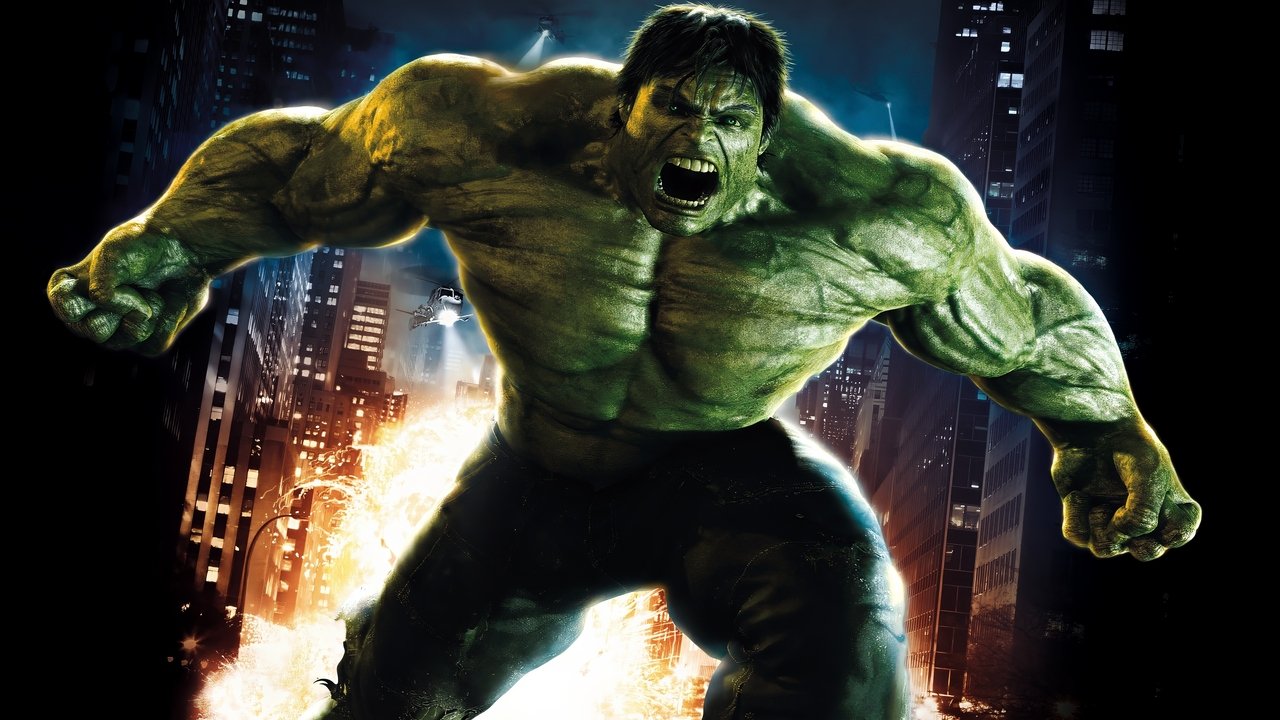
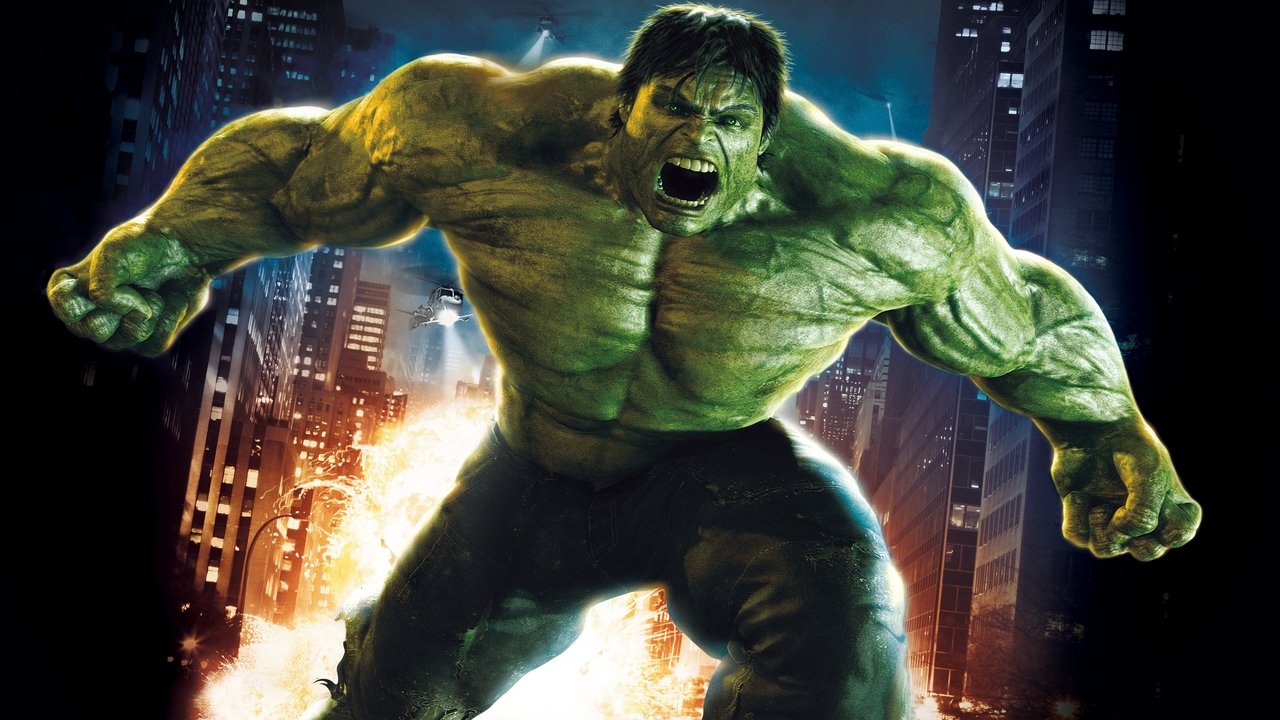
By 2008, the CGI revolution was in full swing, but the industry was still figuring out how to make a 9-foot-tall green giant look like he occupied real space. Compared to the neon-bright "shrek-like" Hulk of Ang Lee’s 2003 experiment, Leterrier’s Hulk is a veiny, sinewy nightmare. He looks like he’s in constant pain. The action choreography shifts from the parkour-heavy opening to a massive brawl on a college campus. This sequence is a highlight of the era’s action design, utilizing sonic cannons and practical explosions that give the digital Hulk something tangible to interact with.
The real spark in the action, however, comes from Tim Roth as Emil Blonsky. Before he becomes the CGI monstrosity known as the Abomination, Blonsky is a soldier who is addicted to the rush of the hunt. Roth is brilliant here, portraying a man who looks increasingly haggard as he injects himself with experimental super-soldier serum. The way he stares down the Hulk—darting between his legs with unnatural speed—gives the film a sense of David vs. Goliath tension that disappears once they both become giant monsters in the third act. Speaking of that finale, it’s a classic 2000s "gray-on-brown" city-leveling brawl. The Abomination looks like a giant, sentient pile of wet ginger root, but the sheer impact of the sound design—the crunching metal and the iconic "Hulk Smash"—makes it an entertaining, if somewhat messy, climax.
The Outlier of the MCU
Part of what makes The Incredible Hulk a cult curiosity today is the behind-the-scenes friction that has become Hollywood legend. Norton famously performed uncredited rewrites on Zak Penn’s script, pushing for more character-driven scenes and a moodier tone. Reports of his clashes with Kevin Feige and the studio eventually led to his replacement by Mark Ruffalo in The Avengers. This film is the "What If?" of the MCU—a glimpse into a version of this universe that was darker, less quippy, and more interested in the psychological toll of being a hero.
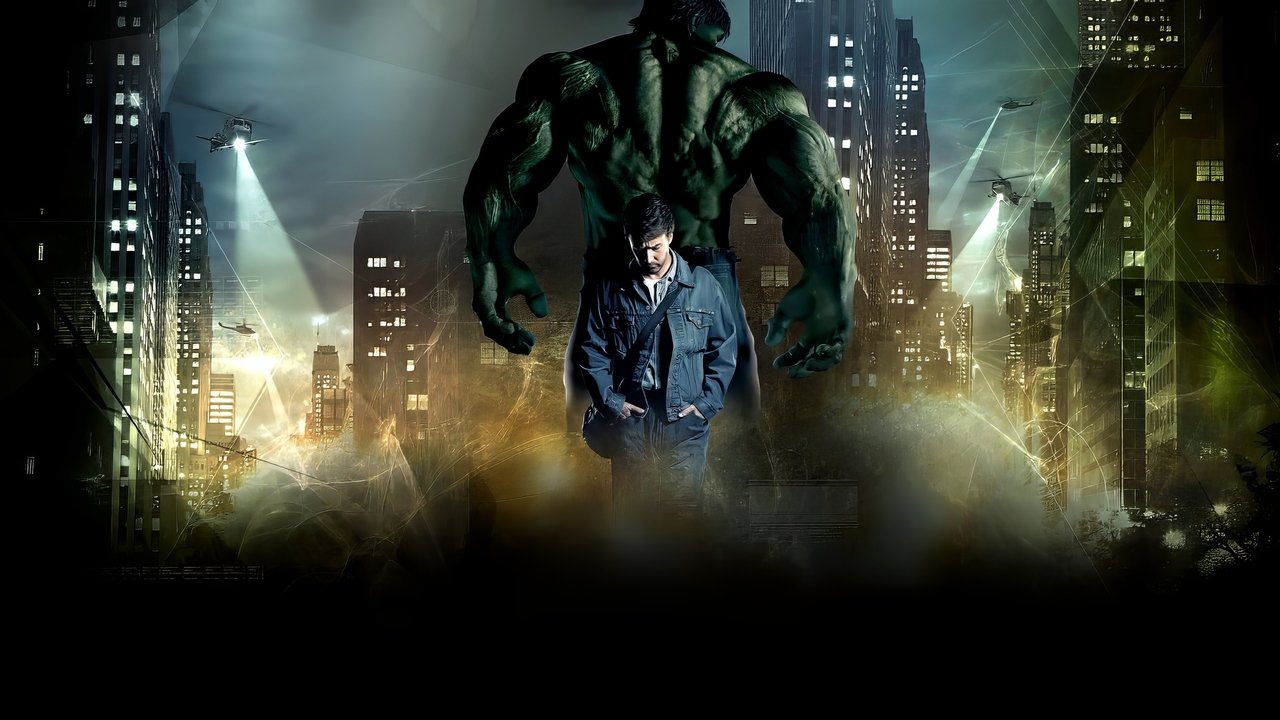
The "stuff you might have missed" list for this film is a goldmine for fans. There’s a deleted opening set in the Arctic where a certain frozen shield is briefly visible in the ice. Lou Ferrigno, the original TV Hulk, provides the voice for the monster and even has a cameo as a security guard. My personal favorite detail is the appearance of Tim Blake Nelson as Samuel Sterns; the way his head begins to pulsate at the end was a clear setup for a sequel that never came. It’s these dangling threads that give the movie its cult status. It’s a fragment of a story that the world moved past, but one that still packs a punch if you’re looking for a superhero movie with a bit more grit in its teeth.
This film is a fascinating bridge between two eras of cinema. It carries the DNA of the 90s thriller while trying to build the foundations of the 2010s franchise model. While it occasionally stumbles under the weight of its own CGI ambitions and the inevitable "big boss fight" requirements, the performances of Norton and Roth keep it anchored. It’s a movie about a man trying to stay quiet in a world that keeps getting louder, and while Marvel eventually found a louder, more successful version of the character, this moody, sweating, fugitive Hulk remains a journey worth taking.
Keep Exploring...
-

X-Men: The Last Stand
2006
-

The Host
2013
-
Hulk
2003
-
The Matrix Revolutions
2003
-
AVP: Alien vs. Predator
2004
-
The Island
2005
-
Superman Returns
2006
-
Fantastic Four: Rise of the Silver Surfer
2007
-
Babylon A.D.
2008
-
Jumper
2008
-

G.I. Joe: The Rise of Cobra
2009
-

X-Men Origins: Wolverine
2009
-
Clash of the Titans
2010
-
TRON: Legacy
2010
-

Captain America: The First Avenger
2011
-
I Am Number Four
2011
-

Battleship
2012
-

John Carter
2012
-

Ender's Game
2013
-

G.I. Joe: Retaliation
2013