The Little Mermaid: Ariel's Beginning
"Before the legs, there was a symphony of rebellion."
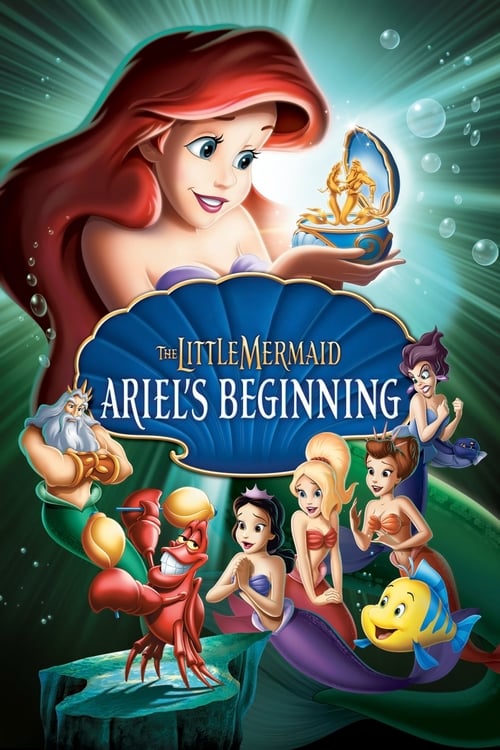
In the fading twilight of the Disney direct-to-video era—a period mostly defined by "cheap-quels" that looked like they were colored with half-dried markers—there arrived a film that actually bothered to ask why King Triton was such a colossal buzzkill in the first place. The Little Mermaid: Ariel's Beginning landed in 2008, right as the "Disney Movie Vault" was preparing to pivot from plastic DVD cases to the digital cloud. It’s a weirdly ambitious swan song for a studio division that spent most of the 90s and early 2000s trying to convince us that Cinderella II was a necessary cultural milestone.
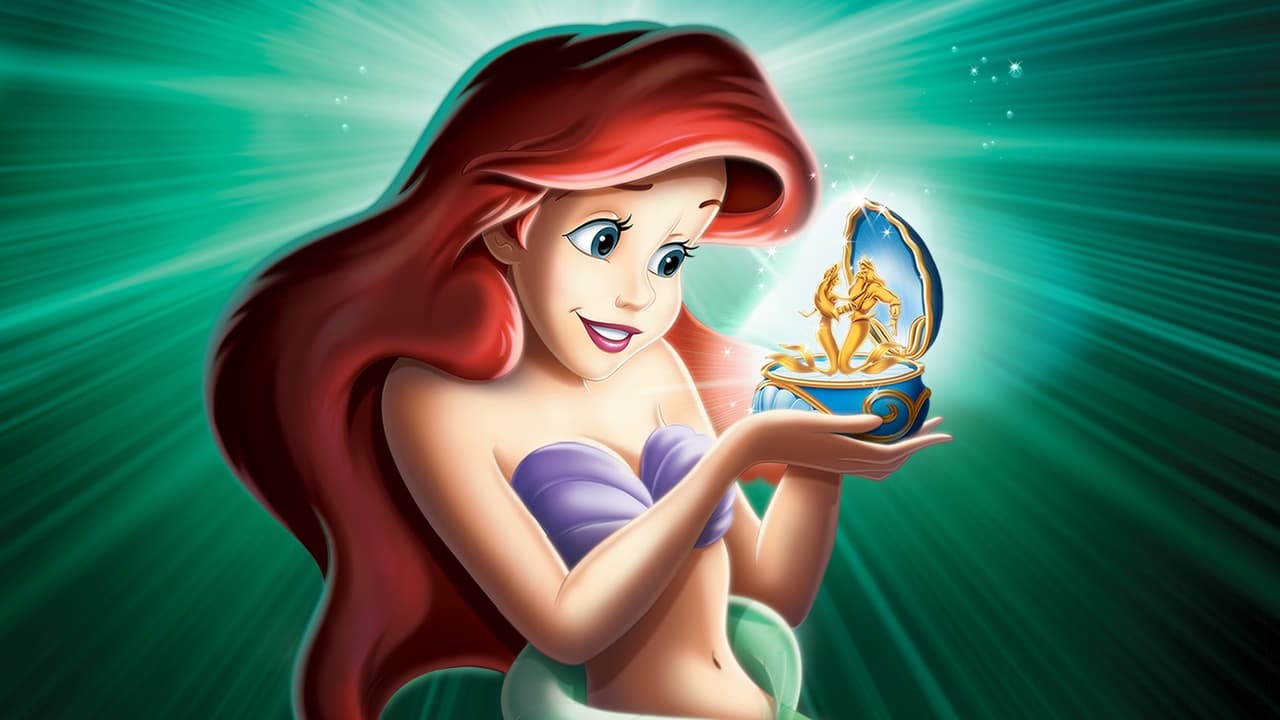
I watched this while eating a slightly stale granola bar I found in my desk—the kind of snack that, much like this movie, is surprisingly resilient despite being overlooked for a decade. It’s easy to dismiss these sequels as corporate fluff, but Ariel's Beginning has a certain "last day of school" energy. It was the final hand-drawn sequel produced by DisneyToon Studios before John Lasseter took the helm and essentially shut down the "sequel machine" in favor of original content. Consequently, the production values here are miles ahead of the 2000 sequel, Return to the Sea.
A Grief-Stricken Kingdom
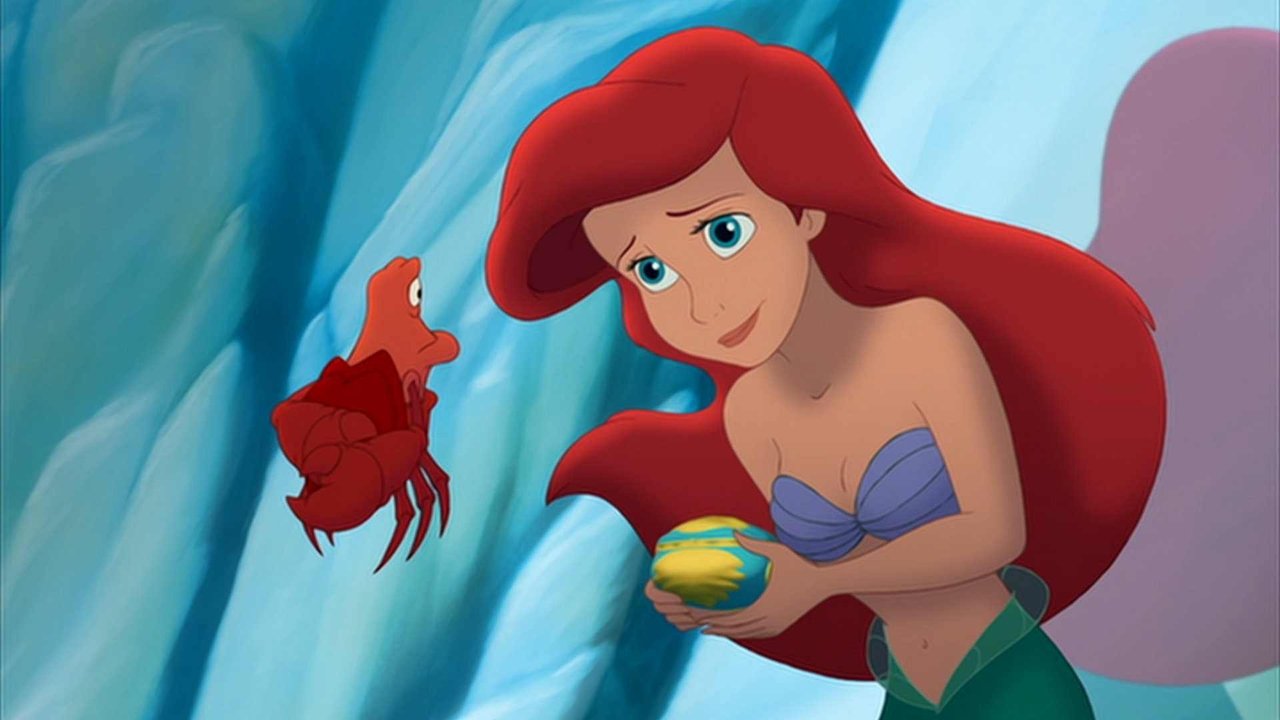
Instead of the usual "Ariel wants to be human" trope, this film functions as a surprisingly heavy family drama. We open with a flashback to a younger, happier Triton and his wife, Queen Athena. When a pirate ship (yes, actual pirates) causes a tragic accident that takes Athena’s life, Triton doesn't just mourn; he undergoes a total personality collapse. He bans music from Atlantica entirely.
It’s essentially Footloose with fins. Triton’s decision to ban music is the maritime equivalent of a dad deleting Spotify because he got a speeding ticket. It’s a heavy-handed metaphor for grief, but within the context of a kid’s movie, it works. Jim Cummings—who took over the role of King Triton after the passing of Kenneth Mars—brings a Shakespearean weight to the character. He isn't just a grumpy dad; he’s a man who has associated melody with the person he lost, and his journey toward rediscovering that joy provides the film's emotional backbone.
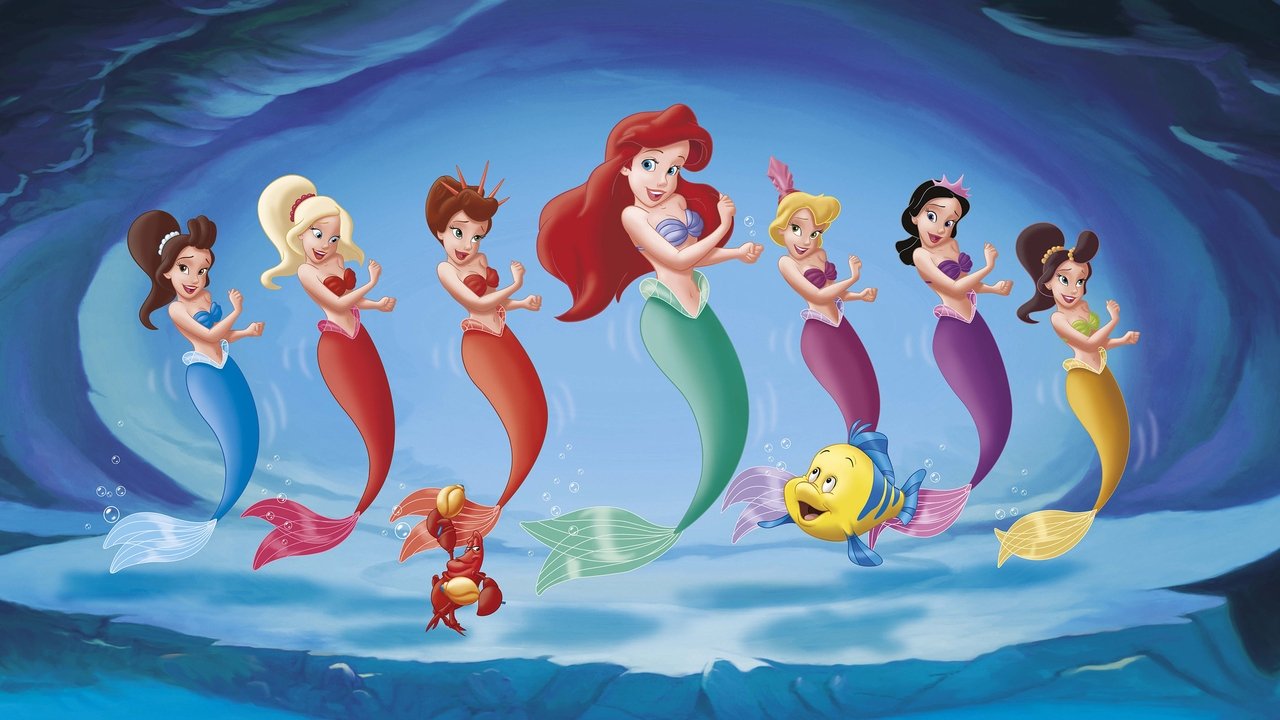
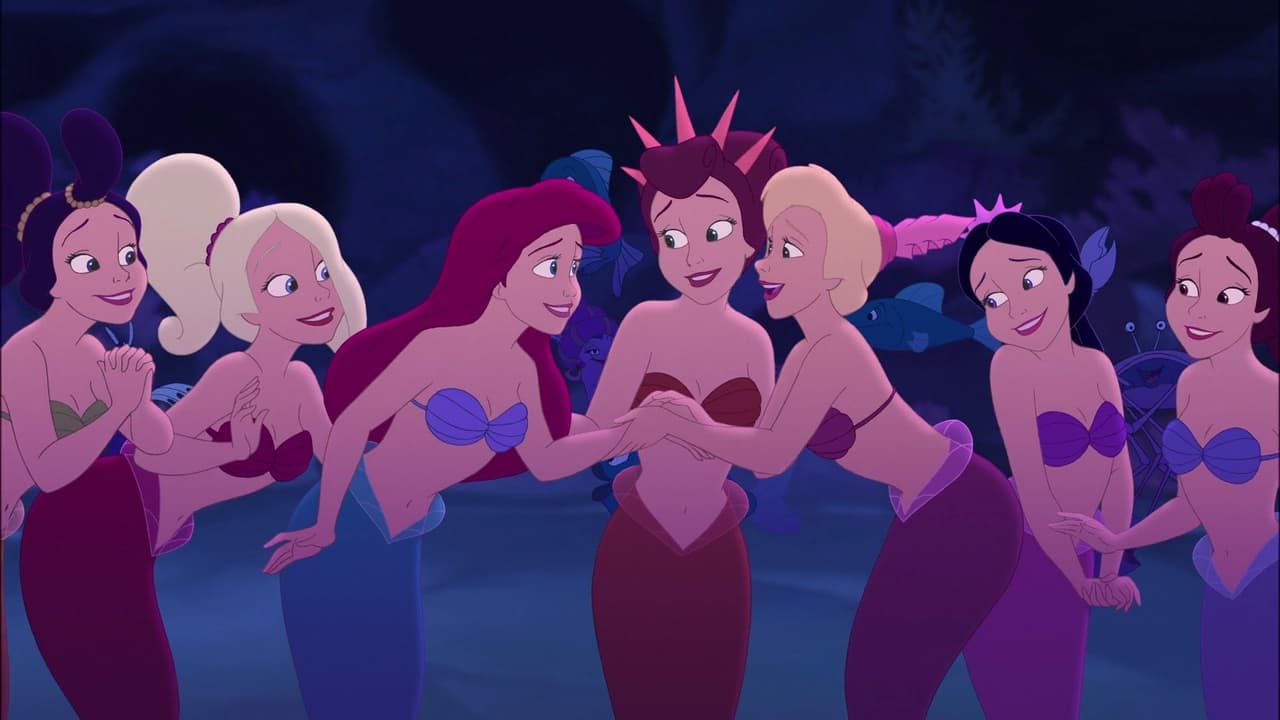
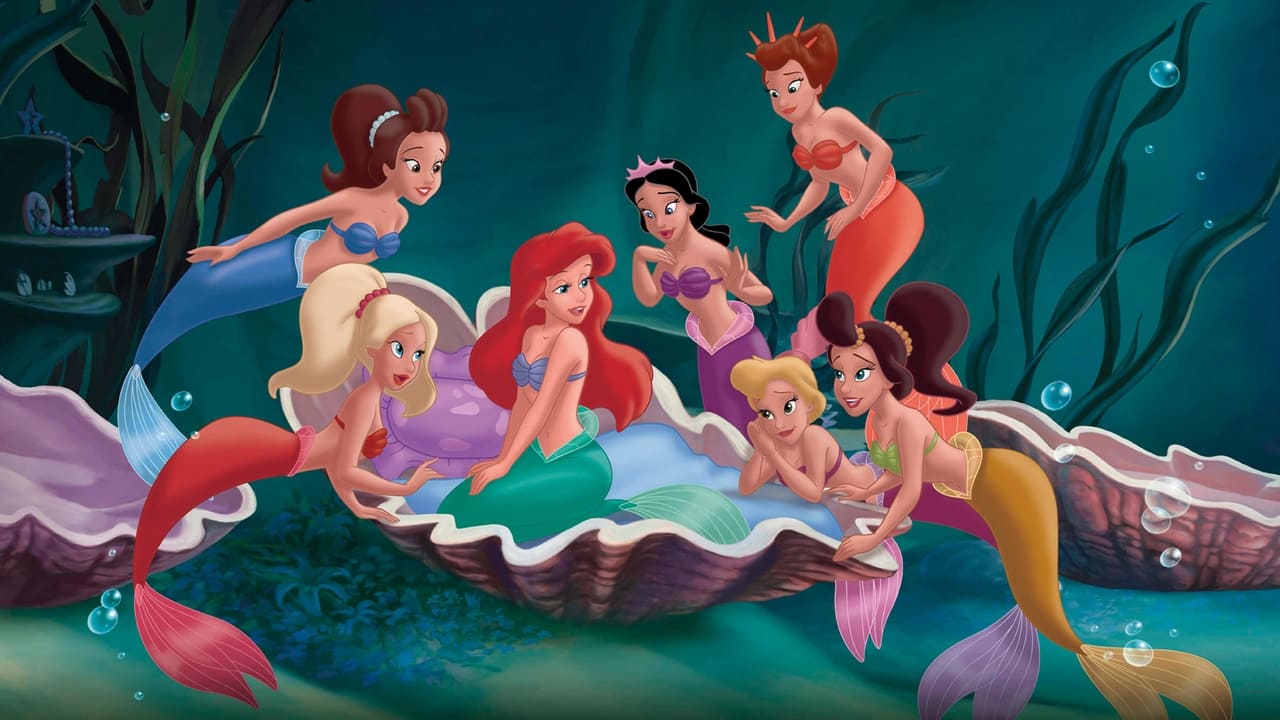
The drama isn't just between father and daughter, either. We finally get some distinct personalities for Ariel’s six sisters. While the 1989 original treated them like a synchronized swimming team with different hair colors, performers like Tara Strong and Jennifer Hale give the siblings actual friction. They feel like a family stuck in a house where nobody is allowed to talk about the elephant in the room—or in this case, the dead queen in the coral.
The Diva of the Depths
If there is one reason to seek out this forgotten entry, it is the vocal performance of Sally Field. She plays Marina Del Ray, the kingdom’s governess who desperately wants Sebastian’s job as the King’s attaché. Marina Del Ray is basically a middle-manager having a nervous breakdown in a bikini. Field is clearly having the time of her life, chewing the underwater scenery with a frantic, theatrical energy that feels like a throwback to the great Disney villains of the Renaissance era.
Her villain song, "Benjamin," is a bizarre, jazzy highlight that perfectly captures the 2000s-era trend of giving villains more "theatre-kid" energy than genuine menace. She’s accompanied by Benjamin, a manatee who is far too pure for her schemes. The chemistry between Sally Field and Samuel E. Wright (returning as Sebastian) is fantastic. Wright, who we sadly lost in 2021, delivers that signature warmth that made the original Sebastian so iconic. Hearing him lead an underground Caribbean music club—The Catfish Club—is a genuine nostalgia hit that avoids feeling forced.
The Last Gasps of the Vault
Looking back, the 2008 release window puts this film in a fascinating spot. This was the era of "Disney DVD" peak saturation, where every release came with "FastPlay" and a mountain of digital bonus features that we all obsessively clicked through. The animation here—directed by Peggy Holmes—is fluid and bright, benefiting from the digital-ink-and-paint advancements that allowed direct-to-video films to finally stop looking like Saturday morning cartoons.
It’s not perfect, of course. The pirates in the opening look like they wandered in from a completely different, lower-budget movie, and the CGI "sparkle" effects haven't aged with much grace. However, the score by Jim Dooley manages to weave in Alan Menken’s original motifs without feeling like a karaoke cover. It captures that specific 2000s transition where Disney was trying to find a way to honor the 90s "Broadway" style while moving toward the more pop-centric sounds of the High School Musical era.
The film serves as a reminder of a time when we weren't worried about "Cinematic Universes." We just wanted to know why the crab was so stressed out and why the King hated singing. It’s a modest, earnest drama that treats Ariel’s grief with more respect than I expected.
Ultimately, Ariel's Beginning is the best of the "unnecessary" sequels. It manages to earn its emotional beats by focusing on the fractured relationship between a father and his seven daughters rather than just rehashing the plot of the original. It’s a colorful, well-acted footnote in Disney’s transition to the modern age, anchored by a Sally Field performance that is far better than a direct-to-DVD mermaid movie has any right to be. It’s the perfect 77-minute distraction for when you want a hit of nostalgia that feels just a little bit fresh.
Keep Exploring...
-
The Little Mermaid II: Return to the Sea
2000
-

Secret of the Wings
2012
-
Tinker Bell and the Pirate Fairy
2014
-
The Little Mermaid
1989
-
Mickey, Donald, Goofy: The Three Musketeers
2004
-
Tinker Bell and the Lost Treasure
2009
-
101 Dalmatians II: Patch's London Adventure
2003
-
Looney Tunes: Back in Action
2003
-
Kronk's New Groove
2005
-
Tinker Bell
2008
-
Tinker Bell and the Great Fairy Rescue
2010
-

Tangled Ever After
2012
-

Barbie of Swan Lake
2003
-

The Jungle Book 2
2003
-
Jack-Jack Attack
2005
-
Lilo & Stitch 2: Stitch Has a Glitch
2005
-
Tarzan II
2005
-
Bambi II
2006
-
Barnyard
2006
-
Brother Bear 2
2006