The Midnight Meat Train
"Your late-night commute just hit a dead end."
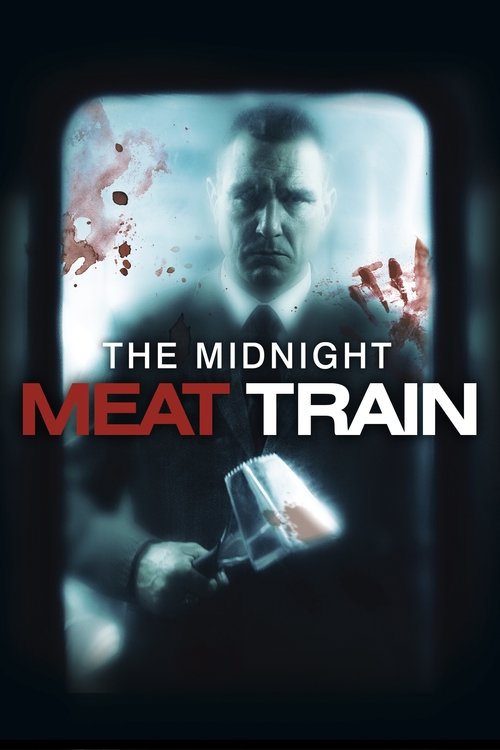
I remember first seeing the poster for The Midnight Meat Train at a defunct Blockbuster and thinking it was a parody. With a title that sounds like a lost ZZ Top B-side or a particularly aggressive deli advertisement, it’s easy to dismiss. But then you see Clive Barker’s name attached as a producer—the mind behind Hellraiser and Candyman—and you realize you’re in for something significantly more deranged than a transit safety video.
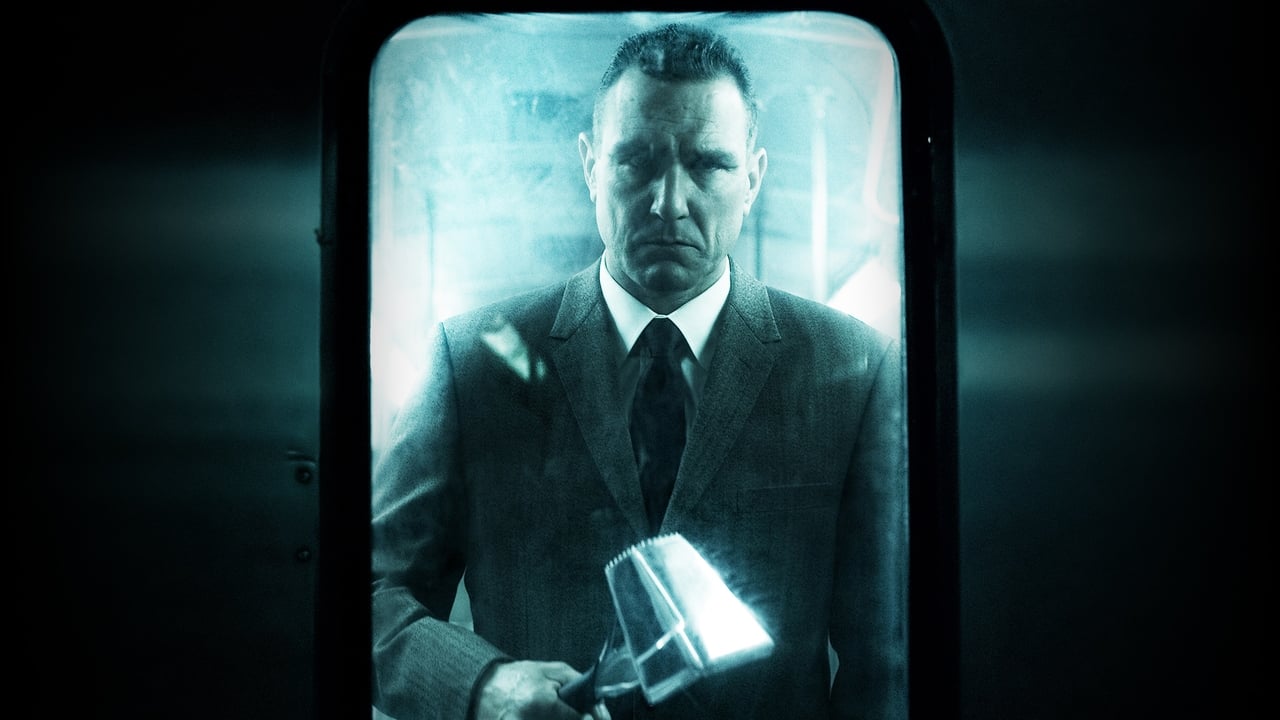
I actually re-watched this last Tuesday while my roommate was in the next room loudly failing to assemble a HEMNES dresser; every time his hammer hit a wooden peg, it synced up perfectly with the onscreen butchery. It was an accidental 4D cinema experience that I highly recommend if you want to feel truly unsettled in your own living room.
The Butcher’s High-Fashion Lens
Released in 2008, this film sits at a fascinating crossroads of cinema history. We were deep in the "torture porn" era defined by Saw and Hostel, but director Ryuhei Kitamura—who previously gave us the cult Japanese action-frenzy Versus—wasn't interested in grimy basements. He brought a slick, hyper-stylized aesthetic to the table that felt worlds away from the handheld, grainy look of its contemporaries.
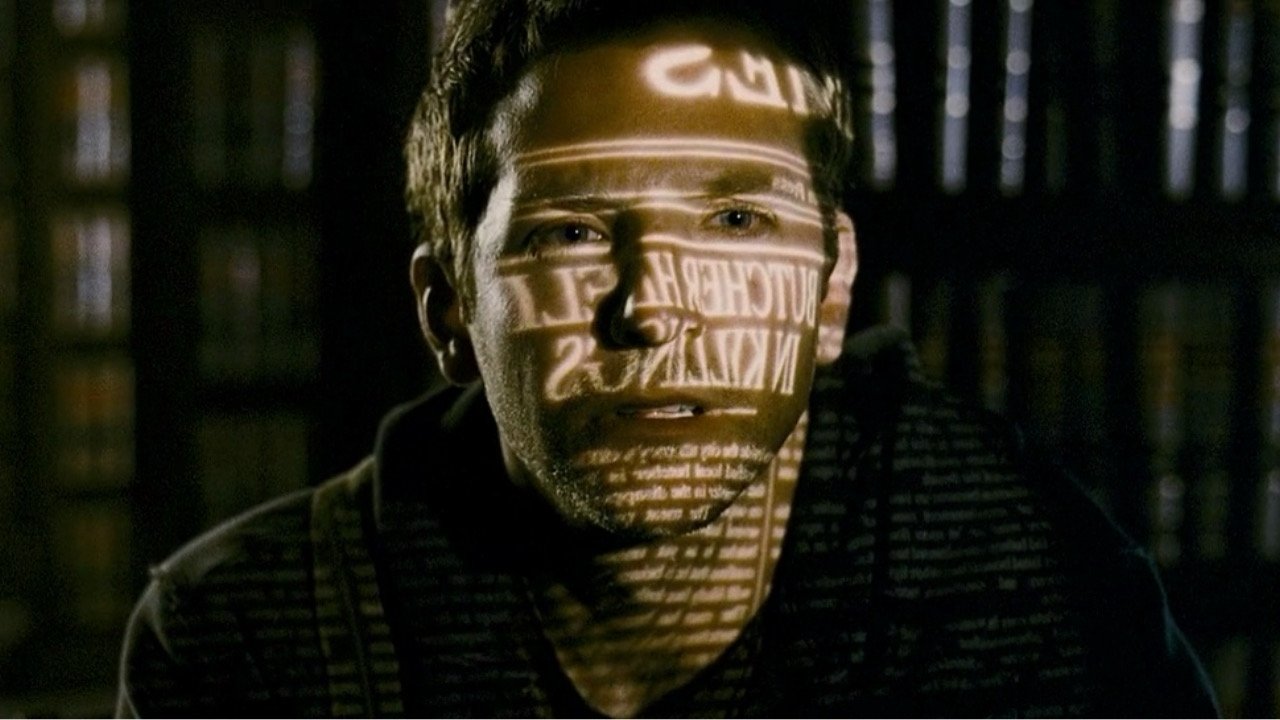
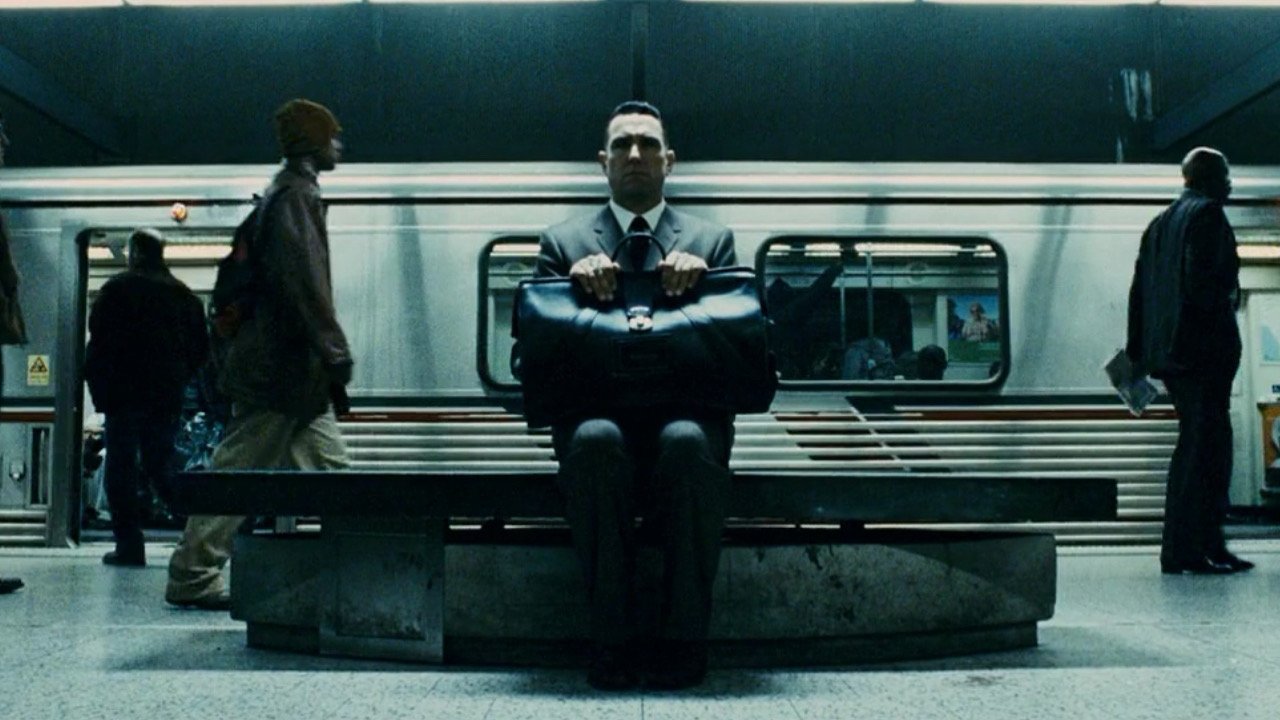
The plot follows Leon, played by a pre-superstardom Bradley Cooper, a photographer desperate to capture the "true heart" of the city. His obsession leads him to Mahogany, a silent, suit-wearing butcher played by Vinnie Jones (Lock, Stock and Two Smoking Barrels), who spends his nights tenderizing commuters on the late-night subway. Cooper is fantastic here; you can see the early seeds of the intensity he’d later bring to Nightmare Alley. He portrays a man slowly disintegrating under the weight of his own voyeurism, moving from a bright-eyed artist to a hollowed-out husk.
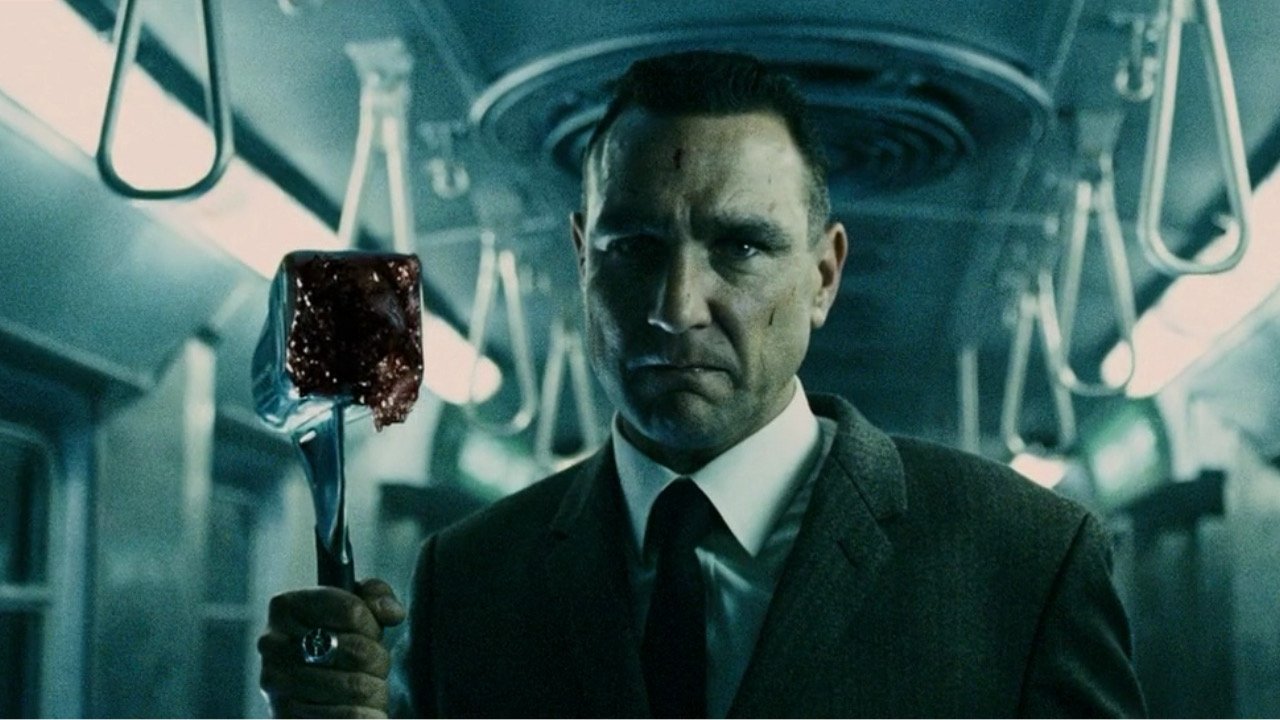
Vinnie Jones, meanwhile, is terrifyingly efficient. He doesn’t have a single line of dialogue, yet he dominates every frame with a physical presence that feels like an approaching storm. It’s one of the best uses of his "hard man" persona, stripping away the Guy Ritchie quips to reveal a relentless, industrial force of nature.
A Blood-Soaked Studio Sabotage
Looking back at 2008, it’s a miracle we saw this movie at all. This is one of the era’s great "lost" films, not because it was bad, but because of corporate musical chairs. When Joe Drake took over as president of Lionsgate, he reportedly didn't care for the projects greenlit by the previous regime. Consequently, The Midnight Meat Train was essentially buried. Despite a $15 million budget and a future A-lister in the lead, it was dumped into secondary "dollar" theaters.
This obscurity is a shame because Jonathan Sela’s cinematography is genuinely striking. He uses a cold, desaturated palette that makes the subway stations look like sterile operating rooms. The film was shot on 35mm but leans heavily into the digital color grading of the late 2000s, giving it a metallic, clinical sheen that separates it from the "mumblegore" movement that would follow.
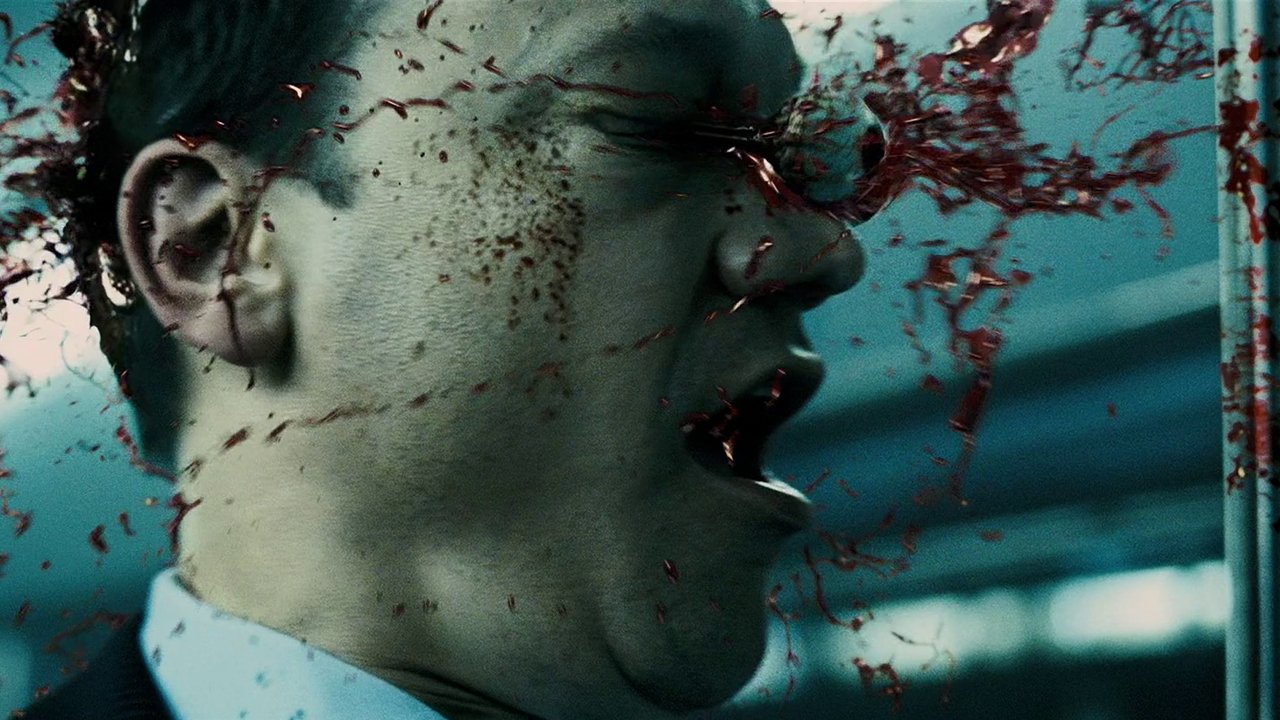
Then, there’s the gore. Oh boy, the gore. The CGI blood frequently looks like strawberry jam launched from a pressurized cannon, and while it definitely reveals its age, there’s an ambition to the kills that I have to admire. There is a specific shot involving an eyeball popping out toward the camera that is so brazenly "early digital era" it almost becomes charming. It’s a transition point in horror history—a bridge between the practical effects of the 80s and the seamless (but often boring) digital polish of today.
When the Subway Leads to Hell
What starts as a grounded, albeit brutal, slasher eventually swerves into the supernatural territory Clive Barker is famous for. Without spoiling the ending, I’ll just say it pivots into a type of cosmic horror that the marketing completely hid. It moves from a mystery about a serial killer to a sprawling mythology about the foundations of the city itself. The third act is a total "what the hell am I watching?" moment that justifies the entire runtime.
The supporting cast helps ground the madness. Leslie Bibb plays the concerned girlfriend who, in any other movie, would be a cardboard cutout, but here she has agency and a tragic arc of her own. We even get a weirdly menacing Brooke Shields as a high-end art dealer and a quick, messy appearance by Ted Raimi (Evil Dead II), whose death scene is arguably the highlight of the film’s "meat" department.
Ultimately, The Midnight Meat Train is a brutal, stylish, and deeply weird artifact of the late 2000s. It represents a moment when indie horror was allowed to be glossy and mean-spirited at the same time. While the digital effects haven't aged as gracefully as the practical makeup, the atmosphere of urban dread is still thick enough to choke on. If you’ve ever felt a chill down your spine while sitting in a near-empty train car at 2:00 AM, this movie will validate every single one of those fears. It’s a shame it was treated like a tax write-off by the studio, but in the age of streaming, it's finally finding the cult audience it deserves. Just maybe skip the pre-movie snack.
Keep Exploring...
-
Inland Empire
2006
-
New Nightmare
1994
-

Red Riding Hood
2011
-
Dark Water
2005
-
The Jacket
2005
-
The Covenant
2006
-
Mirrors
2008
-
Untraceable
2008
-
The Ward
2010
-
Rubber
2010
-
A Tale of Two Sisters
2003
-
Lady in the Water
2006
-

The Invasion
2007
-
Don't Be Afraid of the Dark
2010
-
The Extraordinary Adventures of Adèle Blanc-Sec
2010
-

The Tall Man
2012
-
The Craft
1996
-
Vampires
1998
-
Stigmata
1999
-

Stir of Echoes
1999