The Other Boleyn Girl
"Sibling rivalry never looked this expensive."

The late 2000s were gripped by a strange, feverish "Tudor-mania." Between Showtime’s The Tudors and a literal mountain of historical fiction novels in every airport bookstore, we as a culture decided that 16th-century England was the peak of "prestige trash" entertainment. Enter The Other Boleyn Girl (2008), a film that arrived with the shimmering promise of a high-fashion editorial and the heart of a daytime soap opera. It’s a movie that prioritizes the rustle of silk over the accuracy of a textbook, and looking back, that’s exactly why it has maintained its status as a guilty pleasure for the "history-ish" crowd.

I watched this most recently on a Tuesday night while wearing mismatched socks and trying to ignore a mounting pile of laundry, and honestly, the sheer drama of the Boleyn household made my own domestic chores feel positively Shakespearean.
The Sisterhood of the Secret Crown
The film’s greatest asset—and its most obvious marketing hook—is the powerhouse pairing of Natalie Portman and Scarlett Johansson. In 2008, these two were the undisputed queens of the box office, and seeing them go toe-to-toe in velvet gowns is still a thrill. Natalie Portman plays Anne Boleyn with a sharp, predatory ambition that feels like a dry run for her Oscar-winning turn in Black Swan. She’s calculating, brittle, and entirely aware that she’s playing a high-stakes game of "queen or corpse."
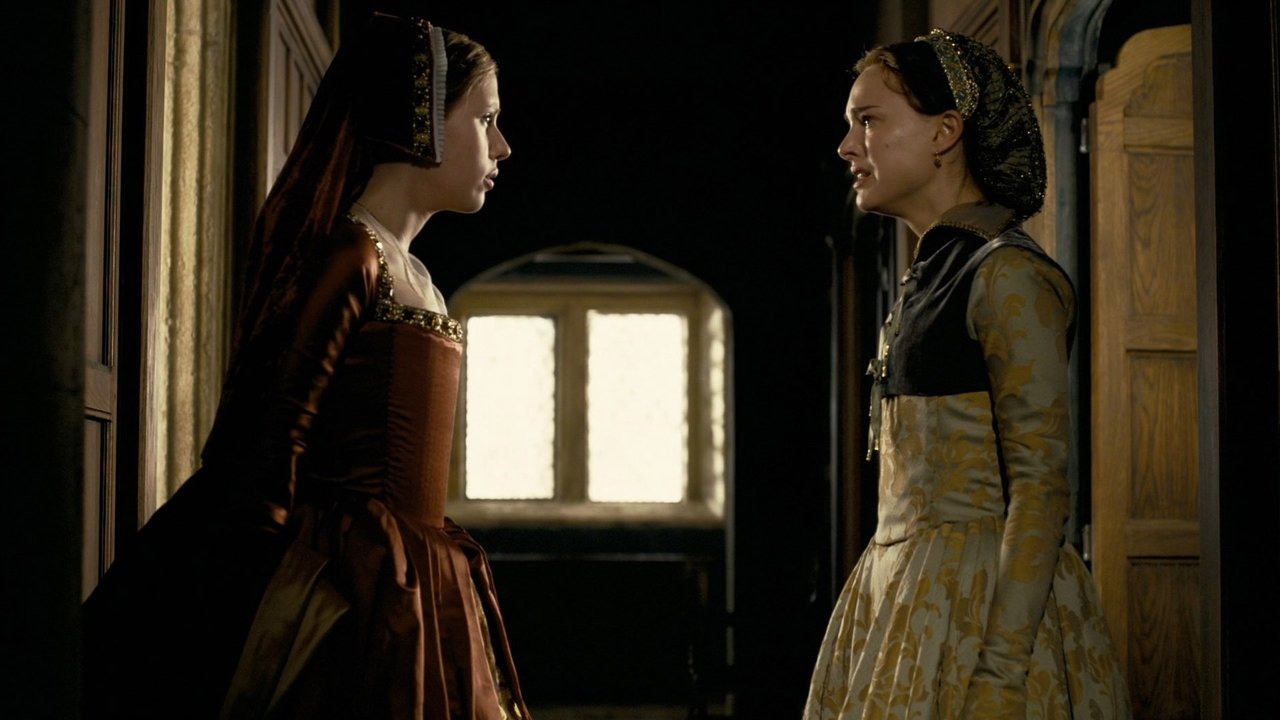
Opposite her, Scarlett Johansson provides the emotional anchor as Mary, the "other" sister. While Anne is all fire and angles, Mary is soft edges and quiet resilience. Their chemistry is what keeps the film from floating away into total absurdity. You believe they love each other, even as Anne is essentially stepping over Mary’s prone body to get to the King’s bed. Eric Bana rounds out the central trio as Henry VIII, though I have to say, Eric Bana plays Henry VIII like a confused Abercrombie model who wandered onto a Renaissance Fair set. He’s handsome and brooding, but he lacks the terrifying, mercurial presence that makes the real Henry so fascinatingly monstrous.
A Script from the King of Crowns
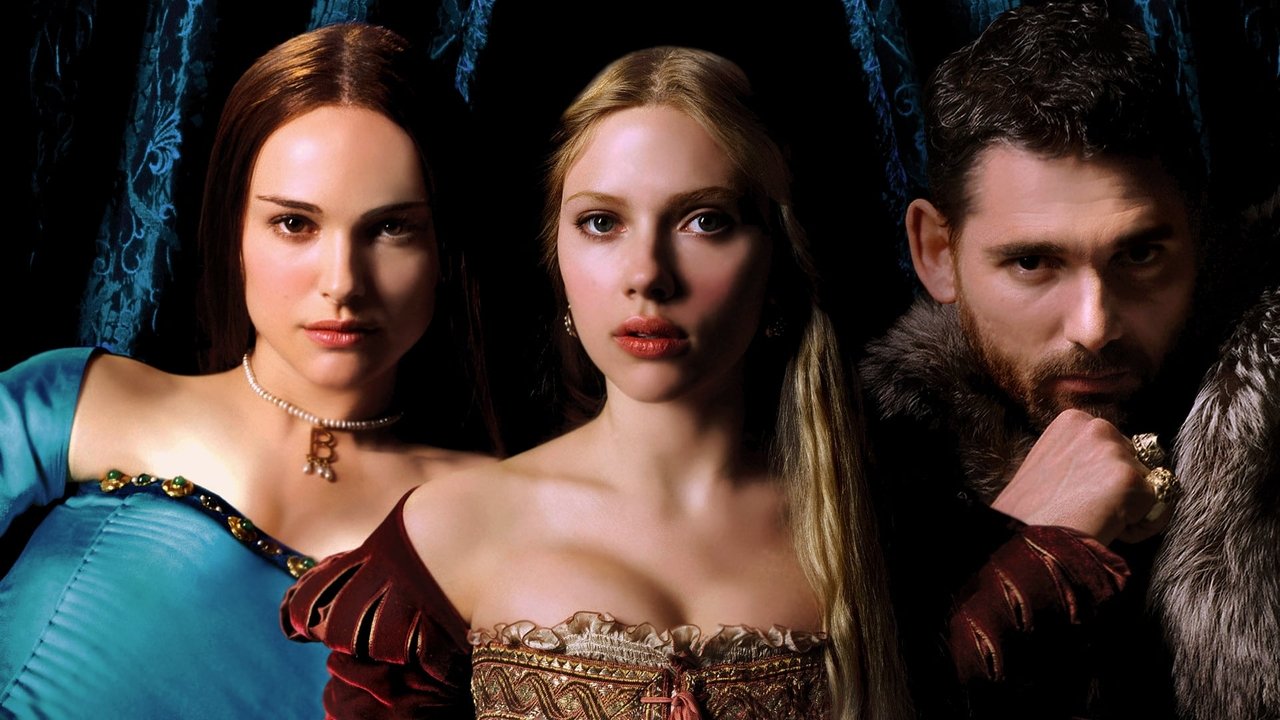
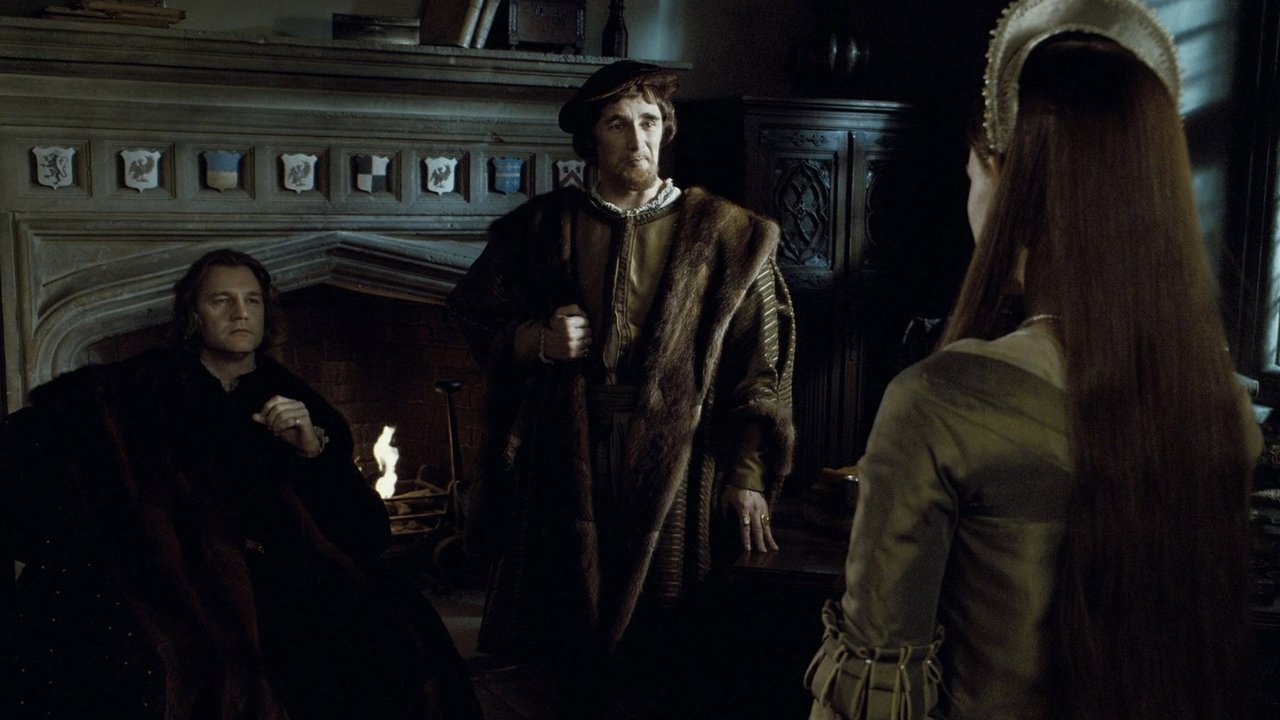
What many people forget is that the screenplay was penned by Peter Morgan. If that name sounds familiar, it’s because he’s the architect behind The Crown. You can see the early DNA of his royal obsession here. He’s less interested in the politics of the Reformation and more interested in the claustrophobia of the palace. The film treats the Boleyn family—led by a delightfully cold Mark Rylance and a weary Kristin Scott Thomas—as a corporate entity trying to "pivot" their way into the monarchy.
Interestingly, this was one of the first major period dramas shot on the Panavision Genesis digital camera. Looking back, you can see the transition of the era; the film has a crispness that sometimes betrays the artifice of the sets, yet the cinematography by Kieran McGuigan manages to make the English countryside look like an oil painting. It’s that specific 2008 aesthetic—lush, slightly over-saturated, and eager to prove it spent every cent of its $35 million budget.
The Art of the Historical "Lie"
If you’re looking for a factual account of the Henrician court, you’ve come to the wrong place. Historians have spent the last fifteen years pulling their hair out over this movie. Apparently, the real Mary Boleyn was already a "veteran" of the French court before Henry even looked at her, and the timeline of the births is rearranged with the reckless abandon of a teenager playing The Sims.
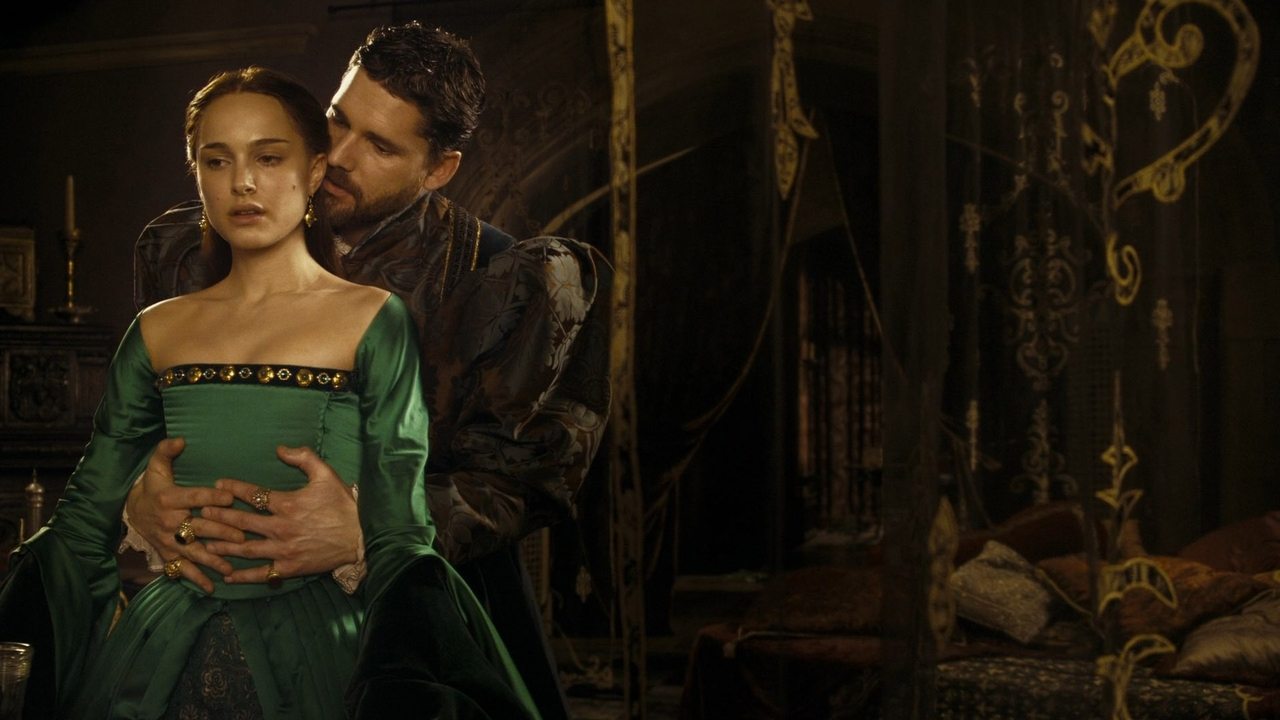
But for the Popcornizer audience, does that matter? It’s basically Mean Girls with more beheadings. The film captures the feeling of being a woman in a world where your only currency is your fertility and your father’s ambition. It’s a drama that earns its emotional beats not through historical gravity, but through the sheer talent of its cast. Turns out, a young Eddie Redmayne and a pre-fame Benedict Cumberbatch are lurking in the supporting cast as the sisters' various husbands, making this a fun "spot the future Oscar winner" drinking game.
Apparently, Natalie Portman took her accent training so seriously that she stayed in character between takes, which must have been awkward for the crew members handing her a Starbucks latte. Additionally, the costumes were so heavy and the corsets so tight that several cast members reportedly struggled with back pain during the shoot—a literal embodiment of the film’s "beauty is pain" philosophy.
The Other Boleyn Girl is the ultimate middle-of-the-road prestige drama that hits better on a rainy afternoon than it did in a theater. It’s not a masterpiece, and it’s certainly not a history lesson, but it is a masterclass in star power. If you can forgive the historical gymnastics and the somewhat rushed ending, you’re left with a gorgeous, high-stakes family tragedy that still feels surprisingly modern in its depiction of sisterly rivalry and toxic ambition. It’s a sumptuous slice of 2000s cinema that knows exactly what it is: a glossy, entertaining scandal.
Keep Exploring...
-

Alexander
2004
-

Cinderella Man
2005
-

Memoirs of a Geisha
2005
-
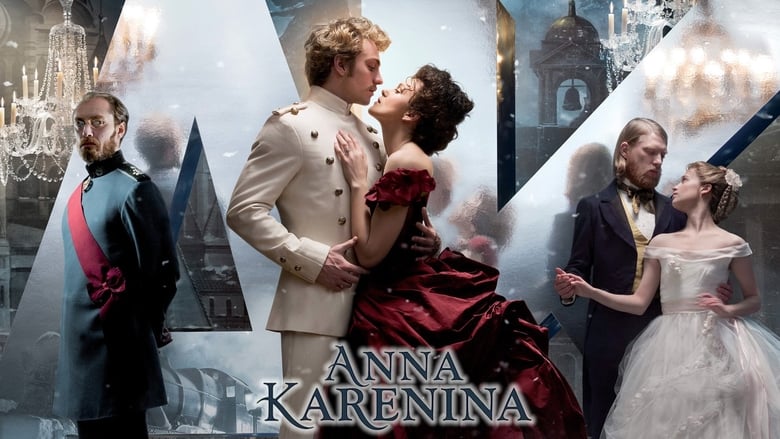
Anna Karenina
2012
-

Enemy at the Gates
2001
-

Match Point
2005
-
The New World
2005
-
The Young Victoria
2009
-
One Day
2011
-
Mona Lisa Smile
2003
-
Joyeux Noel
2005
-
The Duchess
2008
-
A Royal Affair
2012
-
Coach Carter
2005
-

Marie Antoinette
2006
-

Stranger Than Fiction
2006
-
The Illusionist
2006
-
The Lake House
2006
-

High School Musical 2
2007
-
Frost/Nixon
2008