The Reader
"The heaviest secrets are the ones we keep from ourselves."
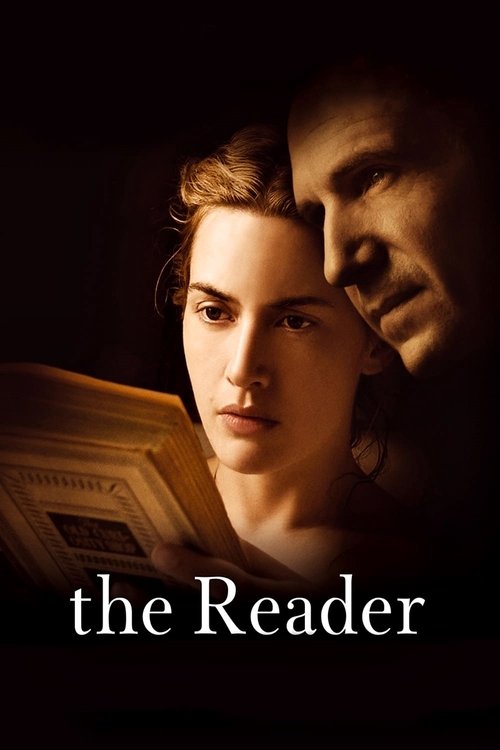
There is a haunting, tactile quality to the way Stephen Daldry handles the mundane objects in The Reader. Whether it’s the crinkle of a fresh pastry, the splashing of bathwater, or the rhythmic turning of a book’s page, the film focuses on the sensory details of a life that is about to be shattered by history. It’s a movie that asks a terrifyingly sophisticated question: Can you truly love someone if you don't actually know who they are? Or worse, can you love them once you find out?
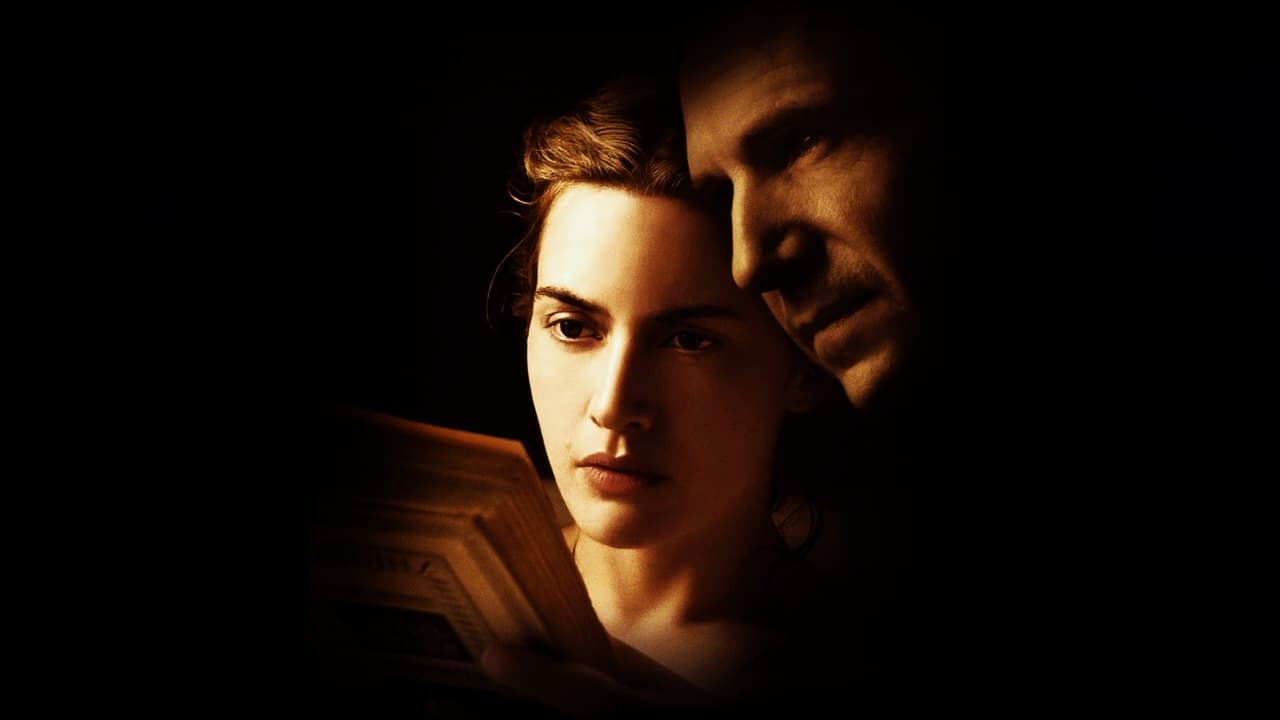
I watched this for the first time on a laptop with a dying battery while sitting in a drafty library, and the coldness of the room seemed to migrate right into the screen. It’s not a "feel-good" movie by any stretch of the imagination, but it is a "feel-everything" movie. It arrived at the tail end of the 2000s, a decade where Hollywood was obsessed with re-examining the 20th century through a lens of nuanced, often uncomfortable, moral ambiguity.
The Romance and the Rupture
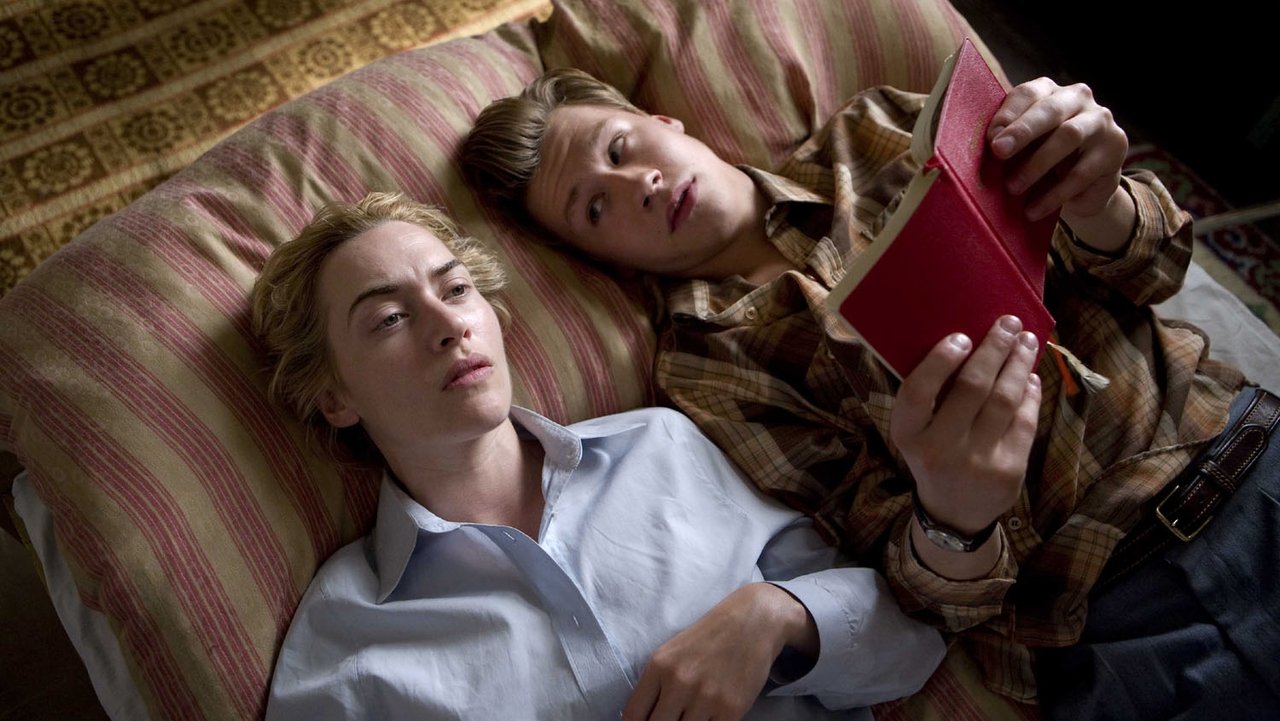
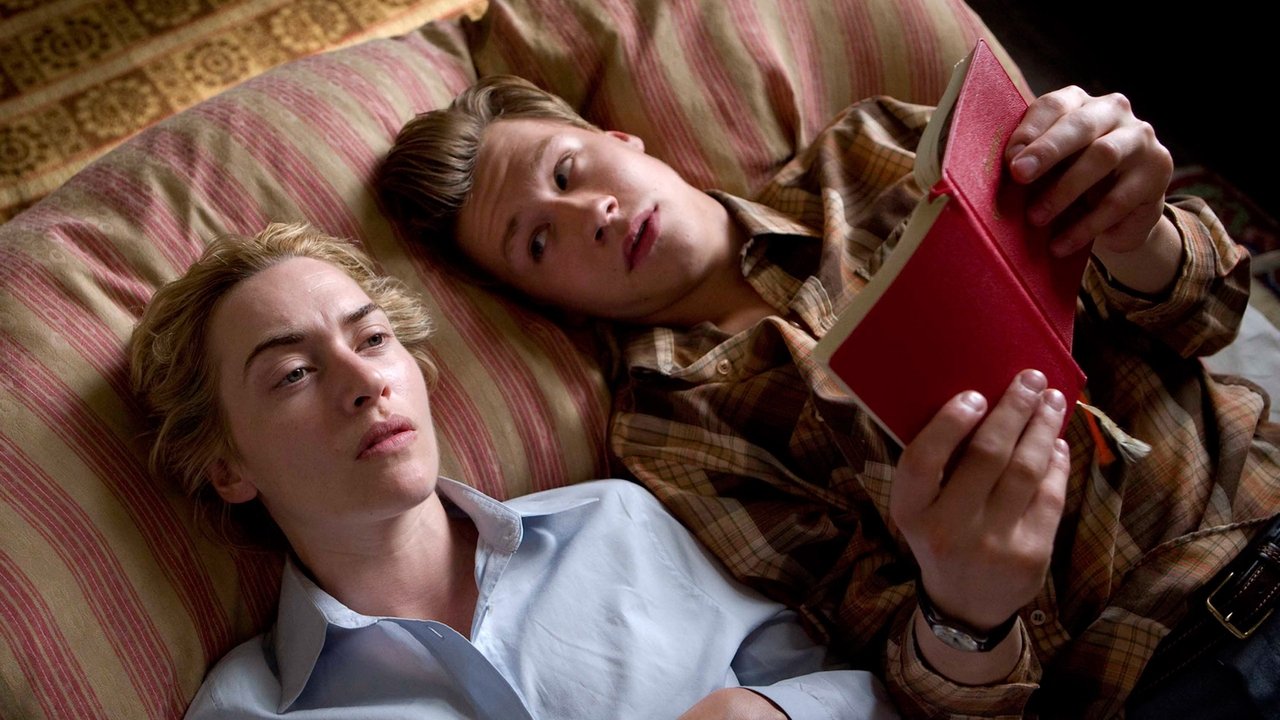
The story begins in a rain-slicked West Berlin, 1958. A 15-year-old boy, Michael Berg (David Kross), falls ill and is helped by a tram conductor twice his age, Hanna Schmitz (Kate Winslet). What follows is an affair defined by a peculiar ritual: he reads to her—Homer, Chekhov, Twain—and then they make love. Kate Winslet plays Hanna with a guarded, almost feral intensity. She isn't the "seductress" of a typical coming-of-age story; she is transactional, moody, and deeply private.
David Kross is a revelation here, capturing that specific, clumsy vulnerability of a teenager who thinks he’s discovered the center of the universe. Their chemistry is grounded in a strange power dynamic that shifts once the reading starts. However, the film takes a sharp turn when Hanna vanishes, only for Michael to see her again years later while he’s a law student. She’s in a courtroom, standing trial for her role as an SS guard in a concentration camp.
The transition from the sun-dappled intimacy of their apartment to the sterile, judgmental air of the courtroom is jarring, and that’s the point. The film forces us to reconcile the woman who cried while listening to The Odyssey with the woman who stood by while hundreds of people burned to death. Ralph Fiennes eventually takes over as the adult Michael, and he is the king of "internalized suffering." He says more with a twitch of his jaw than most actors do with a five-minute monologue.
Shifting the Weight of Guilt
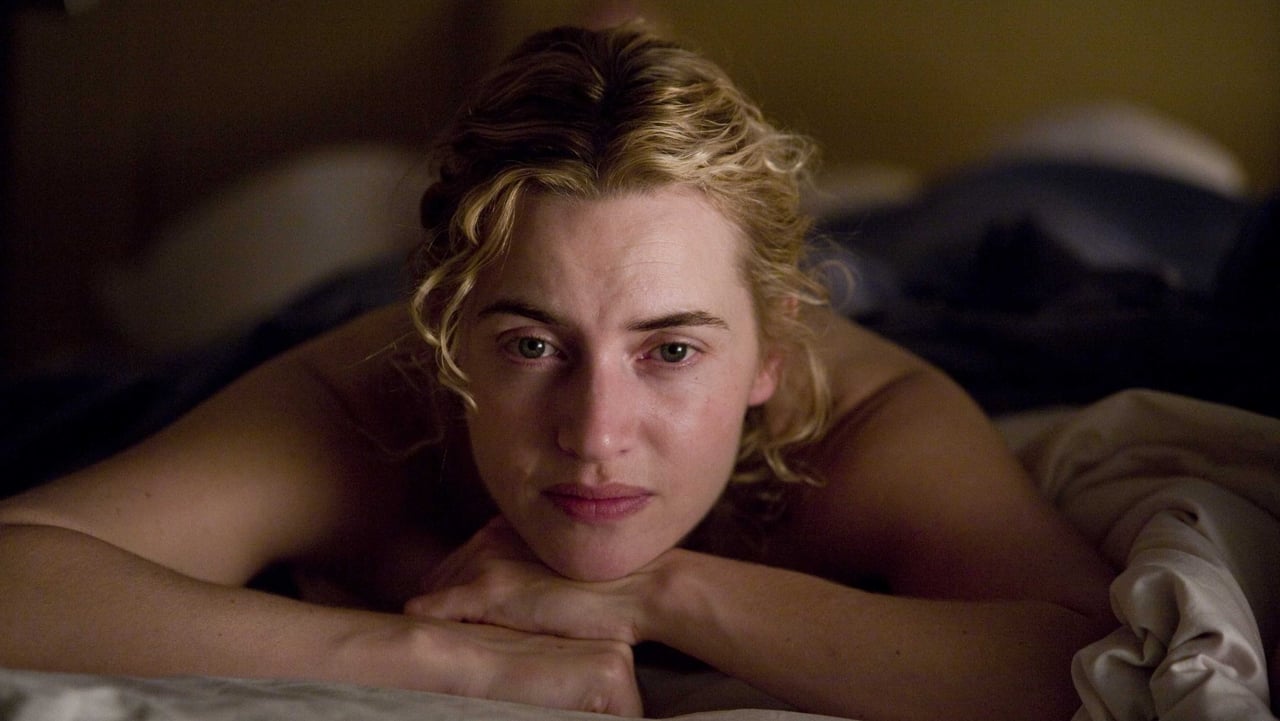
What makes The Reader more than just another Holocaust drama is the specific secret Hanna is keeping. She isn't just hiding her past; she’s hiding her illiteracy. The film suggests that her shame over being unable to read was so profound that she would rather be convicted of mass murder than admit her "disability" in open court. It’s a controversial, knotty idea. Is her illiteracy a metaphor for the moral blindness of the German people? Or is it a way of humanizing a monster?
I’ve always found the middle act's philosophical debate—led by a cynical Bruno Ganz as Michael’s professor—to be the film's intellectual spine. It captures that post-war generational friction where the children ask the parents, "How could you let this happen?" while the parents reply, "You weren't there."
Visually, the film is a masterclass in muted palettes. Roger Deakins, the legendary cinematographer of The Shawshank Redemption and No Country for Old Men, uses a soft, naturalistic light that makes the 1950s look like a fading memory. Nico Muhly’s score is equally restrained, avoiding the bombastic "weeping violins" that often plague historical dramas. It’s a film that trusts its audience to sit with the silence.
The Weinstein Prestige Machine
Looking back, The Reader was a massive commercial success for a film about such heavy subject matter. With a $32 million budget, it pulled in over $108 million worldwide. This was the "Miramax Era" (though released under The Weinstein Company) at its peak—taking literary, high-brow stories and turning them into box office hits through aggressive Oscar campaigns.
The production itself was marked by tragedy and high-stakes casting. Kate Winslet wasn't actually the first choice; she originally had a scheduling conflict with Revolutionary Road, and Nicole Kidman was cast instead. When Kidman had to drop out due to pregnancy, Winslet stepped back in. It’s hard to imagine anyone else in the role now; she famously refused to "beautify" herself, even joking that her old-age makeup in the final act made her look like a piece of distressed leather.
The film’s legacy is also tied to its producers, Sydney Pollack and Anthony Minghella, both of whom passed away before the film was released. Their influence is felt in the film’s sweeping, classical feel. Interestingly, David Kross had to learn English specifically for the role, and because he was only 17 during the filming of the early scenes, the production had to wait until he turned 18 to film the more explicit moments to comply with German labor laws.
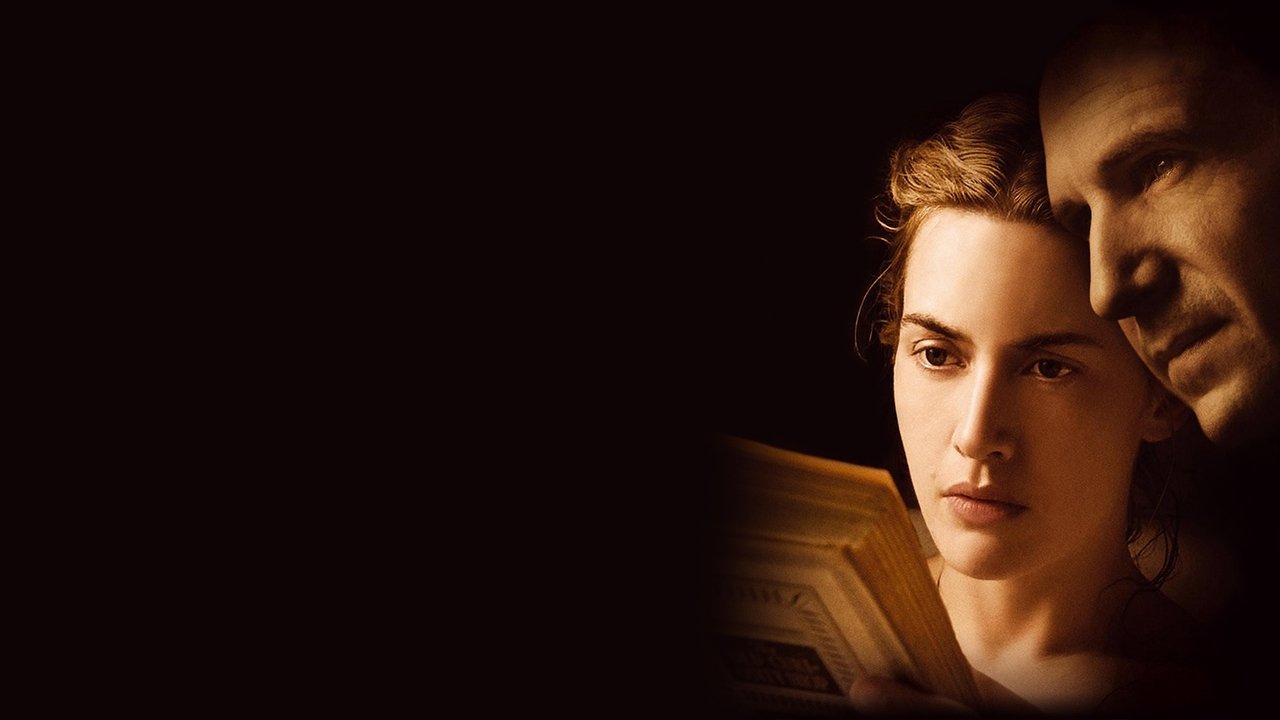
The Reader is a difficult, beautiful, and ultimately devastating piece of cinema. It doesn't offer easy redemptions or simple villains. Instead, it leaves you with the image of Ralph Fiennes standing in a kitchen, decades later, still trying to make sense of a woman who was both his first love and a participant in the world’s greatest horror. It’s a film that lingers in your mind like a faint scent of old paper and rain. Even if the moral gymnastics of the ending don't quite stick the landing for everyone, the performances are undeniable.
Keep Exploring...
-
The Hours
2002
-
Brokeback Mountain
2005
-
Atonement
2007
-
The Bridges of Madison County
1995
-
The English Patient
1996
-
Moulin Rouge!
2001
-
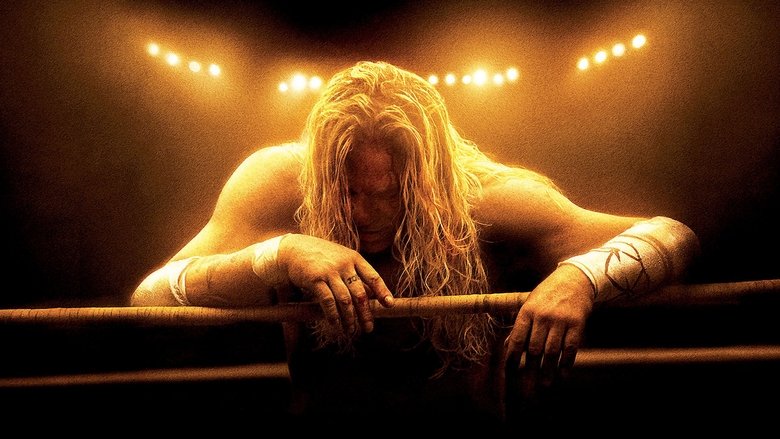
The Wrestler
2008
-

Flipped
2010
-
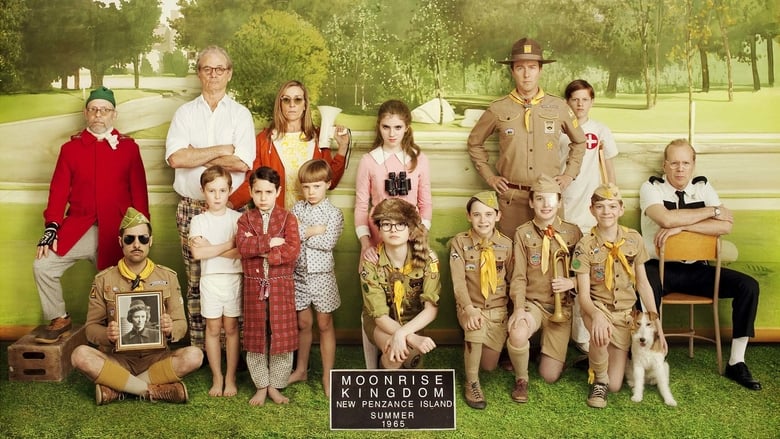
Moonrise Kingdom
2012
-
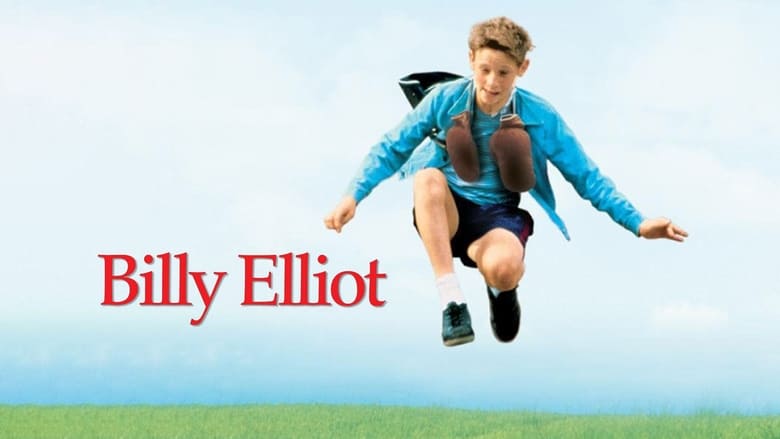
Billy Elliot
2000
-
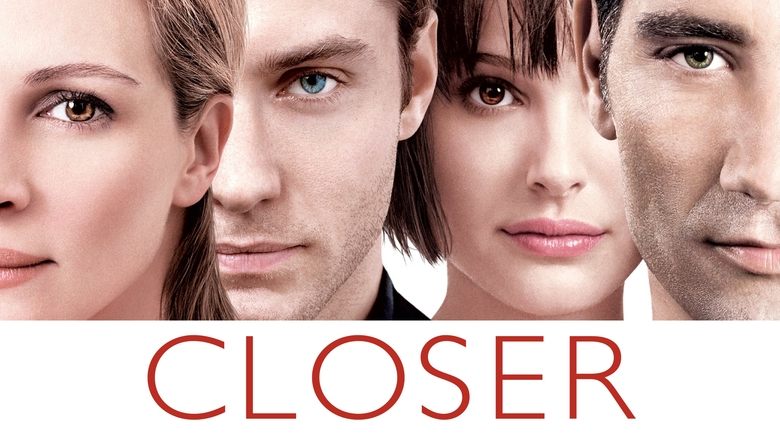
Closer
2004
-
Sideways
2004
-
The Princess Diaries 2: Royal Engagement
2004
-
Walk the Line
2005
-
Step Up
2006
-
Juno
2007
-

P.S. I Love You
2007
-

Forgetting Sarah Marshall
2008
-

High School Musical 3: Senior Year
2008
-
Step Up 2: The Streets
2008