The Spiderwick Chronicles
"The best monsters are the ones in your backyard."

I remember walking into the theater in 2008 expecting a polite, Harry Potter-adjacent romp through a magical forest. Instead, I got a movie where a goblin gets exploded in a microwave and a child is nearly dragged into the floorboards by unseen claws. It was fantastic. I watched this again recently on a Tuesday night while trying to ignore a very loud cricket trapped in my radiator, which, honestly, added a layer of immersive 4D sound to the creaky Spiderwick Estate scenes that I highly recommend.
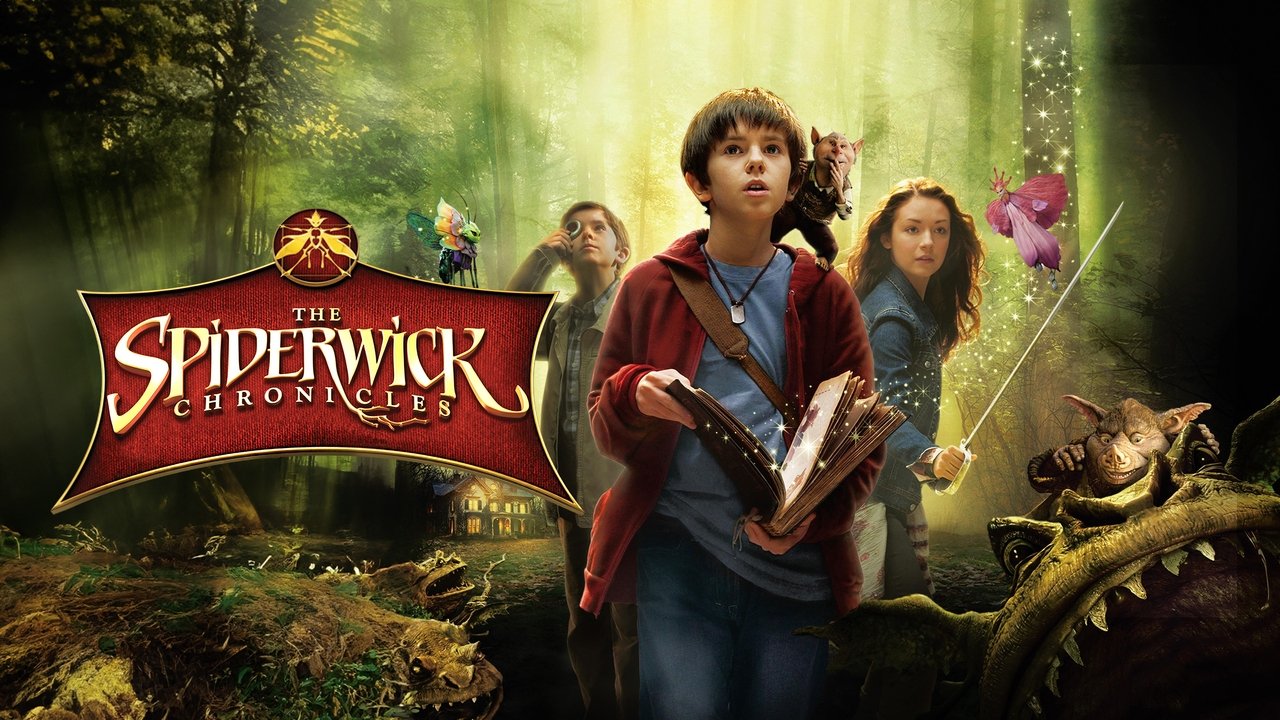
Looking back, The Spiderwick Chronicles occupies a fascinating corner of the "Modern Cinema" era. It arrived just as the post-Lord of the Rings fantasy boom was starting to curdle into the "chosen one" fatigue of the 2010s. Yet, Mark Waters’ film avoids the trap of being a generic franchise-starter by staying surprisingly small, grounded, and—dare I say—mean.
A Masterclass in Double Vision
The heavy lifting here is done by a young Freddie Highmore, who plays twin brothers Jared and Simon Grace. While the "one actor playing twins" trick is a venerable Hollywood trope, Highmore avoids the easy pitfalls of silly wigs or exaggerated voices. Instead, he treats this as a genuine drama about internal family dynamics. Jared is the "troubled" kid—angry about his parents’ divorce and prone to outbursts—while Simon is the pacifist intellectual.
Highmore’s performance is so nuanced that you forget the technical wizardry involved. In 2008, the seamless interaction between the twins was a massive selling point, involving complex motion-control cameras and Highmore essentially acting against a tennis ball on a stick for half the shoot. But the real magic isn’t the CGI; it's the fact that Jared Grace is basically a tiny, angry Liam Neeson in a hoodie, and you buy every second of his desperation to protect a family that doesn’t believe him.
The Grime Beneath the Glitter
One of the most refreshing things about rewatching Spiderwick is seeing how well the creature designs hold up. While many mid-2000s films relied on "clean" CGI that now looks like a PlayStation 2 cutscene, Waters leaned into the tactile and the grotesque. These aren't the majestic, glowing elves of Middle-earth. The creatures here—designed with input from legendary illustrator Tony DiTerlizzi—are grubby, mossy, and weirdly biological.
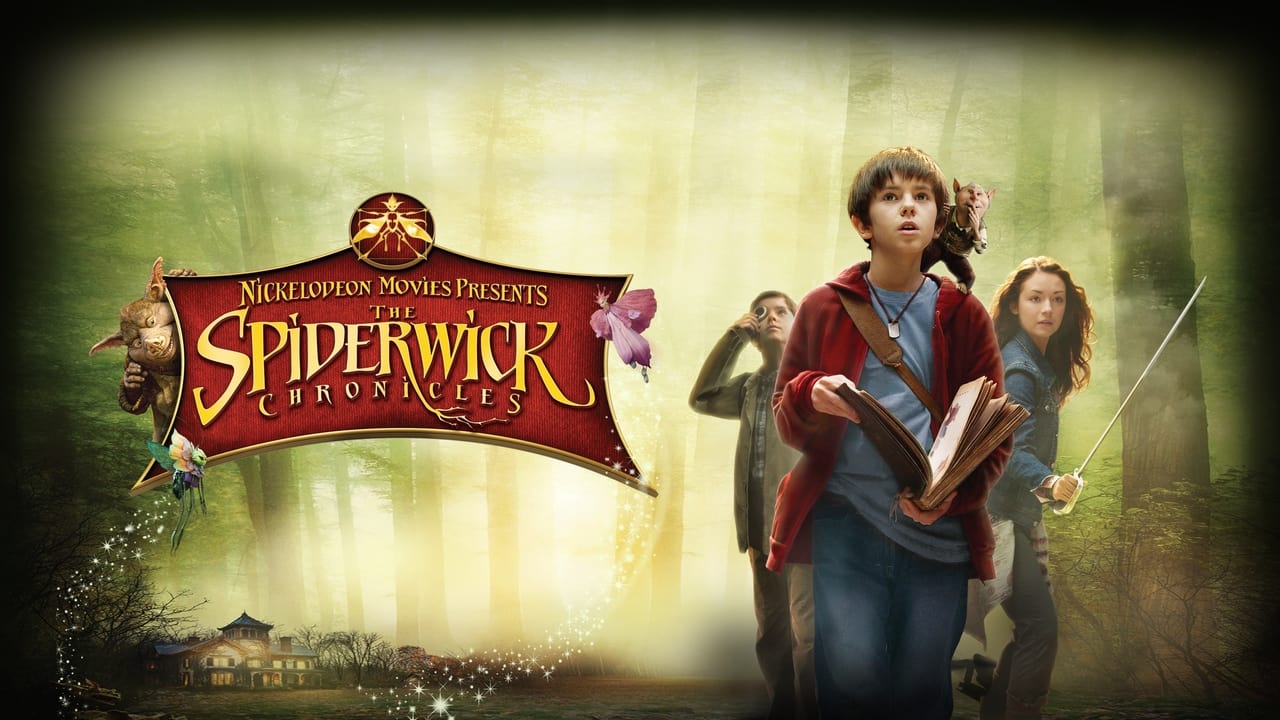
The goblins look like sentient, angry avocados. Thimbletack, the brownie who protects the house, feels like a real, dusty resident of a Victorian attic. This was the era where ILM and Tippett Studio were figuring out how to give digital creatures "weight," and Spiderwick succeeds by making the monsters feel like they’re actually displacing air in the room. When Nick Nolte shows up as the villainous ogre Mulgarath, there’s a genuine sense of physical menace. It’s "gateway horror" for kids, reminiscent of 80s staples like Gremlins or The Dark Crystal, where the stakes felt high because the monsters felt like they could actually bite you.
High Stakes and Broken Homes
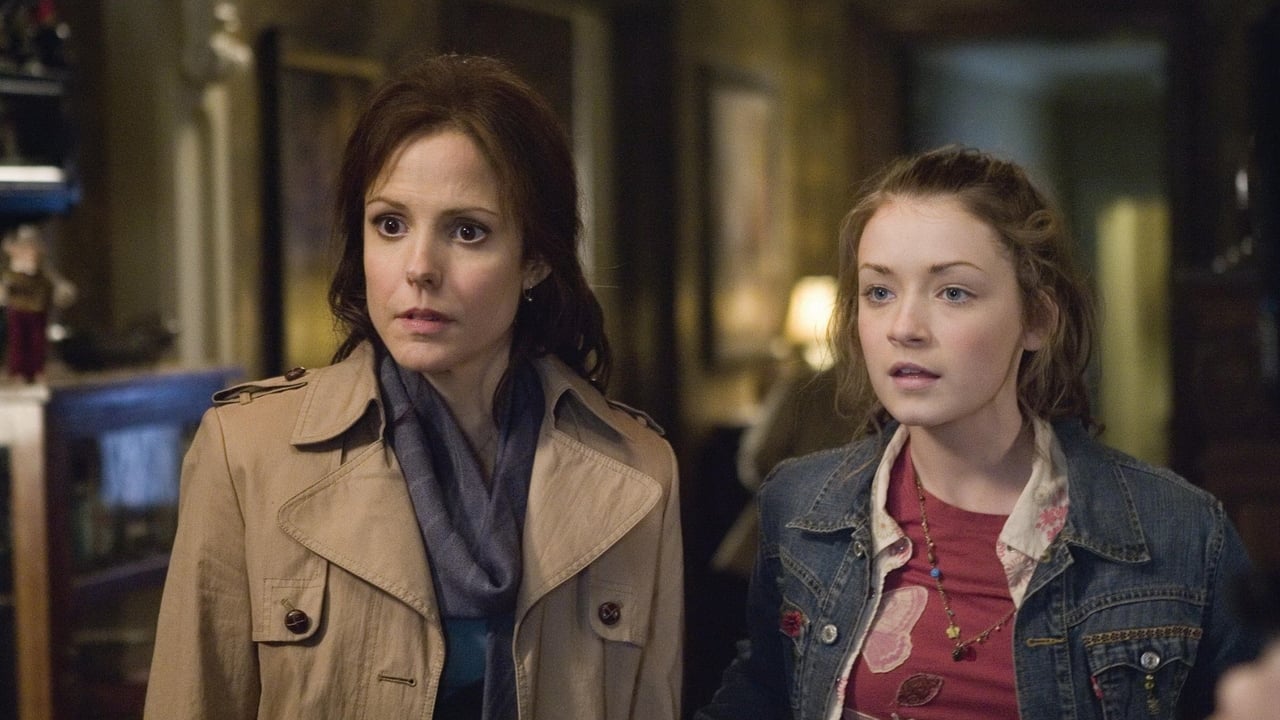
Underneath the field guides and invisibility stones, this is a remarkably sturdy family drama. Mary-Louise Parker plays the mother, Helen, with a frayed-nerve energy that feels entirely honest. She isn’t the typical "oblivious movie parent"; she’s a woman trying to hold her life together after a messy separation, and her skepticism of Jared’s "stories" comes from a place of exhausted concern rather than plot-convenient blindness.
The script, co-written by indie darling John Sayles (an unexpected but brilliant choice for a family film), treats the children’s trauma with respect. The fantasy world is a mirror for their domestic reality. The monsters aren't just there for set pieces; they represent the chaos of a world where the adults have failed to provide protection. Even the subplot with Joan Plowright as the aging Aunt Lucinda carries a heavy emotional weight, touching on themes of abandonment and the lingering ghosts of the past.
The "Field Guide" to Cult Status
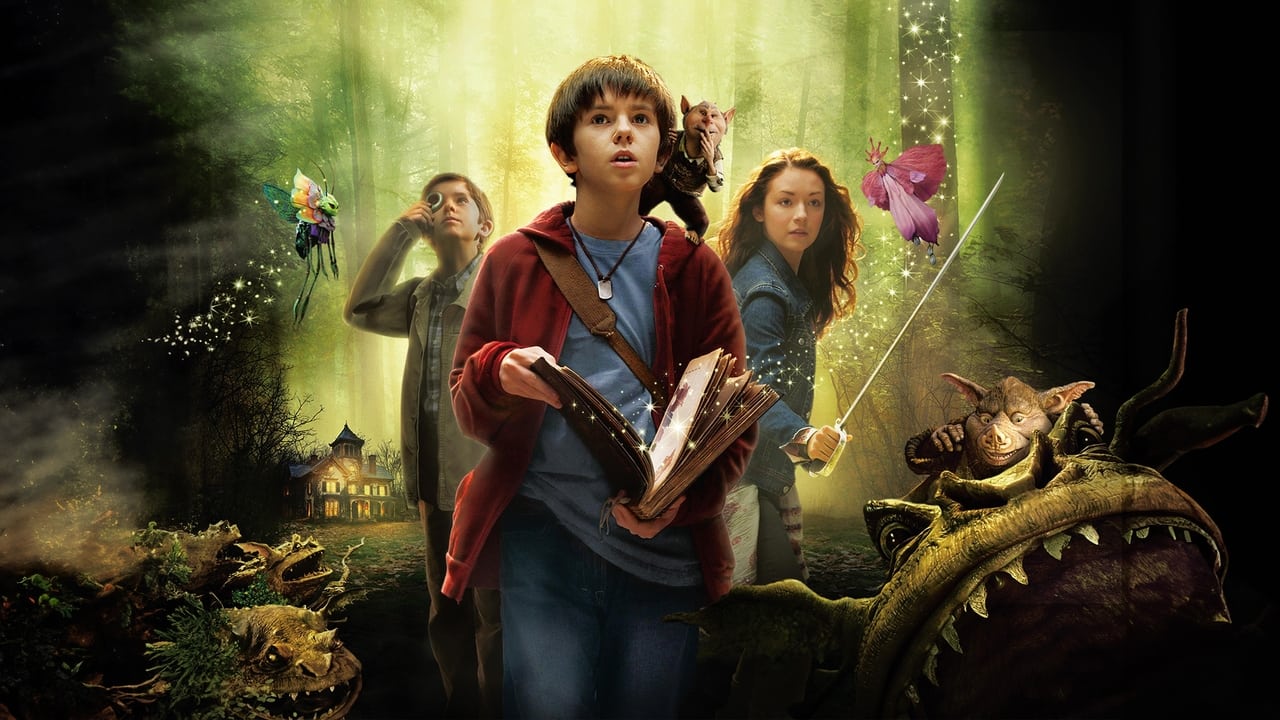
Why does this film have such a devoted following today? I think it’s because it’s one of the few "all-ages" films of its era that didn't talk down to its audience. It’s brisk—clocking in at a lean 95 minutes—and it doesn't waste time on world-building lore that doesn't serve the immediate plot.
Some fun details you might have missed:
Freddie Highmore had to film every scene twice, often switching roles in the middle of a shooting day, which he later said made him feel "slightly schizophrenic" on set. The legendary James Horner provided the score, and you can hear echoes of his work on Aliens and Willow in the more frantic action sequences. The "Field Guide" seen in the film was actually based on the real-world book by DiTerlizzi and Holly Black, and the production team went to great lengths to ensure every sketch looked hand-drawn and "lived-in." Director Mark Waters came straight from Mean Girls and Freaky Friday, which explains why the sibling bickering between Jared, Simon, and Mallory (Sarah Bolger) feels so much more authentic than your average fantasy script.
The Spiderwick Chronicles is a rare specimen: a big-budget studio film that feels like a handcrafted secret. It’s a bridge between the practical effects era and the digital future, anchored by a dual performance that remains one of the best in child-acting history. If you missed it during the initial 2008 rush, or if you haven't revisited the estate in a decade, it’s time to crack open the book again. Just make sure you stay inside the salt circle.
Keep Exploring...
-
Just Like Heaven
2005
-
Arthur and the Invisibles
2006
-

Where the Wild Things Are
2009
-

The Cat Returns
2002
-

Wizards of Waverly Place: The Movie
2009
-

Sinbad: Legend of the Seven Seas
2003
-

The Polar Express
2004
-
Herbie Fully Loaded
2005
-
Bridge to Terabithia
2007
-
Stardust
2007
-
Inkheart
2008
-
The Chronicles of Narnia: Prince Caspian
2008
-
A Christmas Carol
2009
-
Night at the Museum: Battle of the Smithsonian
2009
-
The Chronicles of Narnia: The Voyage of the Dawn Treader
2010
-
Hugo
2011
-
Brave
2012
-
Mirror Mirror
2012
-
Rise of the Guardians
2012
-
Snow White and the Huntsman
2012