The Wave
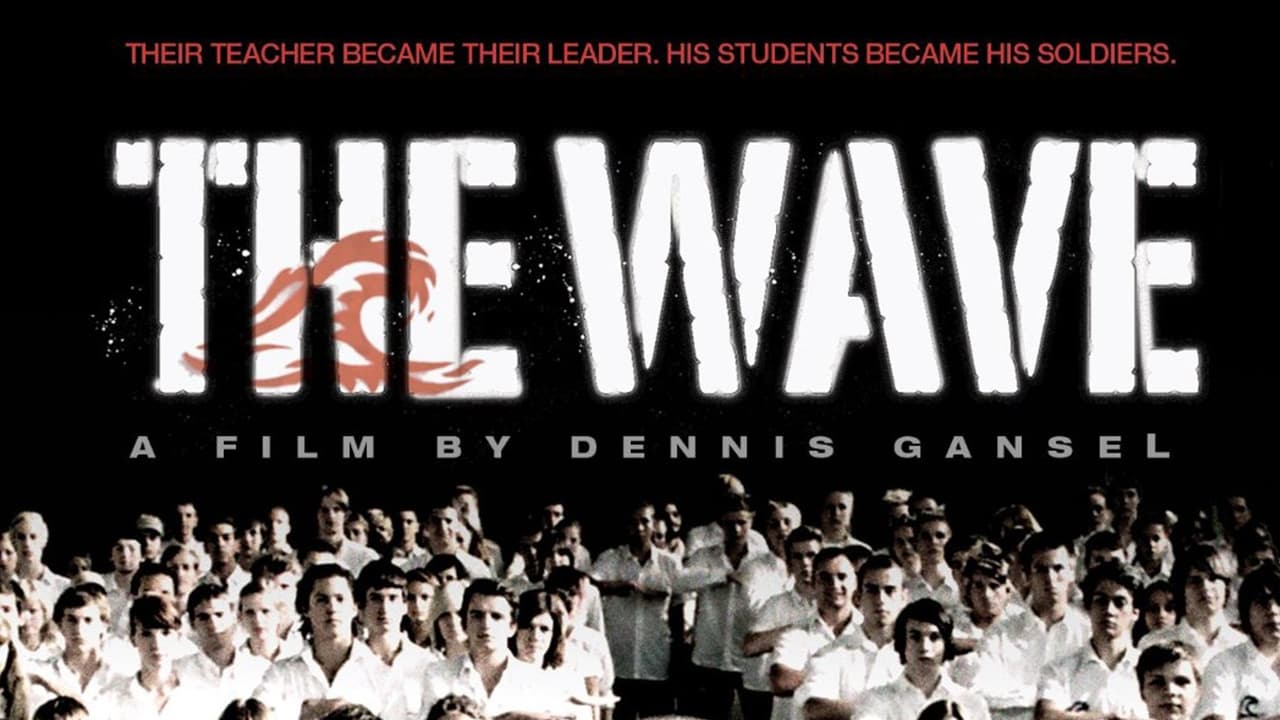
"One week. One uniform. Total control."
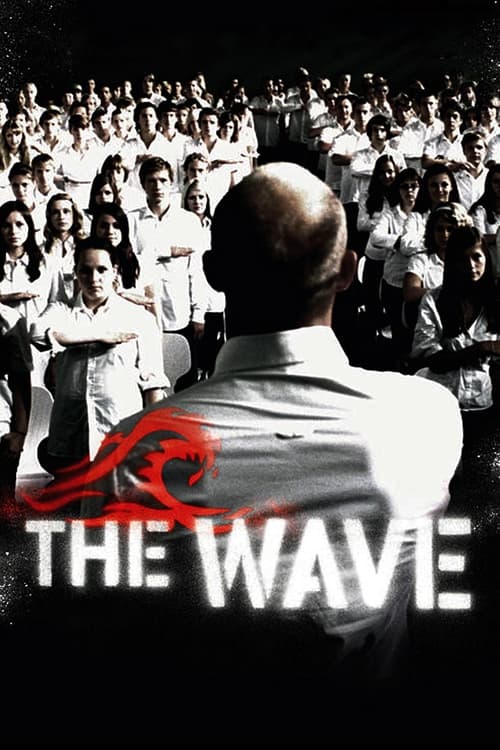
There is a specific kind of teenage arrogance that believes history is a dusty museum exhibit rather than a living, breathing creature. In Dennis Gansel’s The Wave (2008), a classroom of German students scoffs at the idea that another dictatorship could ever take root on their soil. "We’re too enlightened," they basically say, leaning back in their chairs with the casual confidence of the internet generation. It’s a dare to the universe, and their teacher, Rainer Wenger, is all too happy to accept it.
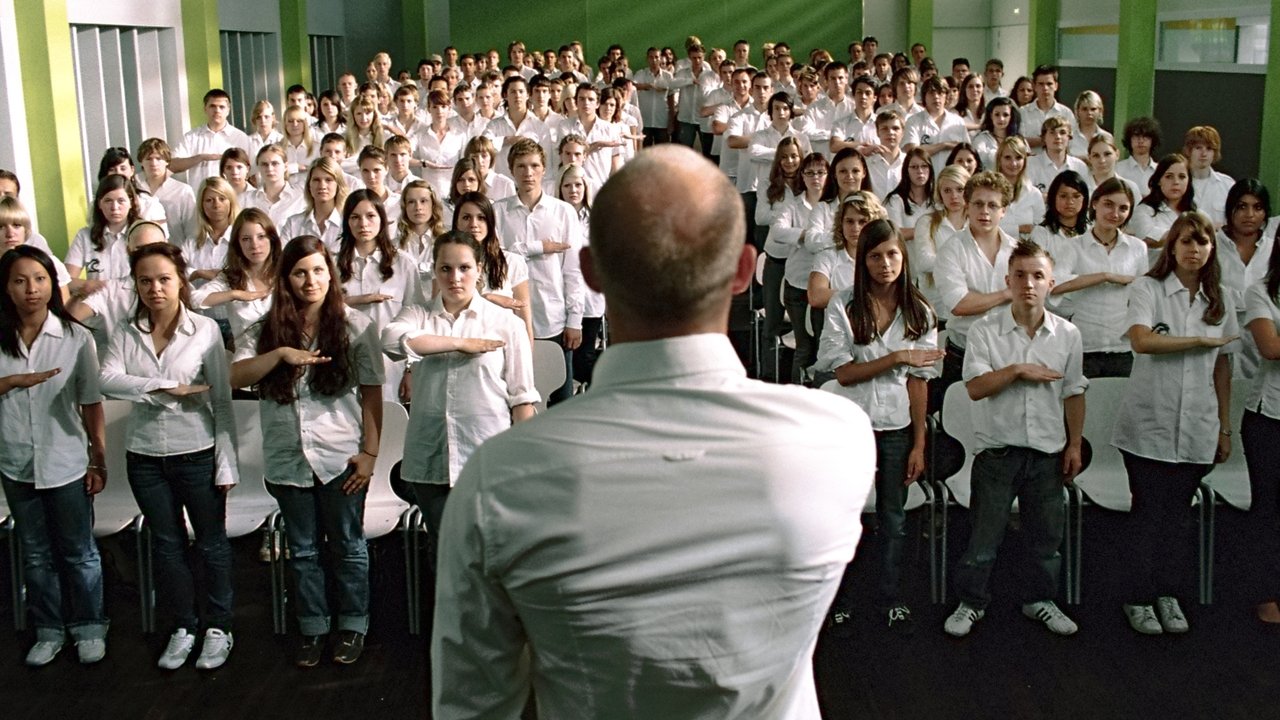
I watched this film on a Tuesday evening while eating a bowl of slightly burnt popcorn, and by the forty-minute mark, I found myself sitting up straighter, almost reflexively checking if my own shirt was tucked in. That is the power of The Wave. It doesn't just show you how a movement starts; it makes you feel the seductive pull of the "we."
The Anatomy of an Autocracy
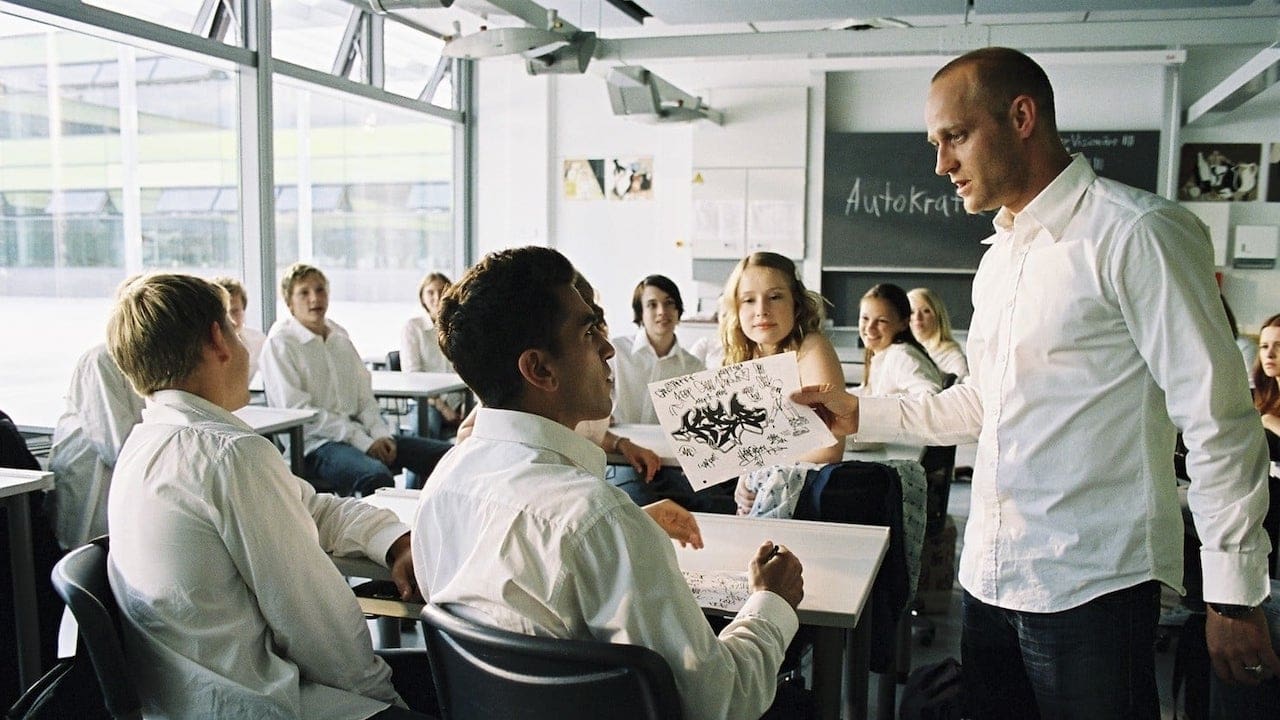
The setup is deceptively simple. During a project week on "Autocracy," Rainer—played with a magnetic, gap-toothed punk energy by Jürgen Vogel—decides to ditch the textbooks. He realizes that lecturing kids about the Nazis for the thousandth time is a recipe for eye-rolls. Instead, he turns the classroom into a microcosm of a fascist state. He becomes the leader. They become the "Wave." They adopt a uniform (white shirts and jeans), a salute, and a mission.
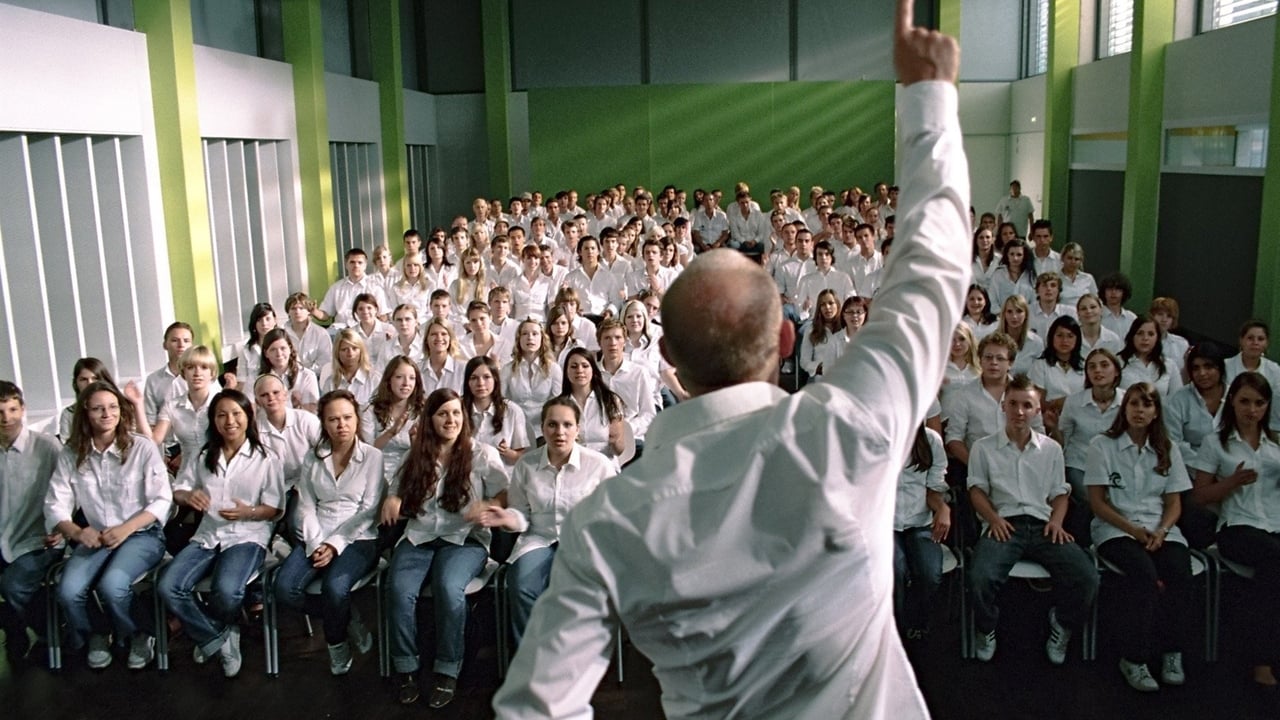
What makes this drama so effective is that it doesn't start with jackboots and book burnings. It starts with things that feel objectively good. The class clown suddenly feels respected. The shy girl finds a voice. The disparate cliques of jocks and goths dissolve into a unified front. The scariest thing about this movie isn't the fascism—it's how much fun the kids have while doing it. I found myself nodding along as they cleaned up the school or stood up for one another against bullies. You start to think, Is a little discipline really such a bad thing? and that’s exactly when Gansel has you where he wants you.
Faces in the Crowd
While Jürgen Vogel is the engine of the film, the students provide its soul. Max Riemelt plays Marco, the quintessential "cool guy" whose athletic prowess makes him a natural fit for the movement, but it’s Jennifer Ulrich as Karo who provides the necessary friction. She refuses to wear the white shirt—not for some grand political reason, but because she thinks it’s ugly—and slowly finds herself becoming an outcast in her own social circle.
The most haunting performance, however, belongs to Frederick Lau as Tim. Tim is the kid every school has: the one who is ignored by his parents and bullied by his peers. To him, the Wave isn't a social experiment; it’s a lifeline. Seeing the light of fanatical devotion enter his eyes is genuinely chilling. Lau plays the role with a fragile desperation that makes the eventual third-act spiral feel inevitable rather than forced.
A Relic of the Recent Past
Released in 2008, The Wave sits right in that sweet spot of modern cinema where the analog world was still shaking hands with the digital one. The kids use early social media and basic websites to spread their message, but the movement still relies on physical presence—stickers, graffiti, and actual face-to-face intimidation. Looking back, the film captures a pre-algorithm world where radicalization required you to actually show up in a white shirt.
The cinematography by Torsten Breuer reflects this era perfectly. It uses a lot of handheld camera work and a slightly desaturated, high-contrast palette that gives the school hallways a cold, industrial feel. It’s energetic and fast-paced, mirroring the "kinetic" (oops, I almost used a buzzword there)—let’s say restless energy of a teenager with too much adrenaline and nowhere to put it.
The film was a massive cult hit, especially in Germany, where it’s now a staple of high school curriculums. It’s easy to see why. It’s based on the real-life "Third Wave" experiment conducted by Ron Jones in California in 1967, but Gansel’s decision to move the setting to modern Germany adds a layer of cultural weight that a Hollywood version simply couldn't carry.

Stuff You Didn't Notice
The Soundtrack: The use of a Ramones cover ("Rock 'n' Roll High School") is brilliant. It frames the teacher's initial vibe as "cool rebel" before the experiment curdles into something authoritarian. The Real Ron Jones: The teacher who conducted the original experiment in 1967 actually visited the set and was reportedly shaken by how accurately the film captured the escalating tension. Visual Evolution: Pay attention to the lighting. As the film progresses and the Wave becomes more powerful, the colors become colder and the shadows more pronounced. The Budget: For a film that feels so expansive, it was made on a relatively modest $7.5 million. Most of that went into the sheer logistics of managing a massive teenage cast that looks like a real student body rather than a group of 30-year-old models. * Global Reach: While it’s a German film, it became a massive success in Russia and South America, proving that the fear of "the mob" is a universal language.
The Wave is a masterclass in tension that refuses to let its audience off the hook with easy answers. It’s a dark, intense ride that suggests the distance between a "civilized student" and a "committed soldier" is about five days and a change of clothes. I walked away from it feeling a little more skeptical of any group that demands total conformity—and a lot more appreciative of the people who refuse to wear the white shirt.
Dennis Gansel has crafted a thriller that works as both a gripping high school drama and a terrifying political warning. It’s the kind of film that stays with you long after the credits roll, making you wonder just how easily you might have been swept up in the tide. If you haven't seen it yet, find a copy, grab some popcorn (try not to burn it), and prepare to be deeply uncomfortable in the best way possible.
Keep Exploring...
-
21 Grams
2003
-

Dogville
2003
-
The Machinist
2004
-

A History of Violence
2005
-

Lord of War
2005
-

Match Point
2005
-
Lucky Number Slevin
2006
-
The Illusionist
2006
-
Martyrs
2008
-
The Hurt Locker
2008
-

Brothers
2009
-
127 Hours
2010
-
The Next Three Days
2010
-
Drive
2011
-
The Lincoln Lawyer
2011
-

The Skin I Live In
2011
-
We Need to Talk About Kevin
2011
-
End of Watch
2012
-
The Life of David Gale
2003
-
Man on Fire
2004