The Wrestler
"Broken bodies, beautiful lies."
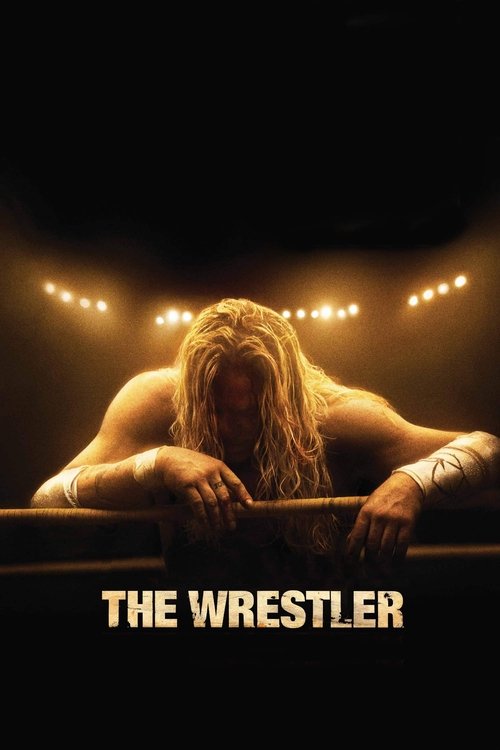
I remember watching this in a half-empty theater back in 2008 while nursing a lukewarm Diet Coke that had lost its fizz somewhere during the trailers. By the time the credits rolled, I felt like I’d been the one slammed through a folding table. There is a specific kind of ache that Darren Aronofsky (who gave us the hallucinogenic Requiem for a Dream) captures here—not just the physical pain of a body failing, but the spiritual rot of a man who only exists when people are screaming his name.
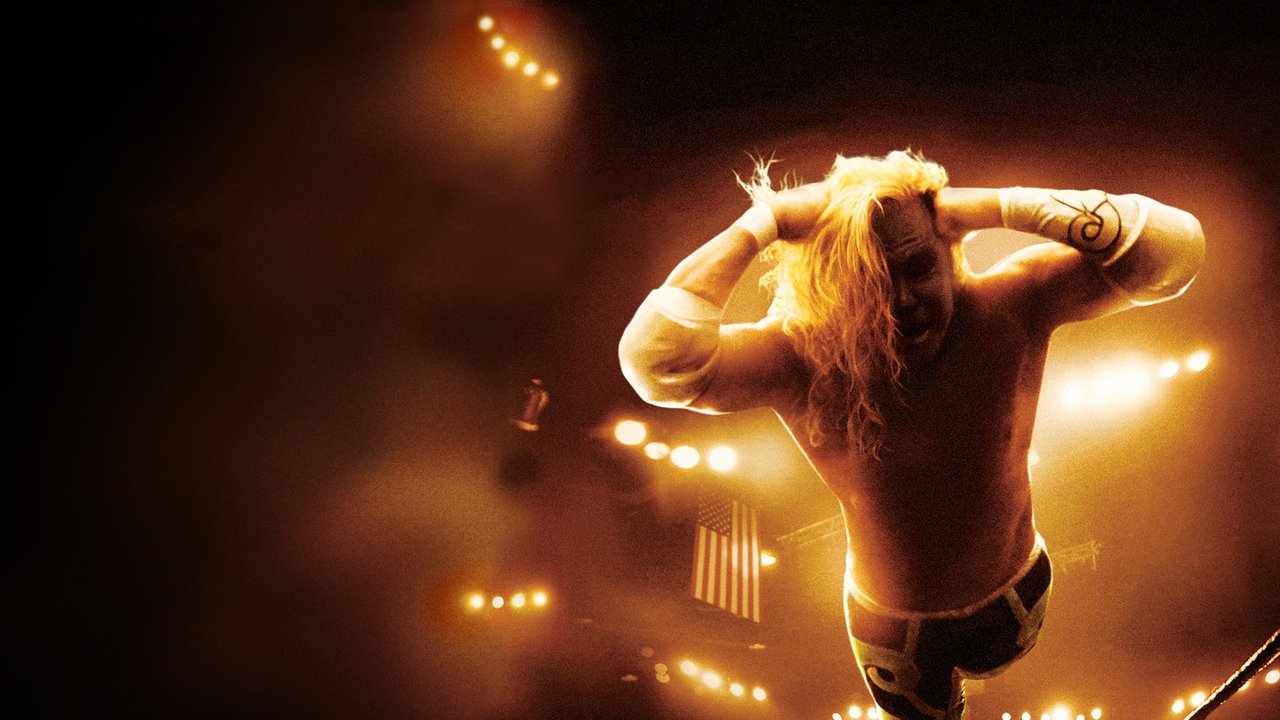
The Ghost of 1985
Looking back at the late 2000s, cinema was in a weird, transitional headspace. We were moving away from the hyper-stylized "bullet time" era and into a period of gritty, handheld realism that favored dirt under the fingernails over CGI gloss. The Wrestler is the pinnacle of that aesthetic. It’s a film about the analog leftovers of the 80s trying to survive in a digital, heartless new century.
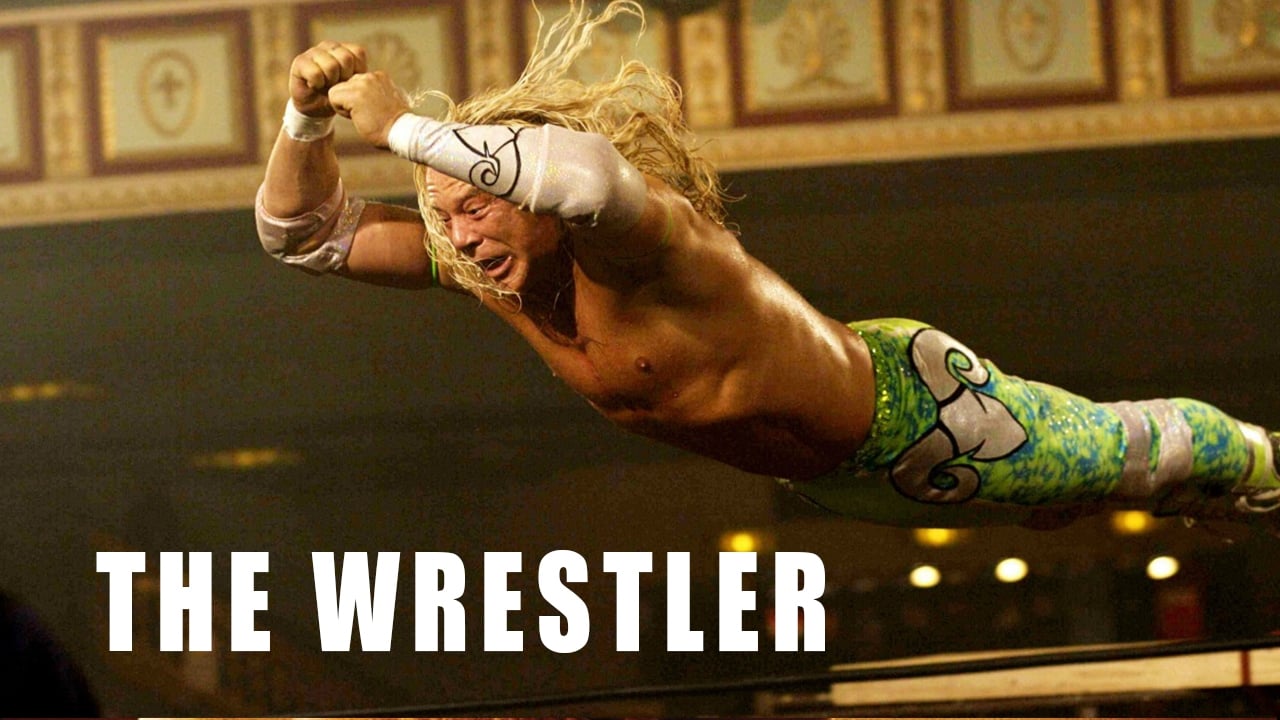
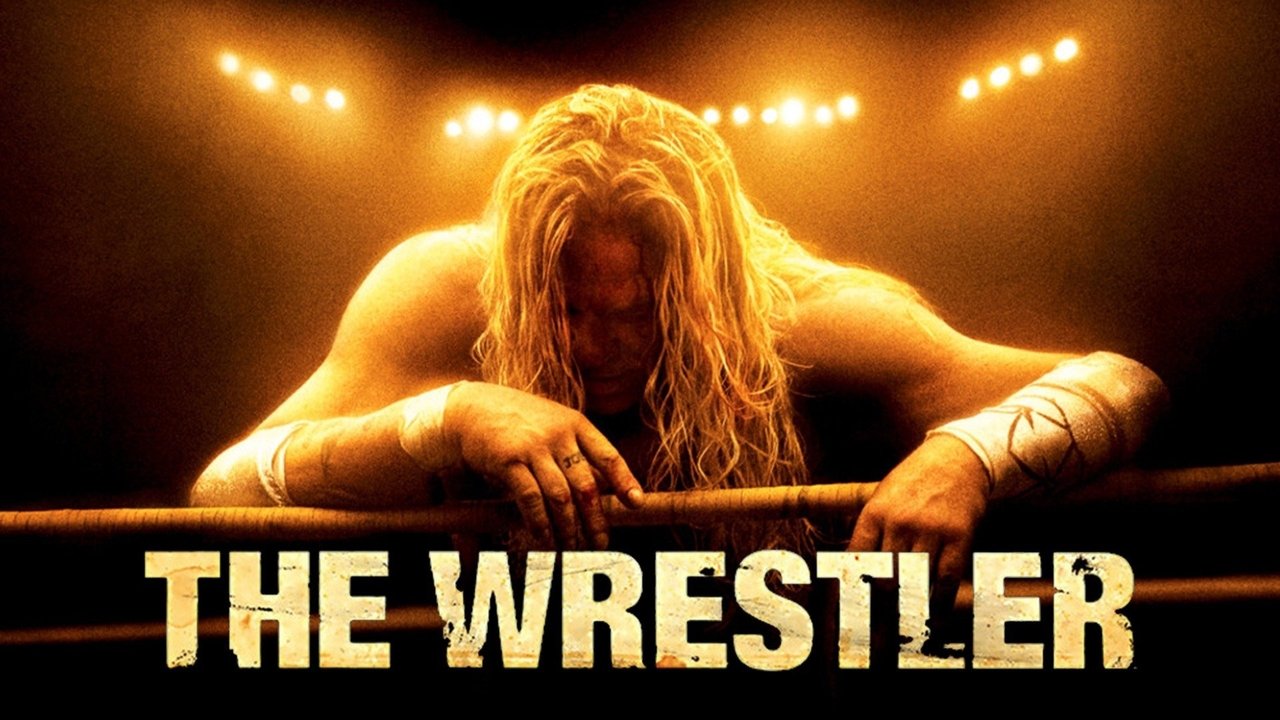
Mickey Rourke doesn't just play Randy "The Ram" Robinson; he inhabits him with a haunting, meta-textual weight that makes it impossible to look away. Rourke, who had famously walked away from Hollywood to pursue a bruising boxing career in the 90s, brought his own literal scars to the role. When you see Randy’s mangled ears and that shock of bleached-blonde hair, you aren't seeing a costume—you're seeing a man whose life story is written in scar tissue. He looks like a piece of chewed gum that someone dropped in a sandbox, and I mean that as the highest compliment to the makeup department and Rourke’s own weathered physicality.
The film operates on a simple, tragic loop. Randy is a god in VFW halls and high school gyms, where fans still remember his glory days against "The Ayatollah." But the moment he steps out of the curtain, he’s a nobody who can’t pay his trailer park rent and has to wear a hearing aid to talk to his daughter. It’s a brutal look at the "performative self"—the idea that we are all playing roles, and some of us are terrified of what happens when the mask comes off.
Mirrors, Strippers, and Staples
The genius of Robert D. Siegel’s screenplay is how it pairs Randy with Cassidy, played by a never-better Marisa Tomei. As an aging stripper, Cassidy is Randy’s mirror image. They both trade on their bodies, both deal in the commerce of fantasy, and both are facing an impending "expiration date" that the world is all too eager to enforce. Their scenes together are quiet and devastating; they are two people who understand that their value is entirely tied to how well they can distract an audience from their own mundane lives.
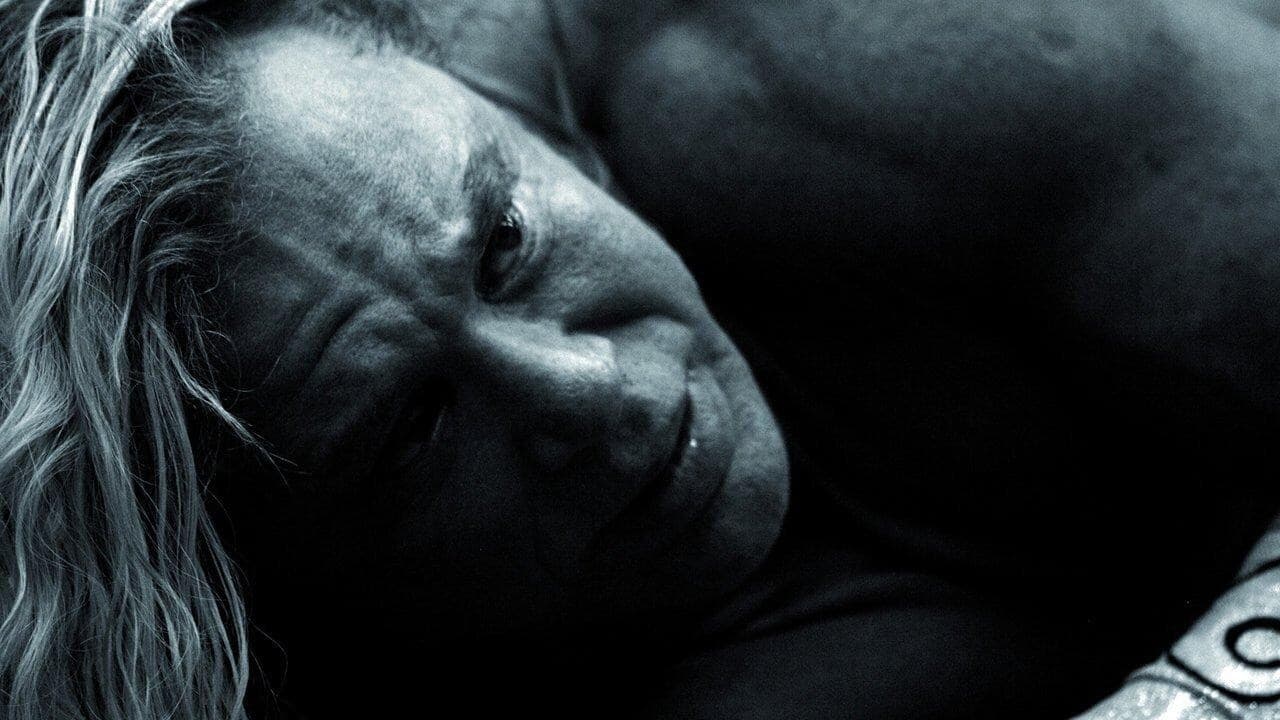
Aronofsky, working with cinematographer Maryse Alberti, shoots most of the film from behind Randy’s head. We follow him down hallways like we’re his shadow, or perhaps his conscience. It’s a technique that makes the wrestling sequences feel terrifyingly intimate. If you think pro wrestling is "fake," this movie will disabuse you of that notion within ten minutes. You see the razor blades hidden in the wrist tape to induce bleeding; you hear the sickening thud of staples being fired into bare skin.
There’s a scene involving a "hardcore" match with a real-life indie wrestler named Necro Butcher that is genuinely difficult to watch. Apparently, Rourke was terrified of the guy, and you can see that genuine apprehension on screen. It highlights the film’s central philosophical question: why do we kill ourselves for the applause of strangers?
The Cost of the Comeback
For a film that cost a mere $6 million, it carries more emotional weight than any hundred-million-dollar blockbuster from that era. It’s the ultimate "Sundance kid" success story—a film that nearly didn't happen because investors were wary of Rourke's reputation. At one point, Nicolas Cage (fresh off National Treasure) was attached to the lead, but he gracefully stepped aside because he knew Rourke was the only man who could truly bleed for this part.
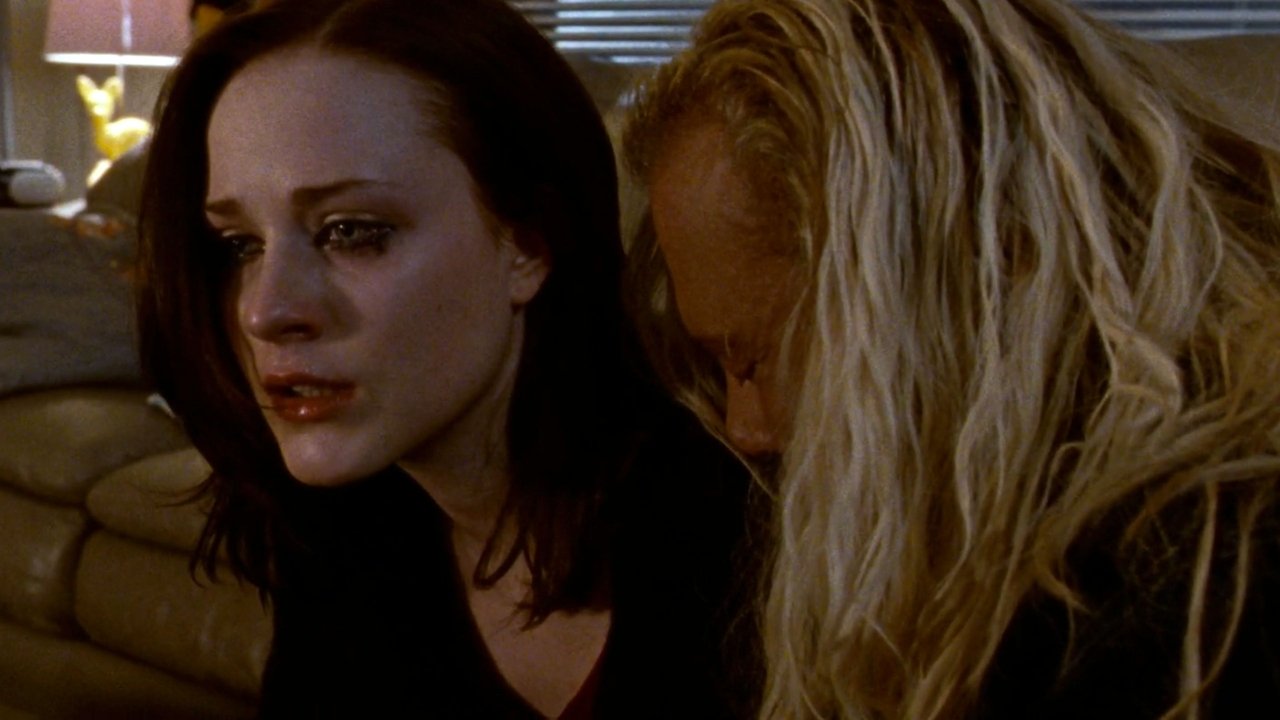
The drama with Randy’s estranged daughter, Stephanie, played by Evan Rachel Wood (who we later loved in Westworld), provides the film's most grounded heartbreak. While the wrestling matches provide the spectacle, the scene on the boardwalk where Randy tries to apologize for a lifetime of neglect is the real "main event." Wood is sharp and jagged, a perfect foil to Rourke’s soft, bumbling attempts at fatherhood. You want him to succeed, but the film is honest enough to know that some bridges aren't just burned—they're vaporized.
One of the coolest behind-the-scenes tidbits involves the title track. Bruce Springsteen, a longtime friend of Rourke, wrote the haunting theme song for free as a gift. It’s that kind of production—one fueled by a collective sense that they were making something that mattered. Even Axl Rose let them use "Sweet Child O' Mine" for a fraction of the usual cost because he was a fan of the project.
The Wrestler isn't a sports movie. It’s an existential ghost story. It’s about the tragedy of being a "man out of time" and the terrifying realization that your greatest talent might also be the thing that kills you. It’s raw, it’s ugly, and it features a performance by Mickey Rourke that stands as one of the greatest "resurrections" in cinematic history. Even if you’ve never watched a single minute of WWE, this story will find the softest part of your heart and put it in a sleeper hold.
The ending is a masterclass in ambiguity. We don't see the landing; we only see the leap. It’s a philosophical choice that respects the character's agency. Randy chooses the roar of the crowd over the silence of the deli counter, and while it's a tragedy, the film lets him have his moment of glory. It’s a punch to the gut, but it’s a punch you’ll be glad you took.
Keep Exploring...
-
The Fountain
2006
-
Moonrise Kingdom
2012
-

Cinderella Man
2005
-

Memoirs of a Geisha
2005
-

What's Eating Gilbert Grape
1993
-
10 Things I Hate About You
1999
-

Three Steps Above Heaven
2010
-
The Garden of Words
2013
-
Brokeback Mountain
2005
-
The Reader
2008
-

Flipped
2010
-
Crazy, Stupid, Love.
2011
-

Match Point
2005
-
Stranger Than Fiction
2006
-
The Illusionist
2006
-
Revolutionary Road
2008
-
Vicky Cristina Barcelona
2008
-
(500) Days of Summer
2009
-
Black Swan
2010
-
Letters to Juliet
2010