The X Files: I Want to Believe
"Searching for faith in a frozen wasteland."
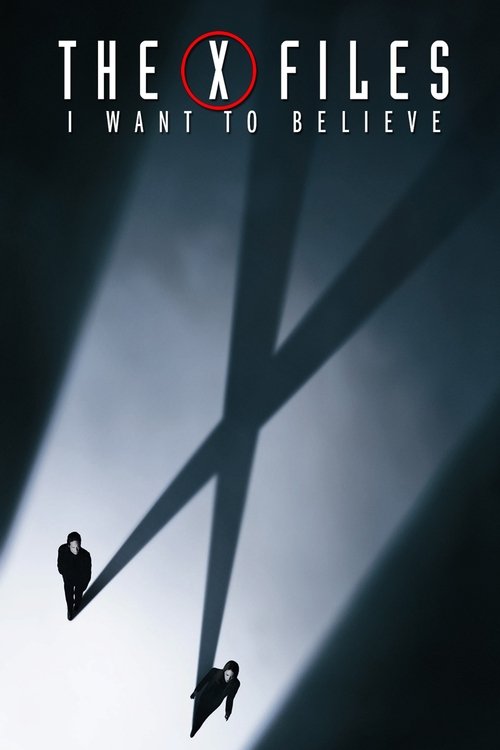
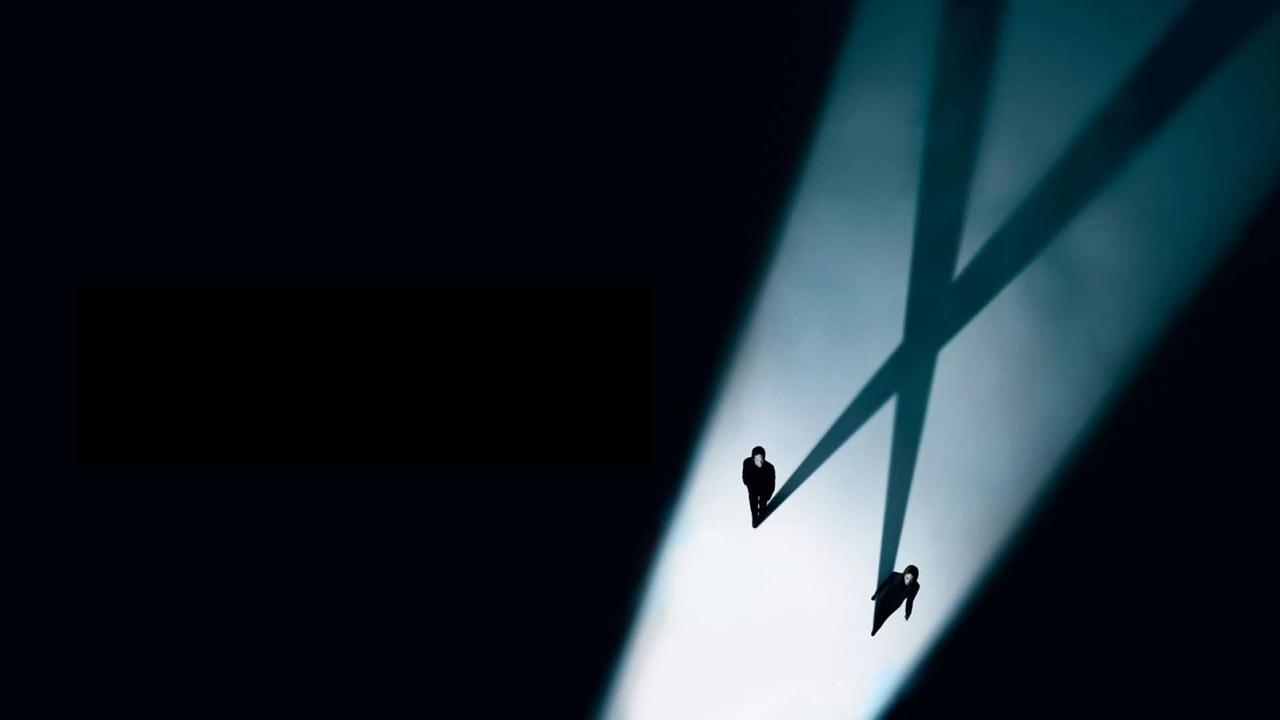
There is a specific kind of loneliness that permeates The X-Files: I Want to Believe. I remember sitting in a half-empty theater in the summer of 2008, a year dominated by the neon chaos of The Dark Knight and the birth of the MCU with Iron Man, and feeling like I was watching a transmission from a ghost ship. While every other franchise was busy getting bigger, louder, and more "universe-ready," Chris Carter decided to bring Mulder and Scully back for a quiet, snowy, and deeply macabre procedural that felt less like a summer blockbuster and more like a long-lost episode of Millennium.

I watched this movie while nursing a lukewarm cherry Icee that gave me a localized brain freeze right at the exact moment Billy Connolly started weeping blood, and that strange, shivering discomfort has stayed with me for fifteen years.
A Mid-Life Crisis with Flashlights
By 2008, the "Golden Age" of The X-Files was a decade in the rearview mirror. The alien mythology had collapsed under its own weight, and the 1998 film Fight the Future felt like the peak of the show's cultural dominance. So, what do you do with Fox Mulder and Dana Scully six years after the series finale? Apparently, you turn them into a weary, middle-aged couple arguing about medical ethics and divine providence.
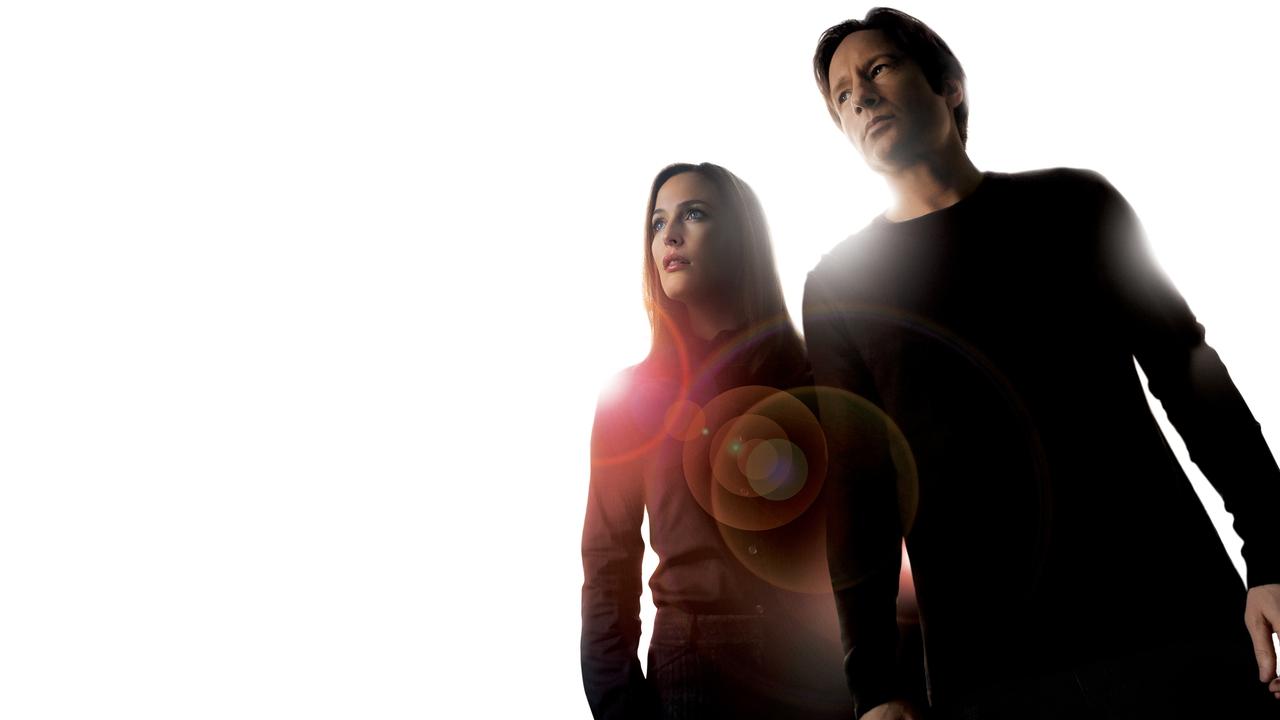
The plot kicks off when a former priest and convicted pedophile, played with unsettling vulnerability by Billy Connolly, claims to be receiving psychic visions of a kidnapped FBI agent. The Bureau, apparently desperate or just nostalgic, drags Mulder out of his "unabomber-chic" isolation to help. David Duchovny slips back into the role with an effortless, dry wit, though Mulder’s beard makes him look like a guy who’s been banned from every local library. Meanwhile, Gillian Anderson's Scully is working as a surgeon, struggling with a tragic pediatric case that serves as a heavy-handed but effective mirror to the main mystery.
The chemistry between the two remains the film’s heartbeat. It’s not about "will they/won't they" anymore; it’s about "how do we survive each other?" Watching them navigate a dark hallway with nothing but those iconic high-beam flashlights still triggers a Pavlovian response in my brain. It feels like home, even if the house is currently freezing.
The Gritty Side of the Digital Shift
Technologically, the film sits at a fascinating crossroads. It was shot on film by Bill Roe, giving it a grainy, tactile coldness that digital cinematography often struggles to replicate today. However, you can see the 2008 era's fingerprints in the production. The "science" of the film—involving a gruesome Russian organ-harvesting ring and a two-headed dog—moves away from the extraterrestrial and into the "mad scientist" realm of medical horror.
In a world before the MCU formula dictated that every sequel must be an "event," I Want to Believe is stubbornly small. It’s a "Monster of the Week" story with a $30 million budget. It’s basically a high-budget episode of Millennium masquerading as an X-Files movie. This was a gamble that ultimately didn't pay off at the box office, but looking back, there’s something admirable about its refusal to be a "Greatest Hits" tour. It’s a film about the burden of belief, not the thrill of the chase.
The supporting cast is... interesting. Amanda Peet does her best as ASAC Dakota Whitney, though she’s mostly there to remind us that the FBI has changed. Then there’s Xzibit as Agent Mosley Drummy. Every time he appeared on screen, I half-expected him to tell Mulder he’d put a flat-screen TV in the trunk of the FBI sedan. He’s fine, but his presence is one of those "2008-specific" casting choices that pulls you right out of the atmosphere.
The Beauty of a Forgotten Failure
Why did this movie vanish from the public consciousness? Timing played a part—it was released a week after The Dark Knight, which is like trying to sell a quiet acoustic set in the middle of a Metallica concert. But more than that, fans wanted aliens. They wanted the Cigarette Smoking Man. They wanted closure on the 2012 colonization date. Instead, they got a grim, snowy meditation on pedophilia, organ theft, and the silence of God.
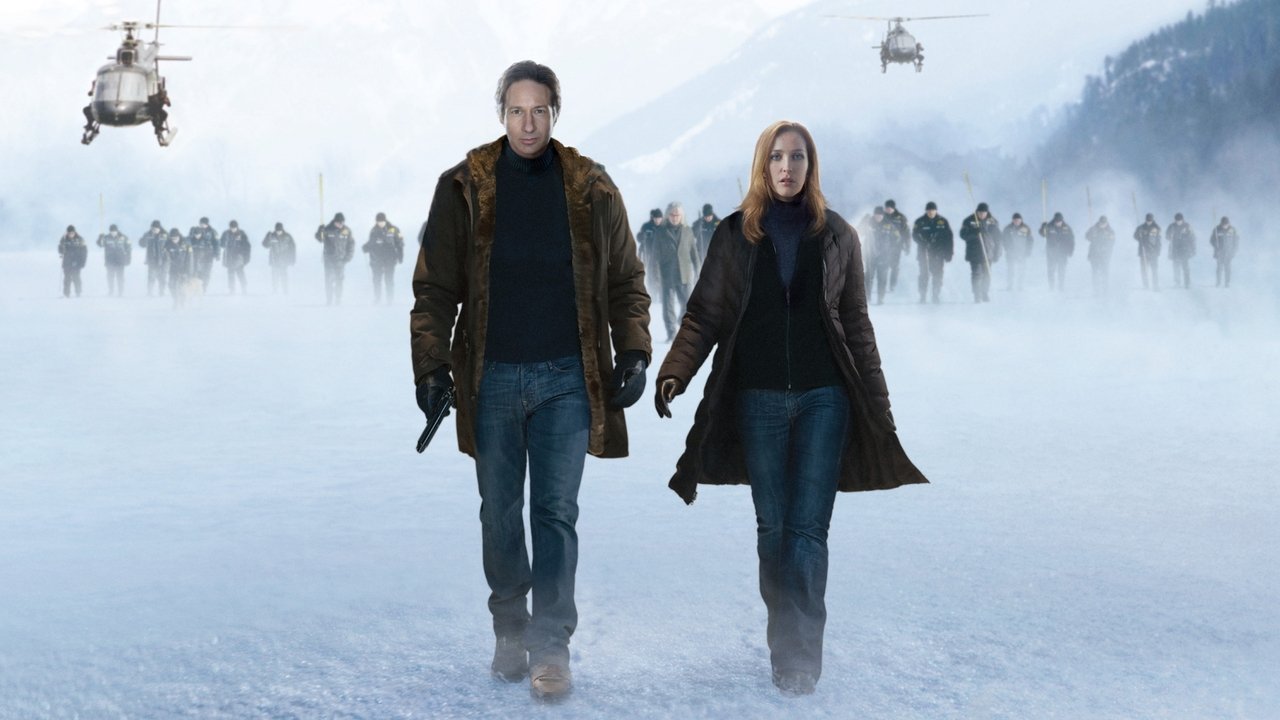
But here’s the thing: as a standalone thriller, it’s actually quite effective. The score by Mark Snow is haunting, trading the synth-heavy mystery of the 90s for a more orchestral, mournful tone. The central horror—the idea of a "Frankenstein" surgeon trying to keep his lover alive through stolen parts—is genuinely chilling in a way that the show’s later seasons rarely achieved.
It’s an odd, misshapen film, but it’s a human one. It values the internal lives of its protagonists over the spectacle of its premise. If you can get past the lack of UFOs and the somewhat sluggish pacing, you’ll find a movie that actually has something to say about what happens to "true believers" when the world moves on without them.
The X-Files: I Want to Believe isn't the grand finale fans wanted, but it’s a fascinating relic of a time when franchises were allowed to be weird, somber, and small. It’s best viewed on a rainy Tuesday night with the lights off, far away from the baggage of the show's convoluted mythology. It’s a reminder that sometimes the scariest things aren't in the stars, but in the desperate, frozen corners of our own world. Even if the truth is out there, this movie suggests we might be happier not finding it.
Keep Exploring...
-
The X-Files
1998
-
The Forgotten
2004
-

The Fourth Kind
2009
-

Paycheck
2003
-
Sky Captain and the World of Tomorrow
2004
-

The Invasion
2007
-
Blindness
2008
-
Sphere
1998
-
Pandorum
2009
-

Time Lapse
2014
-
The Jacket
2005
-
Cube Zero
2004
-
Perfect Stranger
2007
-

Knowing
2009
-
Super 8
2011
-
Mindhunters
2004
-
A Scanner Darkly
2006
-

88 Minutes
2007
-
Cleaner
2007
-
In the Valley of Elah
2007