Tinker Bell
"A silent icon finally finds her voice."
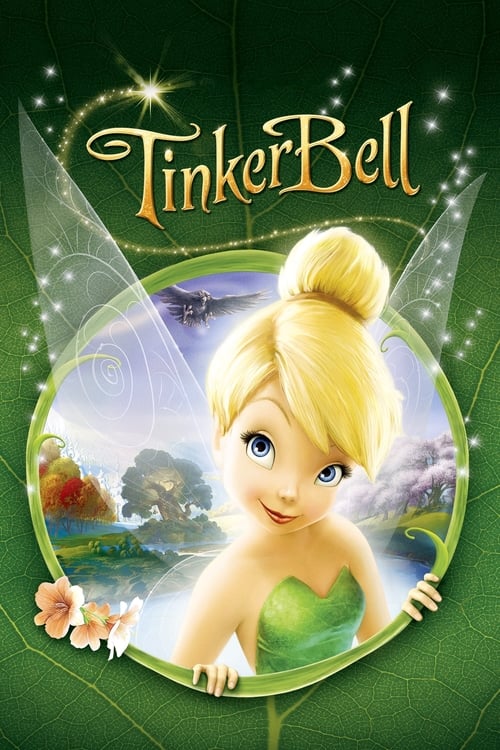
For over fifty years, Tinker Bell was the gold standard for silent-screen charisma in a technicolor world. She was a weaponized sprite of jealousy and pixie dust who communicated exclusively through pantomime and the sound of a celesta. Then 2008 arrived, and Disney decided it was time to let the lady speak. I’ll be honest: back then, the idea of giving Tink a voice felt a bit like giving a monologue to Lassie—some things are just better left to the imagination. But watching this origin story now, it’s a fascinating relic of a very specific moment in the Disney transition from the "cheap-quel" era to the high-gloss franchise machine we know today.

The Lasseter Intervention
To understand why Tinker Bell looks as good as it does for a 2008 direct-to-DVD (DTV) release, you have to look at the boardroom drama. This was the era when John Lasseter took the creative reins at Disney Animation and famously looked at the early footage of this film and nearly scrapped the whole thing. He reportedly felt it was a shallow cash-grab that would damage the brand. Instead of a cancellation, the production got a massive injection of cash and a script overhaul.
The result is a film that feels remarkably "Pixar-adjacent." While it was animated largely by Prana Animation Studios in India, you can feel the heavy hand of the new Disney leadership trying to elevate the material. I watched this on a Tuesday afternoon while wearing a pair of wool socks with a hole in the left toe, and the draft was arguably the most "nature fairy" thing in my living room, but even I could see the ambition in the digital flora. The world of Pixie Hollow is vibrant, even if the early 2000s CGI occasionally gives the fairies the slightly unnerving "plastic doll" sheen common before sub-surface scattering became a standard industry trick.
Finding the Voice
The biggest hurdle was always the voice. Casting Mae Whitman (who I will always associate with her hilariously understated turn as Ann Veal in Arrested Development) was a stroke of genius. She brings a grounded, tomboyish energy to Tink that saves the character from being a generic "pink" protagonist. This isn't the vindictive, "I'll-trap-Wendy-in-a-tree" Tink from 1953; this is a burgeoning engineer dealing with an identity crisis.
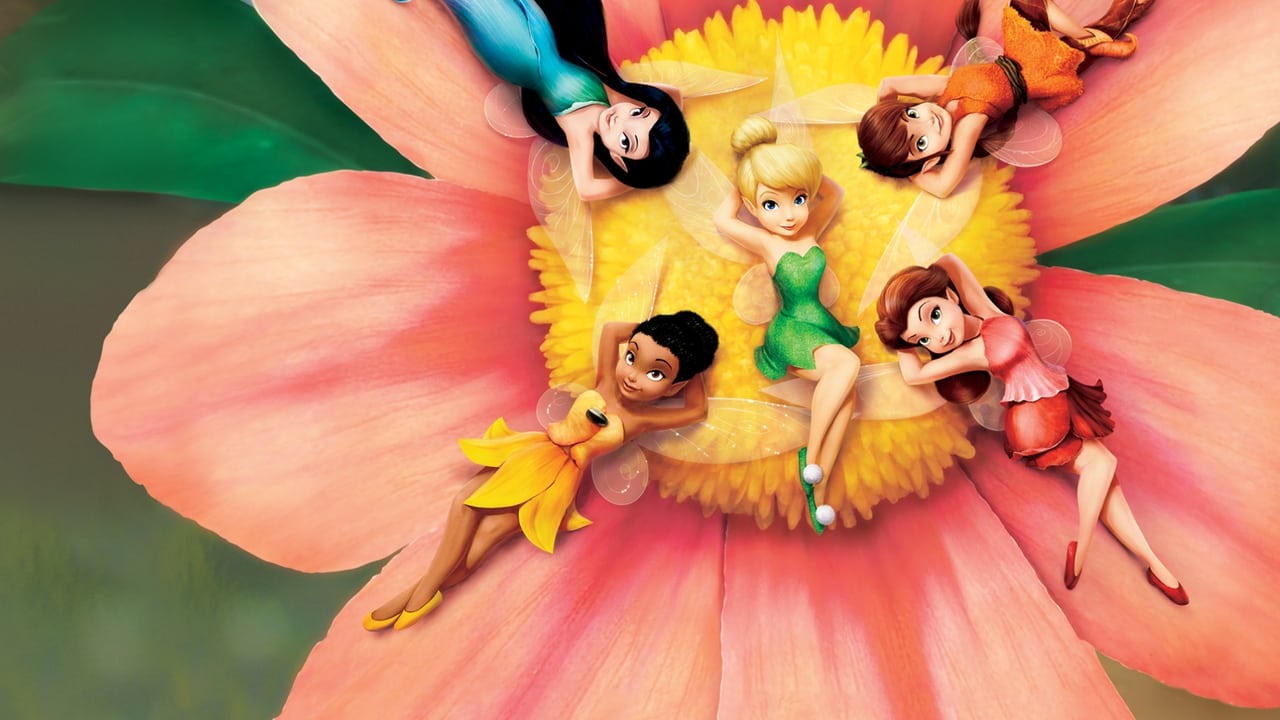
The supporting cast is a bizarrely stacked "who’s who" of mid-2000s television royalty. You’ve got Kristin Chenoweth (hot off her Wicked fame) as the garden fairy Rosetta, Raven-Symoné as the light fairy Iridessa, Lucy Liu as the water fairy Silvermist, and America Ferrera as the animal-loving Fawn. It’s a literal vocal Avengers of the Disney Channel era. While some of the side characters are a bit thin, the camaraderie feels genuine. Tinker Bell is basically a high-fantasy project manager for ADHD children, and seeing her try to force her "tinkering" skills into the more "glamorous" nature roles is a surprisingly relatable hook for anyone who has ever suffered through a job they weren't meant for.
The Adventure of the Mundane
What sets this apart from the broader Disney canon is the scale. Because it’s an adventure film about six-inch-tall beings, the stakes are delightfully small-scale yet high-tension. A lost hammer or a rogue sprint of wind feels like a Category 5 hurricane. The film does a great job of building out the mechanics of Pixie Hollow—how they paint butterfly wings, how they store sunlight, and how Tink’s mechanical mind creates "lost thing" inventions out of human trash.
It captures that "Sense of Discovery" that defines the best adventure films. We aren't just watching a story; we're learning the blueprints of a hidden world. The score by Joel McNeely leans heavily into Celtic whistles and soaring strings, which honestly does a lot of the heavy lifting in making the film feel "theatrical" rather than "disposable." It’s an era-defining sound; that mid-2000s orchestral whimsy that seemed to follow every fantasy project after Lord of the Rings proved audiences loved a good fiddle solo.
Looking back, Tinker Bell was the canary in the coal mine for the DisneyToon Studios pivot. It proved that "home video" didn't have to mean "low quality." While it clearly targets a younger demographic, the film avoids being cynical. It’s a cozy, well-engineered piece of world-building that launched a massive franchise, and the movie is a surprisingly competent lesson in career counseling disguised as a glitter bomb. It’s not a masterpiece, but it’s a heck of a lot better than the "Cinderella's Step-Sister Goes to the Ball" sequels that preceded it.
If you’re looking for a hit of gentle, mid-2000s fantasy nostalgia or just want to see a pre-superstar America Ferrera talk to a bird, this is a journey worth taking. It’s a reminder of a time when the CGI revolution was just starting to democratize "the epic," bringing big-screen imagination to the living room TV. Just don't expect the biting edge of the original J.M. Barrie character—this Tink is much more concerned with fixing tea kettles than she is with kidnapping children, and maybe that’s for the best.

Keep Exploring...
-
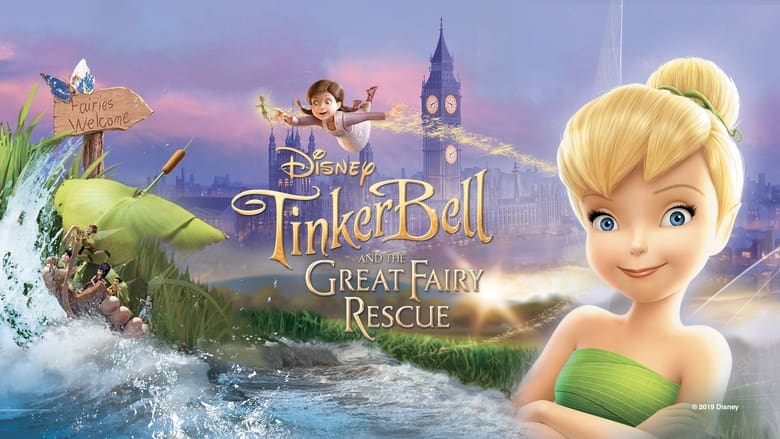
Tinker Bell and the Great Fairy Rescue
2010
-
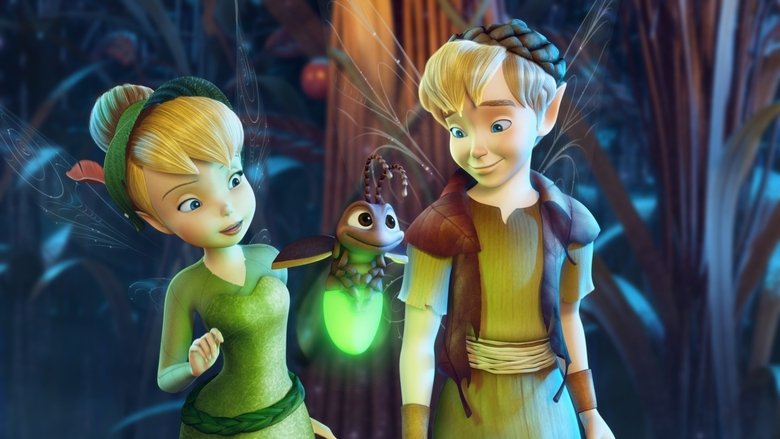
Tinker Bell and the Lost Treasure
2009
-

Secret of the Wings
2012
-
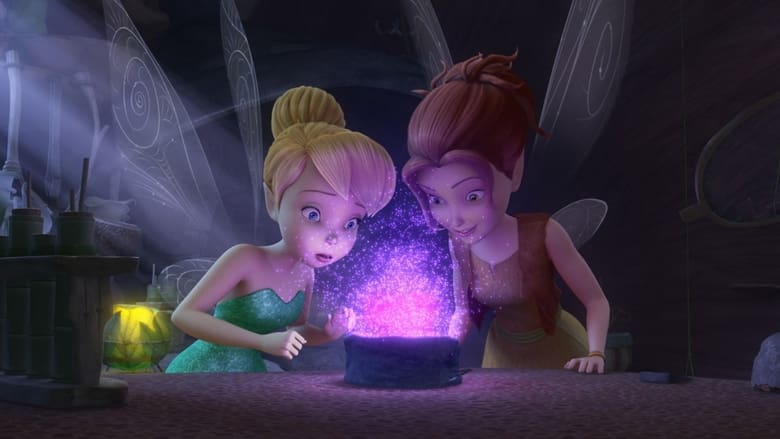
Tinker Bell and the Pirate Fairy
2014
-
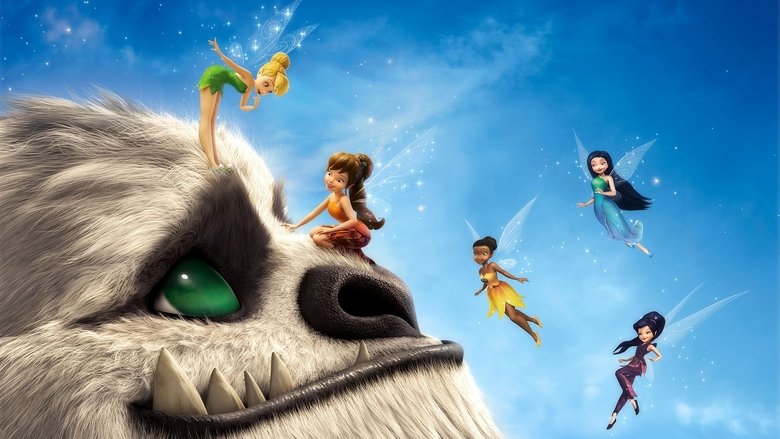
Tinker Bell and the Legend of the NeverBeast
2014
-
The Lion King 1½
2004
-
Shrek the Halls
2007
-
A Monster in Paris
2011
-
DuckTales: The Movie - Treasure of the Lost Lamp
1990
-
The Rescuers Down Under
1990
-

The Swan Princess
1994
-
James and the Giant Peach
1996
-
Pocahontas II: Journey to a New World
1998
-

The SpongeBob SquarePants Movie
2004
-
Mickey, Donald, Goofy: The Three Musketeers
2004
-
101 Dalmatians II: Patch's London Adventure
2003
-

Sinbad: Legend of the Seven Seas
2003
-

The Polar Express
2004
-
Cinderella III: A Twist in Time
2007
-
Shrek the Third
2007