Twilight
"High school is hell, but dating a corpse is worse."
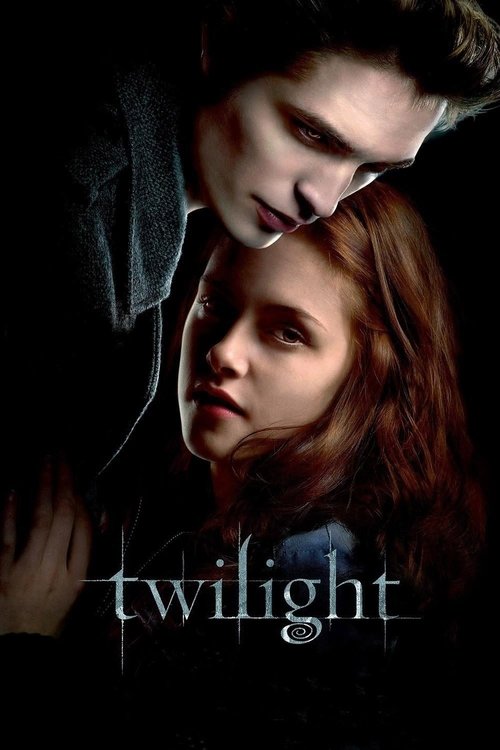
The first time I saw Twilight, I was stuck in a basement apartment with a radiator that hissed like a cornered cat every time the heat kicked on. Oddly enough, that rhythmic, metallic wheezing provided the perfect percussive accompaniment to the heavy breathing and pained silences of Bella Swan and Edward Cullen. Watching it again over fifteen years later, I’m struck by how much of a time capsule it is—not just for the late-aughts fashion, but for a specific moment in cinema where a mid-budget indie-style drama could accidentally ignite a global wildfire.
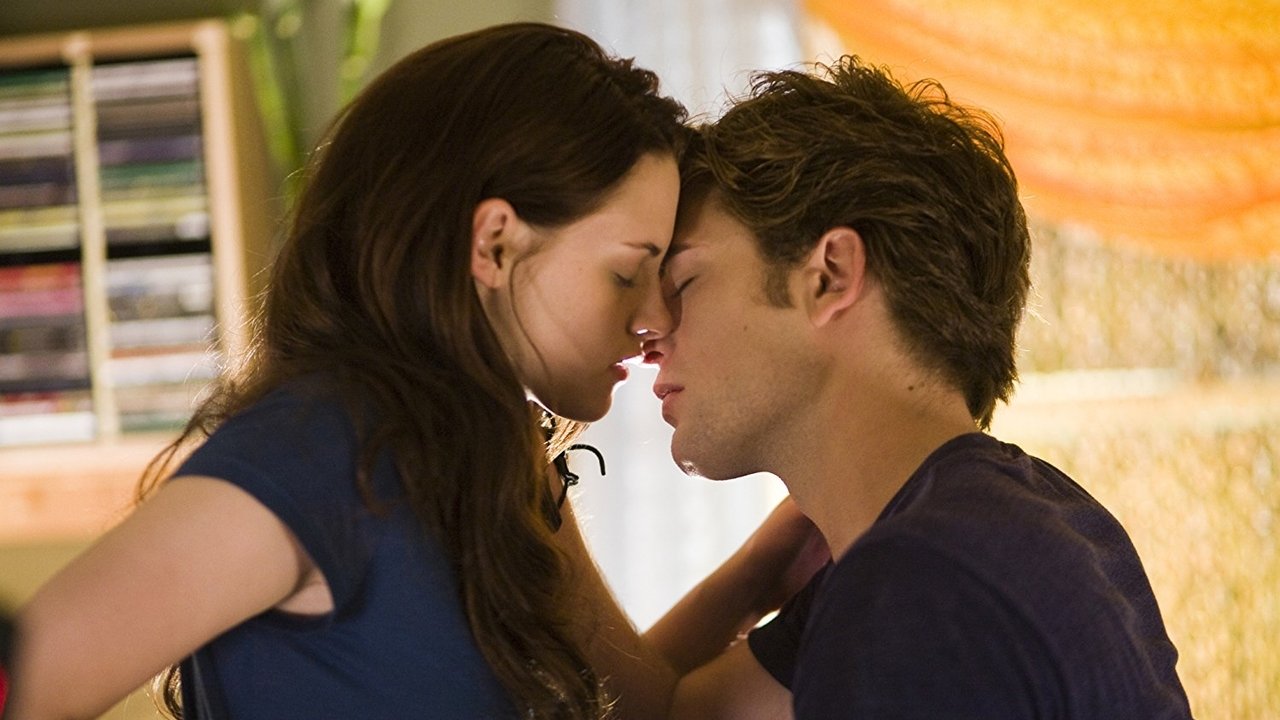
The Blue-Tinted Grunge of Forks
Before it was a billion-dollar juggernaut with CGI wolves and Italian vampire royalty, Twilight was just a moody little project directed by Catherine Hardwicke. Coming off the grit of Thirteen (2003) and Lords of Dogtown (2005), Hardwicke brought a tactile, almost grimy aesthetic to the Pacific Northwest. Everything in this movie is blue. I mean really blue. It looks like the entire film was shot through a frozen Gatorade bottle, but that wash of cold cyan is exactly what gives the film its identity.
In retrospect, this is the only entry in the franchise that feels like a real movie rather than a product. It’s got hand-held camera work, an actual interest in the damp texture of the woods, and a soundtrack—featuring Muse and Paramore—that felt like a curated mixtape for the Hot Topic generation. Looking back, Hardwicke’s decision to keep things grounded in a weird, alt-rock reality is what saved the film from its own inherent silliness. She captures the awkwardness of being seventeen in a way that feels uncomfortably authentic, even when one of the teens is a century-old predator who glitters in the sun.
A Stare That Launched a Million Tumblrs
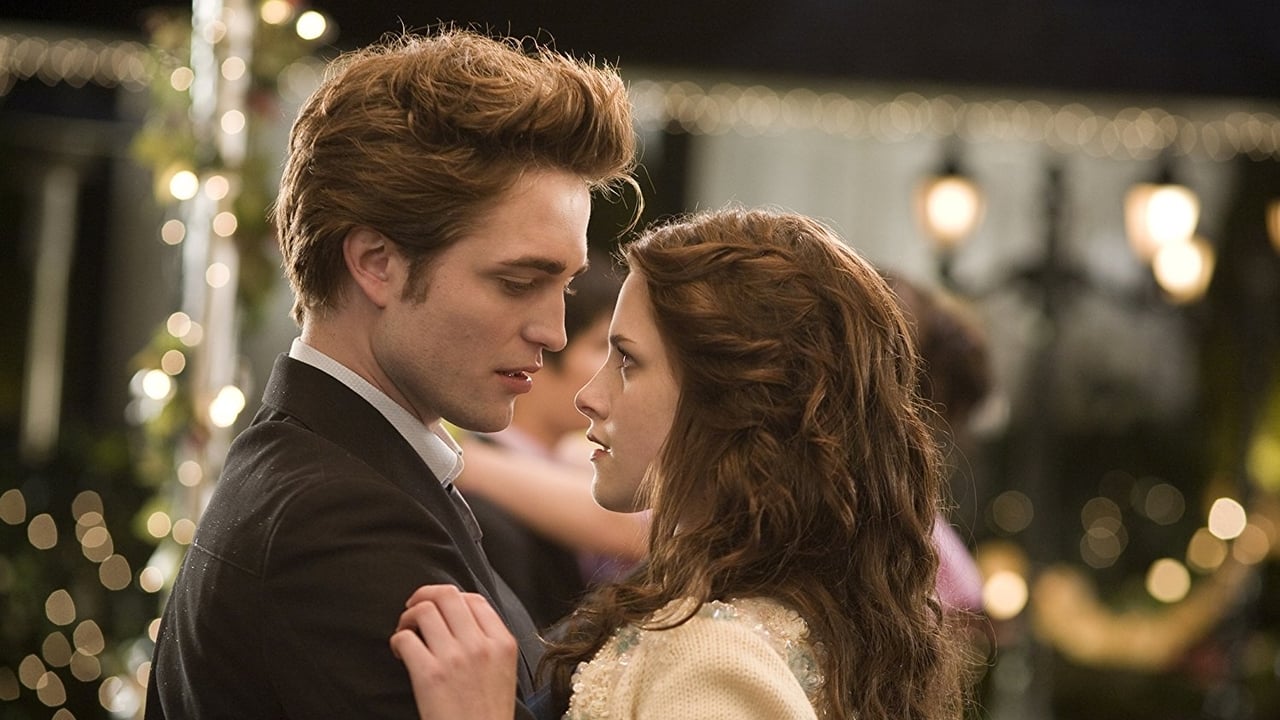
The core of the drama, of course, relies on the chemistry between Kristen Stewart and Robert Pattinson. At the time, critics were brutal about Stewart’s performance, calling it wooden or twitchy. I couldn't disagree more. Watching her now, I see a performance that perfectly encapsulates the "internalized teenage cringe" of a girl who doesn't fit in. She bites her lip, she avoids eye contact, and she seems genuinely overwhelmed by her own existence. It’s a brave bit of character work that feels far more real than the polished, "strong female lead" archetypes we often see now.
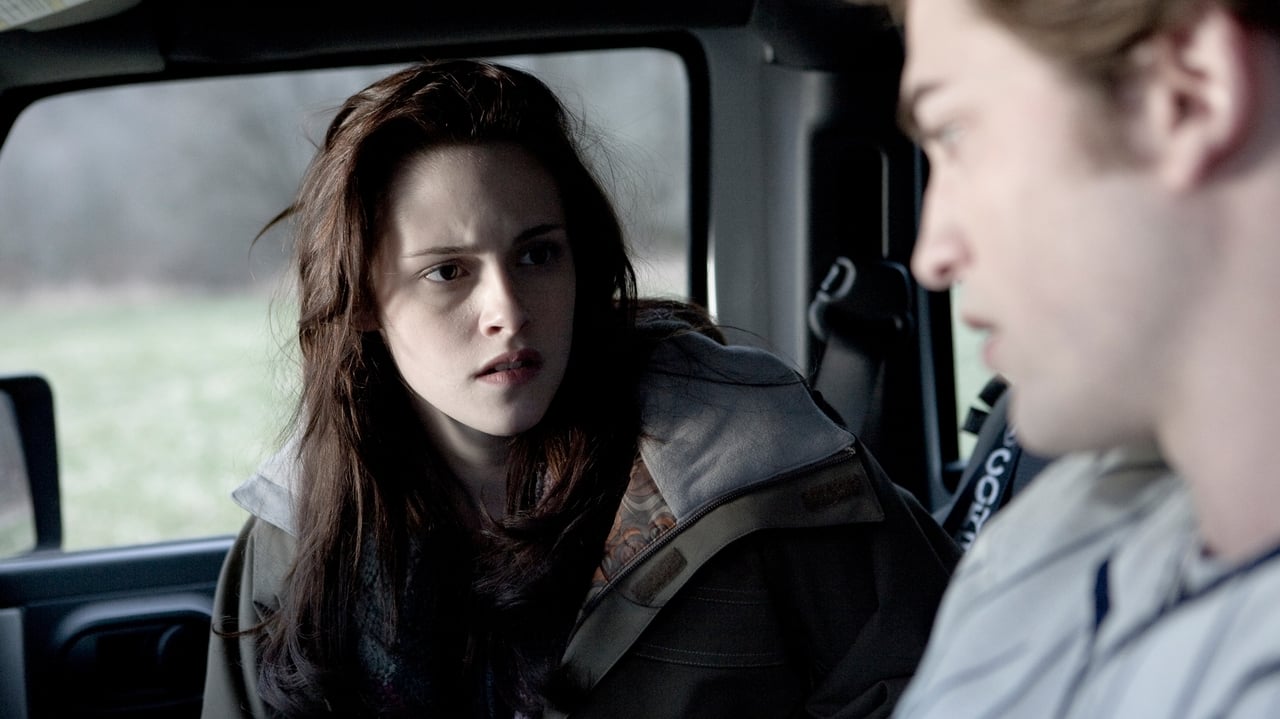
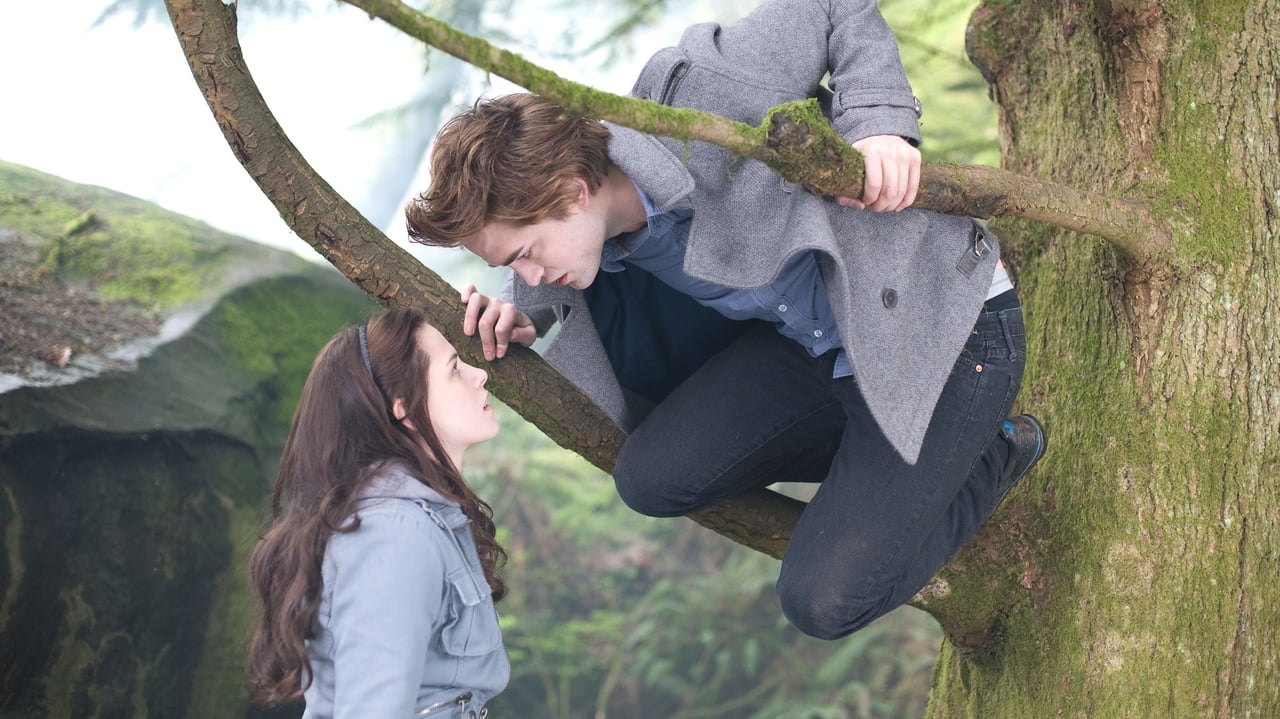
Then there’s Robert Pattinson. Long before he was The Batman or a darling of A24 indie hits like The Lighthouse, he was a guy who looked like he was constantly trying to remember if he left the stove on. His Edward is a twitchy, self-loathing weirdo. He’s not a suave gentleman; he’s a guy who hasn't had a social interaction in decades and is trying to keep himself from eating his lab partner. The way they play off each other is fascinatingly awkward. It isn't a "classic" romance; it’s a high-stakes obsession. When they finally have their big "reveal" in the woods, it’s shot with a frantic energy that feels more like a horror movie than a date.
The Sparkle and the Small Town
While the central romance gets all the oxygen, I have to give flowers to Billy Burke as Charlie Swan. He is the secret MVP of this entire series. His performance is a masterclass in "Dad who is trying his best but just wants to drink his Rainier beer in peace." His chemistry with Stewart feels like the most honest relationship in the film—two people who love each other but have absolutely no idea how to communicate.
On the production side, it’s fun to look at the "low-tech" feel of the effects. The vampires moving at super-speed occasionally looks like they’re being pulled on a very fast laundry line, and the "sparkle" effect—achieved by the team at Industrial Light & Magic—is actually quite subtle compared to the disco-ball intensity it would later acquire. For a film made on a relatively lean $37 million budget, it maximizes its resources by leaning into the practical beauty of Oregon (standing in for Washington).
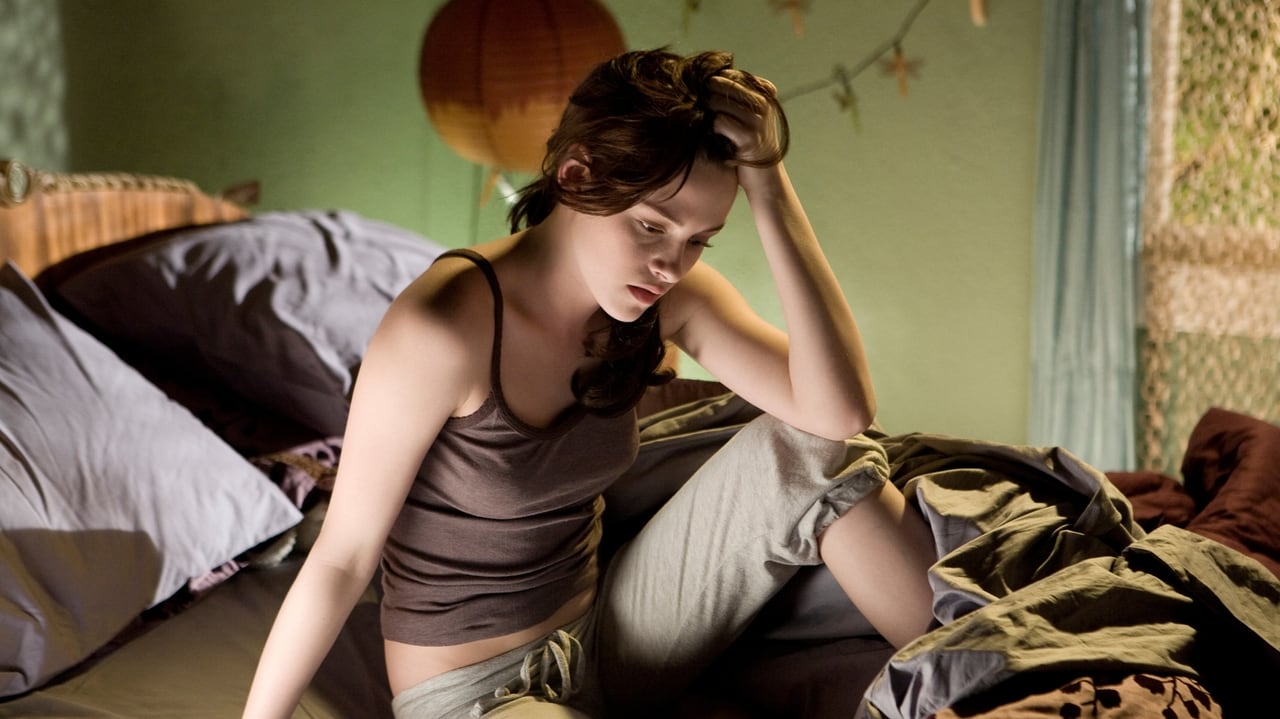
The financial impact of this film cannot be overstated. It was a massive cultural phenomenon that proved, once and for all, that the young female demographic was a box office powerhouse. It paved the way for the "franchise-ification" of every YA novel in existence, from The Hunger Games to Divergent. But while those later films often felt like they were checking boxes for a corporate board, the 2008 Twilight still feels like a singular, weird vision of forbidden love.
Ultimately, Twilight is better than you remember it being, even if it’s exactly as goofy as you fear. It captures a specific brand of teenage melodrama that feels earned because it doesn't try to be cool—it just tries to be felt. If you can look past the questionable vampire biology and the "spider monkey" dialogue, there’s a genuine, atmospheric drama here about the terrifying intensity of first love. It’s the cinematic equivalent of a rainy Tuesday afternoon: a little gloomy, a little damp, but strangely cozy if you’ve got the right sweater.
Keep Exploring...
-

The Twilight Saga: Breaking Dawn - Part 2
2012
-

The Twilight Saga: Eclipse
2010
-

The Twilight Saga: New Moon
2009
-
The Twilight Saga: Breaking Dawn - Part 1
2011
-

Red Riding Hood
2011
-

17 Again
2009
-
Step Up
2006
-
Ghost
1990
-
Forever Young
1992
-
Phenomenon
1996
-
Shallow Hal
2001
-
City of Angels
1998
-
Just My Luck
2006
-
Stranger Than Fiction
2006
-
The Illusionist
2006
-
Across the Universe
2007
-
Ghost Town
2008
-
The Time Traveler's Wife
2009
-
Beastly
2011
-

Ruby Sparks
2012