Untraceable
"The more you watch, the faster they die."
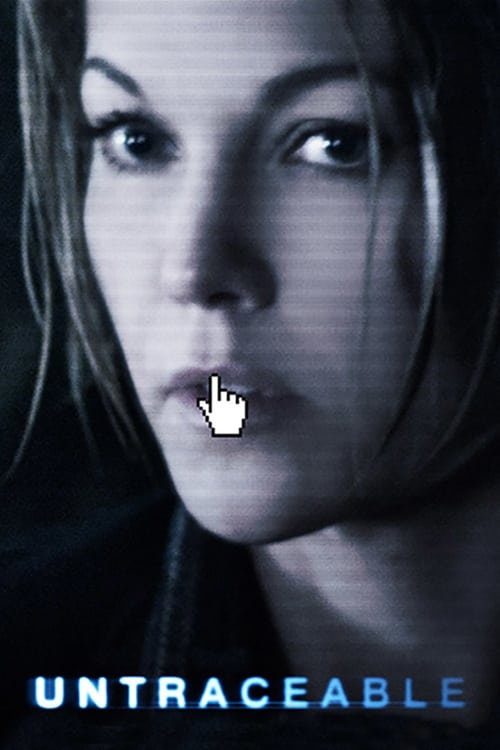
There was a brief, sweaty window in the mid-to-late 2000s where Hollywood was absolutely terrified of your modem. Before the internet became a place where we argued with bots about the price of eggs, it was depicted as a dark, lawless frontier where every hyperlink led to a digital charnel house. Released in the early weeks of 2008, Untraceable arrived at the height of this "cyber-panic" subgenre, trying to marry the gritty police procedural with the "torture porn" aesthetics of the Saw and Hostel era. It’s a film that feels like it was designed in a lab to make your parents never want to open a browser window again.
I watched this while a moth was repeatedly headbutting my lampshade, providing a strangely fitting, frantic percussive rhythm to the more tense sequences. Looking back at it now, Untraceable is a fascinating time capsule of a world transitioning from the bulky monitors of the late 90s into the sleek, high-speed surveillance state we inhabit today.
The Grime of the World Wide Web
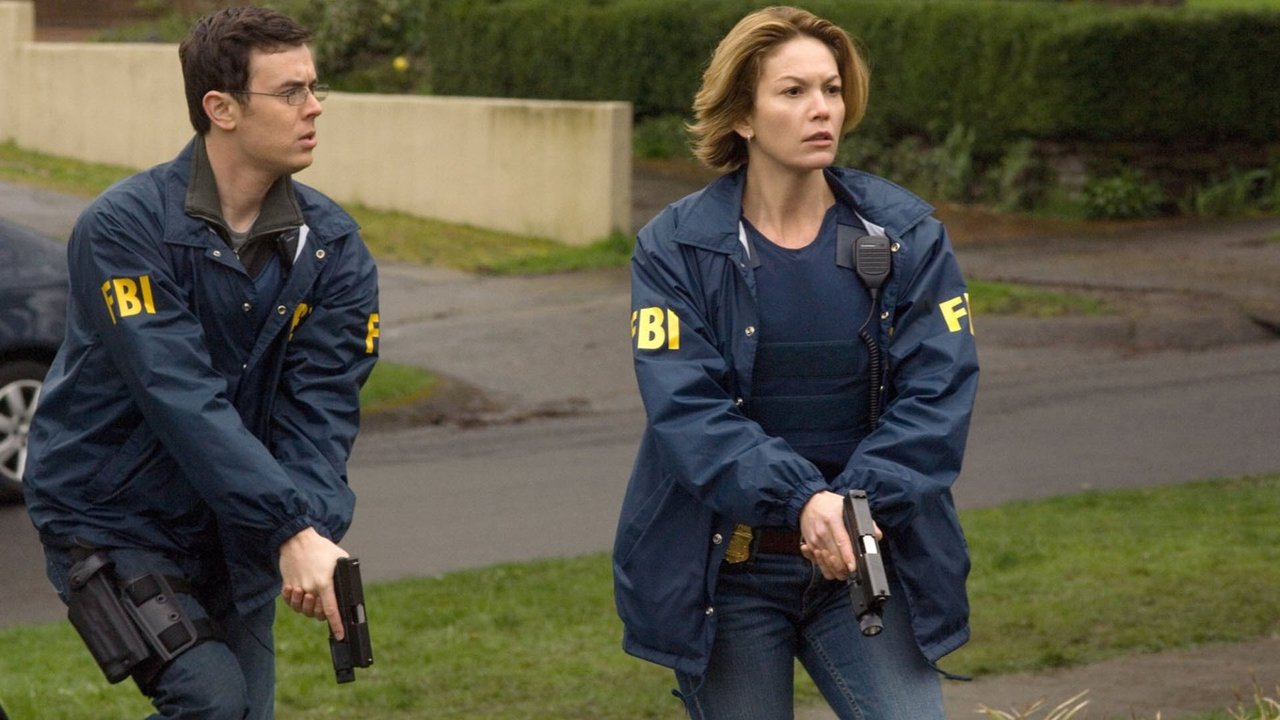
Directed by Gregory Hoblit, a filmmaker who practically mastered the slick, adult thriller in the 90s with films like Primal Fear (1996) and the underrated supernatural noir Fallen (1998), Untraceable trades his usual theological weight for something more cynical. The plot centers on FBI Agent Jennifer Marsh, played by the always-reliable Diane Lane, who works in the Portland field office’s cybercrime division. Marsh is a "single mom who does it all," spending her nights in a glowing basement hunting child predators and identity thieves.
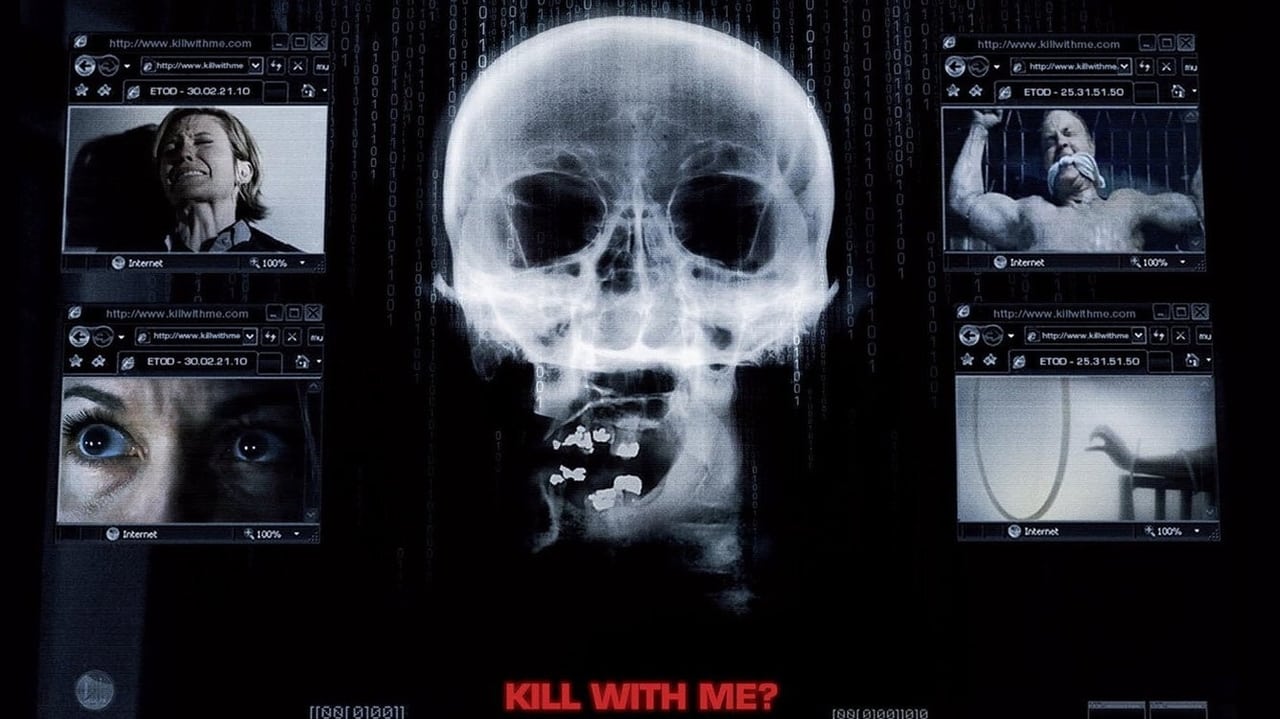
The movie kicks into gear when a site called "KillWithMe.com" surfaces. The premise is peak 2000s cynicism: a killer broadcasts live feeds of his victims in elaborate traps, and the execution is automated based on the site's traffic. The more hits the site gets, the faster the victim dies. It’s a clever, albeit incredibly heavy-handed, critique of voyeurism. The film essentially wags its finger at the audience for being the exact kind of people who would pay to see a movie about a killer who punishes people for watching. It’s a bit like being lectured on the evils of sugar by a guy holding a giant bag of Skittles.
Portland Rain and Digital Dread
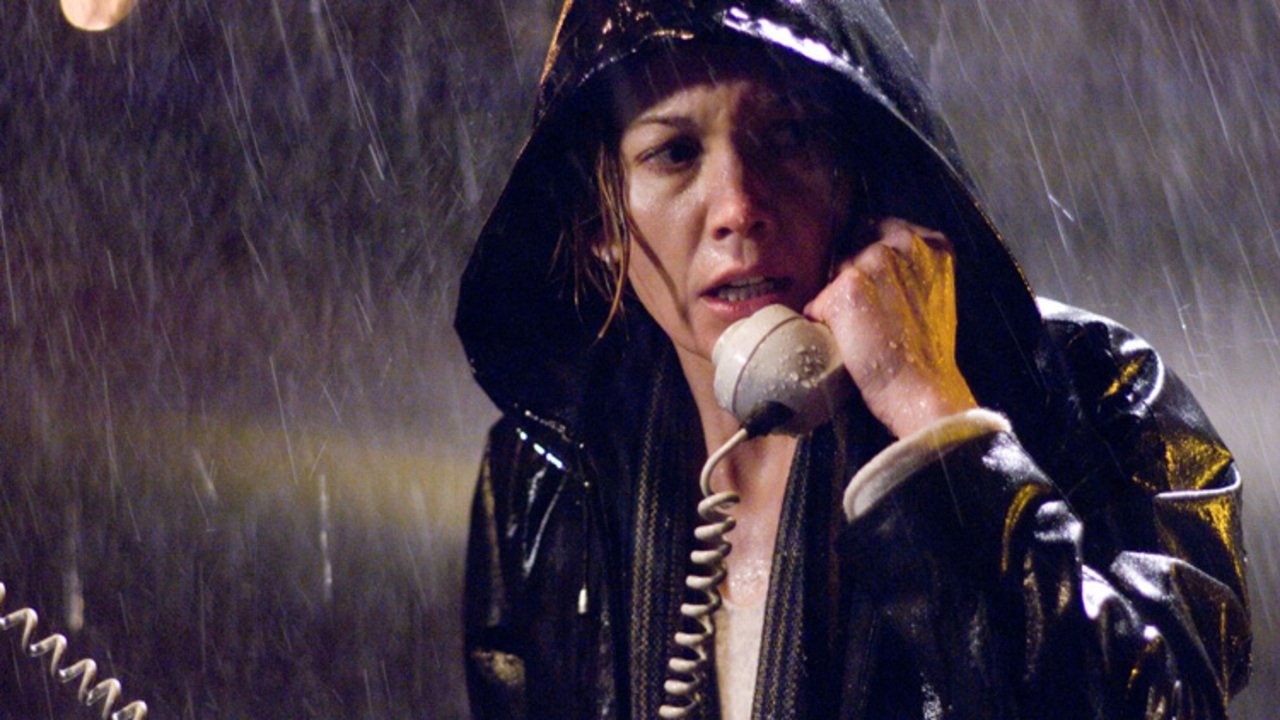
Diane Lane (Unfaithful) brings a grounded, weary humanity to a role that could have been a cardboard cutout. She makes the technical jargon sound plausible, even when the script asks her to do things like "enhance" a blurry reflection until it’s 4K quality. She’s joined by Billy Burke (Twilight), playing a detective who looks like he hasn’t slept since the Clinton administration, and Colin Hanks (Orange County), who provides the film’s emotional heart as Marsh’s tech-savvy partner, Griffin Dowd.
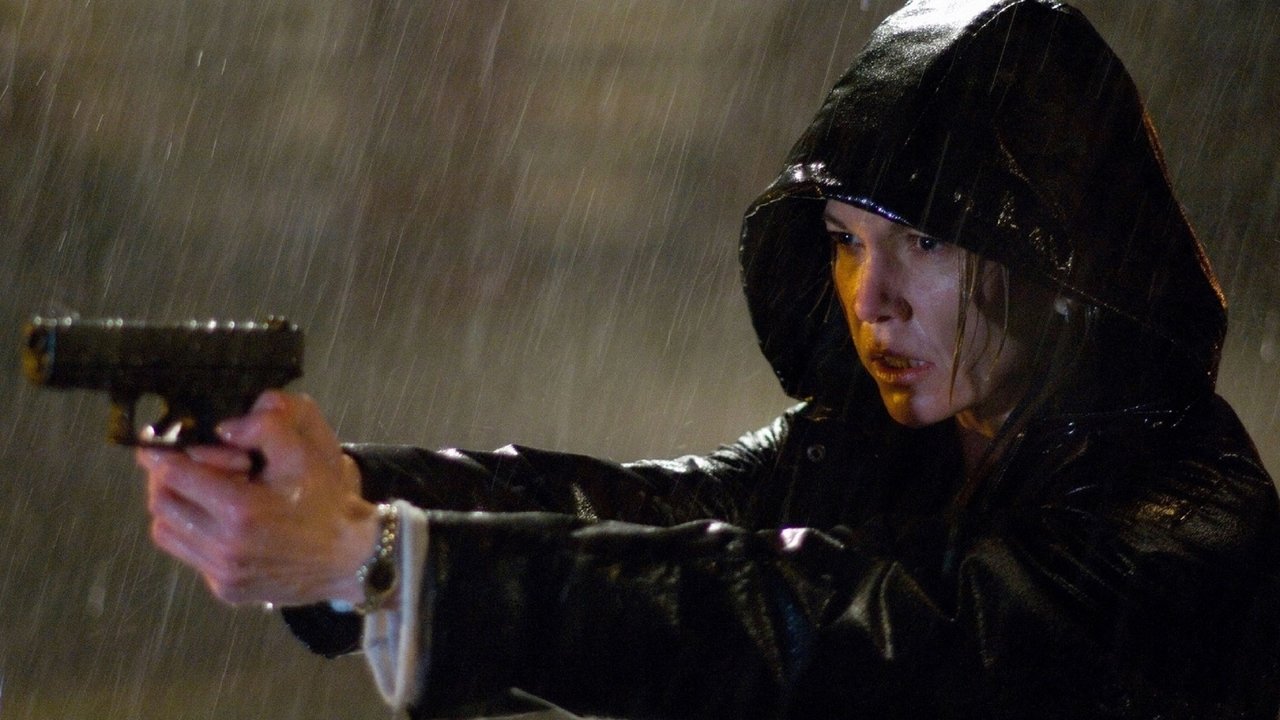
The atmosphere is where the movie truly excels. Portland is shot with a cold, damp palette that makes the interiors feel cramped and the exteriors feel hostile. The kill scenes, designed by the tech-obsessed antagonist Owen Reilly (Joseph Cross), are genuinely unpleasant. They lean into the era's fascination with mechanical cruelty—heat lamps, acid baths, and anticoagulants. The special effects team clearly spent more time on fake blood than the screenwriters spent on the "hacking" dialogue. It’s the kind of movie where "firewalls" are treated like physical barricades that can be "broken through" with enough aggressive typing.
A Relic of the Early Social Era
In retrospect, Untraceable is most interesting for what it gets right—and hilariously wrong—about the future. It correctly predicted the "gamification" of online cruelty and the speed at which viral content can outpace the law. However, the film's idea of the internet is still remarkably centralized. In the world of Untraceable, a single website can hold the entire nation’s attention, whereas today, we’re too fragmented across TikTok, Reddit, and various encrypted apps for a "Kill With Me" site to achieve that kind of singular cultural dominance.
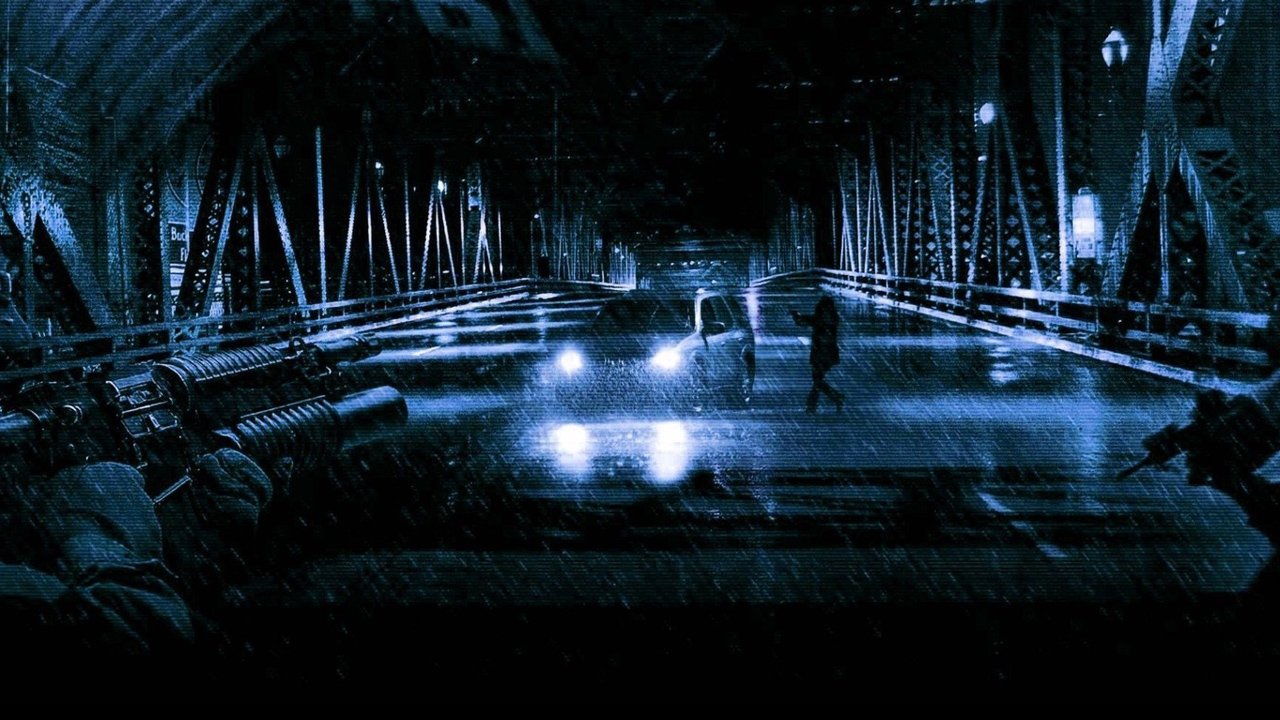
The film also suffers from the "Police Procedural Formula." For all its attempt to be an edgy commentary on the digital age, it still follows the beats of a 1990s thriller: the killer's personal vendetta, the predictable "danger at home" sequence, and the showdown that abandons the clever tech-logic for a standard physical brawl. The villain's lair looks like it was furnished during a 'Buy One, Get One Free' sale at an industrial scrapyard. It’s a bit of a letdown that a killer so obsessed with digital anonymity ends up being just another guy in a hoodie with a grudge.
Ultimately, Untraceable is a mid-tier thriller that is elevated by Diane Lane’s performance and Gregory Hoblit’s steady hand behind the camera. It’s too mean-spirited to be "fun," but too formulaic to be a true genre-bending masterpiece. It captures a specific moment in the mid-2000s when we were just beginning to realize that the "Information Superhighway" was also a two-way street that let the monsters right into our living rooms. If you’re looking for a rainy-day thriller that reminds you why you should probably update your passwords, it’s worth a look, but don't expect it to haunt your browser history for long.
Keep Exploring...
-
Fallen
1998
-
The Last House on the Left
2009
-
Basic
2003
-

Revolver
2005
-

Pride and Glory
2008
-
Edge of Darkness
2010
-
The Exorcism of Emily Rose
2005
-
The Client
1994
-
Kiss the Girls
1997
-

The Gift
2000
-
Kill the Messenger
2014
-

Red Riding Hood
2011
-
What Lies Beneath
2000
-
The Skeleton Key
2005
-
Inland Empire
2006
-
In the Valley of Elah
2007
-
Primal Fear
1996
-
The Score
2001
-
After.Life
2009
-

Trance
2013