Vicky Cristina Barcelona
"Art, wine, and the ex-wife from hell."
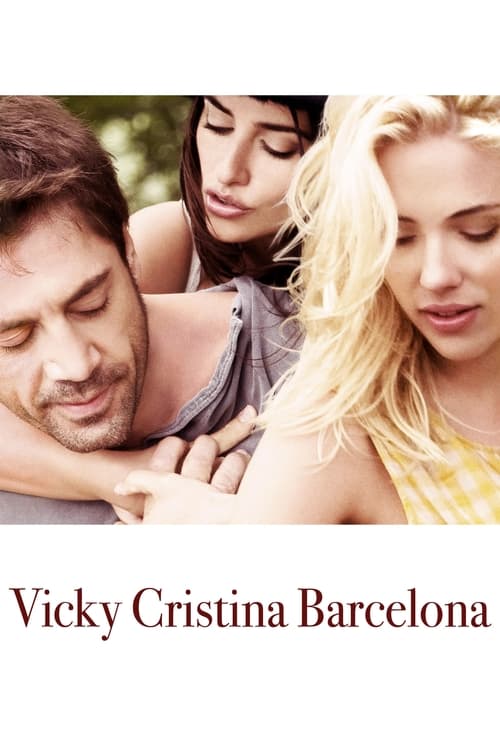
There is a specific kind of golden-hour heat that only seems to exist in movies where wealthy Americans travel to Europe to have a mid-life crisis in their twenties. It’s a hazy, over-saturated glow that makes everything look like a postcard dipped in expensive sherry. When I first sat down to watch Vicky Cristina Barcelona, I was wearing a pair of wool socks with a hole in the big toe—a decidedly un-glamorous reality that contrasted sharply with the effortless linen-shirt aesthetic on screen. But that’s the magic of this particular era of Woody Allen’s career: he stopped obsessing over the gray sidewalks of Manhattan and started treating the rest of the world like a lush, romantic playground.
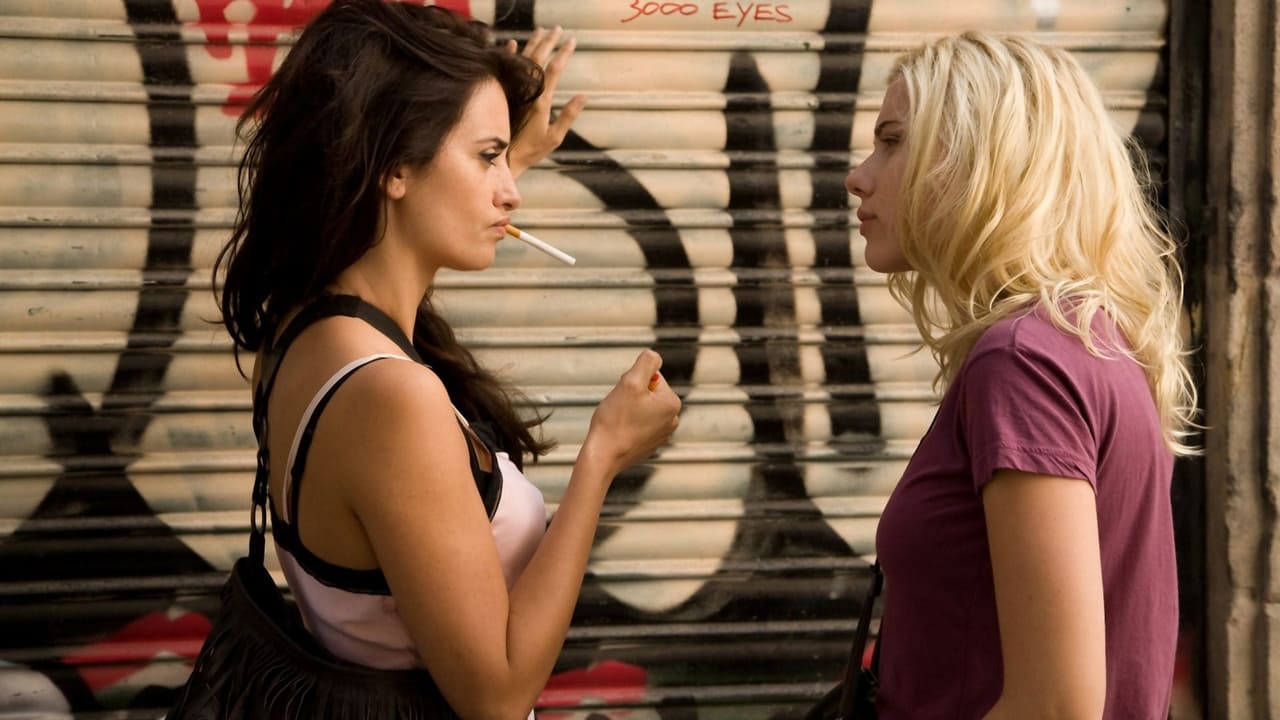
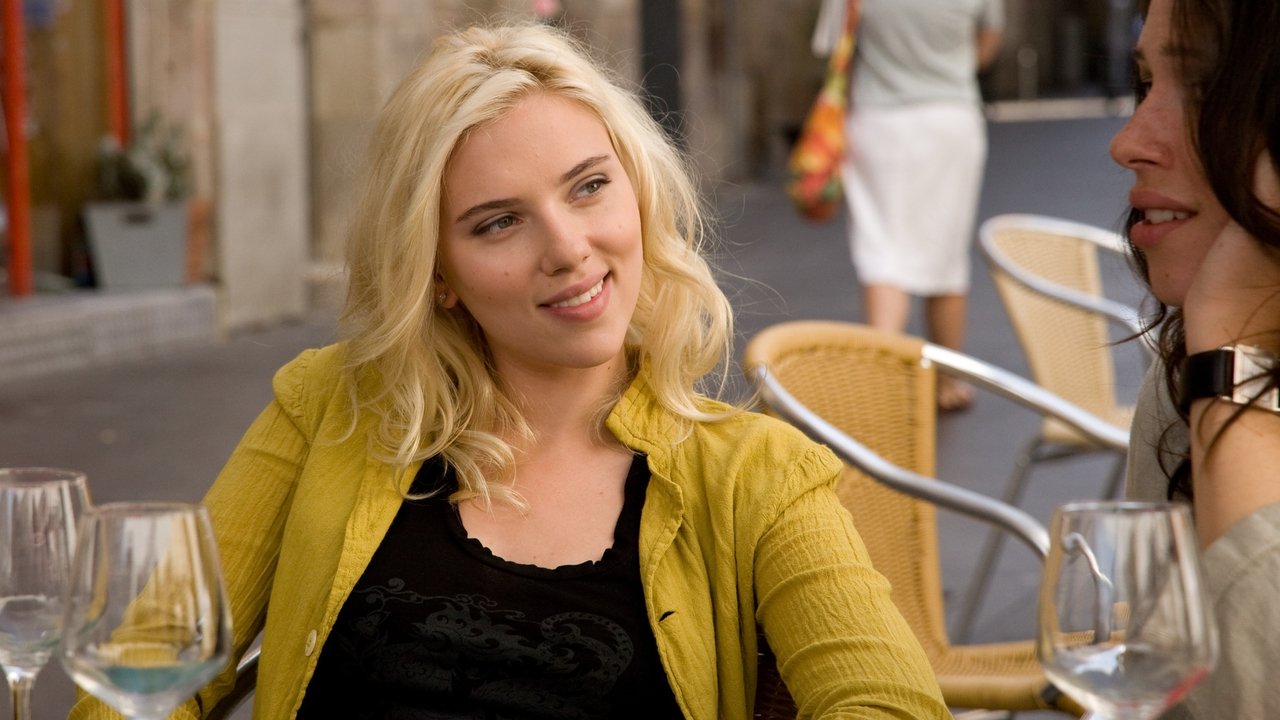
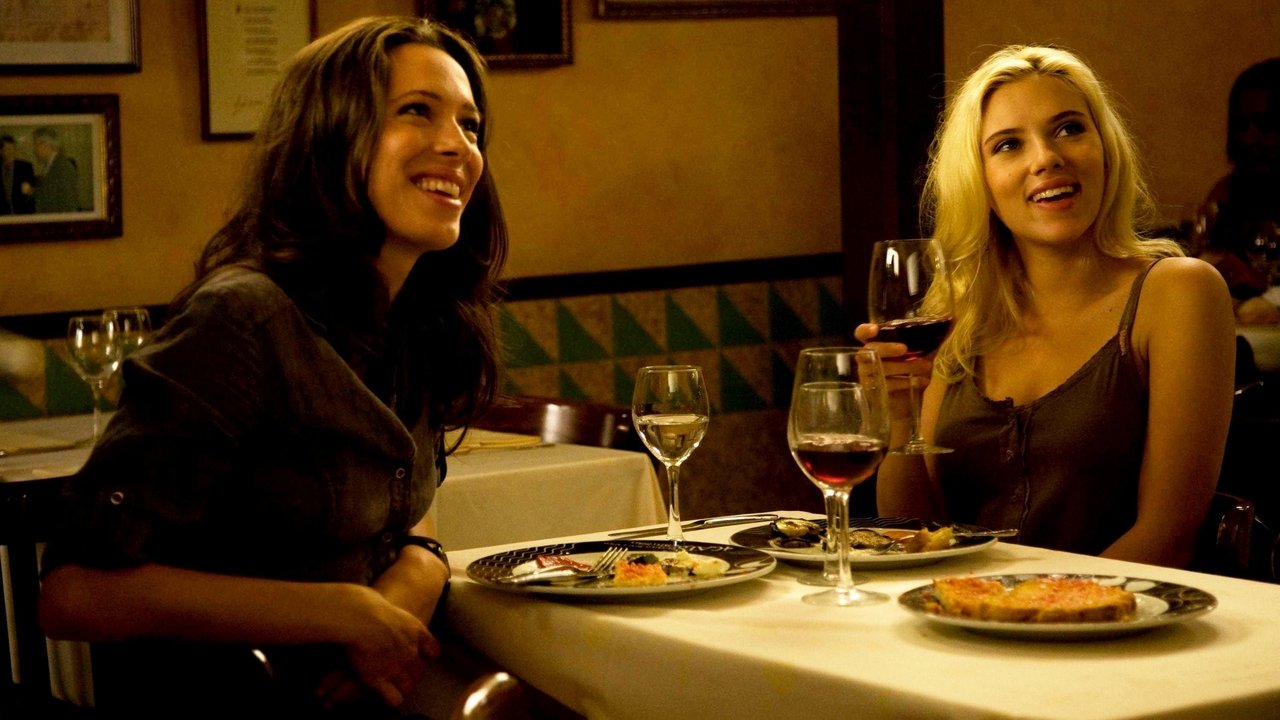
This 2008 gem arrived right as the "indie" label was becoming a solidified brand, and DVD collections were still the primary way we showed off our personalities. It’s a film about the clash between the life we plan and the life we actually want, framed through two best friends: the sensible, engaged Vicky (Rebecca Hall) and the "relentlessly searching" Cristina (Scarlett Johansson). When they meet a smoldering painter named Juan Antonio (Javier Bardem) at an art gallery, he invites them to Oviedo for a weekend of eating, sight-seeing, and, hopefully, lovemaking. It’s the kind of proposition that would get you blocked on a dating app today, but in the sun-drenched vacuum of Catalonia, it feels like an invitation to destiny.
A Postcard Dripping with Red Wine
What struck me upon this re-watch is how much the film relies on the sheer, kinetic chemistry of its cast to elevate what could have been a standard rom-com setup. Rebecca Hall is actually the secret weapon here. While Scarlett Johansson plays the muse role with her usual smoky-voiced ease, Hall captures the slow-motion car crash of a "sensible" woman realizing her life is a bore. Her performance is all in the eyes—the way she looks at Javier Bardem while he's playing Spanish guitar is a masterclass in suppressed longing.
Then, about halfway through, Penélope Cruz enters the frame as María Elena, Juan Antonio's suicidal, genius, and volcanic ex-wife, and she proceeds to blow the doors off the entire movie. Penélope Cruz behaves like a beautiful, sentient hurricane. She is the reason this film transitioned from a hit to a cult favorite. Fans don't quote Vicky’s neuroticism; they quote María Elena screaming in a mix of Spanish and English about "chronic dissatisfaction." Apparently, Woody Allen (who directed Match Point and Annie Hall) didn't actually speak Spanish, so when Cruz and Bardem were filming their explosive arguments, they were often improvising lines he couldn't understand. He just let them go, trusting that the raw emotion would translate. It did.
The Narrator in the Room
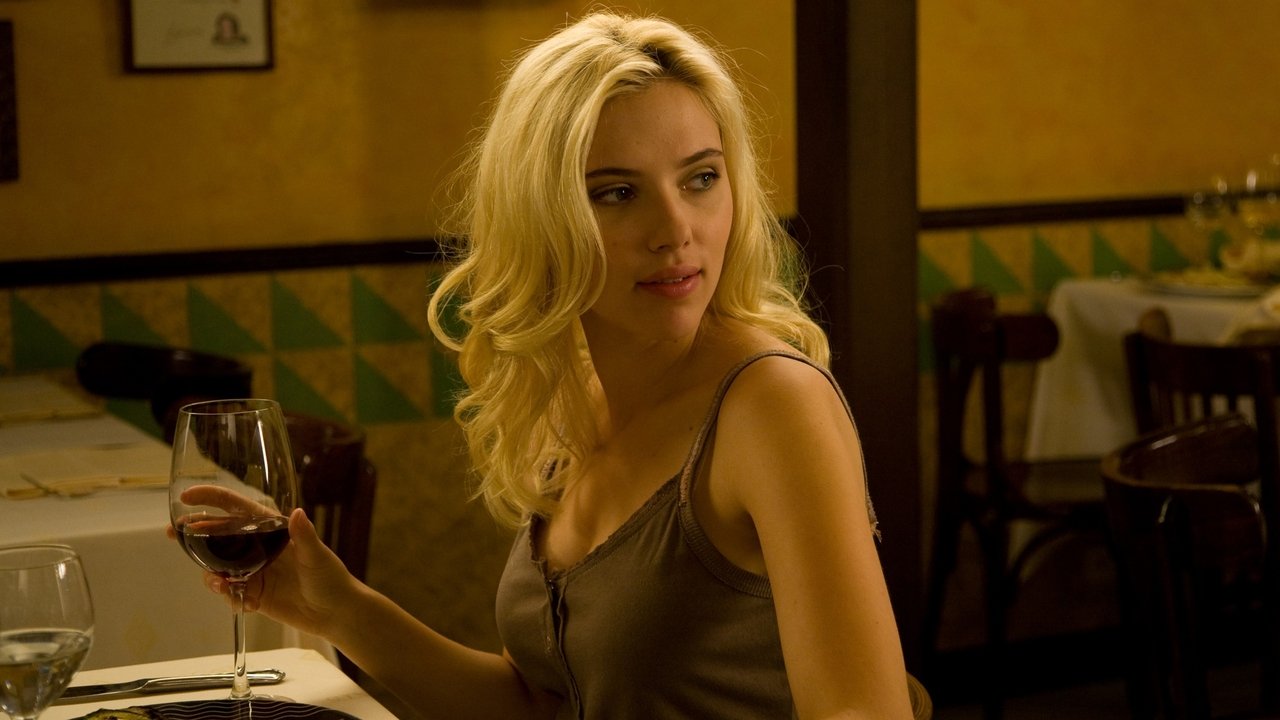
One of the more "love it or hate it" elements of the film is the omnipresent narration by Christopher Evan Welch. To some, it feels like a literary flourish; to me, the narration sounds like a bored history professor reading a mid-range Yelp review. It’s a very 2000s stylistic choice—a way to distance the audience from the melodrama so we can observe these people like specimens in a jar. Looking back, it adds to the "Modern Cinema" feel of the late 2000s, where directors were experimenting with ways to make digital storytelling feel more "novelistic."
The film was actually partially subsidized by the Spanish government to promote tourism, which explains why every frame looks like a travel brochure. But the "cult" status of the movie comes from its messy, non-traditional take on relationships. This isn't a movie about "finding the one." It’s a movie about the realization that some people are only meant to be "the one" for a single, chaotic summer. It’s an honest drama disguised as a light romance, and that’s why it has aged so much better than many of its contemporaries.
Stuff You Didn't Notice
The behind-the-scenes reality of the film is almost as romantic as the plot itself. While Javier Bardem and Penélope Cruz had worked together years prior in Jamón Jamón, it was this set where they truly reconnected, eventually leading to their real-life marriage. There’s a scene where they’re in a darkroom developing photos, and the tension is so thick you could carve it with a palette knife. Knowing they were falling in love for real makes those scenes feel like you're intruding on something private.
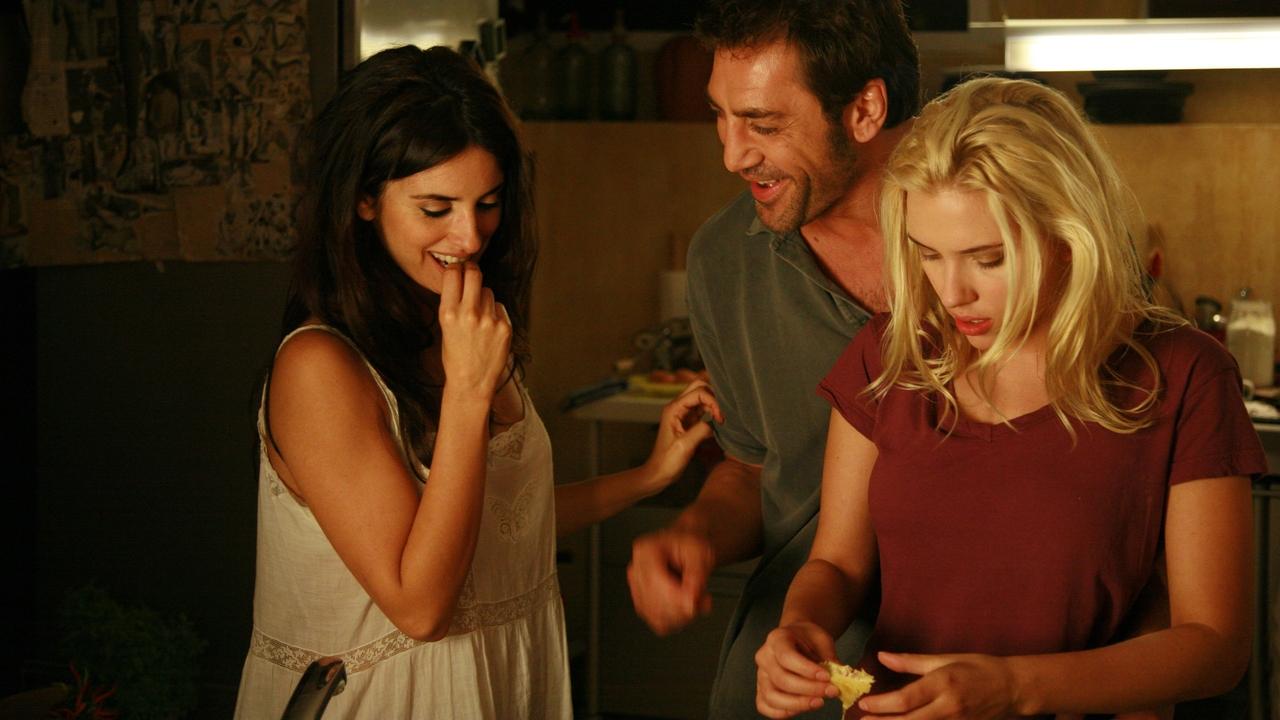
Other fun details include the fact that the film was a massive financial success, turning a $15 million budget into nearly $100 million. It’s rare for a talky, subtitled-heavy drama to do that kind of business today. Also, keep an eye out for Chris Messina, who plays Vicky’s fiancé, Doug. He plays the "boring American guy" so well that you almost feel bad for him, even if you’re rooting for Vicky to throw her wedding ring into the Mediterranean.
Ultimately, Vicky Cristina Barcelona works because it doesn't try to solve the puzzles it presents. It’s content to let its characters be flawed, impulsive, and occasionally miserable in the most beautiful settings imaginable. It’s a snapshot of a specific era of filmmaking before the MCU-style formula took over, reminding me of a time when the biggest "special effect" in a movie was a perfectly timed argument over a glass of Rioja. If you haven't seen it in a while, it's time to go back—just maybe leave the holey socks at the door.
Keep Exploring...
-

Match Point
2005
-
Magic in the Moonlight
2014
-
You Will Meet a Tall Dark Stranger
2010
-
Whatever Works
2009
-
Blue Jasmine
2013
-
To Rome with Love
2012
-
Manhattan
1979
-
Midnight in Paris
2011
-
Café Society
2016
-
One Day
2011
-
Deconstructing Harry
1997
-
Scoop
2006
-
The Nanny Diaries
2007
-
Stranger Than Fiction
2006
-
The Fountain
2006
-
The Illusionist
2006
-
The Lake House
2006
-
High School Musical 2
2007
-
Revolutionary Road
2008
-

The Other Boleyn Girl
2008