WALL·E
"A lonely trash-compactor discovers that love is the only thing worth saving from the wreckage."
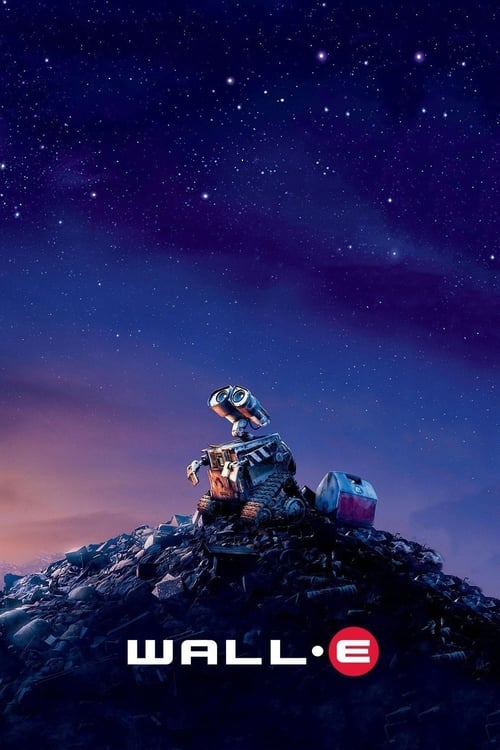
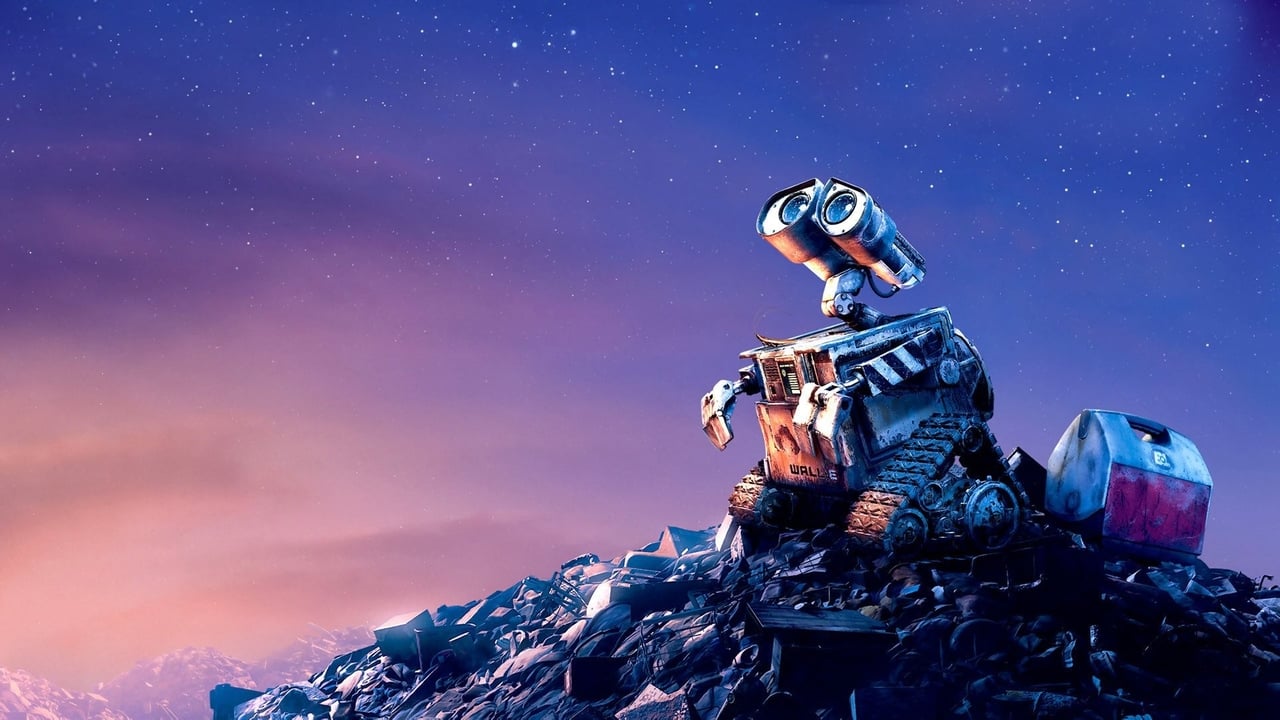
There is a specific, haunting quality to the way the sun sets over a mountain of garbage. It’s a rusty, golden hue that feels both apocalyptic and strangely peaceful. The first time I sat down to watch WALL·E, I was actually in the middle of a losing battle with a very stubborn IKEA bookshelf. My floor was a minefield of wooden dowels and Allen wrenches, and seeing this little cube-shaped robot methodically organize the chaos of a dead planet made my own DIY disaster feel slightly more manageable. I stopped tightening screws and just let the silence of the first act wash over me.
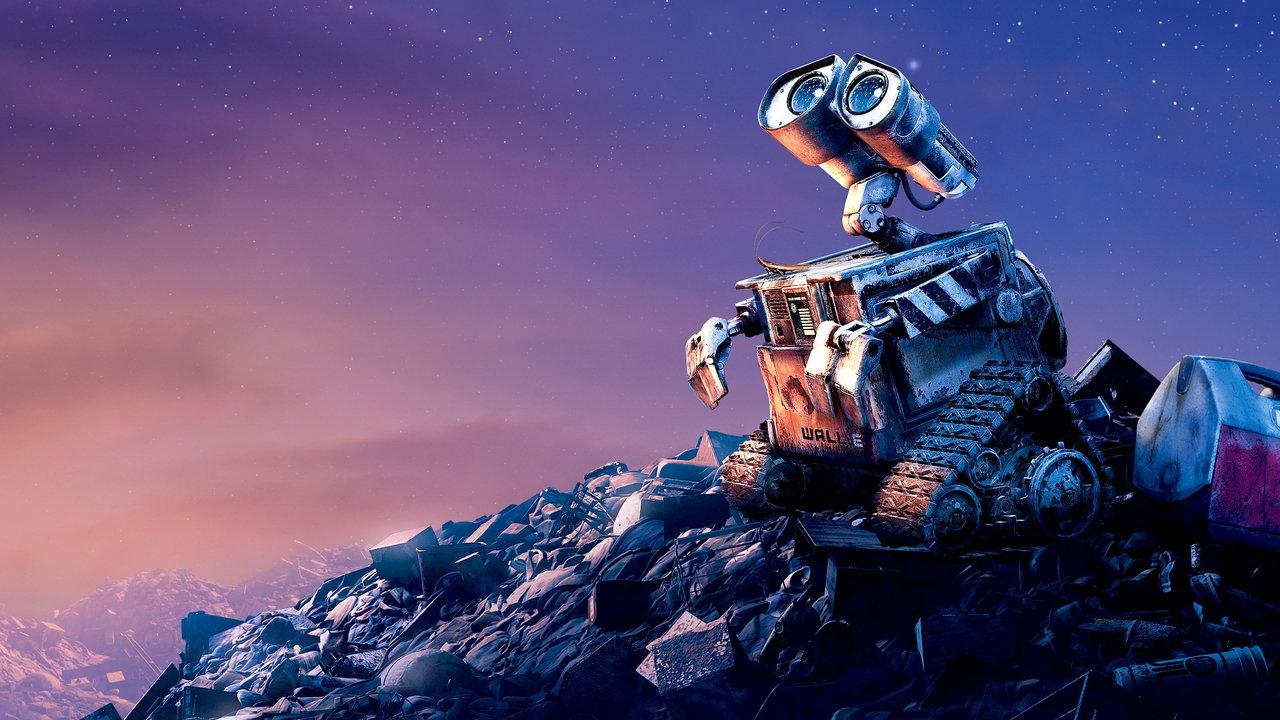
Andrew Stanton—the man who previously took us into the deep blue with Finding Nemo—pulled off a heist here. He convinced a major studio to spend $180 million on what is essentially a silent film for the first 40 minutes. It’s a daring, beautiful, and profoundly lonely opening that relies entirely on visual storytelling and the genius of Ben Burtt’s sound design.
A Masterclass in Metallic Silence
We often talk about the "CGI Revolution" in terms of how many scales we can see on a dragon or how many particles are in an explosion. But WALL·E used that burgeoning tech to do something much more sophisticated: it simulated the physics of light through a real camera lens. Andrew Stanton actually brought in legendary cinematographer Roger Deakins (The Shawshank Redemption, Fargo) as a consultant to teach the animators how to make a digital frame feel like it was being shot on 70mm film.
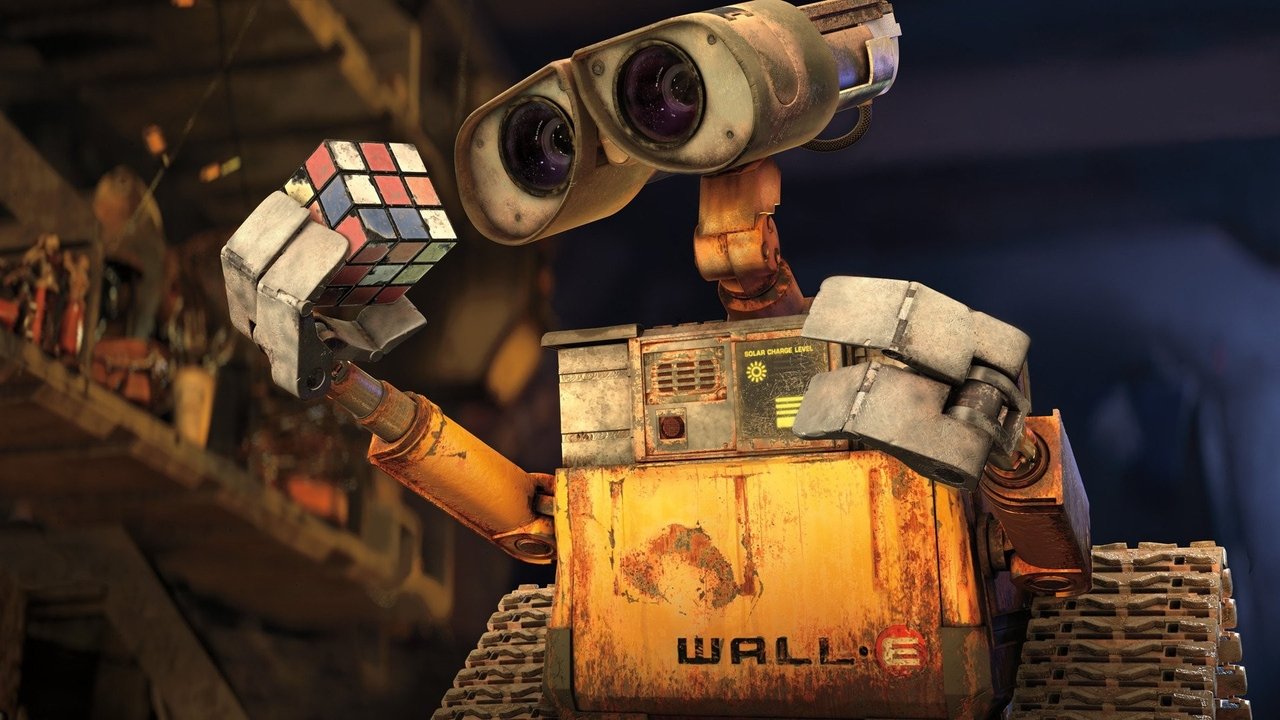
Looking back, you can see the results in every frame. There’s a "grit" here that Pixar hadn't quite touched before. The way the light glints off WALL·E’s weathered, binocular eyes—which Stanton allegedly dreamed up after fiddling with a pair of binoculars at a baseball game—gives him more soul than most live-action leads. Speaking of those eyes, the internal logic of the design is incredible. He’s a Waste Allocation Load Lifter: Earth-Class, built for utility, yet he’s developed a personality through centuries of solitude and a steady diet of Hello, Dolly! on VHS.
The soundscape is where the movie truly lives. Ben Burtt, the same wizard who gave us the hum of a lightsaber and the heavy breathing of Darth Vader, recorded over 2,500 distinct sounds for this film. That’s more than he did for the original Star Wars! I love the fact that the tiny chirps of WALL·E’s cockroach sidekick are actually sped-up recordings of raccoons. It’s those tactile, weird details that make the world feel lived-in rather than just rendered.
The Axiom and Our Sentient Marshmallow Future
When the story shifts from the dust-choked Earth to the pristine, neon-lit corridors of the Axiom, the film takes a sharp turn into social satire. This is where the "Modern Cinema" context really bites. Released in 2008, right as the iPhone was beginning to reshape our social interactions, the depiction of humans as hovering, screen-obsessed blobs felt like a warning shot. The humans on the Axiom aren't villains; they’re just sentient marshmallows who have outsourced their humanity to a giant, floating Golden Corral.
The corporate overreach of Buy n Large (BnL) is a perfect reflection of that mid-2000s anxiety about mega-conglomerates. Fred Willard pops up in live-action video segments as the BnL CEO, marking the first time Pixar ever integrated real human footage into their animated world. It’s a jarring choice that shouldn’t work, but it highlights the disconnect between the "real" world that was lost and the plastic, sanitized existence the humans now lead.
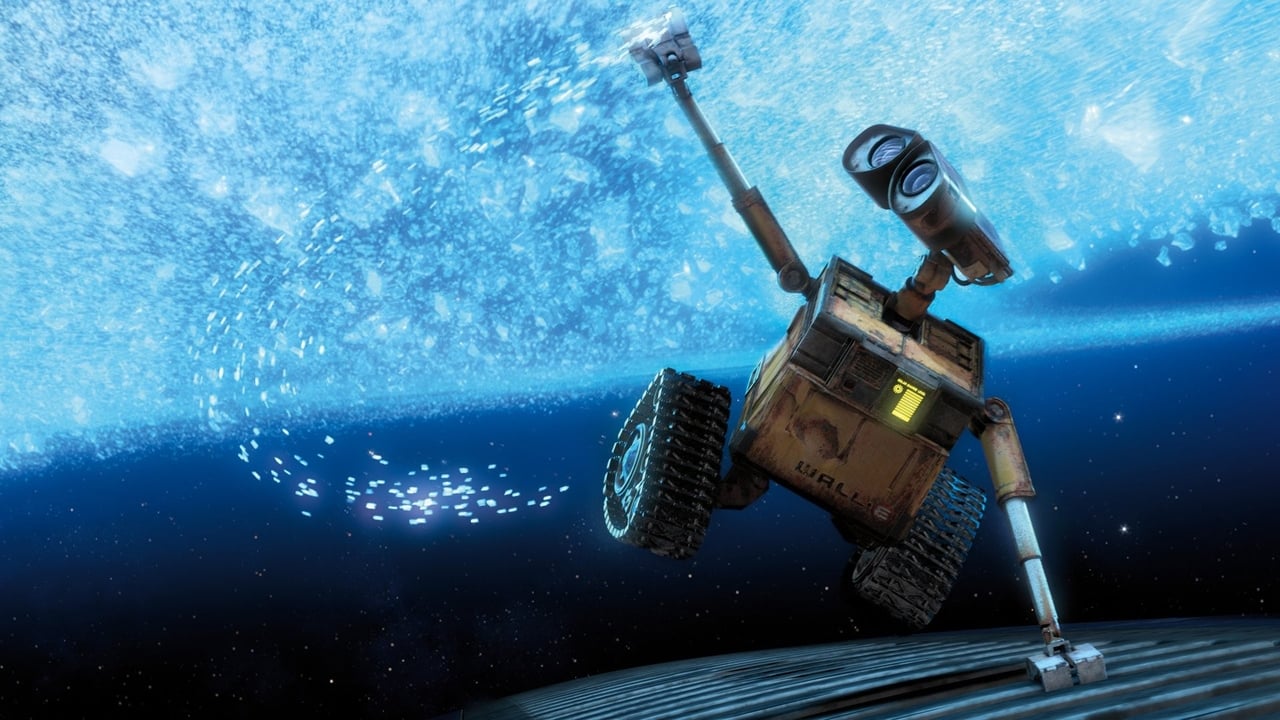
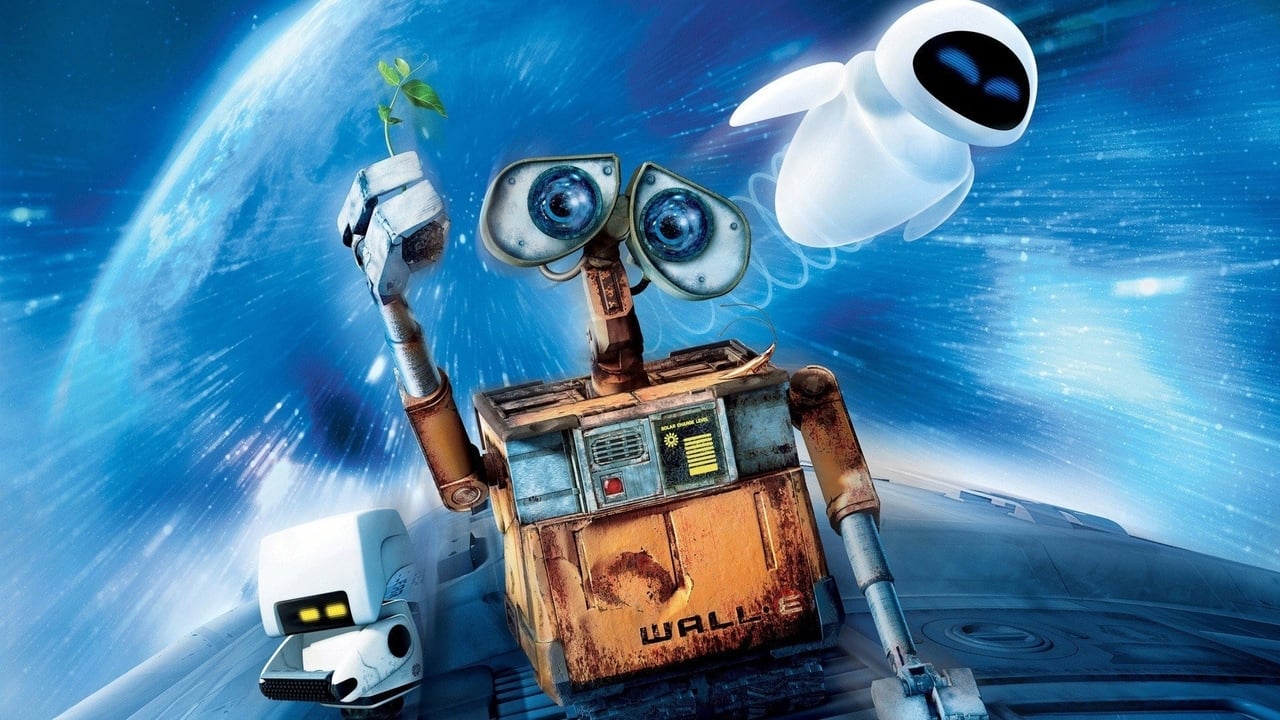
Then there’s EVE (Elissa Knight). Her design is the ultimate "Apple-era" aesthetic—sleek, white, and seemingly seamless. The chemistry between a rusty tractor and a flying iPod shouldn't be the most romantic thing in cinema, but their "dance" in space, propelled by a fire extinguisher, is a genuine tear-jerker. It’s a reminder that even in a franchise-heavy era, original ideas could still command the biggest screens in the world.
Stuff You Didn't Notice
If you’re a fan of Easter eggs, WALL·E is basically a treasure map. The steering wheel robot, Auto, is a clear, menacing nod to HAL 9000 from 2001: A Space Odyssey, even sharing the same glowing red "eye." But my favorite bit of trivia is more grounded: the wind sounds you hear on the desolate Earth were actually recorded by Ben Burtt using a long slinky dragged across a carpet.
Also, look closely at WALL·E’s treasures in his storage unit. You’ll spot a Rex toy from Toy Story and several other Pixar nods, but the most telling detail is the way he treats the jewelry box. He throws away the diamond ring and keeps the box. It’s a simple, perfect character beat that explains his entire worldview—he values the structure and the utility over the "value" assigned by a society that eventually trashed itself.
The film did remarkably well at the box office, but it feels like a cult classic in the way fans obsess over its world-building. There are entire forums dedicated to the timeline of how Earth fell, or the specific mechanics of the robots. It’s a movie that rewards the "DVD culture" it was born into, inviting you to pause, zoom in, and appreciate the rust.
WALL·E remains a high-water mark for what animation can achieve when it trusts its audience to sit in the silence. It’s a film that manages to be a cautionary environmental tale, a space-faring adventure, and a heartbreaking romance all at once. Whether you're watching it for the technical brilliance or just to see a robot fall in love with a plant, it’s a journey that never loses its luster. I finally finished that IKEA shelf, by the way, but I’m convinced a Waste Allocation Load Lifter would have done a much cleaner job.
---
Keep Exploring...
-

Finding Nemo
2003
-
Treasure Planet
2002
-
John Carter
2012
-
Despicable Me
2010
-
Meet the Robinsons
2007
-
Monsters vs Aliens
2009
-
Megamind
2010
-
The Princess and the Frog
2009
-
Tangled
2010
-
Rise of the Guardians
2012
-
Wreck-It Ralph
2012
-
The Iron Giant
1999
-

Toy Story 2
1999
-

The Emperor's New Groove
2000
-
Monsters, Inc.
2001
-
Atlantis: The Lost Empire
2001
-
Fantastic Mr. Fox
2009
-
Mr. Peabody & Sherman
2014
-
Toy Story
1995
-

Up
2009