Waltz with Bashir
"Your mind can hide the truth, but your soul remembers."
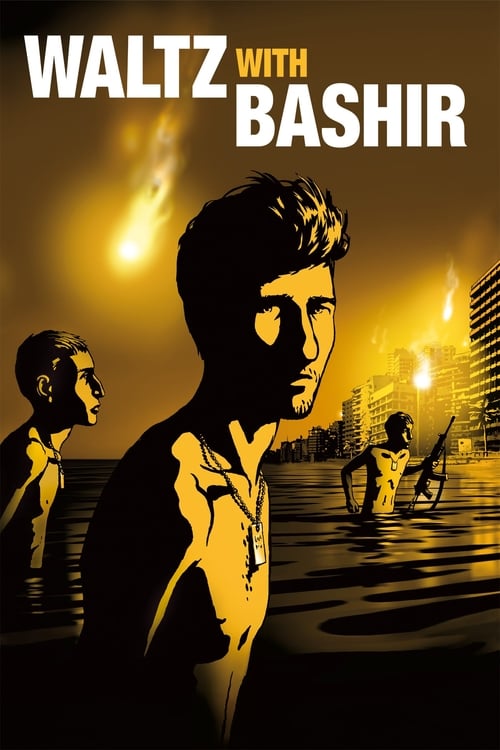
Twenty-six dogs are sprinting through the streets of Tel Aviv, their eyes glowing like embers and their teeth bared in a snarl that feels more like a haunting than a hunt. They aren't real, of course—they are the manifestations of a nightmare belonging to a friend of director Ari Folman. But in the opening moments of Waltz with Bashir, the line between what is "real" and what is "remembered" evaporates instantly. I watched this film for the third time last week while struggling with a slightly stale bagel that was definitely too toasted, and even the aggressive crunch of my breakfast couldn't distract me from the sheer, heavy magnetism of this movie’s opening frame.
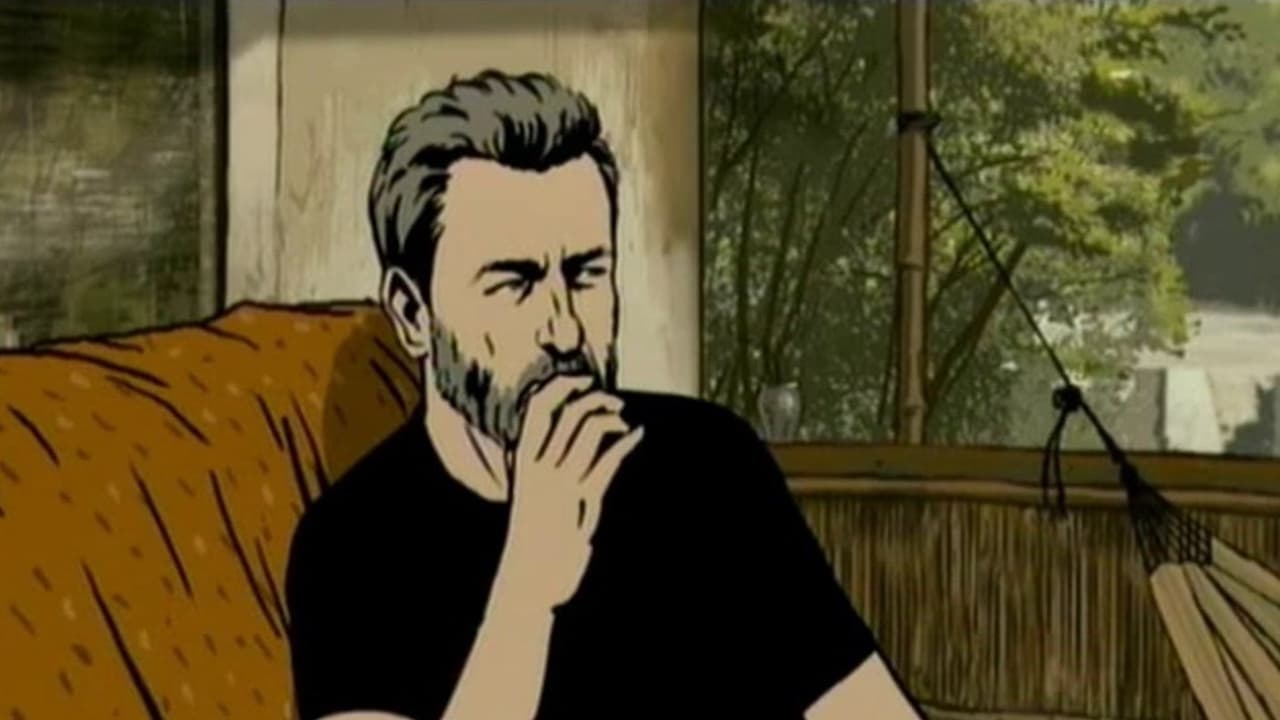
Released in 2008, a year when the movie world was busy obsessing over the birth of the MCU with Iron Man, Ari Folman was doing something radically different. He was using the medium of animation to perform a sort of cinematic psychoanalysis on himself. The film follows Folman, playing himself, as he realizes he has absolutely no memory of his time as a young soldier during the 1982 Lebanon War. To fill the void, he interviews old comrades like Ronny Dayag and Yehezkel Lazarov, trying to reconstruct a past that his brain has intentionally deleted.
The Architecture of a Nightmare
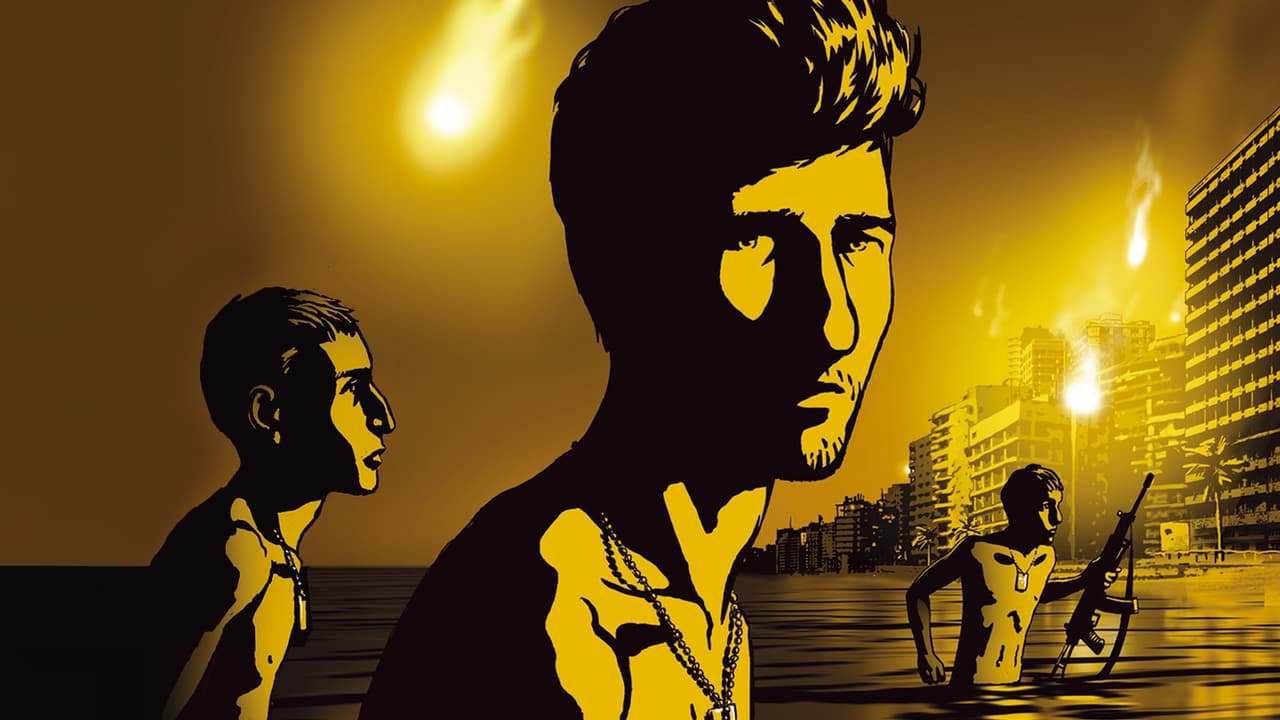
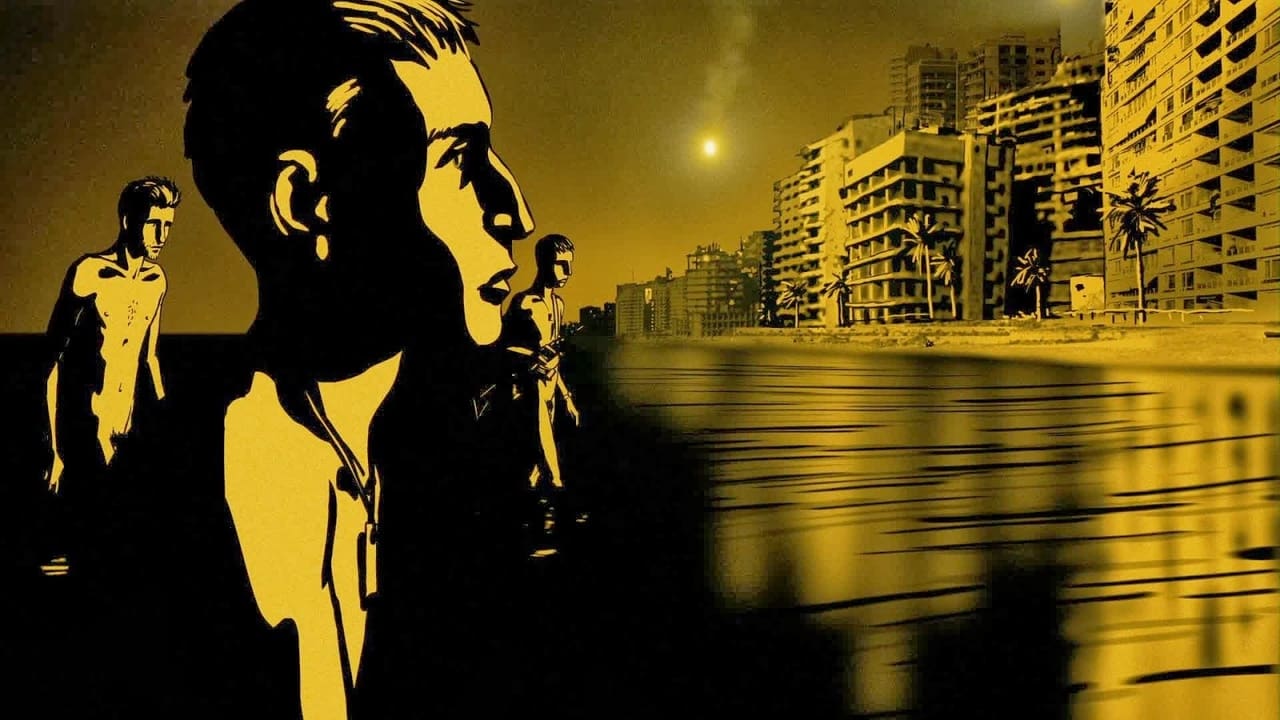
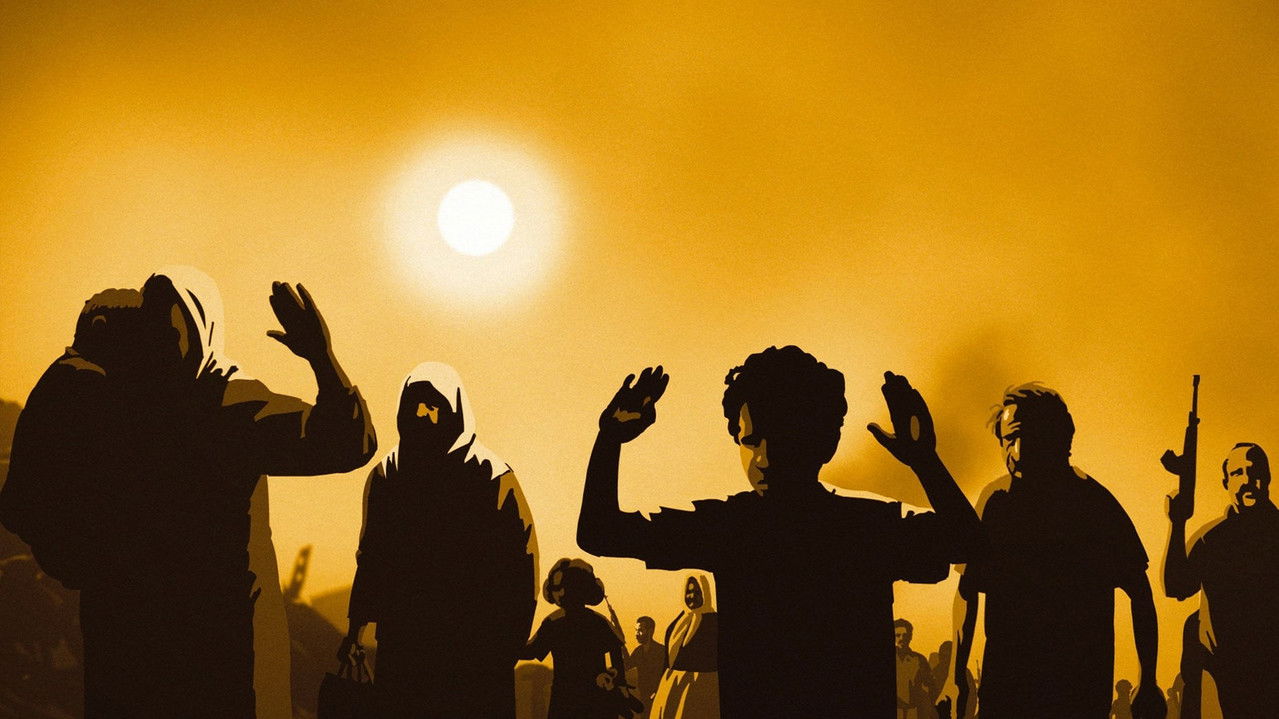
There’s a specific look to Waltz with Bashir that hasn't aged a day since 2008. It’s not the smooth, hyper-real CGI we’ve become accustomed to in the modern era, nor is it the traditional rotoscoping of something like Richard Linklater’s A Scanner Darkly (2006). Instead, it’s a unique, jittery blend of classic drawing, Flash animation, and 3D layers. Everything is bathed in a sickly, jaundiced yellow and a deep, bruised blue.
For me, this choice is where the genius lies. Using animation to reconstruct a war isn't a gimmick; it’s the only way to visualize the holes in a human mind. If this had been a standard talking-head documentary with grainy archival footage, it would have been informative. By making it animated, Folman allows us to step into the surreal, hallucinatory headspace of a nineteen-year-old kid who is seeing things no one should see. It makes most CGI war epics look like expensive, soulless bathtub toy commercials. When you see the soldiers emerging from the sea like glowing, naked ghosts, you aren't looking at a historical record—you're looking at a trauma-induced dream.
The Sound of Silence and Shrapnel
We have to talk about Max Richter. Before he became the go-to composer for every "sad but hopeful" trailer in Hollywood, he turned in a score here that is arguably one of the greatest of the 21st century. It’s a mix of somber, repetitive piano motifs and 80s-inspired electronic thumps that mirror the heartbeat of a terrified soldier.
There is a scene—the one the title references—where a soldier grabs a machine gun and begins a frantic, rhythmic "waltz" in the middle of a street under heavy sniper fire, all while standing beneath a giant propaganda poster of Bashir Gemayel. It’s absurd. It’s terrifying. It’s beautiful. Without Richter’s haunting melodies, the scene might feel exploitative. With them, it feels like an indictment. Apparently, the score was such an integral part of the film’s DNA that Richter was involved almost from the beginning, a rarity in an industry where music is often treated as a last-minute coat of paint.
A Small Vision with a Massive Shadow
Looking back, it’s incredible that this film even exists. It was produced on a shoestring budget of about $1.5 million—roughly what a major studio would spend on the floral arrangements for a premiere party. It took a tiny team in a small studio nearly four years to complete, with the animators often working for far less than their market value because they believed in the mission. It was the first animated film to be nominated for a Best Foreign Language Film Oscar, breaking a glass ceiling that many thought would never crack for "cartoons" dealing with adult themes.
The film manages to be deeply personal while addressing a massive, dark stain on international history: the Sabra and Shatila massacre. Folman doesn't let himself—or his country—off the hook. He explores the concept of "permissible" memory and the way we convince ourselves we were just bystanders when the shadows were closing in.
The ending of the film is a deliberate, violent shift that I won't spoil for the uninitiated, but I will say this: the transition to live-action footage is a slap in the face that makes you feel guilty for enjoying the art of the previous 85 minutes. It’s a brave, confrontational choice that anchors the dreamlike animation in a reality that is impossible to ignore. It’s a reminder that while the mind can draw over the truth with yellow ink and pretty lines, the bodies left behind are real.
This isn't a "fun" watch, but it is an essential one. In an era where we are constantly told that animation is for kids or for escapism, Waltz with Bashir stands as a grim, gorgeous monument to the opposite. It’s a film about the stories we tell ourselves to survive, and what happens when those stories finally fall apart. If you’ve never seen it, find the biggest screen you can, turn the lights off, and let the dogs run. You won't forget it, even if your brain tries to.

Keep Exploring...
-

The Wind Rises
2013
-
Batman: The Dark Knight Returns, Part 1
2012
-

Batman: The Dark Knight Returns, Part 2
2013
-
Master and Commander: The Far Side of the World
2003
-
The Last Samurai
2003
-

A Very Long Engagement
2004
-
Downfall
2004
-
Hotel Rwanda
2004
-
Joyeux Noel
2005
-
Kingdom of Heaven
2005
-
Black Book
2006
-
Letters from Iwo Jima
2006
-
Pan's Labyrinth
2006
-
The Wind That Shakes the Barley
2006
-
Red Cliff
2008
-
The Boy in the Striped Pyjamas
2008
-
The Hurt Locker
2008
-

Brothers
2009
-
Inglourious Basterds
2009
-
Batman: Under the Red Hood
2010