2012
"The end of the world never looked so expensive."
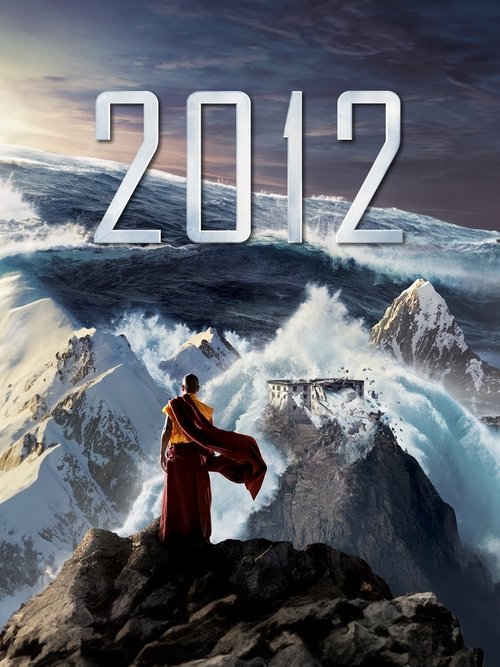
I remember the year 2009 vividly, mostly because everyone was suddenly a self-taught expert on ancient Mayan calendars. There was this low-level hum of "what if?" vibrating through the culture—a mix of genuine tech-anxiety and a weird, apocalyptic FOMO. Roland Emmerich, the undisputed heavyweight champion of blowing up national landmarks, saw that cultural itch and decided to scratch it with a $200 million golden backscratcher. I recently rewatched 2012 while nursing a mild cold and eating a bowl of cereal that had gone slightly soggy because I got distracted by a Twitter thread about 18th-century plumbing. Somehow, that state of distracted lethargy is the perfect way to consume this movie.

Architecture as an Endangered Species
If you’re coming to 2012 for a nuanced meditation on the human condition, you’ve wandered into the wrong theater. This is a movie where John Cusack outruns a literal tectonic plate shift in a limousine. It’s a film that views the laws of physics as "vague suggestions" rather than rules. But looking back at it now, in an era where Marvel movies often feel like they’re made of weightless purple sludge, there is something weirdly refreshing about Emmerich’s brand of disaster.
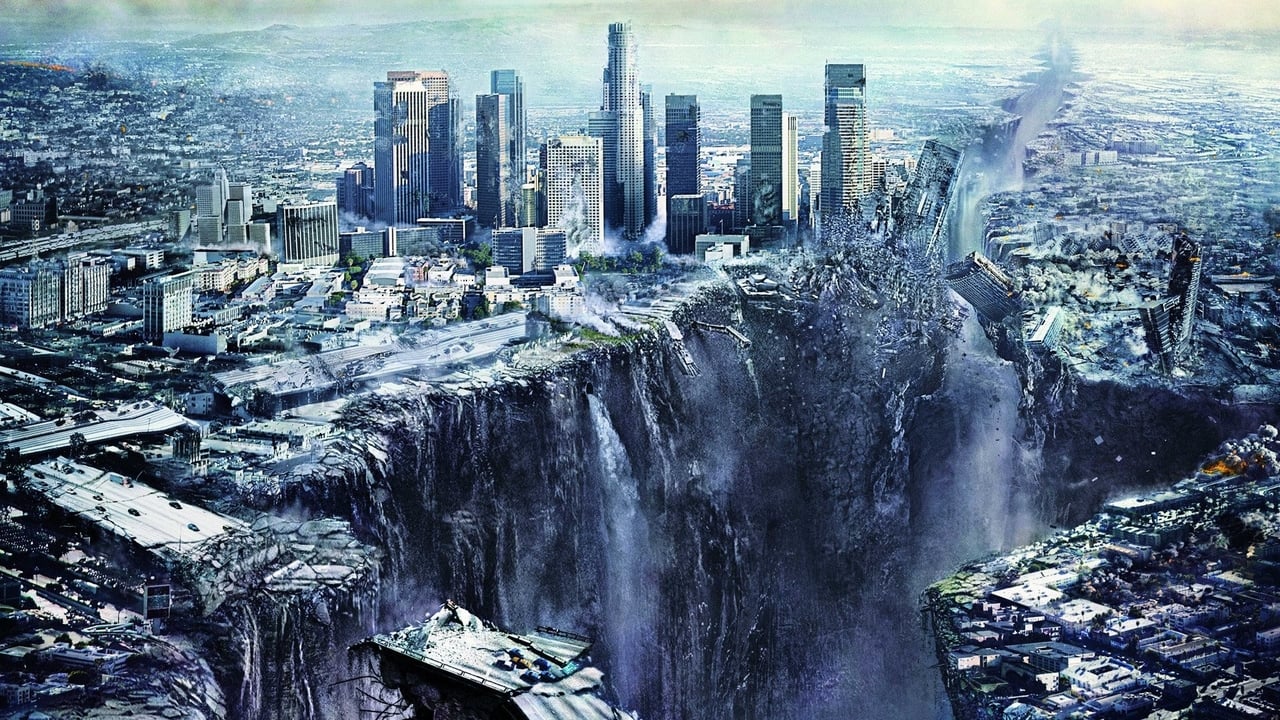
The destruction in 2012 represents the absolute peak of the "Digital Spectacle" era. We were moving past the clunky, rubbery CGI of the late 90s and into a space where water, fire, and crumbling concrete finally looked heavy. When the California coastline slides into the Pacific, it doesn’t just look like a screensaver; it looks like a masterclass in architectural hate-speech. The scale is so gargantuan that it bypasses the "horror" of a disaster and enters the realm of the psychedelic. I found myself rooting for the earthquakes just to see what the Digital Domain and Sony Pictures Imageworks teams would come up with next.
The Everyman and the Ark
At the center of this chaos is John Cusack as Jackson Curtis, a struggling writer who is essentially the "Emmerich Archetype": a divorced dad trying to win back his family by surviving the impossible. Cusack brings a certain frantic, "I can’t believe I’m in this movie" energy that actually helps ground the absurdity. He’s joined by Amanda Peet as his ex-wife and Tom McCarthy as the doomed new boyfriend, Gordon. Poor Gordon—in the world of disaster movies, being the "new boyfriend" is basically a death sentence. You might as well walk around with a target on your back and a sign that says "Please liquefy me so the protagonist can have his wife back."

The real weight, however, comes from Chiwetel Ejiofor as Dr. Adrian Helmsley and Oliver Platt as the cynical Carl Anheuser. Their subplot—the secret construction of massive "Arks" in the Himalayas—is where the film gets surprisingly dark. While the action is busy being cheerfully ridiculous, the political drama asks some uncomfortable questions about who gets to live when the world ends. Platt is fantastic as the pragmatic villain who isn't actually a villain; he's just the only person in the room willing to admit that you can’t save seven billion people with a few boats. It reflects that post-9/11 cynicism that started creeping into our blockbusters: the fear that the "system" isn't coming to save us.
A Relic of the Mega-Budget Era
2012 was a massive hit, raking in nearly $800 million worldwide, but it also feels like one of the last of its kind. We were right on the cusp of the MCU taking over the world (only a year after Iron Man), and Hollywood was about to pivot from "event movies" based on concepts (The End of the World!) to movies based on intellectual property.
The production was a gargantuan undertaking. They used massive "gimbal" sets to simulate the shaking of the ships, and the sheer volume of CGI shots was astronomical for 2009. Funnily enough, NASA actually labeled 2012 the most "scientifically absurd" film ever made, specifically citing the "mutating neutrinos" that heat up the Earth's core. But honestly, who cares about neutrinos when you have a scene where a plane flies through a collapsing skyscraper? This film isn't trying to pass a geology exam; it's trying to make you spill your popcorn.
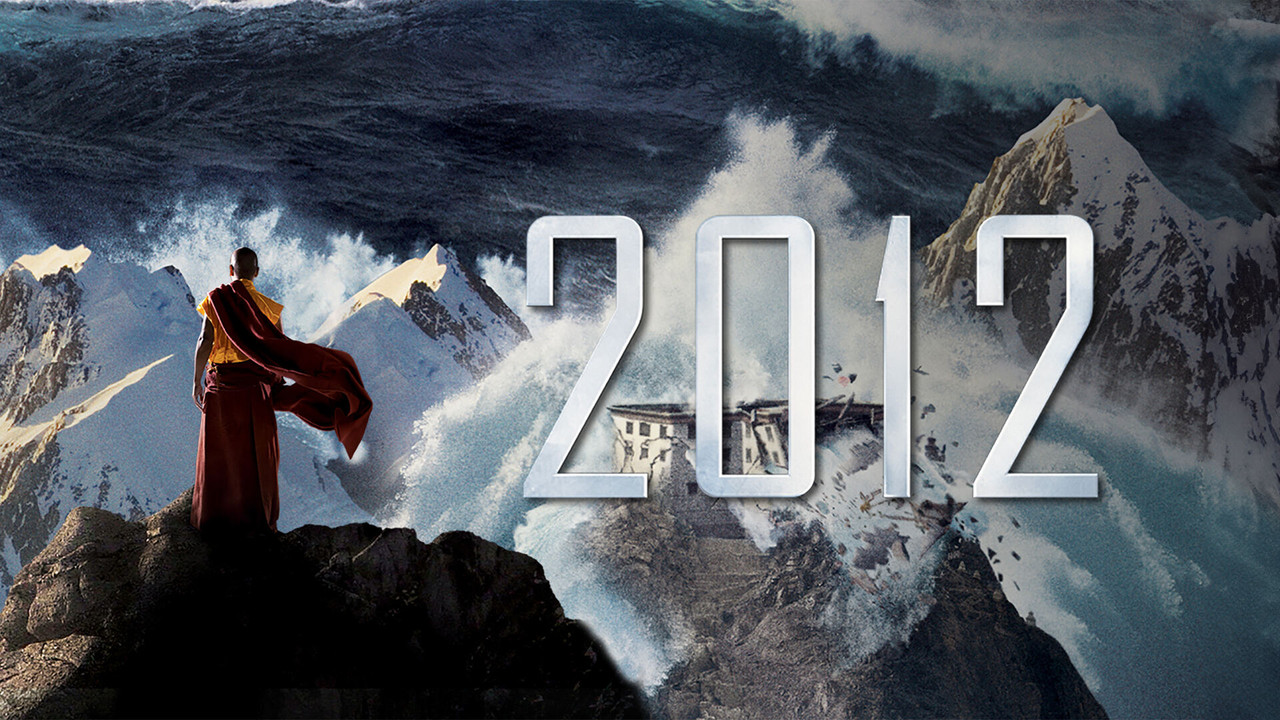
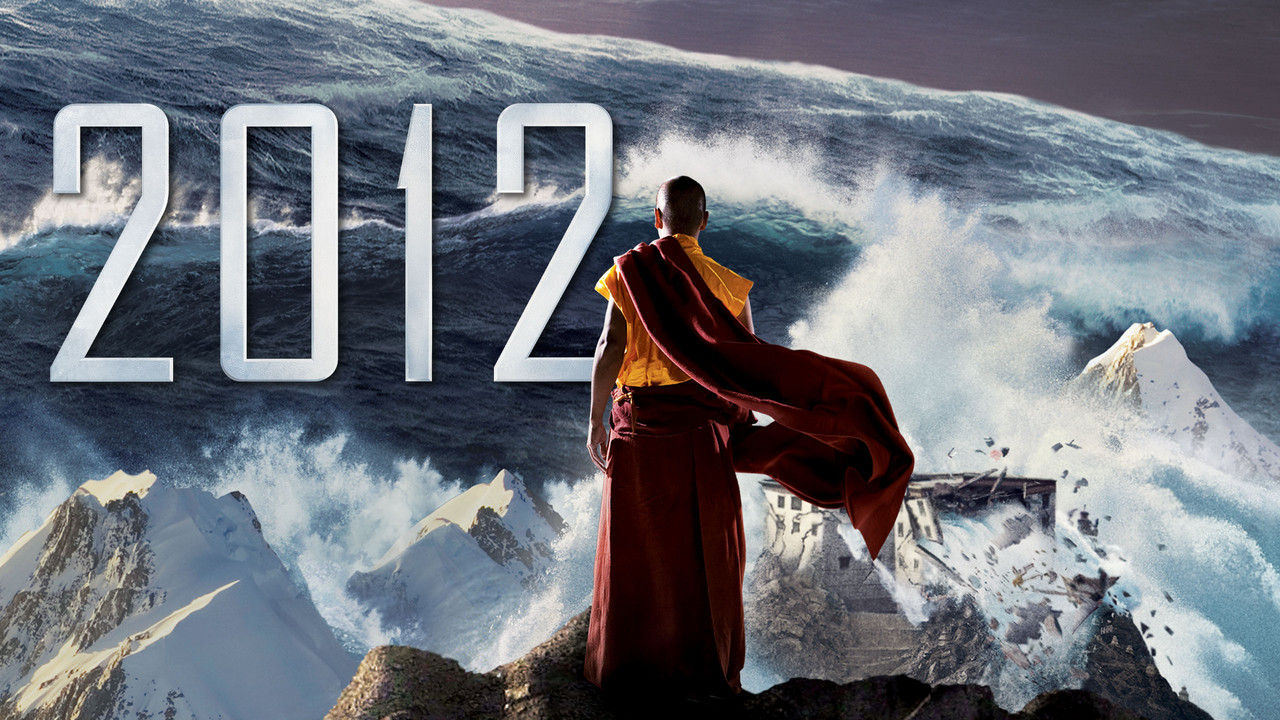
Looking back, the film’s "We Were Warned" tagline feels a bit quaint. We weren't warned about the Mayans, but we were definitely warned that blockbusters were going to keep getting bigger, louder, and more reliant on the "everything is exploding" button. 2012 is the logical conclusion of that trend—a movie so big it literally has nowhere left to go but the bottom of the ocean.
Ultimately, 2012 is a loud, gorgeous, and frequently stupid piece of entertainment that I can't help but enjoy. It’s the cinematic equivalent of a triple-bacon cheeseburger: you know it’s bad for you, you’ll probably feel a bit sick afterward, but the first few bites are pure bliss. It captures a specific moment in digital filmmaking where the technology finally caught up to our wildest nightmares, and for 158 minutes, it lets us watch those nightmares with a sense of awe rather than terror.
It’s the kind of movie that reminds me why we go to the cinema in the first place—not always for the art, but sometimes just to see the world end in the most expensive way possible. It’s a spectacular mess, and I mean that as a compliment. Just don't ask about the physics of the "Donut Hole" jump.
Keep Exploring...
-
The Day After Tomorrow
2004
-
Stargate
1994
-
Independence Day
1996
-

10,000 BC
2008
-
Godzilla
1998
-
Universal Soldier
1992
-
Spider-Man 3
2007
-
Transformers
2007
-
Transformers: Revenge of the Fallen
2009
-

Iron Man 2
2010
-
Resident Evil: Afterlife
2010
-

Transformers: Dark of the Moon
2011
-
Journey 2: The Mysterious Island
2012
-
The Amazing Spider-Man
2012
-
The Wolverine
2013
-
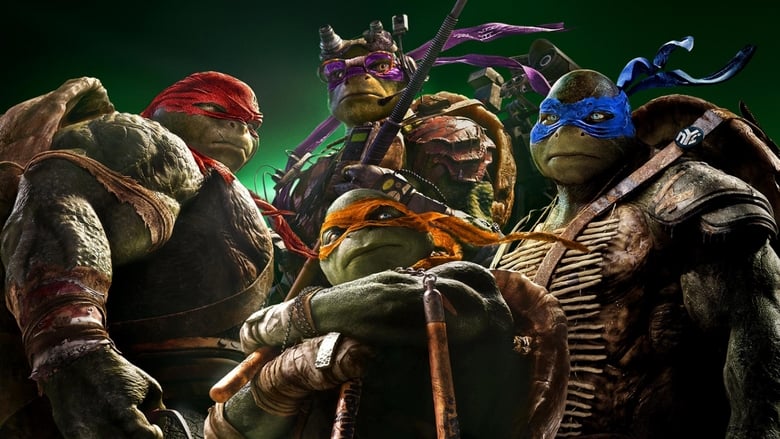
Teenage Mutant Ninja Turtles
2014
-
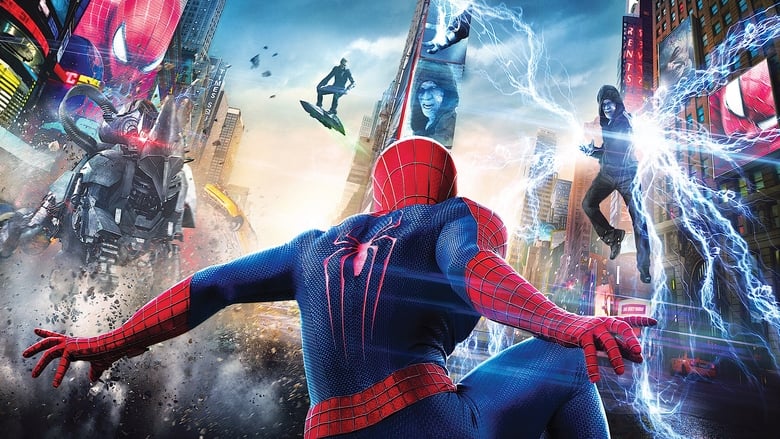
The Amazing Spider-Man 2
2014
-
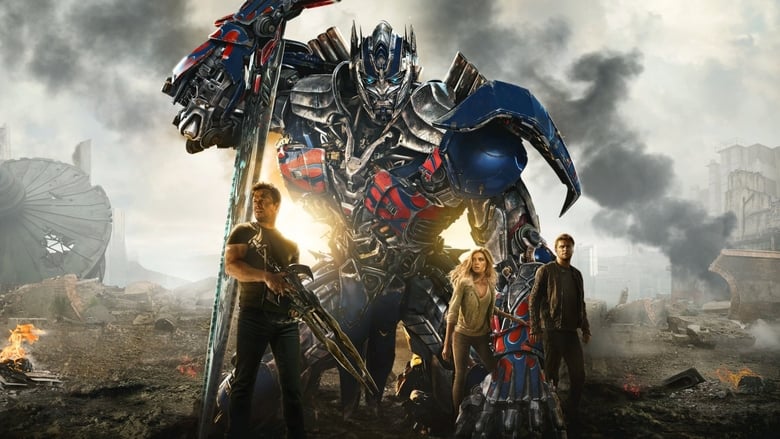
Transformers: Age of Extinction
2014
-
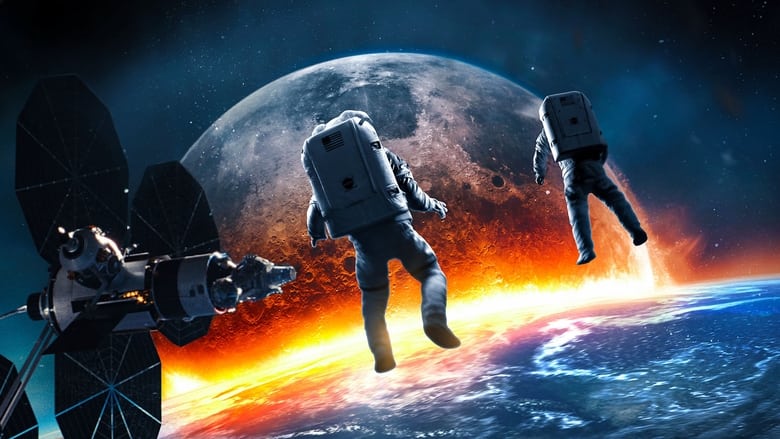
Moonfall
2022
-
Congo
1995