(500) Days of Summer
"Memory is a very bad editor."
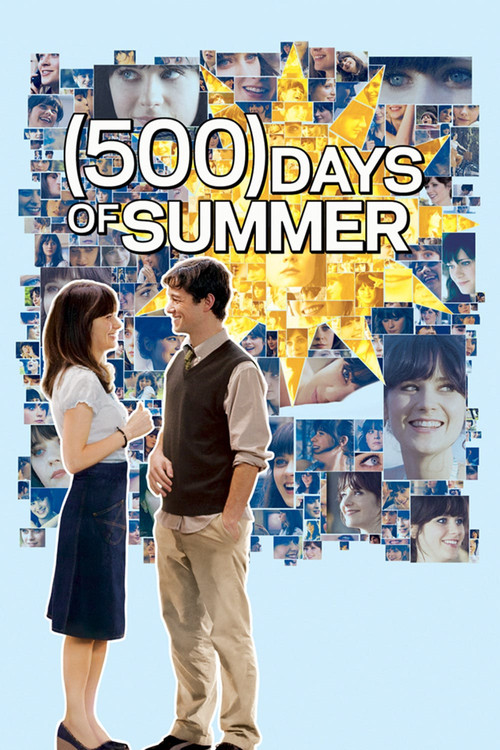
The first time I saw (500) Days of Summer, I was sitting in a cramped dorm room drinking a generic-brand ginger ale that had gone tragically flat, and I was convinced—absolutely certain—that Summer Finn was a cold-hearted monster. I think most of us felt that way in 2009. We were right there with Tom, nursing our bruised egos and humming along to The Smiths in elevators, waiting for a girl with "butterfly" bangs to validate our existence.
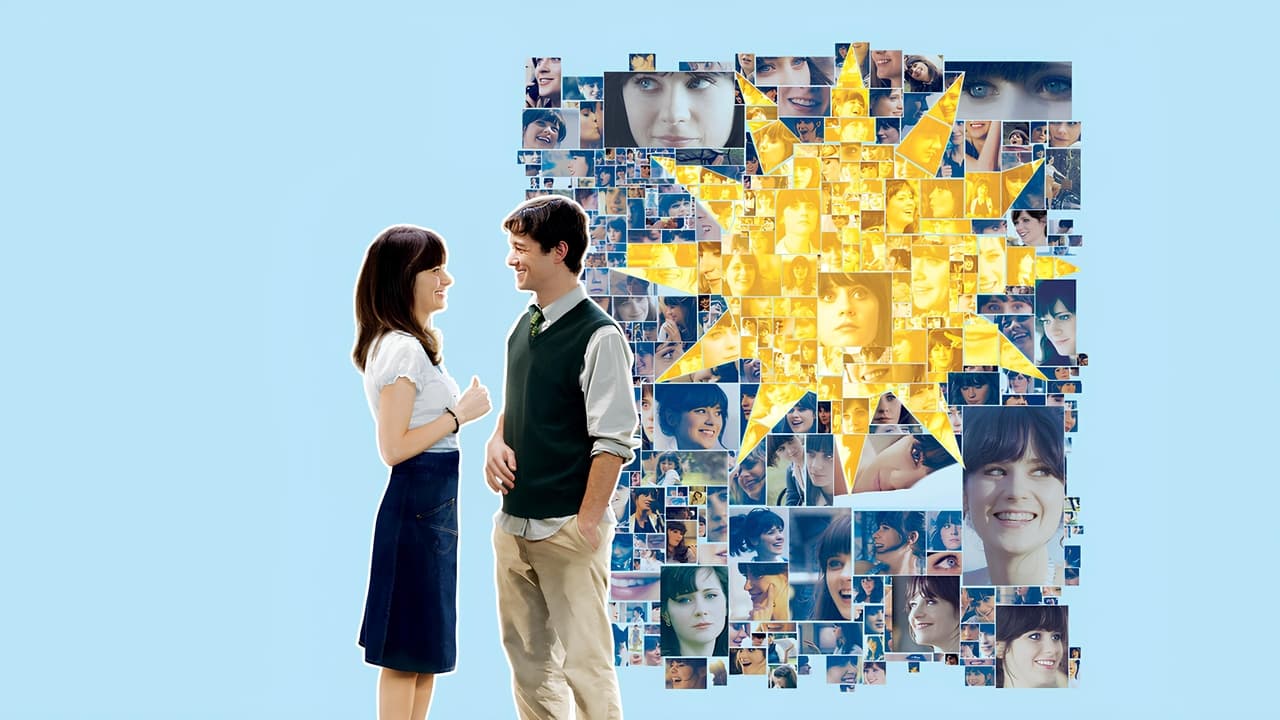
Looking back fifteen years later, the flat soda is gone, but the film’s clever, jagged edges have only gotten sharper. This isn't just a quirky indie flick from the tail end of the "Sundance Generation" explosion; it’s a forensic autopsy of a relationship that never actually existed outside of one man’s head. It’s a drama disguised as a romantic comedy, and the joke is entirely on the protagonist.
The Great Post-Modern Breakup
Director Marc Webb—who would later jump into the big-budget machine of The Amazing Spider-Man—brought a music-video sensibility to this film that felt revolutionary at the time. This was the era where digital editing was becoming play-doh for indie directors. The non-linear structure isn't just a gimmick; it’s a brilliant representation of how we remember things. We don’t recall a breakup in a straight line; we jump from the "I love her" euphoria of Day 290 to the "I hate her" misery of Day 1, trying to find the glitch in the matrix.
The "Expectations vs. Reality" split-screen sequence remains one of the most effective uses of visual storytelling from that decade. It captures that specific, universal human agony of showing up to a party hoping for a cinematic reunion and leaving with a heavy heart and a quiet cab ride home. It’s the kind of sequence that justifies the transition from film to digital—it’s crisp, perfectly timed, and painfully relatable for anyone who has ever tried to manifest a happy ending out of thin air.
The Villain We Imagined
The biggest reassessment of the film lies in the performances. Joseph Gordon-Levitt (fresh off his transition from child star to indie heavyweight in Brick) plays Tom with a "nice guy" entitlement that is far more uncomfortable to watch today. He’s a guy who loves "the idea" of a girl but doesn't actually listen to her when she says she doesn't want a boyfriend. Gordon-Levitt is fantastic because he makes Tom’s narcissism feel like earnestness. You root for him until you realize you shouldn't.
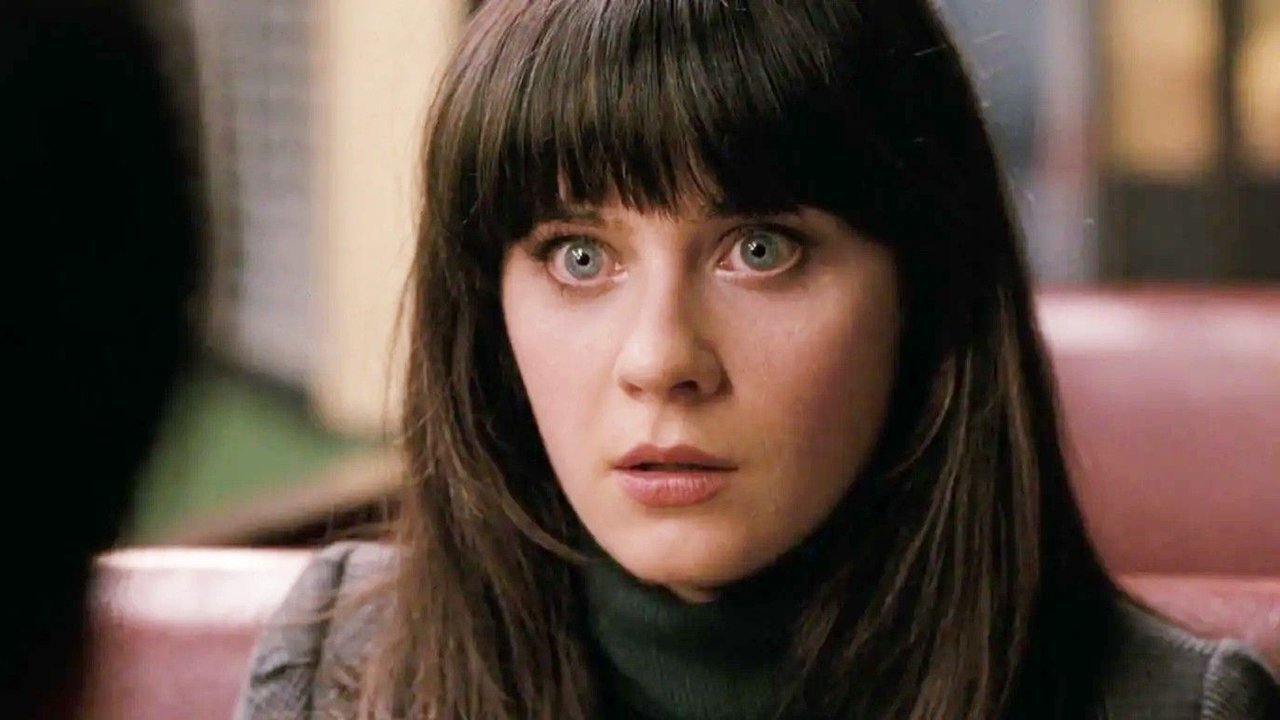
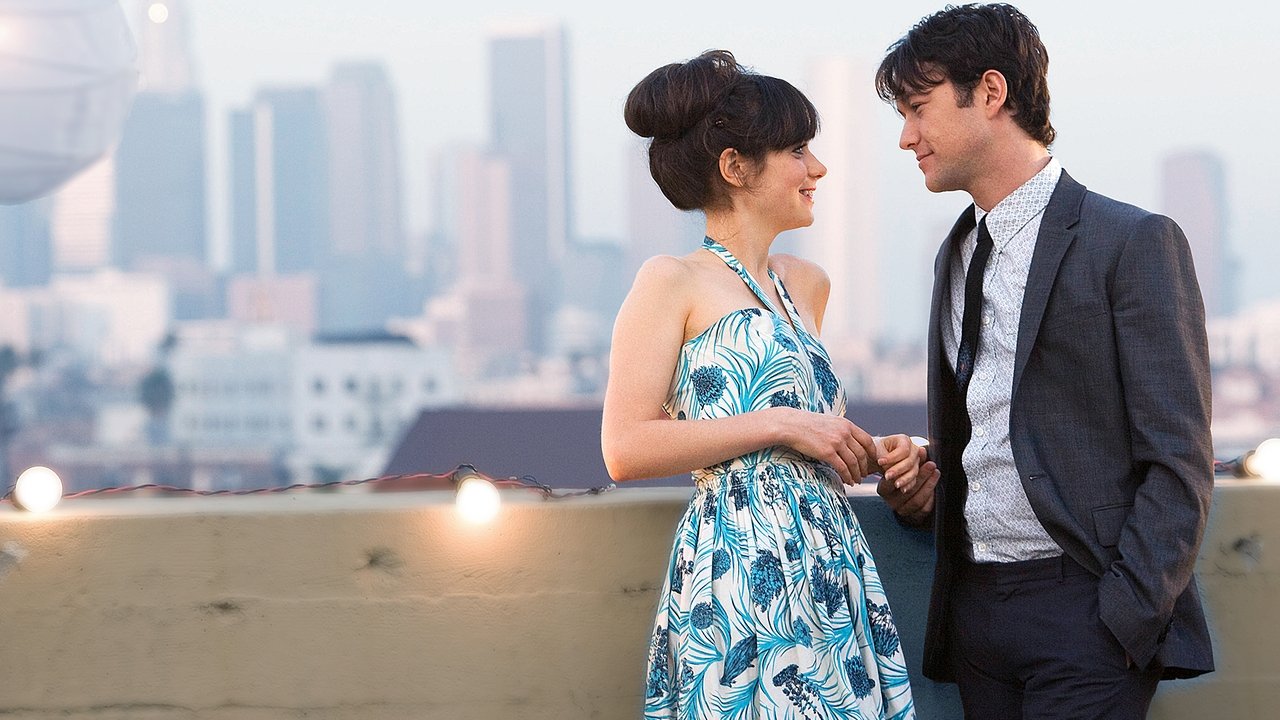
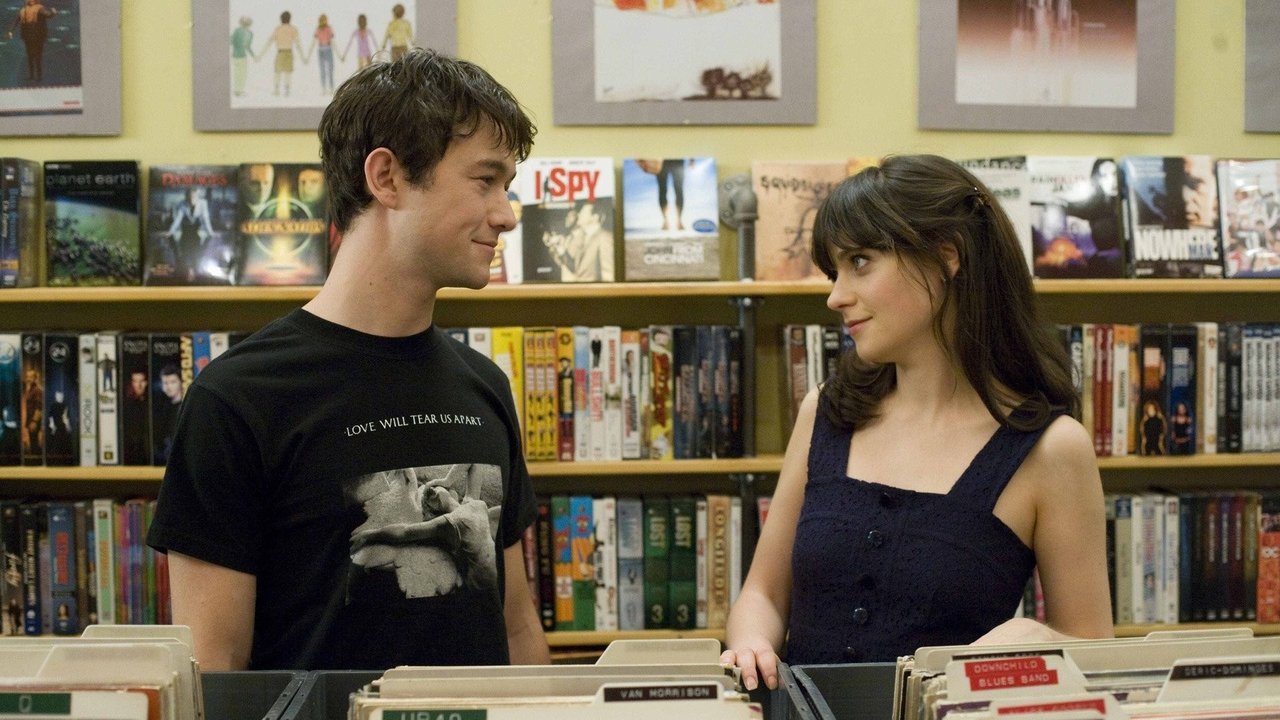
Then there’s Zooey Deschanel. For years, she was the poster child for the "Manic Pixie Dream Girl" trope, but watching it now, her performance as Summer is remarkably restrained. She is clear, honest, and consistently herself. The film’s cult status has evolved because the audience grew up; we realized that Summer wasn't the antagonist, she was just a person with her own agency. The way Deschanel uses her eyes—which Marc Webb highlighted by making the entire color palette of the film blue to match them—conveys a sense of "I’m here, but I’m not yours" that Tom simply refuses to read.
The 2009 Time Capsule
There are elements here that feel like a perfect 2009 museum exhibit. The IKEA date, the Hall & Oates "You Make My Dreams" dance number, and the appearances of a very young Chloë Grace Moretz as the voice of reason. It captured a moment when "indie" was becoming a brand, curated by Fox Searchlight and marketed to people who shopped at Urban Outfitters.
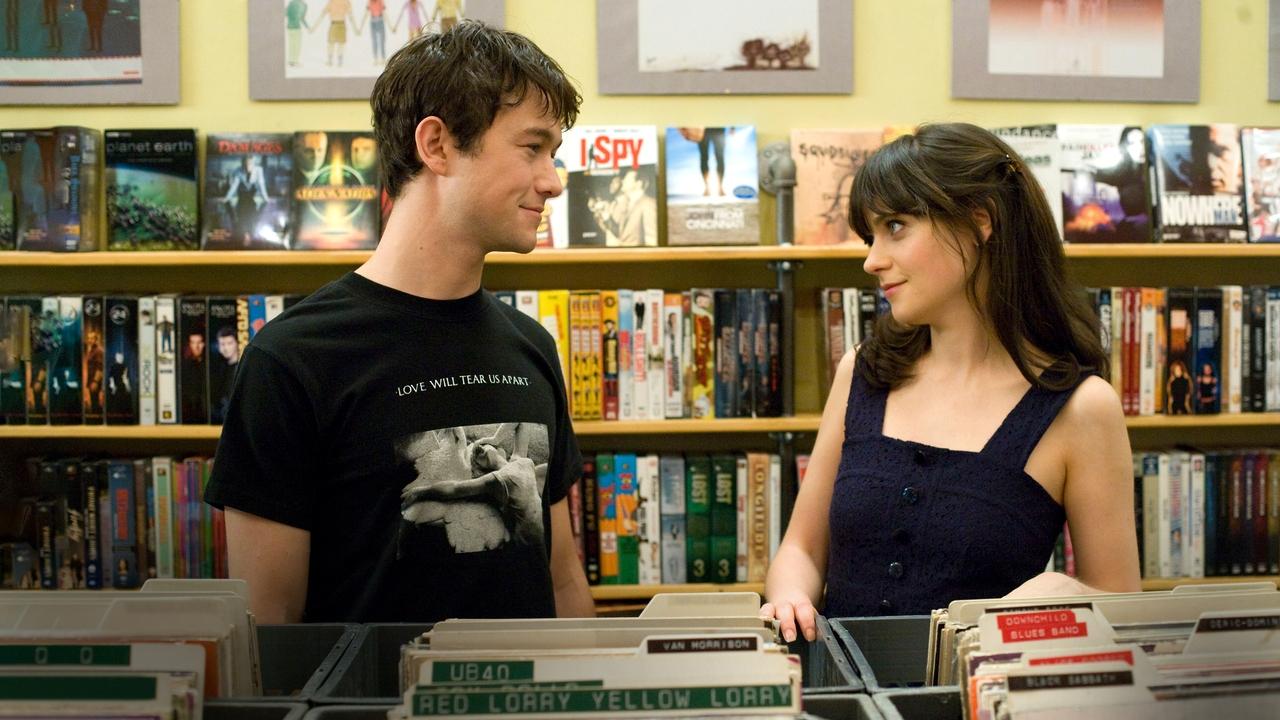
But beneath the hip soundtrack (shoutout to Matthew Gray Gubler and Geoffrey Arend for providing the perfect "dumb friend" choir), there’s a genuine weight to the script by Scott Neustadter and Michael H. Weber. Apparently, the script was born out of Neustadter’s real-life heartbreak with a girl named Jenny, and that bitterness gives the film its teeth.
Cool Details You Might Have Missed:
The color blue is almost entirely absent from the film except when it’s associated with Summer (eyes, clothing, decor). The bird on Tom’s whiteboard during the "Expectations" scene is a subtle nod to the film’s ending. The "Sid and Nancy" sequence was a late addition to the script to emphasize Tom’s dramatic delusions. The director actually shot the "You Make My Dreams" dance sequence in a public park with real commuters who were confused by the spontaneous choreography. * The film was a massive "DVD culture" hit, with the special features revealing just how much the "non-linear" order was agonized over in the edit suite.
(500) Days of Summer is a rare beast: a film that changes as you age. It’s a cautionary tale about projection, a celebration of Los Angeles architecture (shoutout to the Bradbury Building), and a reminder that just because a girl likes the same bizarro music as you, it doesn't mean she’s your soulmate. It’s smart, stylish, and just cynical enough to be true. It’s the ultimate 5-minute bus stop recommendation because it reminds us that while the "Summer" of our lives might end, there's always an "Autumn" waiting around the corner—even if that's a bit of a cheesy punchline.
Keep Exploring...
-
Stranger Than Fiction
2006
-
High School Musical 2
2007
-

Adventureland
2009
-
Letters to Juliet
2010
-
Life As We Know It
2010
-
Moonrise Kingdom
2012
-
Seeking a Friend for the End of the World
2012
-
Begin Again
2014
-
Magic in the Moonlight
2014
-
50/50
2011
-
Just Like Heaven
2005
-

Hairspray
2007
-
Crazy, Stupid, Love.
2011
-
The Spectacular Now
2013
-
What If
2013
-
10 Things I Hate About You
1999
-
High Fidelity
2000
-
Punch-Drunk Love
2002
-
Camp Rock
2008
-
The Family Man
2000