A Christmas Carol
"The ghost in the machine finally finds its soul."

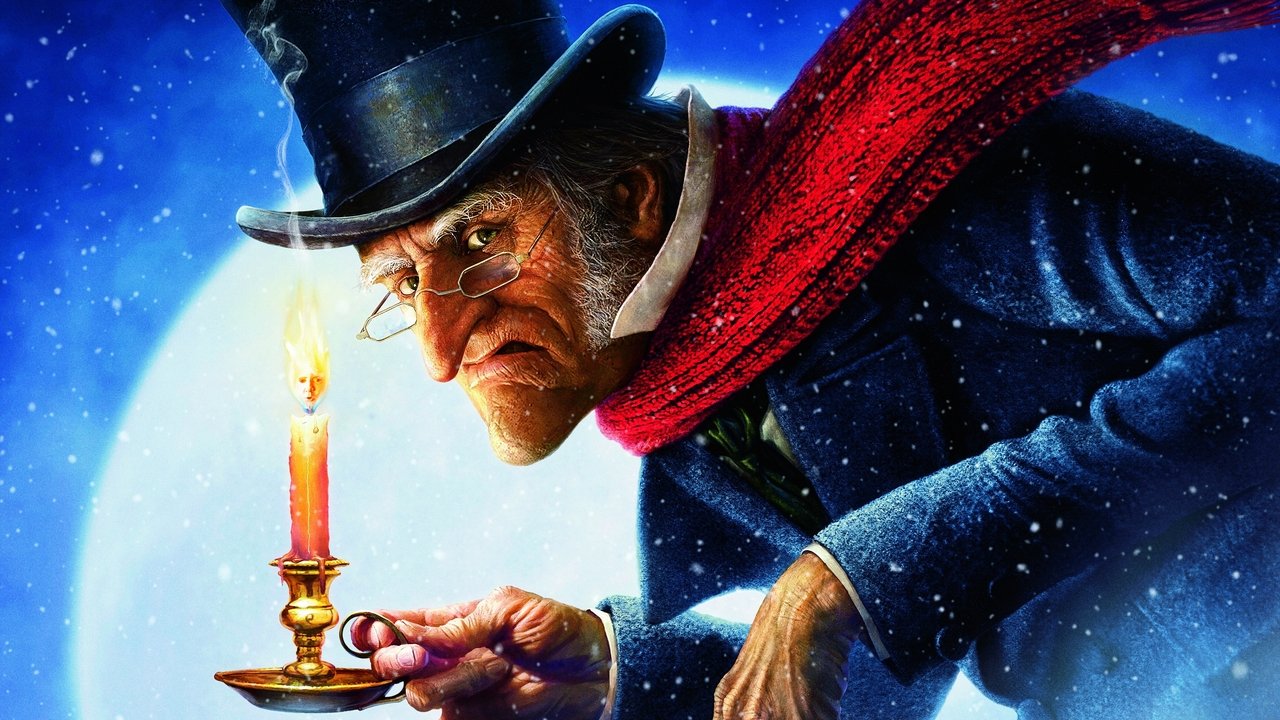
There is a specific, unsettling chill that comes not from the Victorian snow of Robert Zemeckis’s London, but from the eyes of his digital puppets. In 2009, we were deep in the "Uncanny Valley" era—that strange period where technology was advanced enough to mimic human movement but just clunky enough to make us wonder if the characters were secretly taxidermied. Looking back at A Christmas Carol, it’s easy to dismiss it as a relic of Zemeckis’s obsession with motion capture. But I’d argue that the very thing that made people uncomfortable in 2009 is exactly what makes this the most effective, haunted version of the story ever put to film.
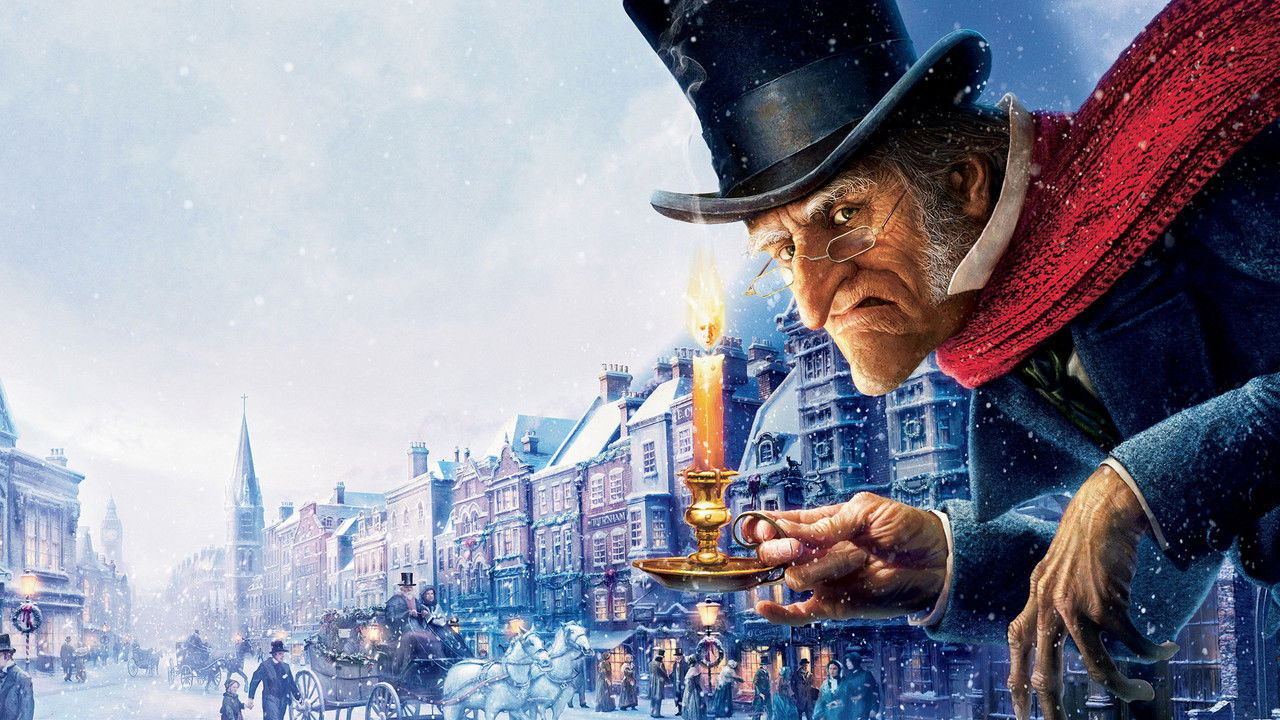
I recently rewatched this on a tablet while my cat was aggressively kneading my stomach, and that localized physical discomfort actually paired perfectly with the movie’s jagged, cold atmosphere. This isn't your cozy, Muppet-led holiday singalong. This is a nightmare-fueled dive into the psyche of a dying man, and it’s time we give it its due.
The Ghost of Motion Capture Past
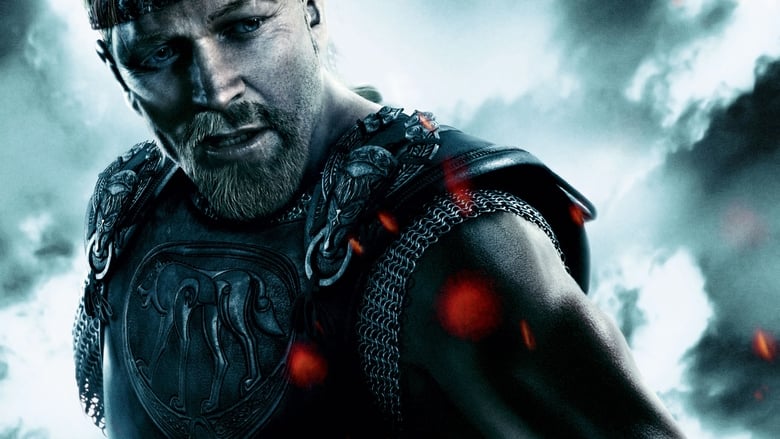
By 2009, Zemeckis had already given us the wide-eyed stares of The Polar Express and the glistening muscles of Beowulf. A Christmas Carol felt like the final boss of his ImageMovers Digital studio. At the time, critics were polarized; we were caught between the transition from practical sets to the total "volume" acting that would eventually give us Avatar. Watching it now, the technology has aged surprisingly well in the environments, even if the skin textures still look a bit like sentient candle wax.
The brilliance of using motion capture here isn't just a gimmick; it allows for a surrealism that live-action can't touch. When the Ghost of Christmas Past (a flickering candle flame with a soft, Irish lilt) whisks Scrooge through the air, the camera doesn't just pan—it dives, swoops, and tumbles through 19th-century streets with a kinetic energy that feels like a fever dream. Zemeckis wasn't just filming a play; he was treating the camera like a caffeinated hummingbird, and it gives the Dickensian world a scope that feels genuinely epic.
A Carrey-on Performance
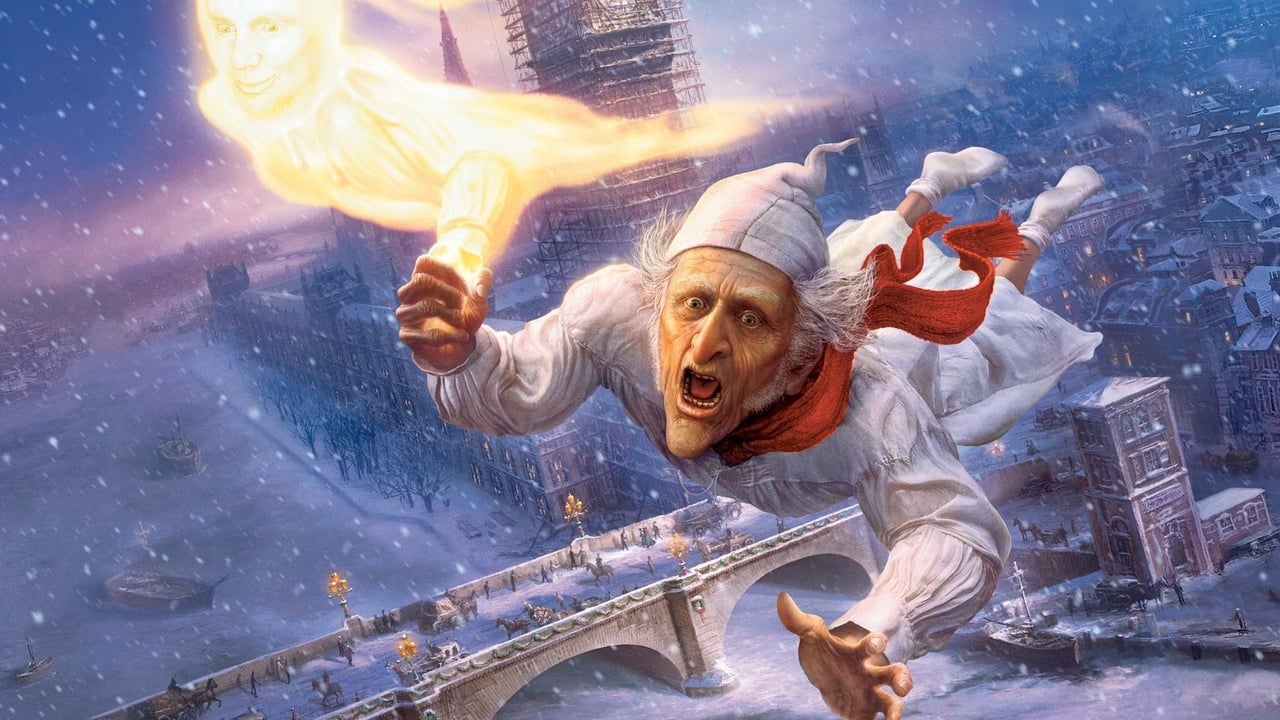
The real draw, of course, is Jim Carrey. He doesn't just play Ebenezer Scrooge; he plays the young Scrooge, the middle-aged Scrooge, and all three spirits. It’s easy to forget, given his 90s rubber-face reputation, what a nuanced dramatic actor Carrey can be. His Scrooge is a spindly, whistling wreck of a human, hunched over by the literal weight of his own greed. Because of the mo-cap, Carrey is able to transform his entire physicality, and you can see the micro-expressions of regret and terror filtering through the digital mask.
Then there’s Gary Oldman, who pulls a hat trick of his own by playing Bob Cratchit, Jacob Marley, and Tiny Tim. Oldman’s Marley is genuinely terrifying—a jaw-dropping (literally) performance that leans into the body horror of being a ghost. I remember thinking in the theater that this was way too scary for a "Disney" movie. Zemeckis essentially tricked parents into taking their kids to a gothic horror film disguised as a stocking stuffer.
The supporting cast is a "who’s who" of heavy hitters. Colin Firth brings a much-needed warmth as Fred, and Bob Hoskins (in one of his final roles) is the literal embodiment of Christmas joy as Fezziwig. These are actors who understand that in a digital world, you have to over-deliver on the soul to keep the characters from feeling like hardware.
The Dark Heart of the Digital
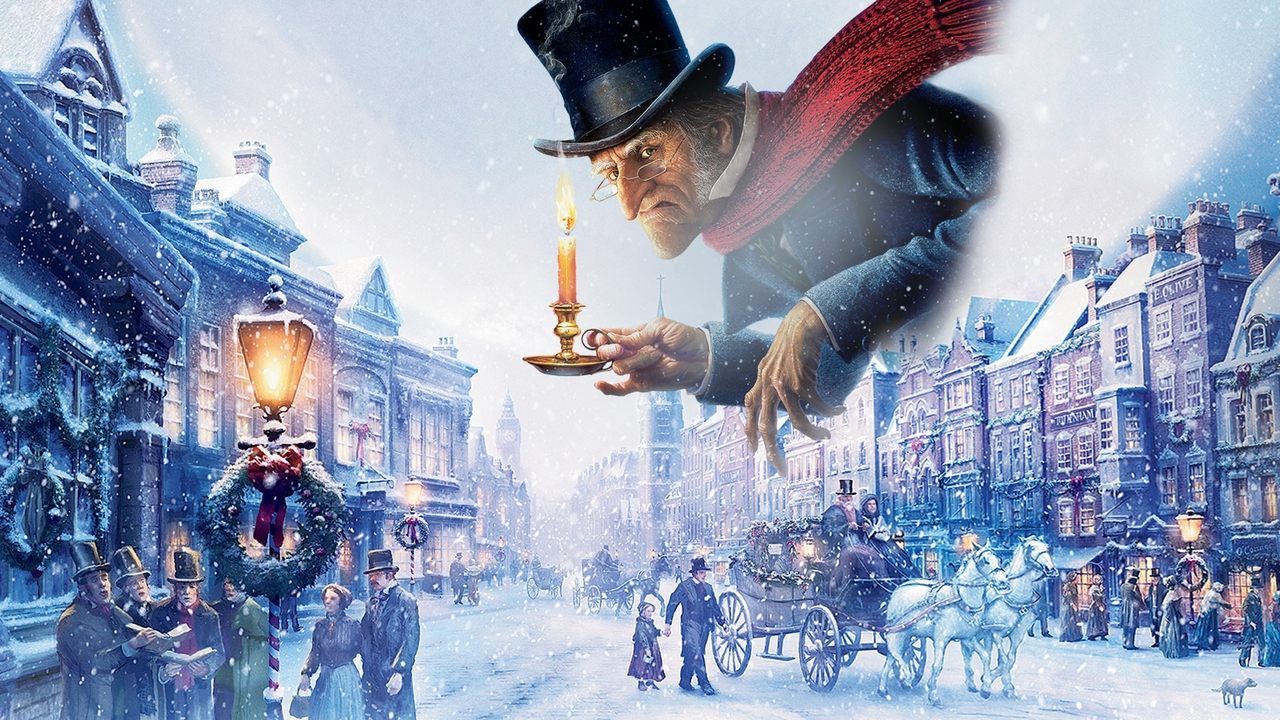
What I appreciate most about this version, fifteen years later, is how much of the original Dickensian "grit" it keeps. Most adaptations skip the darker subtext of the book, but Zemeckis leans into it. The sequence where "Ignorance" and "Want" appear as feral children from under the Ghost of Christmas Present's robes is the stuff of actual nightmares. It captures the social anger Dickens felt about Victorian poverty better than almost any other version.
The film did reasonably well at the box office, but it never quite became the "classic" Disney hoped for, mostly because it’s so aggressively weird. It’s a film that exists in the cracks between eras. It was a flagship for the 3D Blu-ray craze that never quite took off, and it was produced just before the MCU formula would go on to homogenize blockbuster aesthetics.
It is a strange, lonely, beautiful artifact of a director trying to build a new visual language. Does it always work? No. Sometimes the lip-syncing is off, and sometimes the action sequences (like the chase through London with the phantom carriage) feel like they were designed specifically for a theme park ride. But even the flaws feel ambitious.
In the grand hierarchy of Christmas Carols, this one sits right next to the 1951 Alastair Sim version in terms of atmosphere, even if it trades shadows for pixels. It’s a movie that rewards a high-definition screen and a dark room. Give it another look this December; you might find that the "uncanny" nature of the ghosts makes them feel more like actual spirits than any guy in a sheet ever could. It’s a haunting, technical marvel that finally found its heart in the years since we first looked into those digital eyes.
Keep Exploring...
-

The Polar Express
2004
-
Beowulf
2007
-
Horton Hears a Who!
2008
-

The Cat Returns
2002
-
Monster House
2006
-
The Spiderwick Chronicles
2008
-
The Princess and the Frog
2009
-
Brave
2012
-
Rise of the Guardians
2012
-
Epic
2013
-
The Book of Life
2014
-
Arthur and the Invisibles
2006
-
Legend of the Guardians: The Owls of Ga'Hoole
2010
-

Wolf Children
2012
-
Anastasia
1997
-
Hercules
1997
-
Dinosaur
2000
-

The Emperor's New Groove
2000
-
The Road to El Dorado
2000
-
Spirit: Stallion of the Cimarron
2002