A Serious Man
"Uncertainty is the only thing you can be sure of."
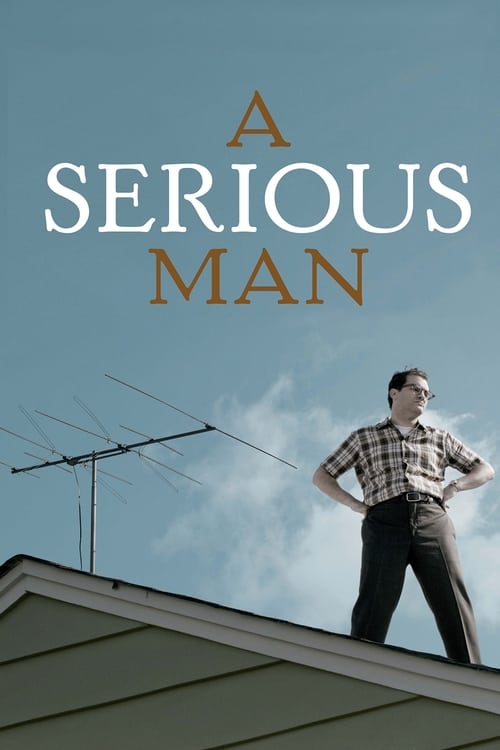
I first watched A Serious Man on a flickering laptop screen while sitting in a hospital waiting room, eating a bagel that was approximately 40% sawdust. I hadn’t planned on a Coen Brothers marathon that day, but the sheer, mounting frustration of Larry Gopnik’s life felt weirdly poetic given my surroundings. By the time the credits rolled and the storm sirens started wailing, I realized I wasn’t just watching a movie; I was participating in a cosmic joke where the punchline is always "Because."

Released in 2009, right in the sweet spot of the Coens’ incredible late-2000s run (nestled between the grim No Country for Old Men and the grit of True Grit), A Serious Man is perhaps their most personal, specific, and delightfully mean-spirited masterpiece. It’s a film that asks the big questions—Why do bad things happen to good people? Does God care about my divorce?—and then responds with a shrug and a "See me after class."
The Job of St. Louis Park
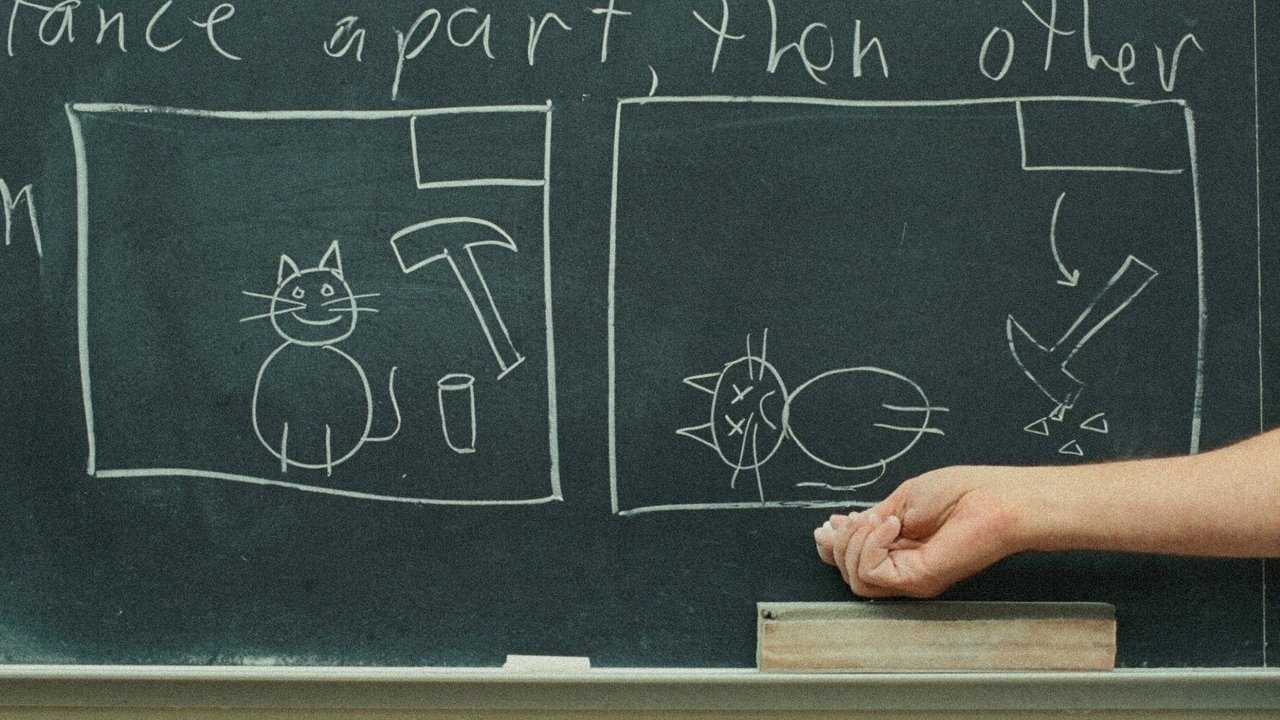
The story belongs entirely to Michael Stuhlbarg, who plays Larry Gopnik, a physics professor in 1967 Minnesota. Larry is a "serious man" in the sense that he does everything right. He teaches the Uncertainty Principle, he waits for his tenure, and he tries to be a good husband. Naturally, the universe decides to treat him like a stress ball. His wife (Sari Lennick) is leaving him for the insufferably "sensitive" Sy Ableman; his brother, Arthur (Richard Kind), is living on his couch and draining a cyst in the kitchen; and someone is sending anonymous letters to the tenure committee to ruin his career.
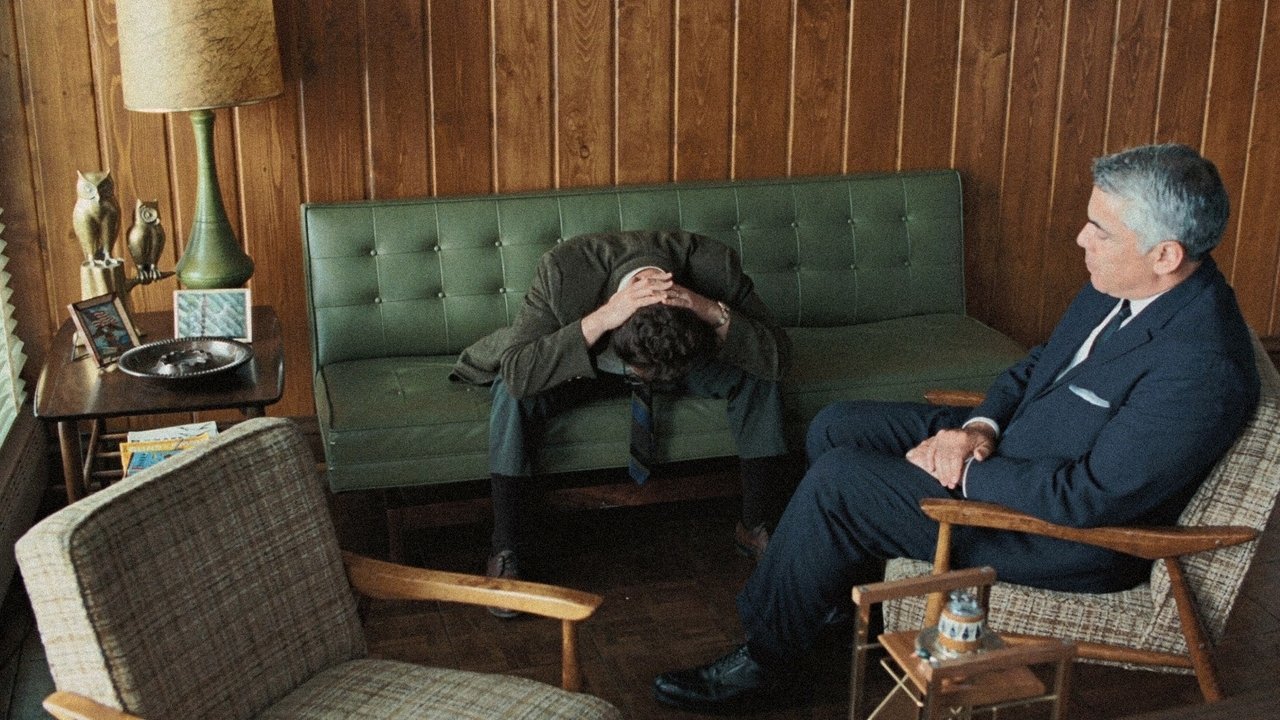
Michael Stuhlbarg is a revelation here. Before he was the comforting father in Call Me by Your Name or the powerhouse in Dopesick, he was the king of the "repressed internal scream." You can see the twitch in his eye every time someone tells him to "be simple" while his entire world is being dismantled. He’s the modern-day Job, but instead of losing his livestock, he’s losing his dignity in a series of increasingly awkward consultations with rabbis who have absolutely nothing helpful to say.
Sy Ableman: The Passive-Aggressive Final Boss
We have to talk about Fred Melamed as Sy Ableman. In a filmography filled with hitmen and kidnappers, Sy Ableman is the most terrifying villain in the Coen brothers' history, and yes, that includes Anton Chigurh. He doesn't need a captive bolt pistol; he just needs to put a hand on your shoulder, call you "Larry," and tell you how much he respects you while he’s literally stealing your bed. Fred Melamed’s voice is like a cello made of clarified butter, and every time he appears on screen, I feel a physical need to hide under my desk.
The chemistry—if you can call it that—between Larry and Sy is a masterclass in dramatic irony. Larry is looking for logic and math to solve his problems, while Sy operates on a plane of pure, oily emotional manipulation. It’s the kind of performance that reveals more on a third or fourth viewing. You start to notice the way Sy dominates the frame, the way he uses silence to make Larry look small. It’s brilliant, hilarious, and deeply uncomfortable.
The Mystery of the Goy’s Teeth
One of the things that makes A Serious Man a true cult favorite is its refusal to play by the rules of standard narrative payoffs. Take the "Goy’s Teeth" sequence. It’s a lengthy story told by a junior rabbi about a Jewish dentist who finds Hebrew letters engraved on the back of a Gentile’s teeth. It’s a haunting, weirdly beautiful digression that builds to... absolutely nothing.
When I first saw it, I was as frustrated as Larry. "What happened to the Goy?" he asks. The rabbi just smiles. That’s the movie in a nutshell. It’s a film that rewards the viewer who is willing to accept that the Coens are basically trolling us with the meaning of life.
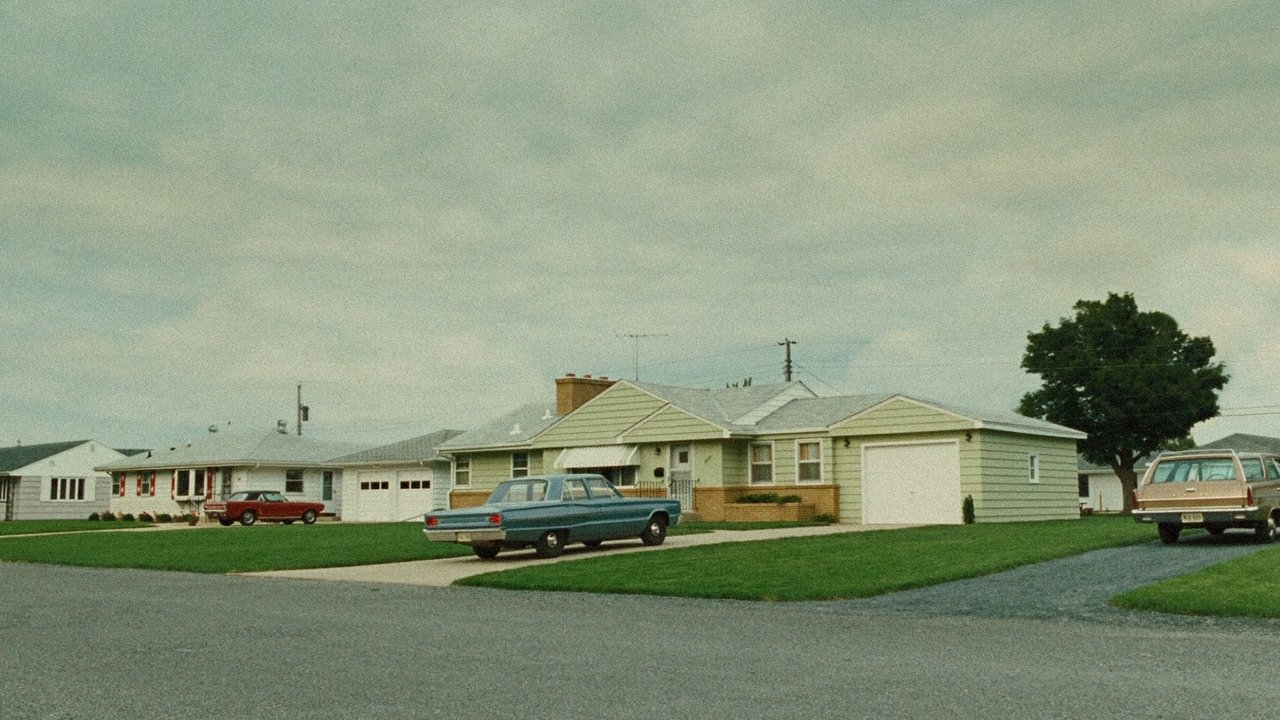
Looking back at the production, it’s fascinating how much of this was pulled from the Coens' own childhood. They grew up in the same Jewish community in Minnesota, and they even used local actors to ensure the faces looked "right"—not Hollywood-polished, but lived-in and specific. They even brought back the legendary cinematographer Roger Deakins (the man behind the look of The Shawshank Redemption and Skyfall), who gives the 1960s suburbs a hazy, sun-drenched quality that feels like a memory that’s slowly turning sour.
Stuff You Might Have Missed
If you’re a trivia hound, this movie is a goldmine. The opening prologue—a 10-minute folk tale about a dybbuk (a Jewish demon) set in a 19th-century shtetl—has nothing and everything to do with the rest of the movie. It sets the tone: sometimes you invite a curse into your house just by trying to be polite.
Also, listen closely to the music. Carter Burwell’s score is subtle, but the use of Jefferson Airplane’s "Somebody to Love" is the real anchor. Larry’s son Danny is the only person in the movie who actually gets what he wants, and all he had to do was get high and listen to psychedelic rock. While Larry is agonizing over the math of the universe, Danny is just trying to get his transistor radio back from his Hebrew school teacher. There’s a lesson in there, though I’m still not sure what it is.
A Serious Man isn't a movie you watch for a "feel-good" Friday night. It’s a movie you watch when you feel like the world is out to get you and you want to know you’re in good company. It’s funny in a way that makes you wince, and it’s dramatic in a way that feels incredibly honest about the chaos of being alive. It’s the Coens at their most unfiltered—intellectual, mischievous, and profoundly human. Just don't expect the rabbis to give you any straight answers.
Keep Exploring...
-
Burn After Reading
2008
-
Inside Llewyn Davis
2013
-
Barton Fink
1991
-
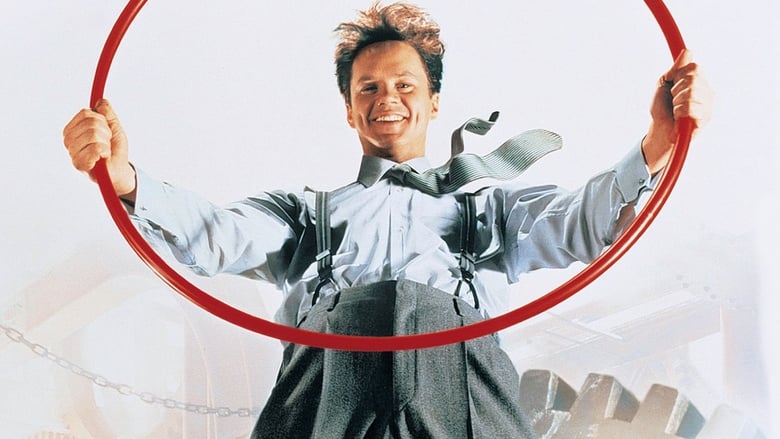
The Hudsucker Proxy
1994
-
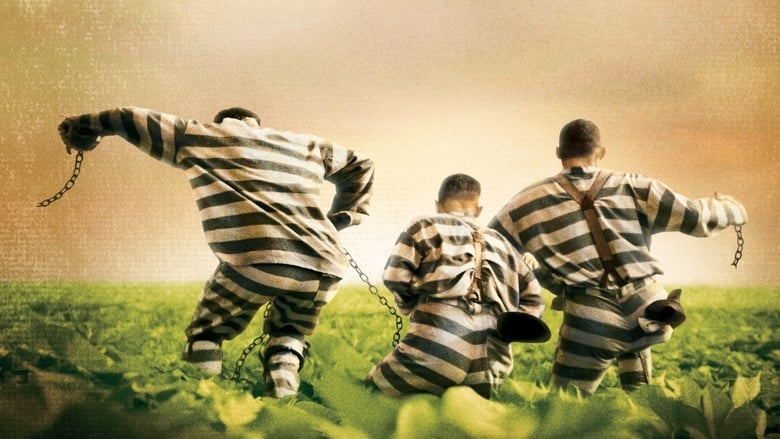
O Brother, Where Art Thou?
2000
-
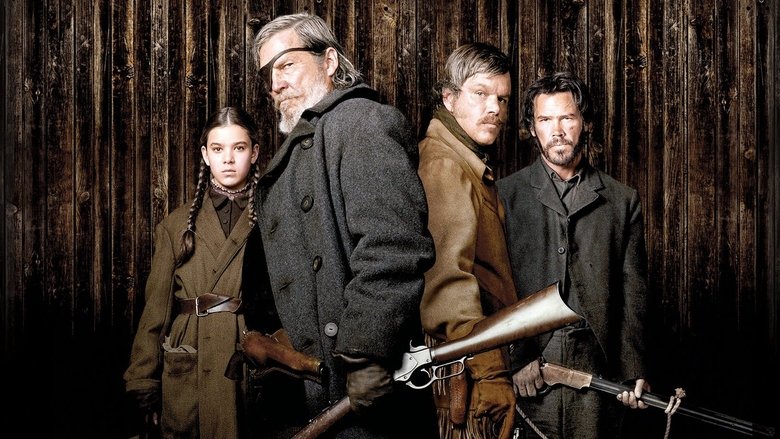
True Grit
2010
-
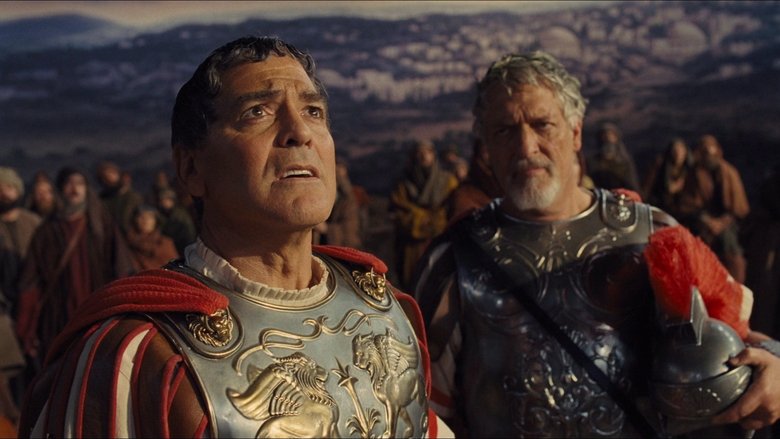
Hail, Caesar!
2016
-
The Ballad of Buster Scruggs
2018
-

Miller's Crossing
1990
-
The Man Who Wasn't There
2001
-
The Big Lebowski
1998
-

Intolerable Cruelty
2003
-
The Ladykillers
2004
-

Thank You for Smoking
2005
-
Stranger Than Fiction
2006
-

High School Musical 2
2007
-

The Darjeeling Limited
2007
-

(500) Days of Summer
2009
-

Adventureland
2009
-

It's Kind of a Funny Story
2010