A Single Man
"Grief has never looked this immaculate."
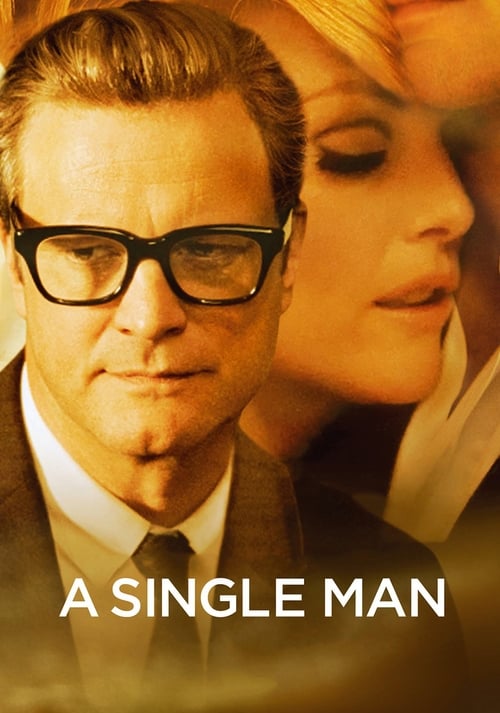
If you’ve ever felt like the world was literally losing its color because your heart was elsewhere, you will recognize the visual language of A Single Man. Most directors try to show you sadness through rain or somber music, but Tom Ford—a man who spent his life defining the "look" of the modern era at Gucci—decided to show it through color grading. When our protagonist is drowning in his memories, the film looks like a faded Polaroid left in the sun. But when a moment of genuine human connection sparks? The screen flushes with a sudden, intoxicating warmth. It’s like watching a person wake up in real-time.
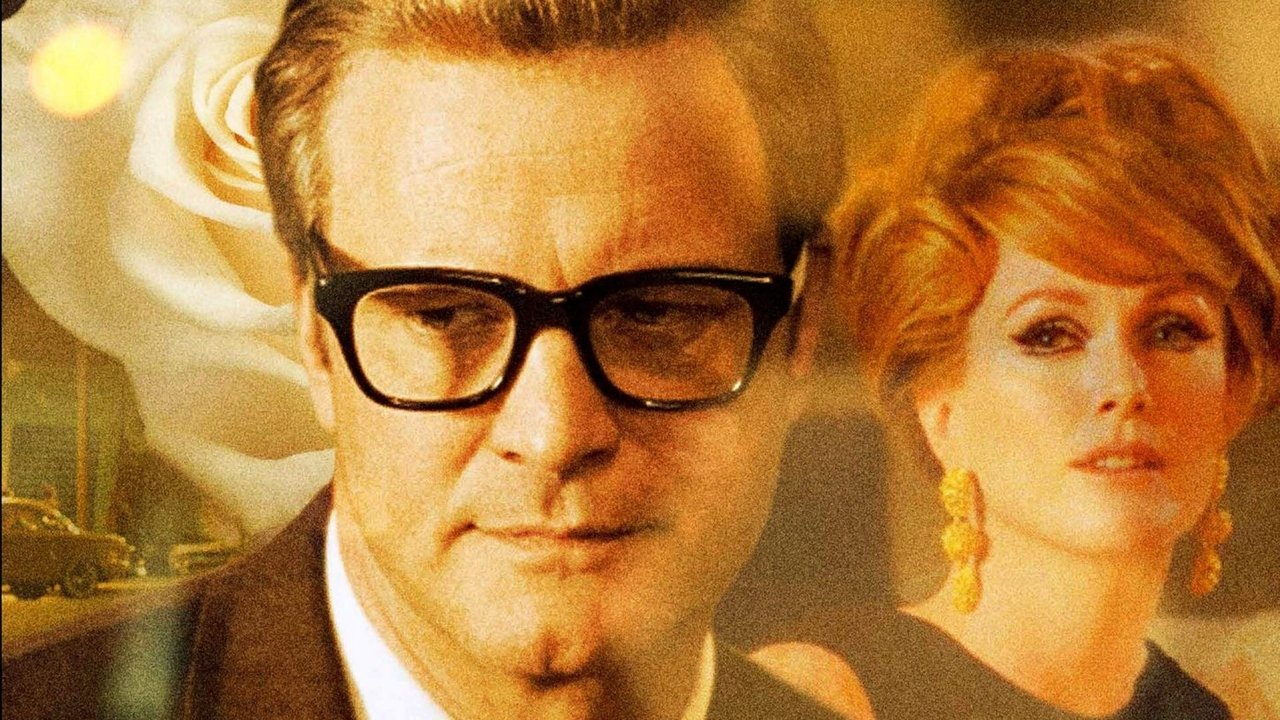
I watched this film on a Tuesday night while my neighbor’s car alarm kept going off every twenty minutes, yet the sheer, hushed intentionality of the frame made the outside world vanish. It’s a film that demands you look at the dust motes in the air and the texture of a perfectly tailored suit.
The Architect of a Broken Heart
We are in 1962 Los Angeles, and the world is holding its breath over the Cuban Missile Crisis. But for George, a British professor played by Colin Firth, the apocalypse has already happened. His partner of sixteen years, Jim (Matthew Goode), died in a car accident, and George is living in a world that refuses to acknowledge his mourning. Because it’s the sixties, his grief is a secret he has to tuck away like a pocket square.
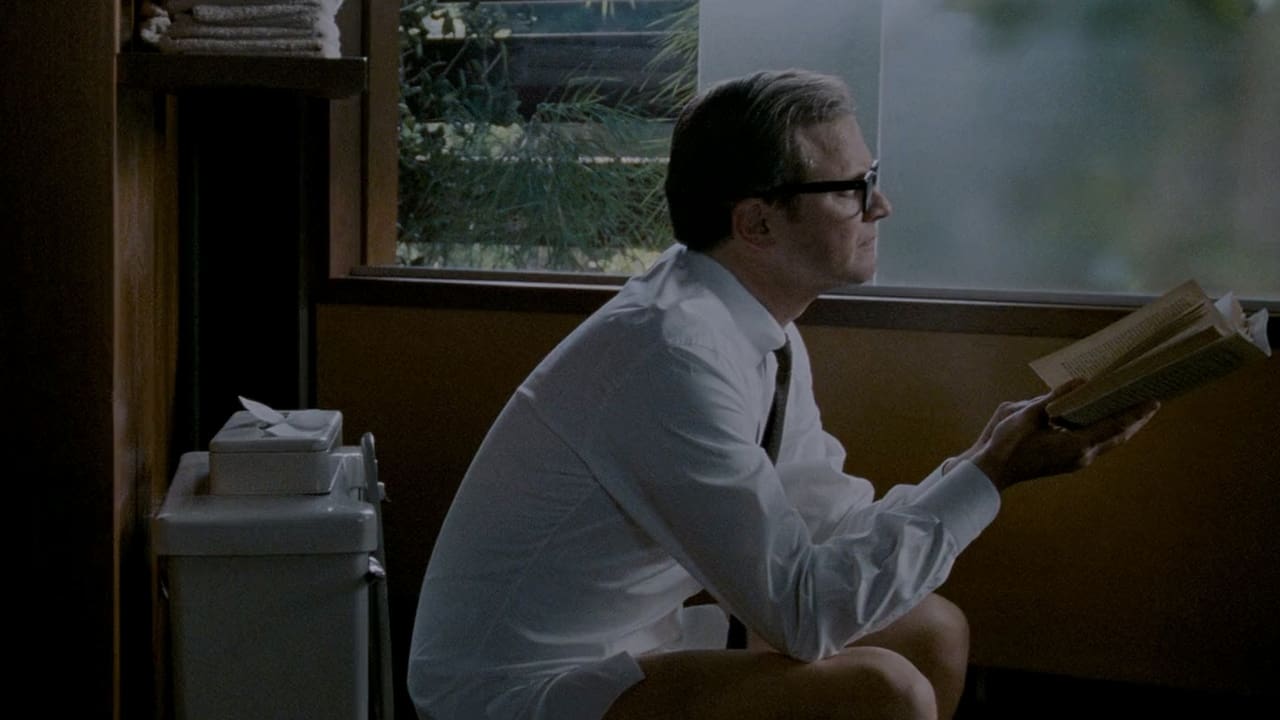
Colin Firth delivers what I genuinely believe is the performance of his career here. Forget the stuttering King; this is a man who is performing "normalcy" while his soul is screaming. There’s a scene early on where he receives the phone call about Jim’s death, and the way his face fractures while he stays perfectly polite is devastating. It’s the kind of acting that doesn't need a monologue to tell you the character is contemplating a revolver in his desk drawer.
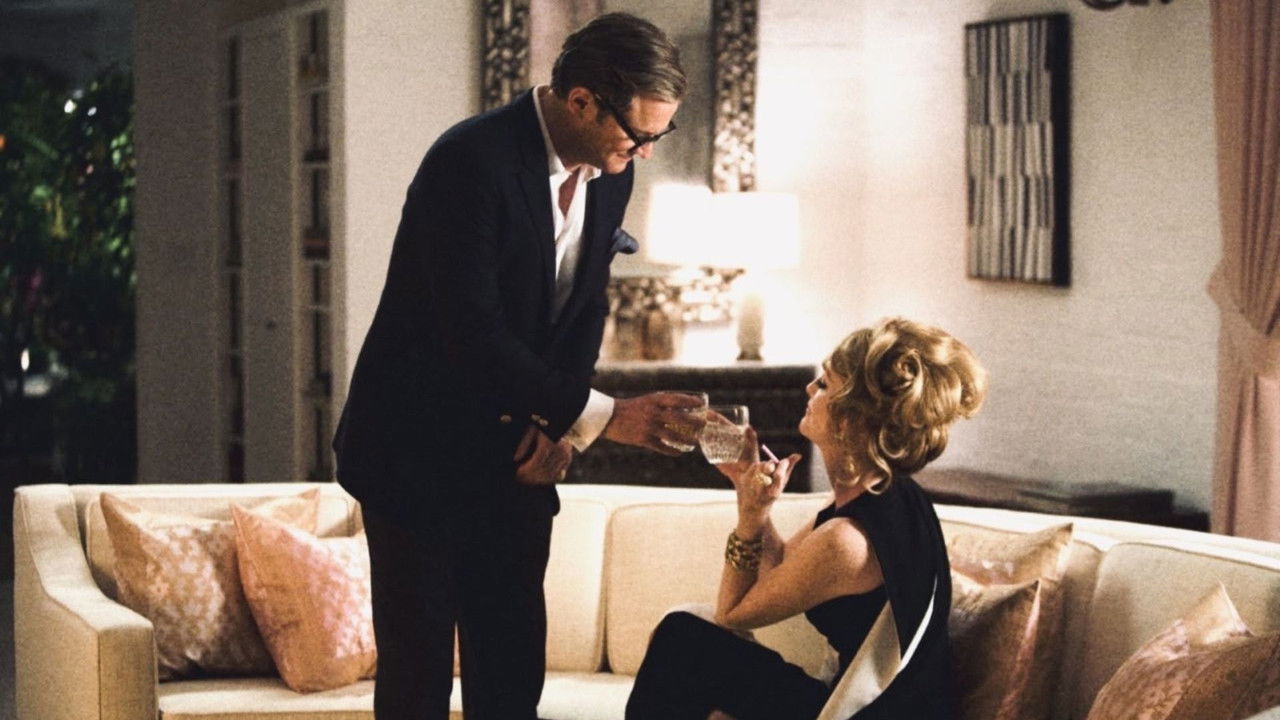
Then you have Julianne Moore as Charley, George’s best friend and a fellow relic of a world that’s moving too fast for her. She is a whirlwind of gin, dramatic eyeliner, and "what could have been" energy. Their scenes together are a masterfully messy look at how two people can love each other deeply while completely failing to save one another. It feels authentic to that specific 2009 window of prestige drama where characters were allowed to be uncomfortably human.
A Designer’s Eye in a Digital Transition
Looking back from our current era of "content" and green-screen sludge, A Single Man feels like a physical object you can touch. Released in 2009, it hit theaters right as the film industry was fully pivoting toward the digital revolution. While James Cameron was launching Avatar and changing the blockbuster landscape forever, Tom Ford was proving that there was still a massive appetite for tactile, indie storytelling.
It’s worth noting that Ford actually self-funded this project. Hollywood saw a story about a grieving middle-aged gay man in the 60s and, unsurprisingly, kept their checkbooks closed. Ford, being the iconoclast he is, put up the $7 million himself. You can see that independence in every frame. He didn't have a committee telling him to pick up the pace or tone down the aesthetic. The movie is essentially a 100-minute perfume ad for sadness, and I mean that as the highest possible compliment.
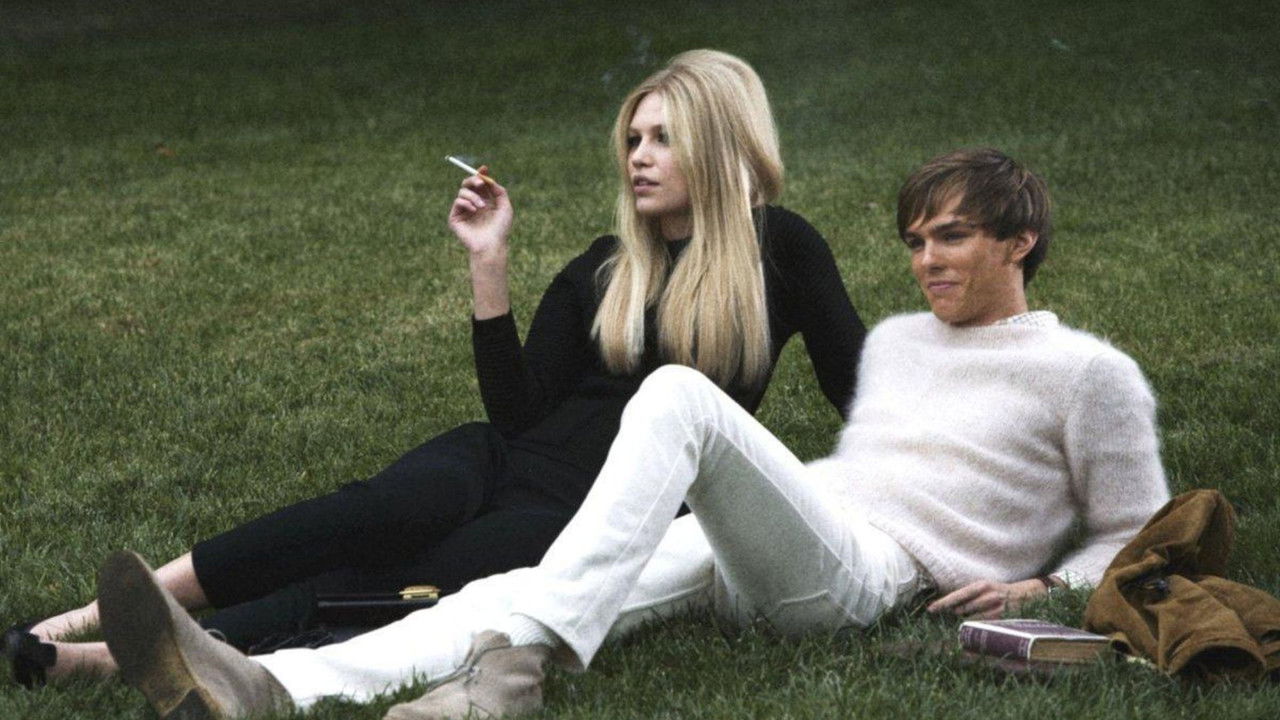
The cinematography by Eduard Grau is a revelation. He uses these tight, shallow-focus shots that make you feel George’s claustrophobia. Even the casting of Nicholas Hoult as Kenny, the student who starts trailing George like a guardian angel (or a temptation), feels deliberate. Hoult, fresh off his Skins fame, has this ethereal, almost alien quality that pierces through George’s gloom. It’s a reminder of that mid-2000s transition where young TV stars were finally being given "serious" cinematic weight.
The Beauty of the Small Things
What keeps this from being a total "misery-fest" is the way it celebrates the sensory world. There’s a sequence where George encounters a Spanish hitchhiker, played by model Jon Kortajarena, outside a liquor store. The way the camera lingers on a cigarette, the sunset, and the sheer charisma of a stranger is a reminder that George—and by extension, the audience—isn't dead yet.
It’s these "half-forgotten" gems from the late 2000s that I find myself returning to. They occupy a space before the MCU-formula completely took over the mid-budget landscape. A Single Man isn't trying to set up a sequel or build a world; it’s trying to capture a single day. Turns out, a single day is more than enough.
This isn't a film you put on in the background while folding laundry. It’s a film you sit with, preferably with a stiff drink and the lights turned low. It manages to take the most "designer" aesthetic possible and find the beating, bleeding heart underneath the starch. Even if the ending feels like a bit of a cosmic shrug, the journey there is one of the most visually stunning things the 2000s ever gave us.
Keep Exploring...
-
Magic in the Moonlight
2014
-
A Lot Like Love
2005
-
Broken Flowers
2005
-

Casanova
2005
-
The Family Stone
2005
-

The New World
2005
-
The Sisterhood of the Traveling Pants
2005
-

A Good Year
2006
-

Little Children
2006
-
Across the Universe
2007
-

Becoming Jane
2007
-
Dan in Real Life
2007
-
Lars and the Real Girl
2007
-
The Nanny Diaries
2007
-
Ghost Town
2008
-

Nick and Norah's Infinite Playlist
2008
-
Two Lovers
2008
-
Wild Child
2008
-
An Education
2009
-
Crazy Heart
2009