After.Life
"Death is only the beginning of the argument."
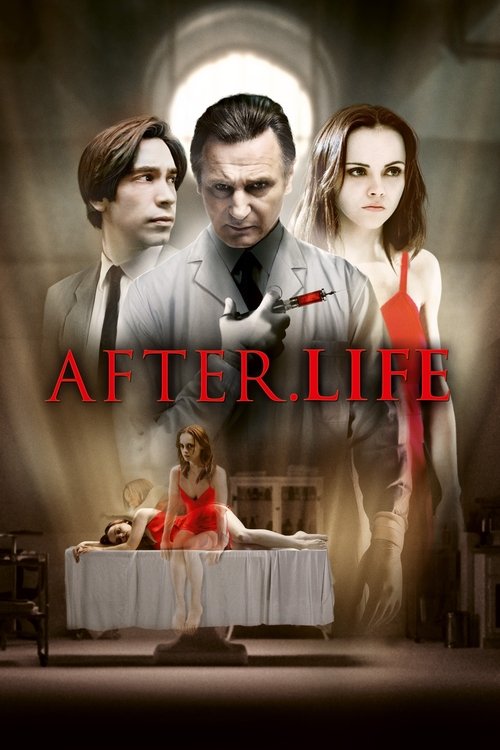
The most terrifying thing about the afterlife isn’t necessarily the hellfire or the void; it’s the possibility that the guy prepping your body for the viewing is a total gaslighter. I remember watching After.Life for the first time on a flight where the woman next to me was aggressively knitting a very long, very grey scarf. Every time the needles clicked, I felt a phantom itch on my own neck, which, honestly, was the perfect sensory accompaniment for a film that treats the human body like a piece of unfinished furniture.
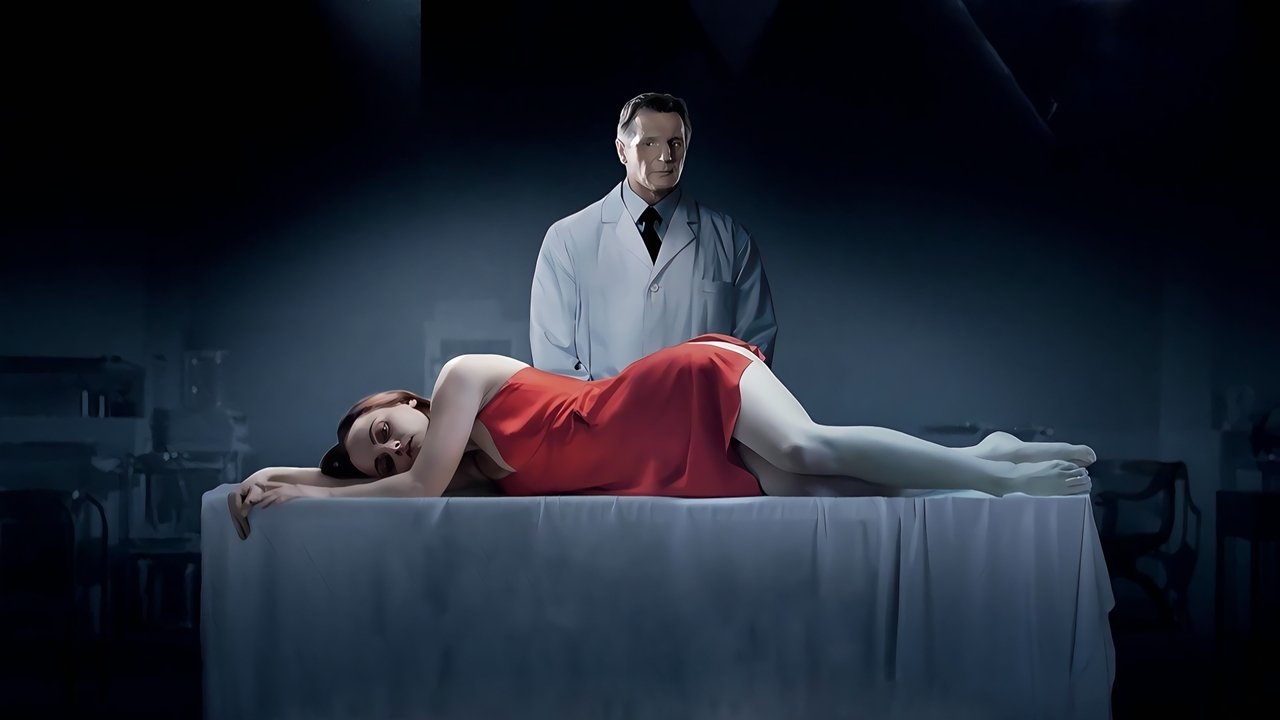
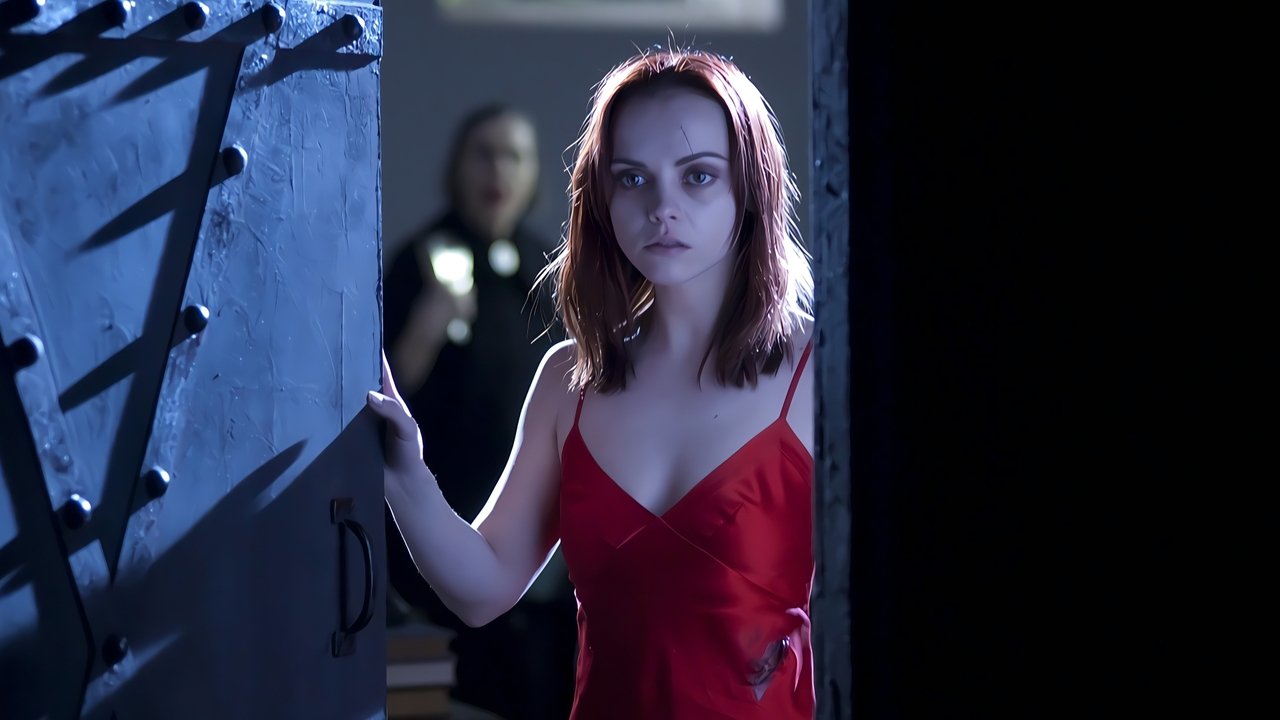
In 2009, we were in a strange pocket of cinema. The "torture porn" wave of the mid-2000s was losing its steam, and indie directors were trying to pivot back toward psychological dread. Enter Agnieszka Wojtowicz-Vosloo, a filmmaker making her feature debut with a premise that is every claustrophobe's nightmare. Christina Ricci plays Anna Taylor, a high-strung teacher who "dies" in a car accident and wakes up on a cold steel table. Standing over her is Eliot Deacon (Liam Neeson), a mortician who claims he has the "gift" of speaking to those in transition. He tells her she’s dead. She feels very much alive. The movie spends the next 100 minutes daring you to figure out who’s telling the truth.
The Quiet Creep of the Mortuary
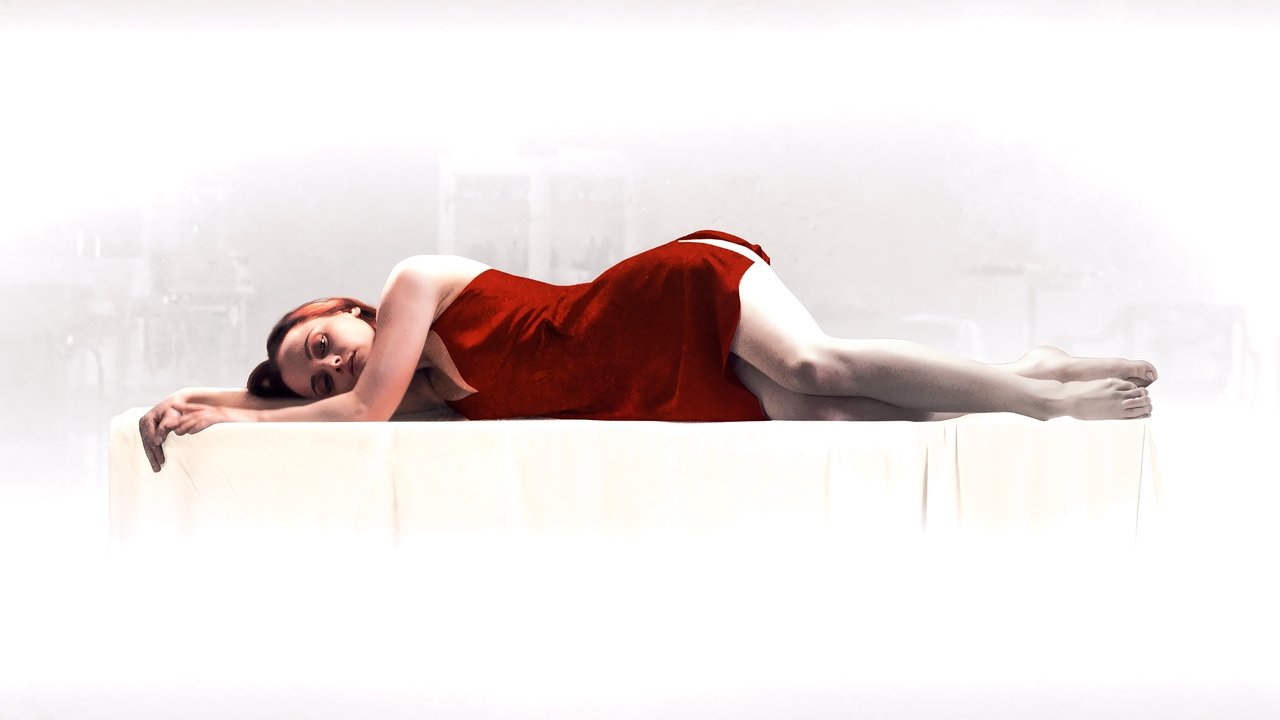
What works immediately is the atmosphere. This is a film that looks like it was shot inside a refrigerated unit. Anastas N. Michos (the cinematographer who also shot Man on the Moon) uses a desaturated, clinical palette that makes the sudden pops of color—specifically Anna’s bright red slip—feel like a scream in a library. It’s a very "late-2000s indie" look, leaning into that high-contrast, slightly digital sheen that flourished just before everyone moved to the warmer, grainier look of the 2010s "elevated horror" boom.
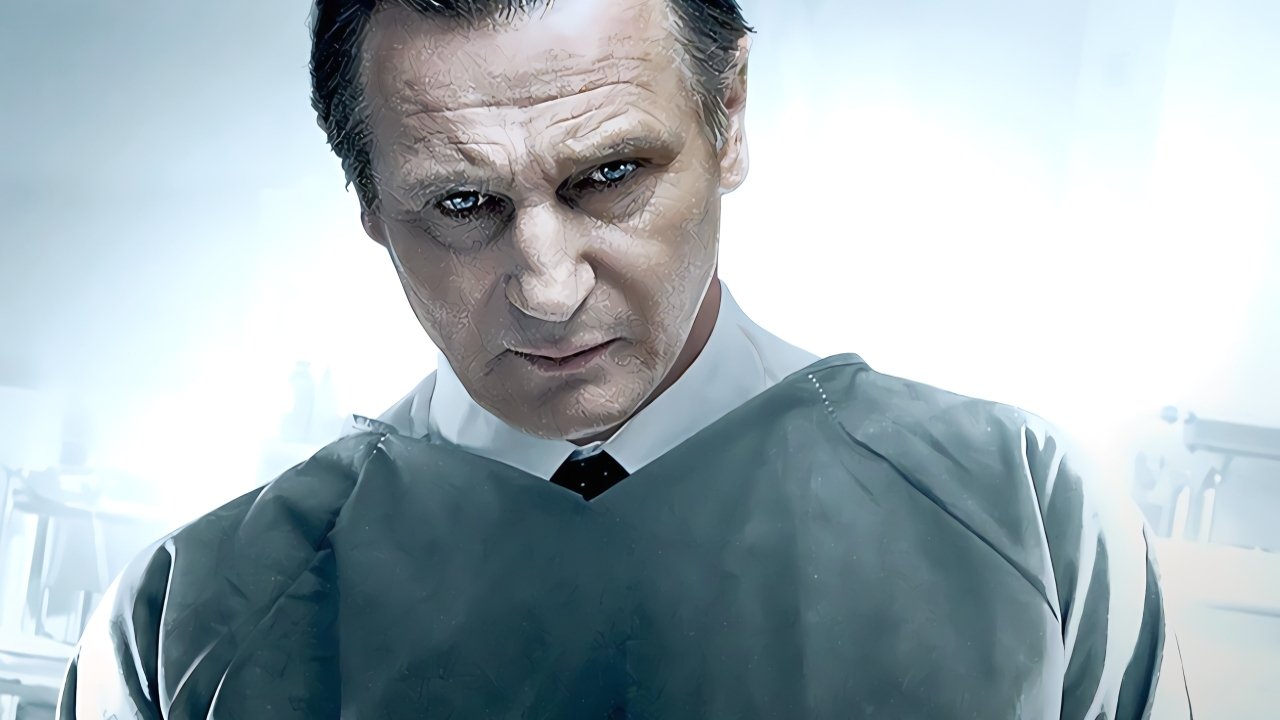
Liam Neeson is the anchor here, and looking back, this was such a pivot. He had just become a global action titan with Taken (2008), but in After.Life, he retreats into a terrifying, soft-spoken stillness. He treats the dead with more tenderness than the living, and there’s something deeply unsettling about watching Qui-Gon Jinn carefully stitch a wound while telling a sobbing woman she’s just a "corpse that doesn't know when to shut up." It’s essentially a 104-minute exercise in professional-grade bullying, and Neeson sells the ambiguity with a poker face that would make a statue sweat.
The Indie Hustle and the "Is She or Isn't She?" Trap
From a production standpoint, this is a fascinating example of what I call the "Mid-Budget Indie Limbo." Produced by Celine Rattray, who has a knack for getting tricky projects off the ground (The Kids Are All Right), the film clearly punched above its weight class with the cast. They had a modest $4.5 million budget, which meant they couldn't rely on grand set pieces. Instead, they relied on the psychological friction between Christina Ricci and Neeson.
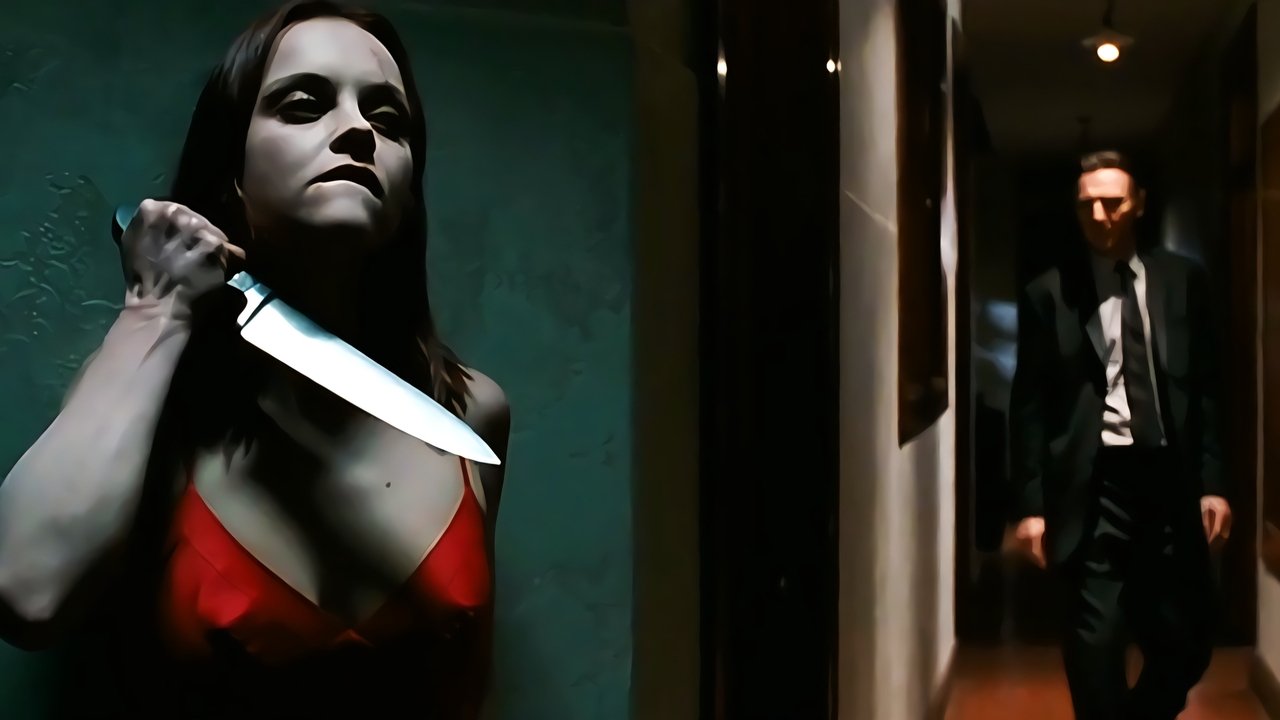
Ricci is a veteran of the "weird and macabre" (The Addams Family, Sleepy Hollow), and she plays Anna with a brittle, haunting vulnerability. However, the film struggles with its own mystery. About halfway through, I found myself less interested in whether she was actually dead and more annoyed by Justin Long, who plays her grieving boyfriend, Paul. Long is an actor I usually find incredibly relatable, but here he’s tasked with the "frantic investigator" trope, and the script doesn't give him enough to do besides look stressed-out in various hallways.
The film's biggest hurdle is that it tries to be two things at once: a literal horror story about a serial killer and a metaphorical drama about a woman who never truly lived. By trying to have its funeral cake and eat it too, the movie occasionally trips over its own shroud. If she's dead, the stakes feel weirdly low; if she's alive, the logic of how Neeson keeps her "dead" requires a massive suspension of disbelief.
Stuff You Didn't Notice
One of the more interesting behind-the-scenes bits is how much the film relies on practical makeup rather than the CGI that was starting to take over the genre at the time. The cuts and bruises on Ricci were meticulously applied to look like "post-mortem" settling, which adds a layer of tactile grossness that holds up surprisingly well. Also, keep an eye out for a young Chandler Canterbury as Jack, the creepy kid who may or may not be Deacon’s protégé. The film captures that Y2K-era obsession with "creepy kids who know too much" that we saw everywhere from The Sixth Sense to The Ring.
Looking back at this era through the lens of DVD culture, this was a prime "blind buy" at a Blockbuster. It had the star power, the moody cover art, and the kind of "did you get the ending?" hook that fueled internet message boards for weeks. While it doesn't quite reach the heights of the psychological thrillers it's emulating, it remains a fascinating, chilly curiosity for fans of the "trapped in a room" subgenre.
If you’re in the mood for a movie that feels like a cold compress on a feverish forehead, After.Life is worth a look, if only for Neeson's chillingly calm performance. It’s a reminder of a time when indie horror was trying to find a new voice between the gore of the 2000s and the art-house prestige of the 2010s. It’s flawed, frustrating, and arguably makes no sense by the time the credits roll, but it’ll definitely make you think twice before signing an organ donor card.
Keep Exploring...
-
The Skeleton Key
2005
-
Untraceable
2008
-
The Last Exorcism
2010
-

Red Riding Hood
2011
-
The Girl Who Played with Fire
2009
-
Rubber
2010
-
The Awakening
2011
-

The Gift
2000
-
What Lies Beneath
2000
-
The Village
2004
-
Inland Empire
2006
-

The Invasion
2007
-
Chloe
2010
-
The Hole
2001
-

Sinister
2012
-
You're Next
2013
-
Shutter
2004
-
The Forgotten
2004
-
The Grudge
2004
-
Flightplan
2005