Antichrist
"Grief has teeth, and nature is a cruel god."
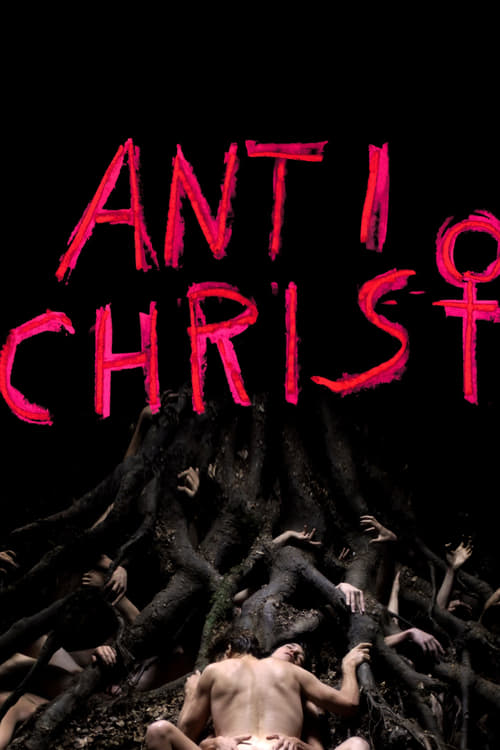
I distinctly remember watching the first five minutes of Antichrist for the first time. I was sitting on my couch with a lukewarm cup of peppermint tea—a wildly inappropriate beverage for what was about to happen—and I thought I was watching a high-end perfume commercial. It’s all black-and-white, ultra-slow-motion, set to the soaring operatic heights of Handel’s Rinaldo. It’s gorgeous. It’s hypnotic. And then, while the parents are distracted, a toddler climbs out a window and falls into the snow.

That’s Lars von Trier in a nutshell: he lures you in with world-class beauty just so he can punch you in the soul.
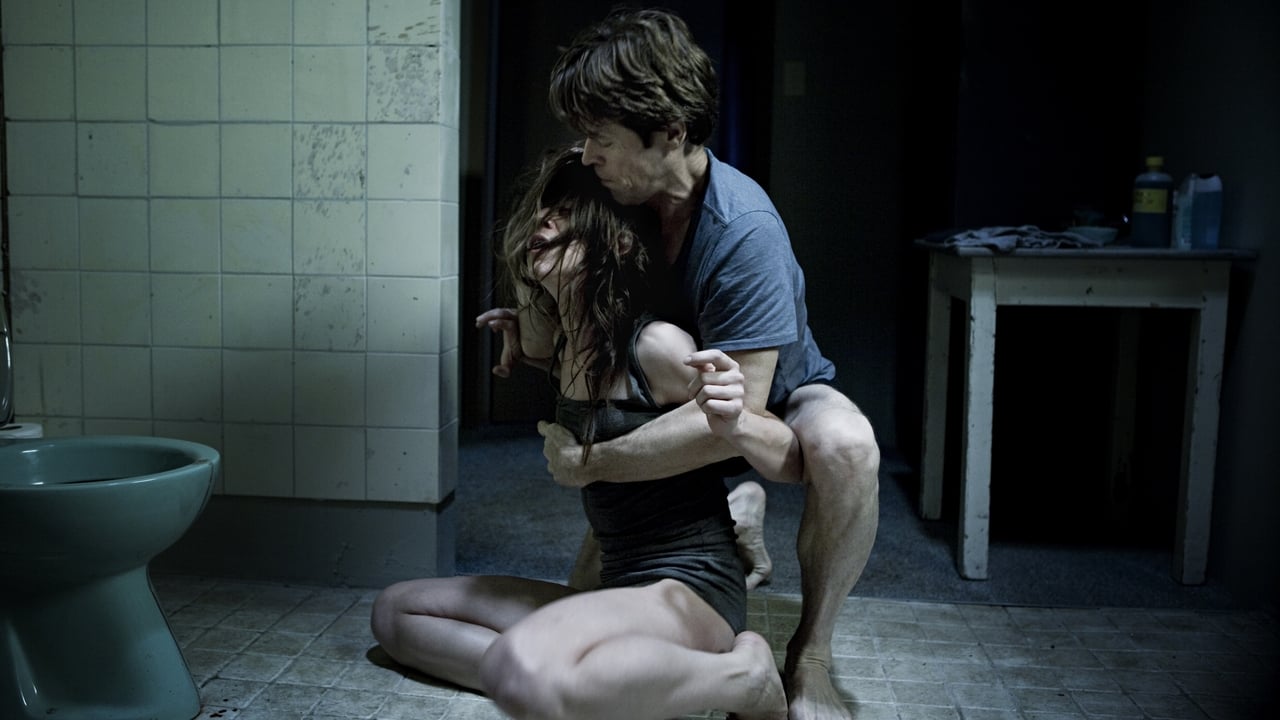
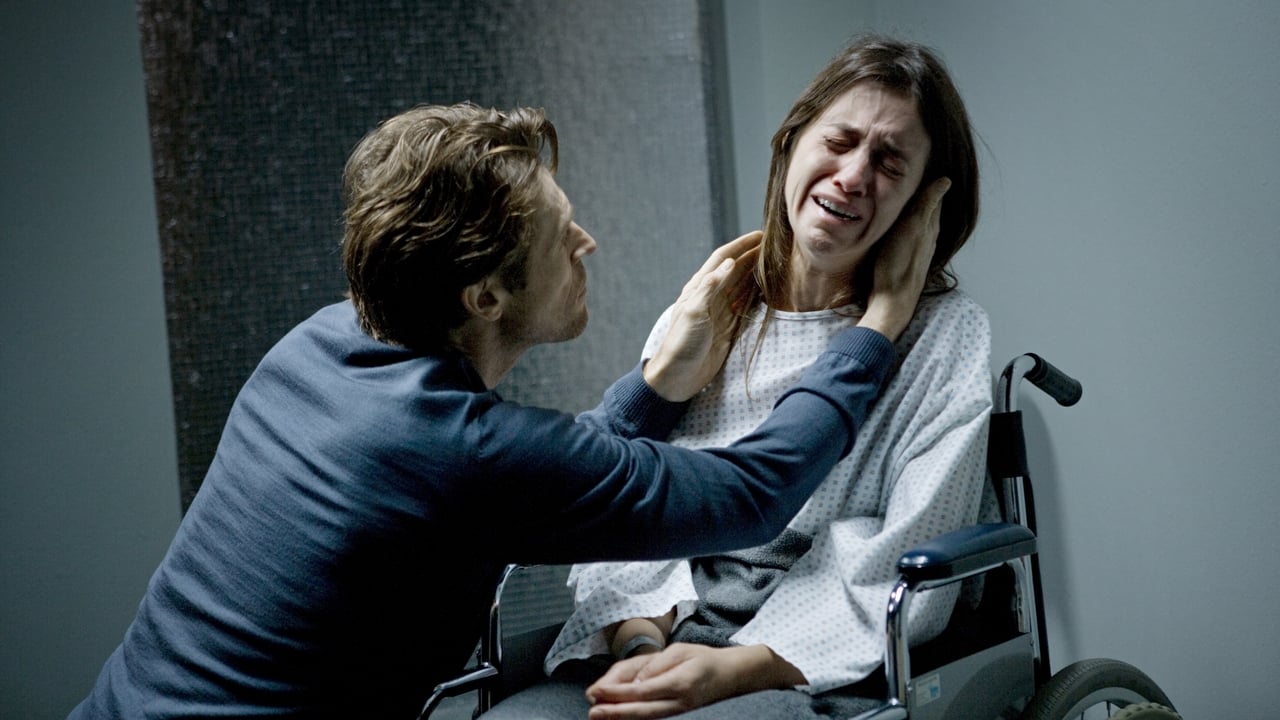
Released in 2009, Antichrist arrived at a weird crossroads in cinema. We were moving away from the "torture porn" trend of the mid-2000s (Saw, Hostel) and into a more "elevated" art-house horror space. This film was the opening salvo of that shift. It’s a movie that people don't just "watch"; they survive it. It's a two-hander featuring Willem Dafoe and Charlotte Gainsbourg as a couple retreating to a cabin in the woods (ominously named "Eden") to process the death of their son. He’s a therapist who thinks he can "fix" her grief; she’s a woman spiraling into a terrifying, primal realization about the nature of the world.
The Beauty of the Nightmare
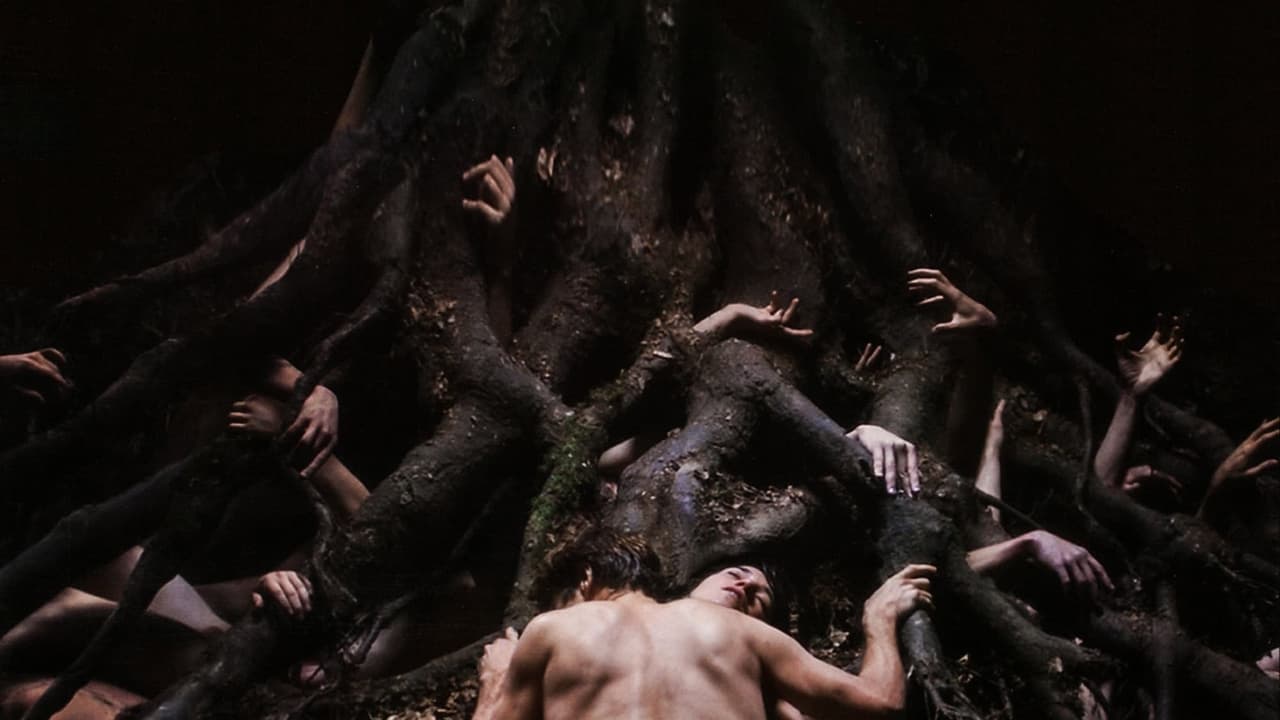
If you can look past the legendary moments of body horror—and believe me, I know that’s a big "if"—this is one of the most visually stunning films of the 2000s. Anthony Dod Mantle, the cinematographer who shot Slumdog Millionaire and 28 Days Later, uses these high-speed Phantom cameras to make the forest look alive. Everything feels damp, heavy, and rotting.
I’ve always felt that the "horror" here isn’t about jump scares. There are no masked killers. The monster is the woods themselves, or rather, the idea that nature is "Satan’s church." There’s a specific sound design choice where acorns pelt the roof of the cabin like bullets, and it creates this constant, low-level anxiety that never lets up. It’s the kind of movie where even the grass looks like it’s plotting against you. It’s the most beautiful movie you’ll ever want to throw in a woodchipper.

Performances from the Edge
Let’s talk about Charlotte Gainsbourg. She won Best Actress at Cannes for this, and she earned every bit of it. She has to go from catatonic grief to a state of literal, terrifying possession—not by a demon, but by her own crumbling psyche. Willem Dafoe (the man who seemingly never says no to a challenge, whether it’s Spider-Man or The Lighthouse) plays the ultimate "arrogant man." He thinks logic and CBT exercises can cure a broken heart. Watching his smug rationality get dismantled by the sheer chaos of the forest is both hard to watch and weirdly satisfying.
Apparently, the production was just as intense as the film. Lars von Trier was reportedly suffering from a deep clinical depression during filming, often standing behind the monitor shaking so hard he couldn't hold his coffee. You can feel that on the screen. It doesn't feel like a movie made by a healthy person, and I mean that as a compliment to its effectiveness. It’s a transmission from the bottom of a very dark well.
Chaos Reigns (and Other Trivia)
The film is famous (or infamous) for a few things that have since entered the "Cult Classic" hall of fame. First, there’s the fox. If you haven't seen it, there’s a scene where Willem Dafoe encounters a fox in the woods that is eating its own entrails. It looks at him and croaks out the line, "Chaos reigns." At my first viewing, half the room gasped and the other half laughed. It’s peak Von Trier—simultaneously profound and ridiculous.
Here are a few bits of "Eden" trivia to chew on:
The "Chaos Reigns" fox was actually an animatronic puppet, though it looked unsettlingly real. The voice was provided by a performer who had to record the line dozens of times to get that specific, gravelly "death rattle" sound. Because the film features some... let's say extreme anatomical close-ups, body doubles were used. There’s a long-standing Hollywood rumor that Willem Dafoe had to have a "stunt" double for a specific shot because his actual equipment was, uh, "confusingly large" and would have distracted the audience. The film was so controversial at Cannes that the "Ecumenical Jury" (which usually gives awards for spiritual merit) created a special "Anti-Award" just to denounce it. Nothing sells a movie to horror fans faster than a formal denunciation from a religious jury. The prologue was shot at 1,000 frames per second. For context, a normal movie is 24 frames per second. That’s why the falling snow looks like floating diamonds.
Look, Antichrist isn't for everyone. If you’re looking for a "fun" night in, this is the equivalent of a punch to the throat. But as a piece of pure, uncompromising filmmaking, it’s staggering. It captures that 2000s transition where digital cameras finally started looking better than film, and it uses that clarity to show us things we probably shouldn't see. It’s a ghost story where the ghost is your own shadow, and it’s a horror film that refuses to give you the relief of a happy ending. Just... maybe skip the peppermint tea.
Keep Exploring...
-
Melancholia
2011
-

The House That Jack Built
2018
-
Dogville
2003
-
The Skeleton Key
2005
-
Martyrs
2008
-
The Rite
2011
-
The Skin I Live In
2011
-
Stoker
2013
-

Nymphomaniac: Vol. I
2013
-
Nymphomaniac: Vol. II
2013
-
Breaking the Waves
1996
-
Funny Games
1997
-
The Exorcism of Emily Rose
2005
-
Inland Empire
2006
-
The Last House on the Left
2009
-
Thirst
2009
-

Red Riding Hood
2011
-
Take Shelter
2011
-
The Woman in Black
2012
-
The Orphanage
2007