Arthur and the Revenge of Maltazard
"Small world, big budget, and a cliffhanger that stings."
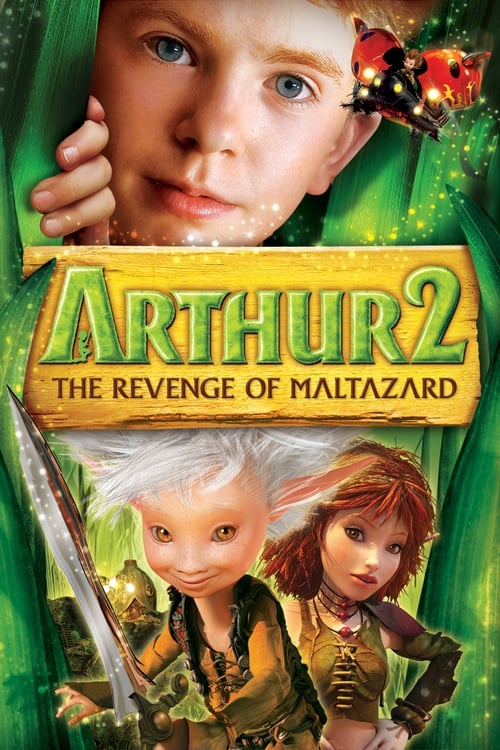
If you looked at Luc Besson’s filmography in the late 2000s without knowing his history, you’d be forgiven for thinking the man had undergone a total personality transplant. This is the director who gave us the gritty, blood-soaked streets of Léon: The Professional (1994) and the neon-drenched space opera of The Fifth Element (1997). Yet, by 2009, he was knee-deep in the world of the Minimoys—tiny, big-eared CGI creatures living in a backyard. I watched Arthur and the Revenge of Maltazard on a flight to Chicago while the person in the middle seat was aggressively knitting a neon green scarf, and the rhythmic clicking of their needles felt strangely appropriate for a movie that feels so much like a mechanical exercise in franchise-building.

Looking back, Revenge of Maltazard sits at a fascinating crossroads of cinematic history. Released in 2009—the same year James Cameron’s Avatar redefined what digital environments could be—this sequel arrived with an $87 million price tag and the weight of a planned trilogy on its shoulders. While the first film was a surprise hit in France, the sequel became a cautionary tale about the perils of "middle-chapter syndrome" and the era's obsession with back-to-back production schedules.
The Great Minimoy Bait-and-Switch
The biggest hurdle for anyone revisiting this film today is the title itself. It’s a total misnomer. For a movie called The Revenge of Maltazard, the titular villain—voiced with a gravelly, menacing cool by the legendary Lou Reed—doesn't actually do much of anything until the final ten minutes. Instead, we spend a grueling amount of time in the live-action world with a teenage Freddie Highmore (well before his Bates Motel days) as he waits for the moon to align so he can shrink back down to size.
There is a sense of "adventure" here, but it’s remarkably low-stakes for a high-budget fantasy. Arthur spends the bulk of the runtime navigating the underworld of "Paradise Alley," which looks like a cross between a 1920s jazz club and a laser tag arena. I found myself wondering if the production designer had a secret side-hustle designing European nightclubs. The film leans heavily into the 2000s trend of casting pop stars in voice roles to ensure soundtrack sales; we get Snoop Dogg as a weed-adjacent Minimoy named Max and Fergie as Replay. It’s an odd, dated flavor of "cool" that feels very specific to the pre-streaming era, where celebrity cameos were the primary currency of animated marketing.
A Time Capsule of the CGI Revolution
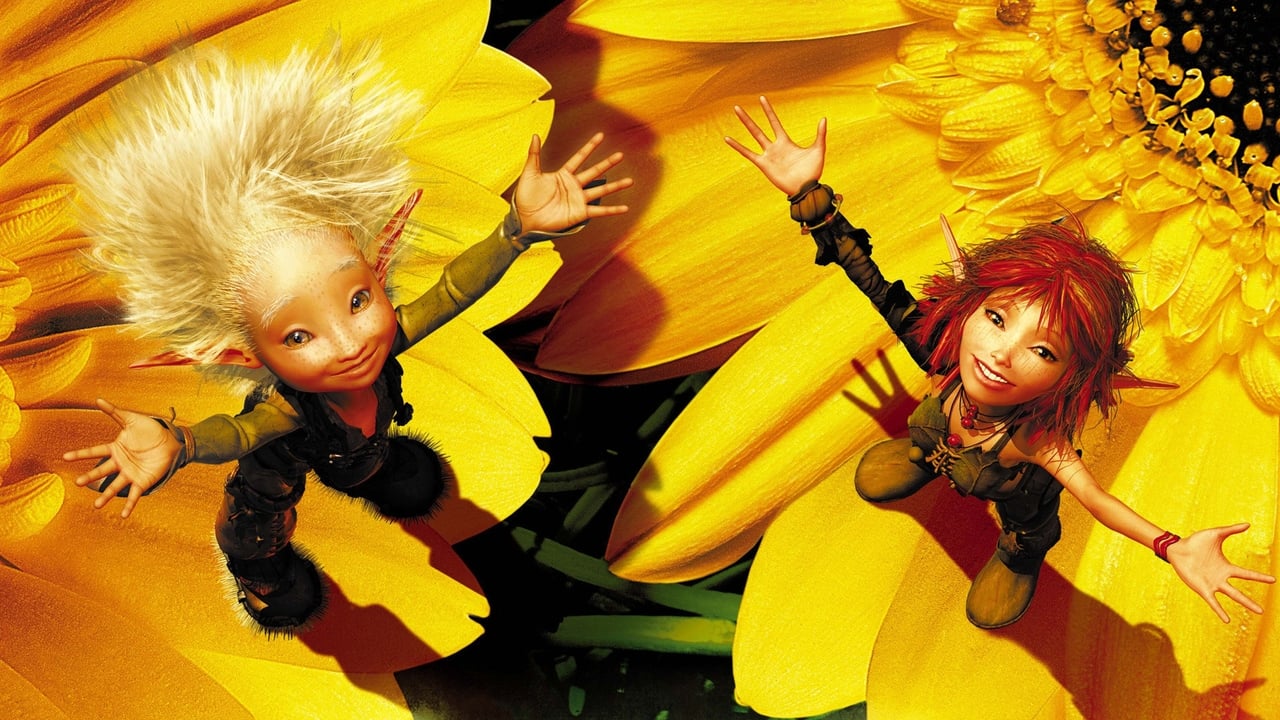
Technically, the film is an interesting relic. Luc Besson has always had an incredible eye for visuals, and even though the "uncanny valley" of 2009 CGI is present, the world-building is undeniably creative. The way the film blends the live-action performances of Mia Farrow (as the long-suffering Granny) and Robert Stanton with the digital environments still has a certain tactile charm. It’s that transitional period where filmmakers were realizing they could build anything, but hadn't quite figured out if they should.
The cinematography by Thierry Arbogast, a long-time Besson collaborator who shot the gorgeous Le Femme Nikita (1990), gives the live-action segments a warm, golden-hour glow that contrasts sharply with the hyper-saturated, plastic look of the Minimoy world. It’s a deliberate choice, but it highlights the disjointed nature of the film. One minute you’re watching a gentle family comedy featuring Ron Crawford, and the next you’re in a frenetic, digital fever dream. This was the era of the "frantic camera," where the newfound freedom of virtual cinematography meant the "lens" never stayed still for a second, a trend that hasn't aged nearly as well as the practical effects of the decades prior.
The Cliffhanger That Time Forgot
The real reason Revenge of Maltazard faded into obscurity, however, isn't the CGI or the Snoop Dogg cameos—it’s the structure. Besson filmed this and the third installment, The Two Worlds War, simultaneously. As a result, this movie doesn't have an ending; it just stops. It’s essentially a 90-minute trailer for a movie that doesn't start until the credits roll.

In 2009, the "Part 1 of 2" trend was just starting to fatigue audiences (think Pirates of the Caribbean: Dead Man's Chest or the later Harry Potter split). When you’re a massive blockbuster, you can get away with a cliffhanger. When you’re a niche European-funded fantasy about a boy in a red tracksuit, audiences are less forgiving. It’s a shame, because there are flashes of genuine wonder here. The sequence where Arthur travels via a "spider-transit" system is creative, and the scale shifts—making a blade of grass look like a skyscraper—are handled with a sense of scale that early 3D cinema thrived on.
Ultimately, Arthur and the Revenge of Maltazard is a lavishly produced bridge to nowhere. It captures a specific moment in the late 2000s when European cinema was trying to beat Hollywood at its own high-tech game, resulting in a film that is too weird for American mainstream tastes but too commercial to be a true "art" film. It’s a curiosity for Besson completionists or those who want to see Freddie Highmore in his awkward transitional phase between child star and leading man. If you’re going to dive in, just make sure you have the third film queued up immediately after, or you’ll be left wondering why you just spent an hour and a half watching a kid wait for the moon to move.
Keep Exploring...
-
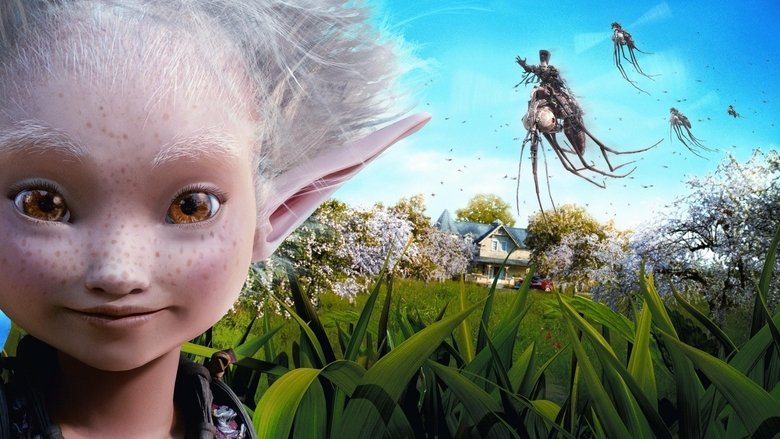
Arthur 3: The War of the Two Worlds
2010
-

Arthur and the Invisibles
2006
-

The Ant Bully
2006
-
Shrek the Halls
2007
-
The Extraordinary Adventures of Adèle Blanc-Sec
2010
-

The Swan Princess
1994
-
Shrek the Third
2007
-
Shrek Forever After
2010
-
The Smurfs
2011
-
The Messenger: The Story of Joan of Arc
1999
-
The Tale of Despereaux
2008
-
Race to Witch Mountain
2009
-

Yogi Bear
2010
-
Tinker Bell
2008
-
Tarzan II
2005
-
Valiant
2005
-

Brother Bear 2
2006
-
Tales from Earthsea
2006
-
TMNT
2007
-
Nim's Island
2008