Avatar
"A sensory immersion that redrew the map of what cinema could physically be."
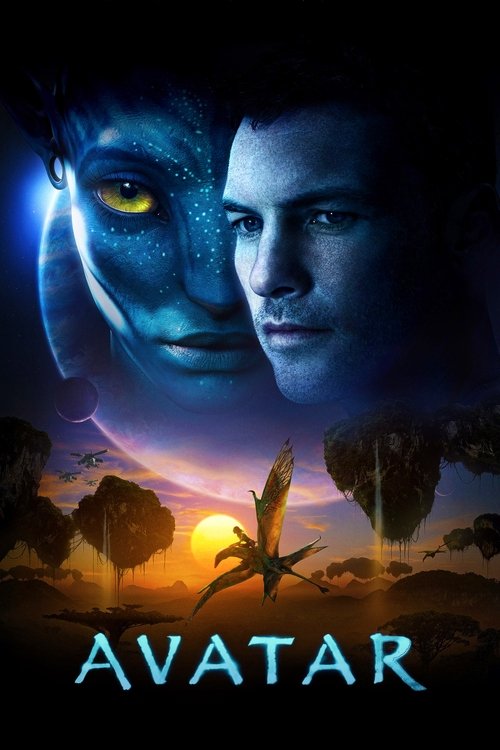
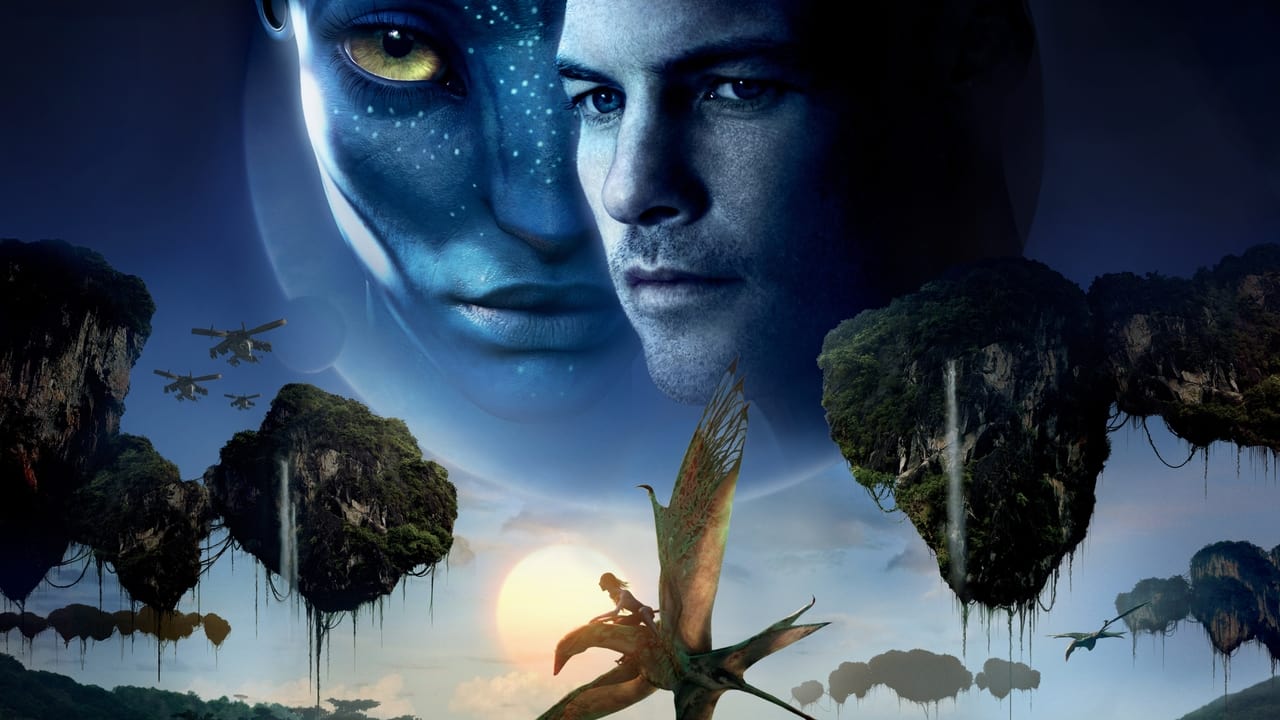
Imagine the hush in the theater in December 2009 when the screen finally bloomed into a pulsating, bioluminescent indigo. After a twelve-year sabbatical from narrative features, James Cameron didn't just return to the director's chair; he flipped the table, redesigned the room, and invited us into a world that felt more tangible than the sticky floor beneath our feet. We weren't just watching a movie; we were being baptized in a new digital religion.
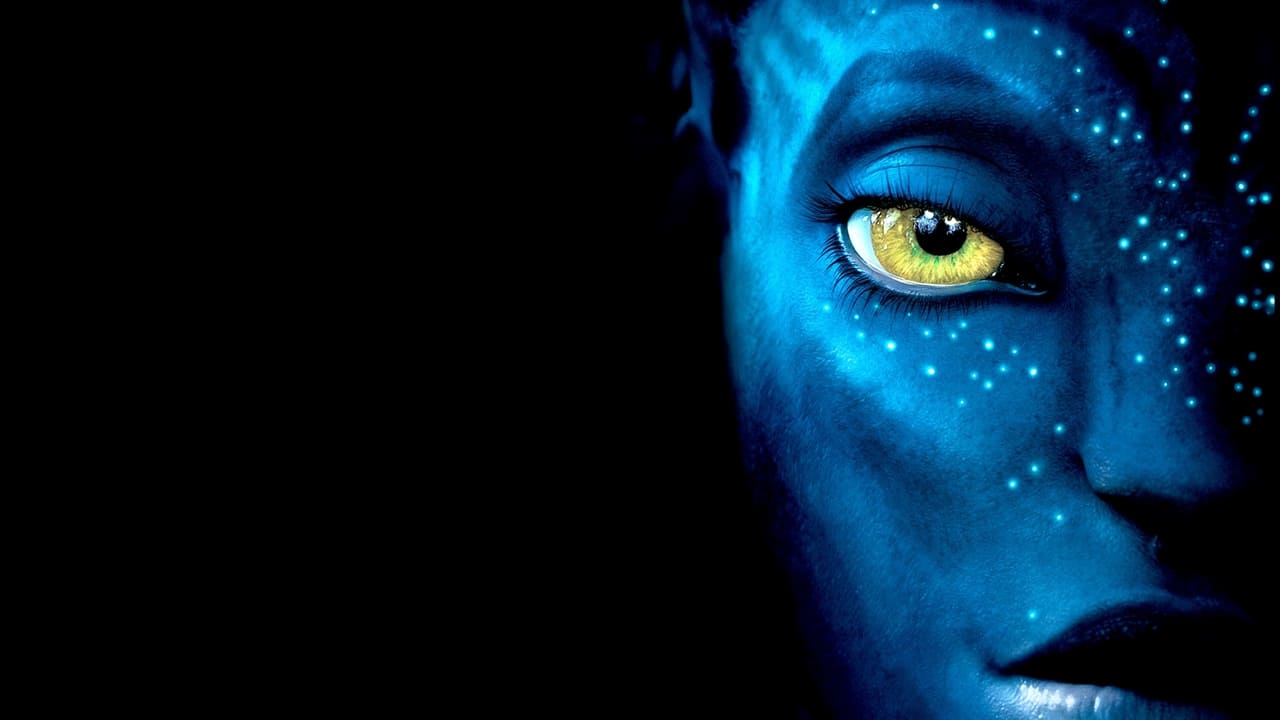
Through the Looking Glass
Looking back from an era where CGI is often used as a crutch for lackluster storytelling, it's easy to forget how much of a "seeing is believing" moment Avatar truly was. Before the MCU dominated every screen with green-screen fatigue, James Cameron—the man who gave us the T-1000 in Terminator 2: Judgment Day (1991) and the sinking majesty of Titanic (1997)—pushed the industry into a forced evolution. He waited years for technology to catch up to his vision, specifically the development of performance capture that could translate the micro-expressions of a human face onto a ten-foot-tall blue alien.
The result was Zoe Saldaña. As Neytiri, she provided the heartbeat of the film. While Sam Worthington does the heavy lifting as the audience surrogate Jake Sully, Saldaña's performance proved once and for all that digital "makeup" didn't stifle acting—it amplified it. When her ears twitch or her pupils dilate in anger, the "uncanny valley" that haunted early 2000s experiments like The Polar Express (2004) was finally bridged. It remains one of the most vital performances of the digital age.
The Jungle of Ones and Zeros
The action in Avatar is a masterclass in spatial awareness. While many modern blockbusters devolve into "pixel vomit" during the third act, Cameron maintains a rigorous sense of geography. Whether it's the terrifying, high-speed chase through the Pandoran undergrowth involving a Thanator or the aerial dogfights among the floating Hallelujah Mountains, you always know exactly where the characters are in relation to the threat.
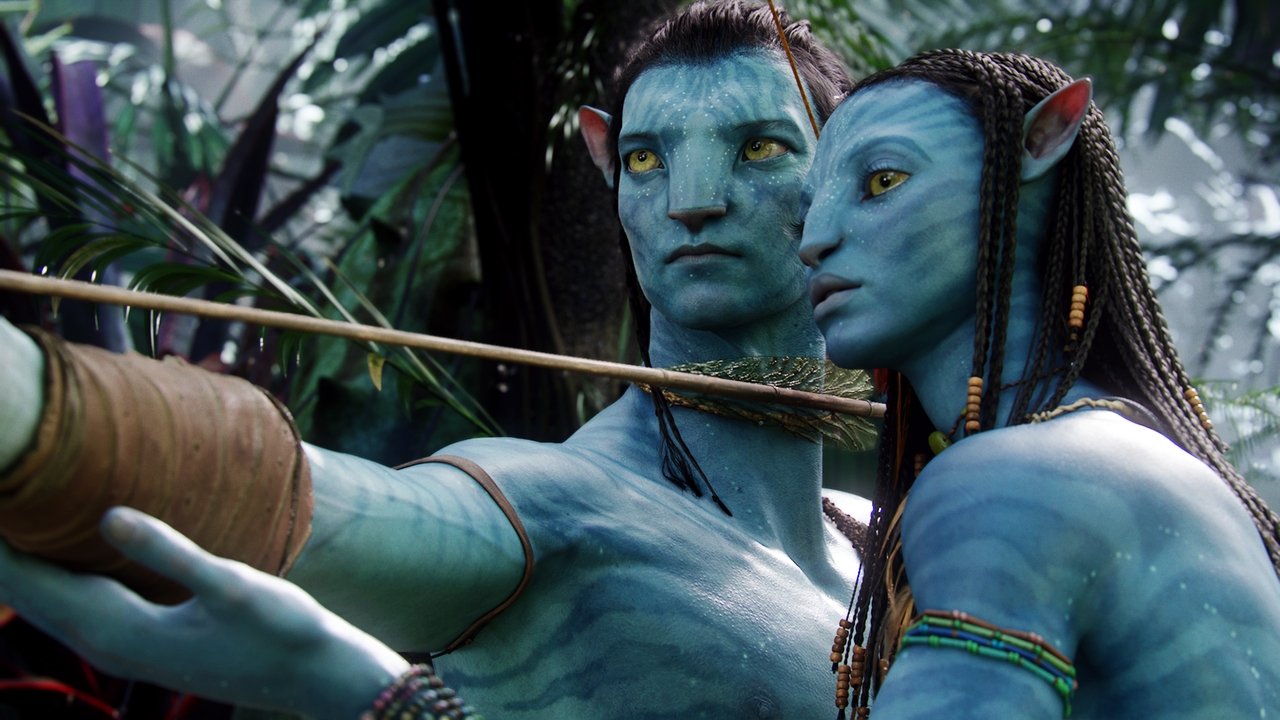
The "Battle for Pandora" climax is a spectacular collision of hardware and heart. On one side, you have the Dragon Assault Ship and the AMP suits—industrial, jagged, and unmistakably human. On the other, the organic, soaring grace of the Ikran riders. The sound design here is particularly visceral; the heavy thud of the mech-suits hitting the jungle floor provides a terrifying contrast to the whistling arrows of the Na'vi. It's a sequence that earns its scale, escalating from a desperate guerrilla skirmish to a planetary-wide insurrection.
A General and a Goddess
While the plot often draws comparisons to Dances with Wolves (1990) or FernGully (1992), the archetypes work because the casting is impeccable. Stephen Lang as Colonel Miles Quaritch is the ultimate post-9/11 military antagonist—all scars, coffee, and "shock and awe" rhetoric. He is a terrifyingly grounded presence in a world of floating rocks.
Then there's the return of the queen herself, Sigourney Weaver. Reuniting with Cameron decades after they redefined the action heroine in Aliens (1986), Weaver brings a much-needed intellectual cynicism to the proceedings as Dr. Grace Augustine. Her presence anchors the film's scientific curiosity, ensuring the "Science Fiction" label isn't just a backdrop for explosions, but a genuine exploration of biology and connection.
The $2.9 Billion Watercooler
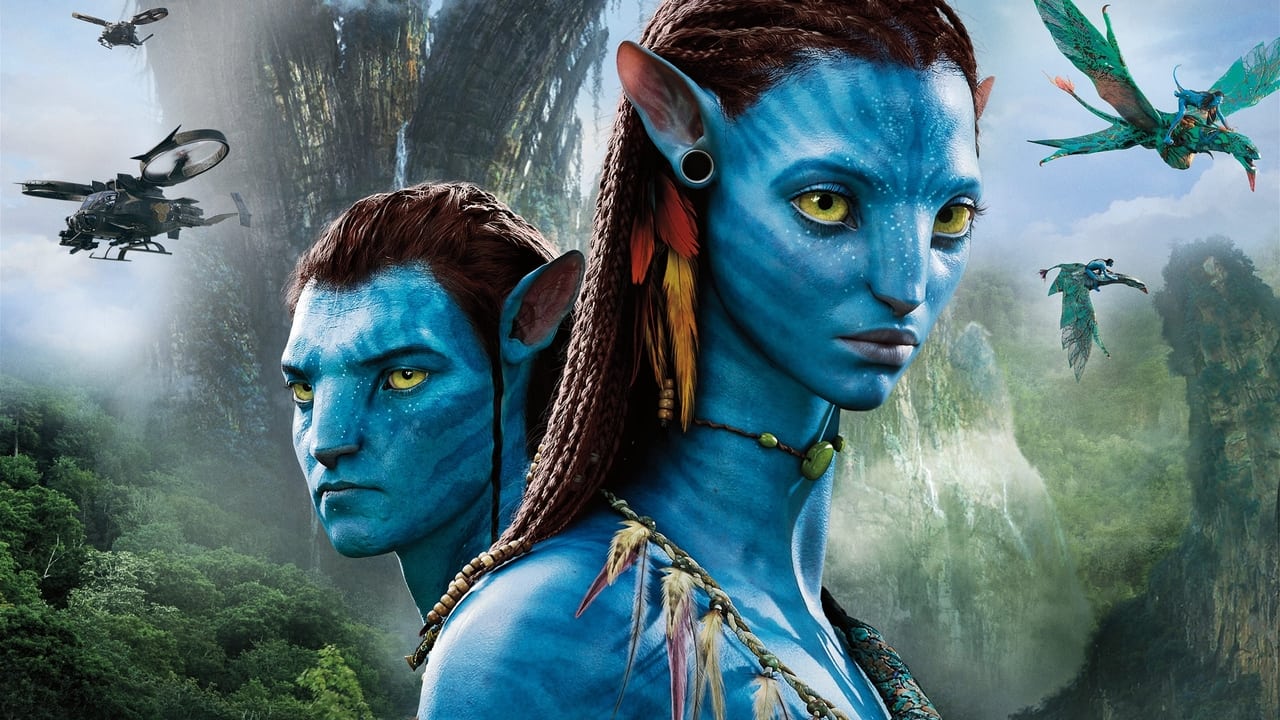
The cultural footprint of Avatar is a strange beast. People often joke that "nobody can name three characters," yet the film remains the highest-grossing movie of all time (unadjusted), raking in a staggering $2,923,706,026. It didn't just break records; it broke the industry's business model. It launched the 3D boom that dominated the 2010s and forced theaters worldwide to upgrade their digital projection systems.
Behind the scenes, the scale was legendary. The production involved a 60/40 split between CGI and live-action, with James Cameron using a "virtual camera" that allowed him to see the digital environment in real-time while shooting. The marketing campaign was a behemoth, turning "Pandora" into a household name before a single ticket was sold. Even the Na'vi language wasn't just gibberish; Cameron hired linguist Paul Frommer to create a fully functional language with its own grammar and syntax.
Revisiting Avatar today, outside the hype of the 3D glasses and the IMAX screens, reveals a film that is surprisingly earnest. It's a big, loud, environmentalist manifesto wrapped in the skin of a pulp adventure. While the "unobtanium" of it all might elicit a chuckle, the sheer craftsmanship on display—from Mauro Fiore's lush cinematography to James Horner's haunting, ethnoworld score—is undeniable. It represents the peak of the "event movie," a time when a single vision could mobilize thousands of artists and billions of dollars to create something that actually looked like nothing we'd ever seen before.

Keep Exploring...
-

Avatar: The Way of Water
2022
-
Avatar: Fire and Ash
2025
-
Terminator 2: Judgment Day
1991
-
Justice League: The Flashpoint Paradox
2013
-

Spider-Man 2
2004
-

Star Wars: Episode III - Revenge of the Sith
2005
-

Pirates of the Caribbean: Dead Man's Chest
2006
-
Pirates of the Caribbean: At World's End
2007
-
Transformers
2007
-
Iron Man
2008
-
Inception
2010
-

Iron Man 2
2010
-

The Amazing Spider-Man
2012
-

The Avengers
2012
-
The Hobbit: An Unexpected Journey
2012
-

The Hunger Games
2012
-
Iron Man 3
2013
-

The Hobbit: The Desolation of Smaug
2013
-

The Hunger Games: Catching Fire
2013
-
Captain America: The Winter Soldier
2014