Bad Lieutenant: Port of Call - New Orleans
"The lizard sees what the law ignores."
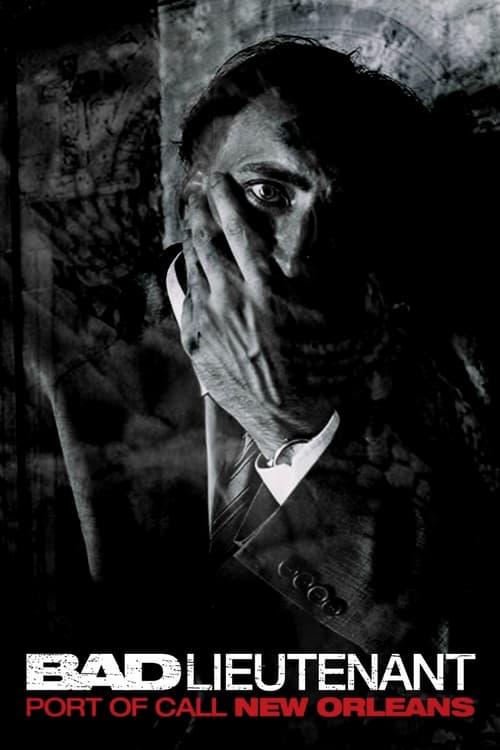
If you ever find yourself wondering what happens when you lock a German existentialist filmmaker and a man who treats scenery like a five-course meal in a room together, look no further than Bad Lieutenant: Port of Call - New Orleans. It is one of the most magnificent "how did this get made?" artifacts of the late 2000s. I recently rewatched it while nursing a lukewarm ginger ale that had lost its fizz hours earlier, and honestly, the flat soda perfectly complemented the grimy, humid delirium of the film.
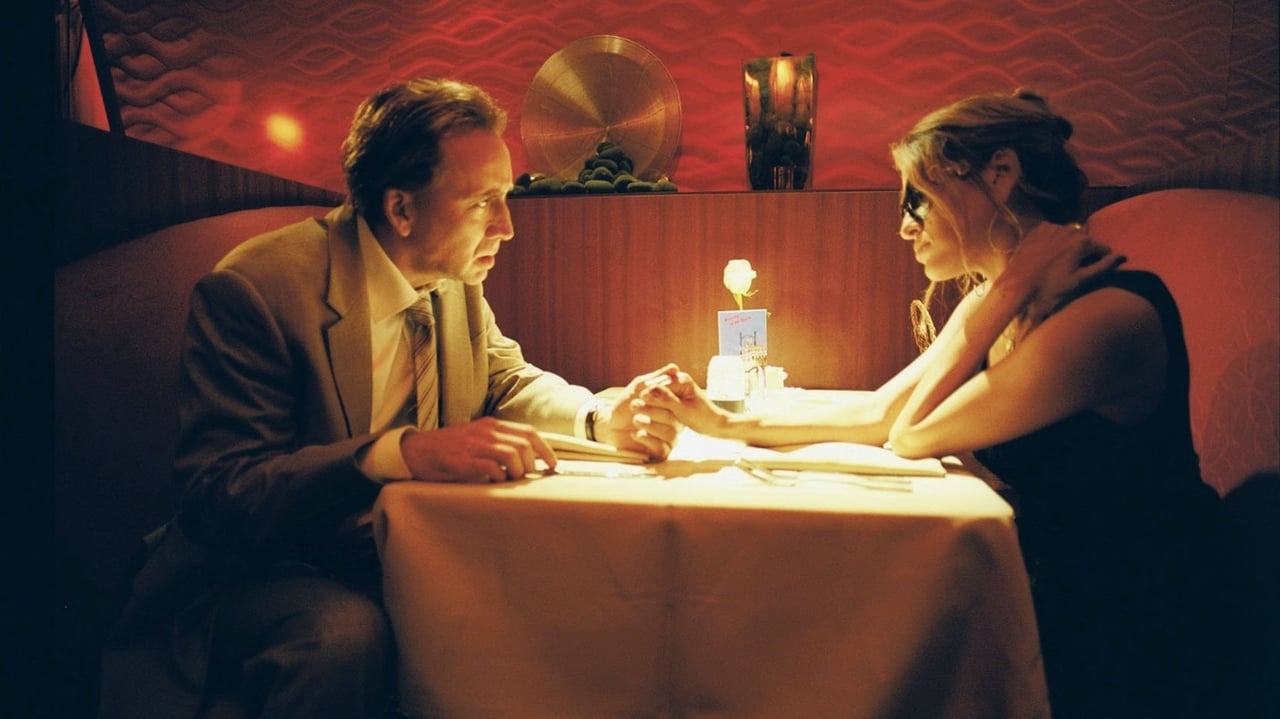
Released in 2009, this isn't a sequel, a remake, or even a polite nod to the 1992 Abel Ferrara film of the same name. In fact, director Werner Herzog (the man behind Fitzcarraldo and Aguirre, the Wrath of God) famously claimed he’d never even seen the original. He just wanted to make a movie about a cop losing his mind in a post-Katrina landscape, and the producers slapped the title on for brand recognition. The result is a crime drama that feels like it’s being told by someone with a 103-degree fever who really, really wants to show you his pet reptiles.
The Unhinged Gospel of Terence McDonagh
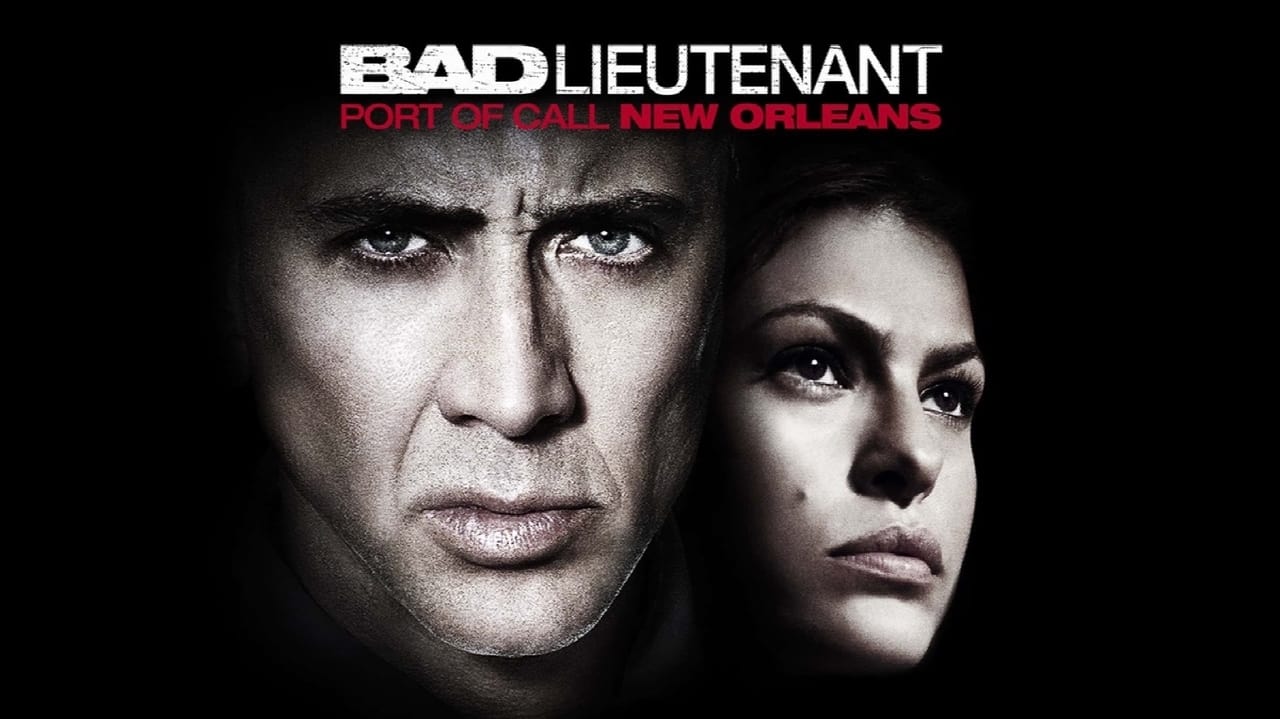
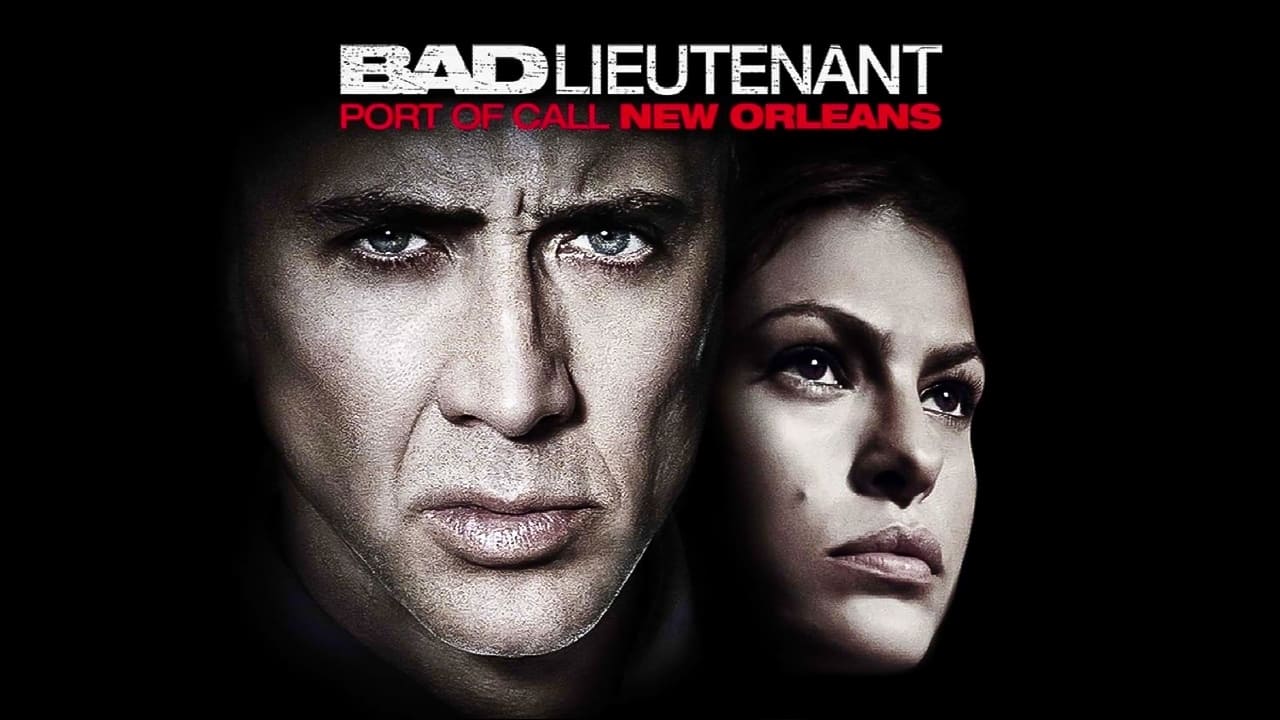
At the center of this hurricane is Nicolas Cage. Now, we all know "Cage Rage." By 2009, the internet was already starting to turn his more eccentric performances into memes, but here, the eccentricity is the point. As Terence McDonagh, a police sergeant who ruins his back saving a prisoner during the flood and spends the rest of the movie bent like a question mark, Cage delivers a performance that isn’t just over-the-top—it’s in orbit.
He’s addicted to Vicodin, cocaine, and whatever else he can confiscate from teenagers outside nightclubs. He walks with a permanent, pained limp, his eyes bulging as he screams at elderly women or hallucinates iguanas on coffee tables. It’s easy to call this "bad" acting if you’re looking for realism, but Cage isn't interested in realism. He’s doing German Expressionism in a cheap suit. When he finally loses it and demands that a hitman "shoot him again... his soul is still dancing," it’s one of those rare cinematic moments where you realize the actor and the character have completely fused into a single, vibrating entity of chaos.
Herzog’s Lizard Eye View
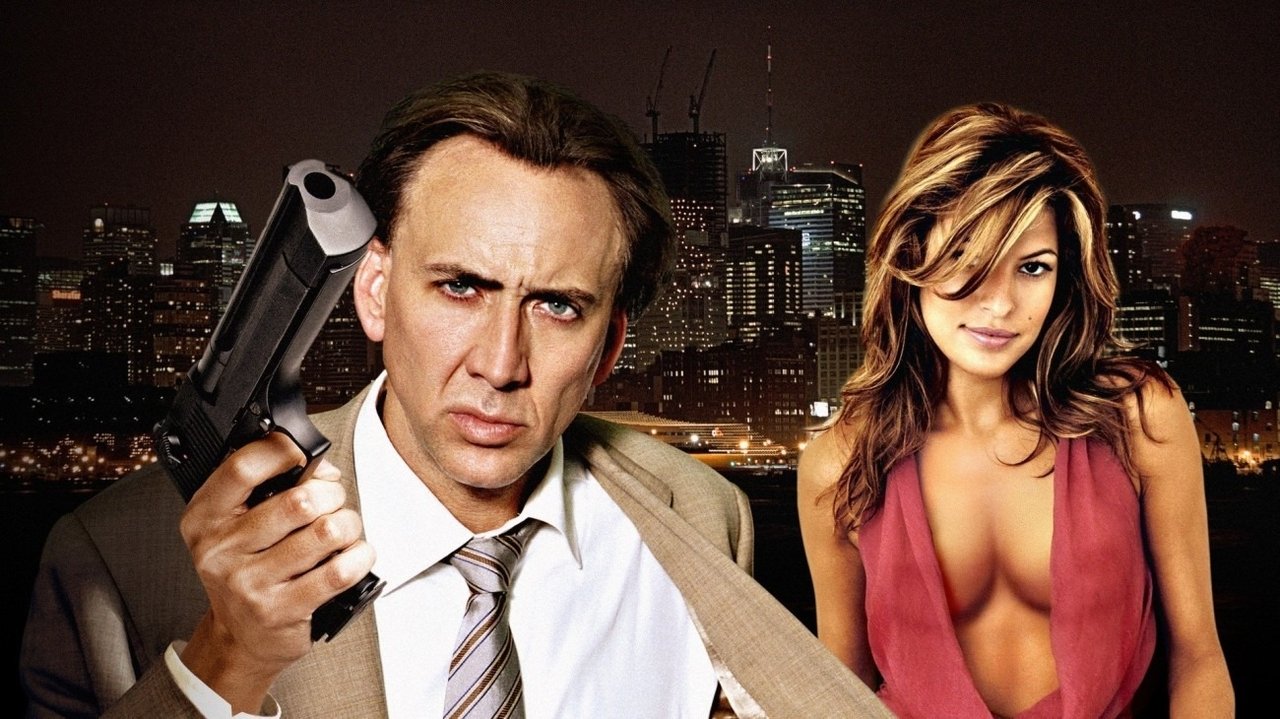
What makes this more than just a "crazy Cage" movie is Werner Herzog. A standard director would have turned this into a gritty, self-serious procedural. Instead, Herzog leans into the absurdity. He brings in his frequent cinematographer Peter Zeitlinger (who shot Rescue Dawn) and uses early digital cameras to capture New Orleans not as a postcard, but as a swampy, claustrophobic purgatory.
There are moments where the plot—a standard-ish investigation into the murder of a family involving a drug dealer named Big Fate (played with surprising restraint by Xzibit) —simply stops so Herzog can film a pair of iguanas for two minutes. There’s no narrative reason for it. It’s just Herzog being Herzog, reminding us that while humans are busy being corrupt and miserable, the animal kingdom is just sitting there, cold-blooded and indifferent. It’s the cinematic equivalent of a jump-scare for your brain.
The supporting cast is equally fascinating, if mostly there to look concerned at Cage. Eva Mendes (Hitch) plays Frankie, a sex worker and Terence’s girlfriend, and she brings a surprising amount of soul to a role that could have been a cliché. Then there’s Val Kilmer (Heat), who is essentially a ghost in this movie. He’s Terence’s partner, but he has almost no lines and mostly just stands in the background looking confused. It feels like Kilmer wandered onto the wrong set and Herzog just decided to keep the footage.
A Relic of the "High-Def" Transition
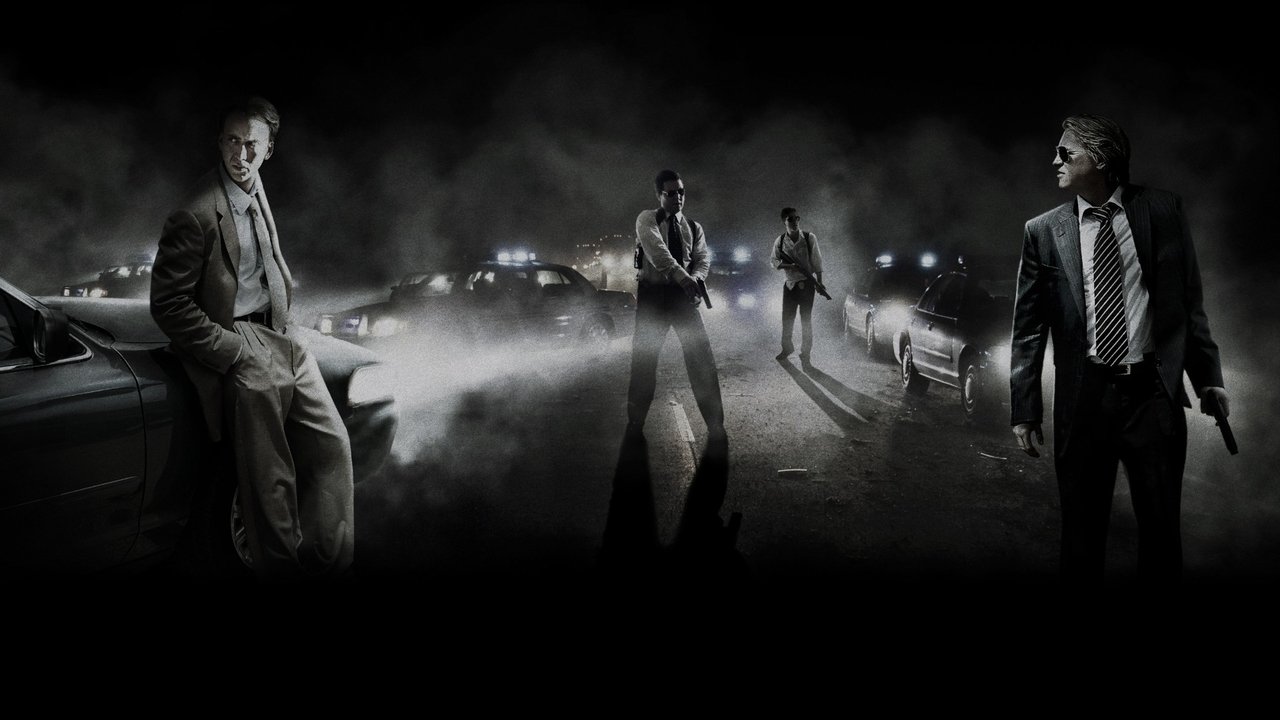
Looking back from 2024, the film has a very specific "2009" texture. This was the era where directors were still figuring out the aesthetic of digital video—it lacks the warmth of film but has a sharp, unforgiving clarity that makes the sweat on Cage’s forehead look almost 3D. It’s a movie that feels like it was born out of the transition from the old Hollywood studio system to the wilder, independent-minded digital age.
It’s also a reminder of a time before every mid-budget crime movie had to be a "gritty reboot" or a setup for a cinematic universe. Port of Call is a standalone oddity that made almost no money at the box office ($10 million against a $25 million budget) because, frankly, how do you market this? It’s too weird for the CSI crowd and too trashy for the high-brow arthouse crowd. It exists in that beautiful, narrow sliver of the Venn diagram where "High Art" and "Exploitation Cinema" overlap.
Turns out, Herzog didn't even want the iguanas in the script; he just insisted on them because he thought the movie needed more "vistas" of the reptilian mind. That tells you everything you need to know. This is a film that rewards your attention not with a tidy plot or a moral lesson, but with the sheer, unadulterated joy of watching a master filmmaker and a fearless actor walk a tightrope over a pit of alligators. It’s messy, it’s mean, and it’s one of the most entertaining things you’ll ever see.
Keep Exploring...
-
Rescue Dawn
2007
-
Alpha Dog
2006
-
Gridiron Gang
2006
-
We Own the Night
2007
-
Appaloosa
2008
-
Matchstick Men
2003
-
The Devil's Rejects
2005
-
United 93
2006
-
Before the Devil Knows You're Dead
2007
-
In the Valley of Elah
2007
-
Michael Clayton
2007
-

Lakeview Terrace
2008
-
Street Kings
2008
-

The Informant!
2009
-
The Last House on the Left
2009
-
Brooklyn's Finest
2010
-
I Love You Phillip Morris
2010
-
Takers
2010
-

The American
2010
-

Trust
2010