Bride Wars
"Your best friend's wedding is your battlefield."
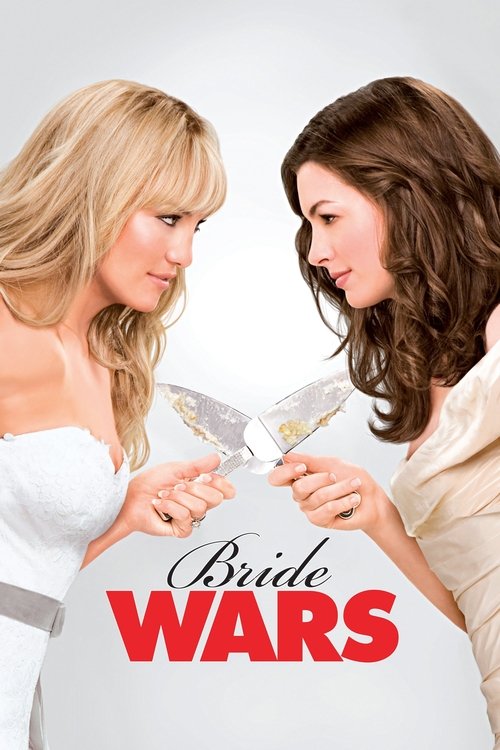
I watched Bride Wars on a laptop with a sticky "E" key while my neighbor spent three hours power-washing their driveway, and honestly, the relentless, high-pressure spray of water felt like a fitting soundtrack for this movie. Released in 2009, Bride Wars arrived right at the tail end of the "High Gloss Studio Rom-Com" era. You know the ones—they featured impossibly clean New York streets, characters with nebulous but high-paying jobs, and a third act that almost always involved someone sprinting through a crowded public space.
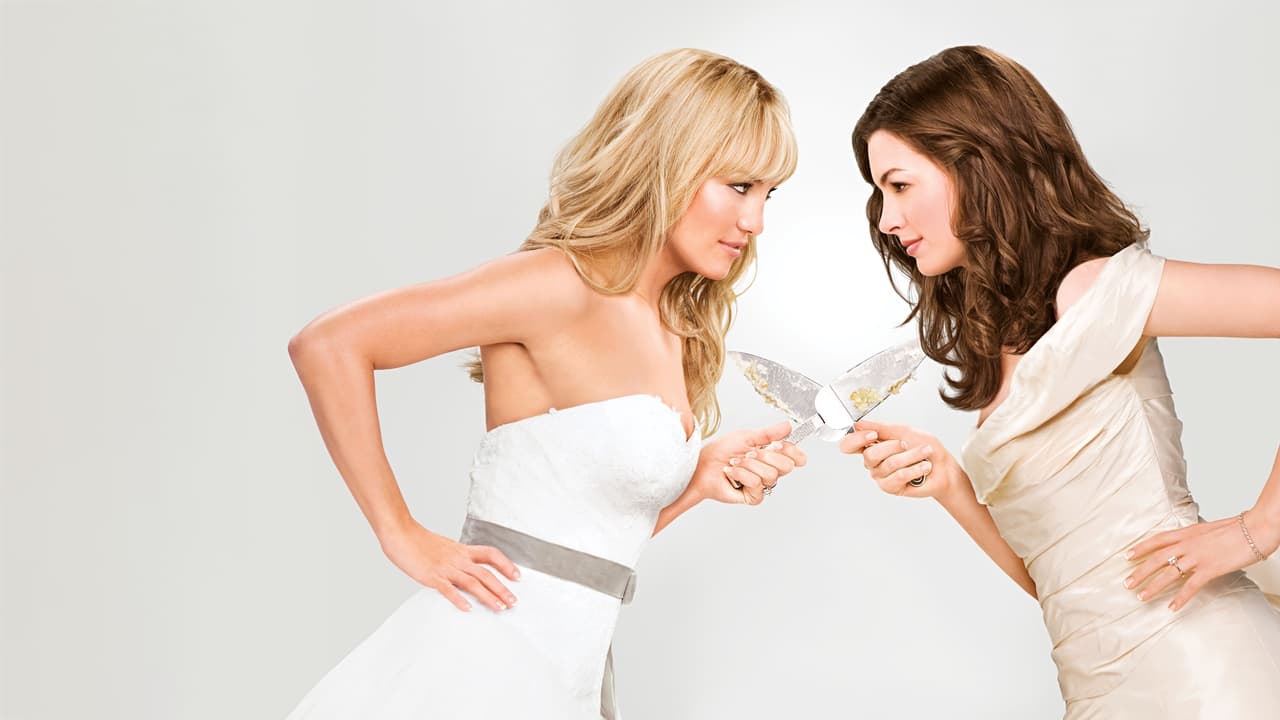
It’s a fascinating time capsule of a moment when Hollywood was convinced that the most relatable conflict in the world was two affluent women sabotaging each other over a June booking at the Plaza Hotel. Looking back from our current era of streaming-service "content," there’s something oddly comforting about the sheer, unabashed studio polish on display here.
The Peak of the Bridezilla Era
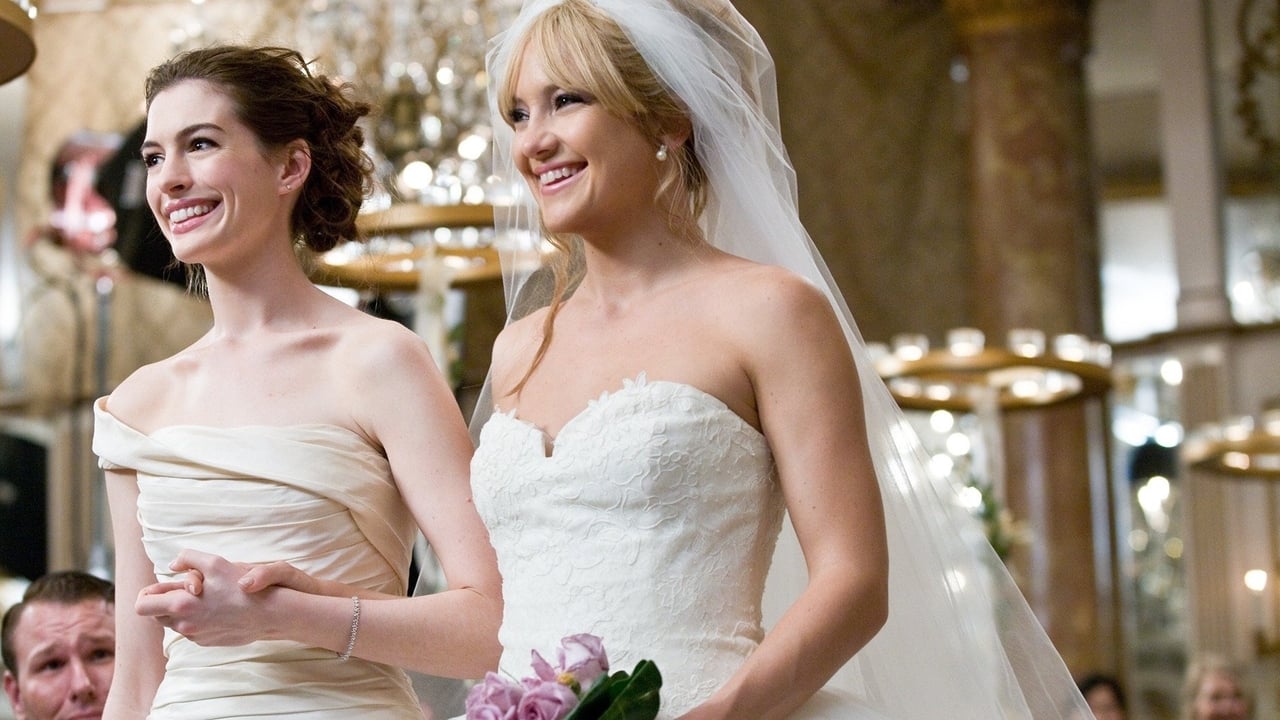
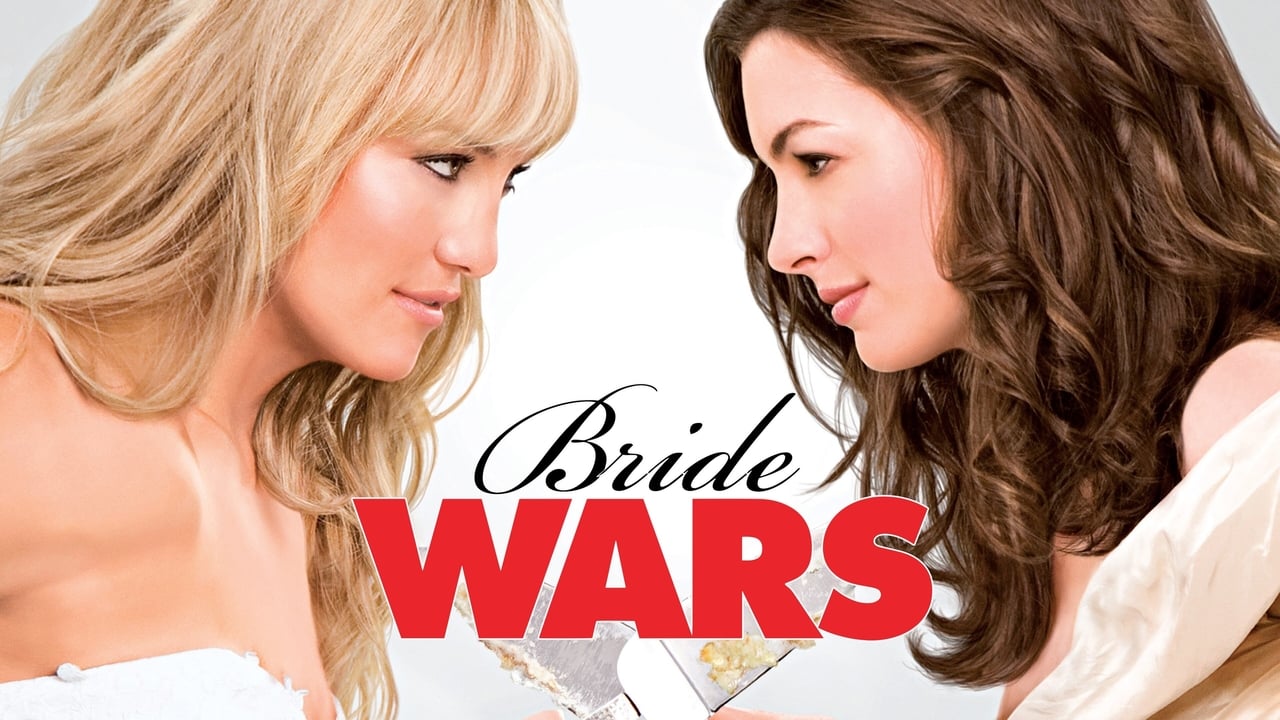
The premise is pure sitcom gold: Liv (Kate Hudson) and Emma (Anne Hathaway) are lifelong best friends who have choreographed their hypothetical weddings since childhood. Due to a clerical error by legendary wedding planner Marion St. Claire (Candice Bergen, channeling a slightly less terrifying Miranda Priestly), they both get booked for the same day. Neither will budge. Thus begins a series of escalations that would make a Machiavellian prince blush.
The film relies heavily on the "Modern Cinema" transition of the late 2000s, where comedy started leaning away from the gentle vibes of the 90s and toward a more aggressive, cringe-focused slapstick. I forgot just how mean this movie gets. We’re talking about Kate Hudson sneaking into a tanning salon to turn Anne Hathaway neon orange, and Hathaway retaliating by turning Hudson’s hair a vibrant, chemical blue. This movie is essentially a psychological thriller disguised as a comedy about tulle.
A Collision of Pre-Megastar Power
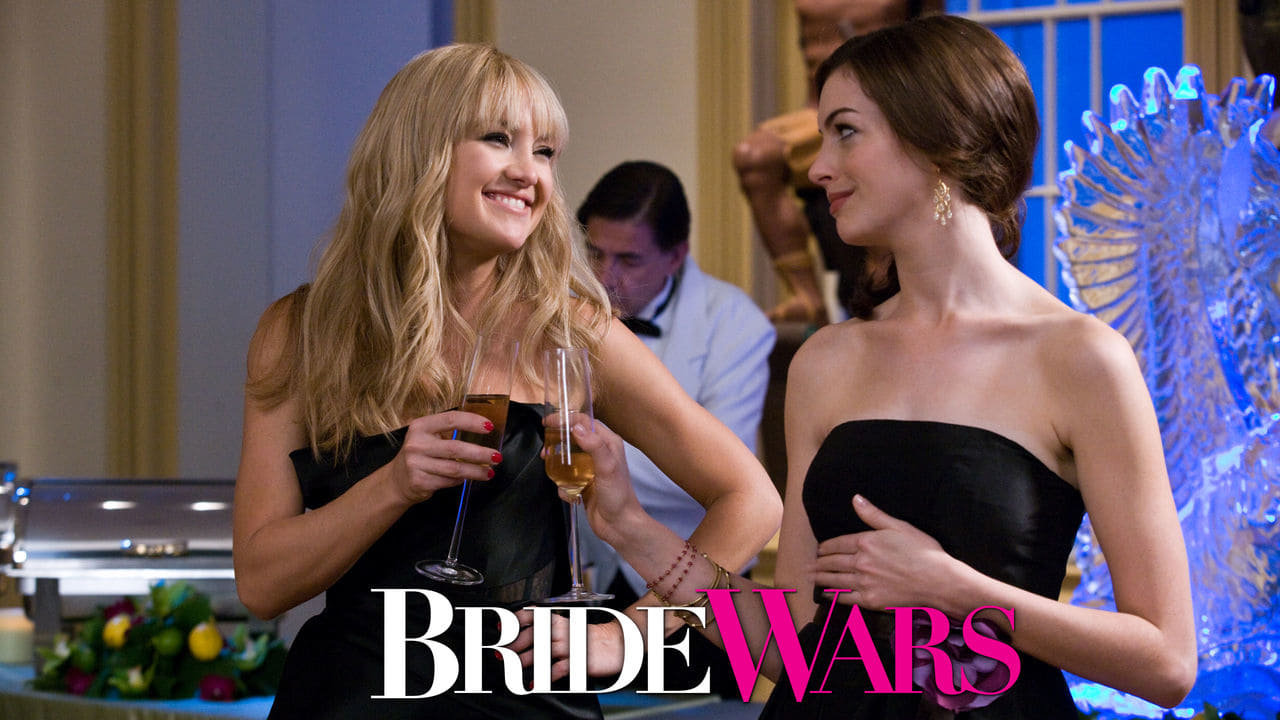
The real draw in 2024 is the cast. Kate Hudson was coming off the massive success of How to Lose a Guy in 10 Days (2003), and she actually produced this film through her company, Star Road Productions. She plays Liv with a sharp, Type-A edge that feels very much of its time. Opposite her, Anne Hathaway was in that sweet spot between The Devil Wears Prada (2006) and her Oscar-winning turn in Les Misérables (2012). Hathaway has always been game for physical comedy, and she leans into Emma’s "doormat-turned-warrior" arc with total commitment.
The supporting men are a total "who’s who" of 2009's "almost" leading men. You’ve got Bryan Greenberg (One Tree Hill) and Steve Howey (Reba), but the real standout for modern viewers is Chris Pratt. Long before he was a ripped Marvel superhero or a dinosaur whisperer, Chris Pratt played Fletcher, Emma’s fiancé. He is perfectly cast as a guy who is just slightly too controlling and unsupportive, making you root for the friendship over the marriage. It’s a reminder of his "lovable jerk" roots before he became a global brand.
The $115 Million Vow
While critics at the time were fairly brutal—the movie currently sits at a dismal 11% on Rotten Tomatoes—audiences felt very differently. This is where the "Popcornizer" lens is crucial. Bride Wars was a massive commercial success, pulling in over $115 million worldwide against a $30 million budget. It tapped into the "wedding fever" of the late 2000s, a period obsessed with reality shows like Bridezillas and the fetishization of "The Big Day."
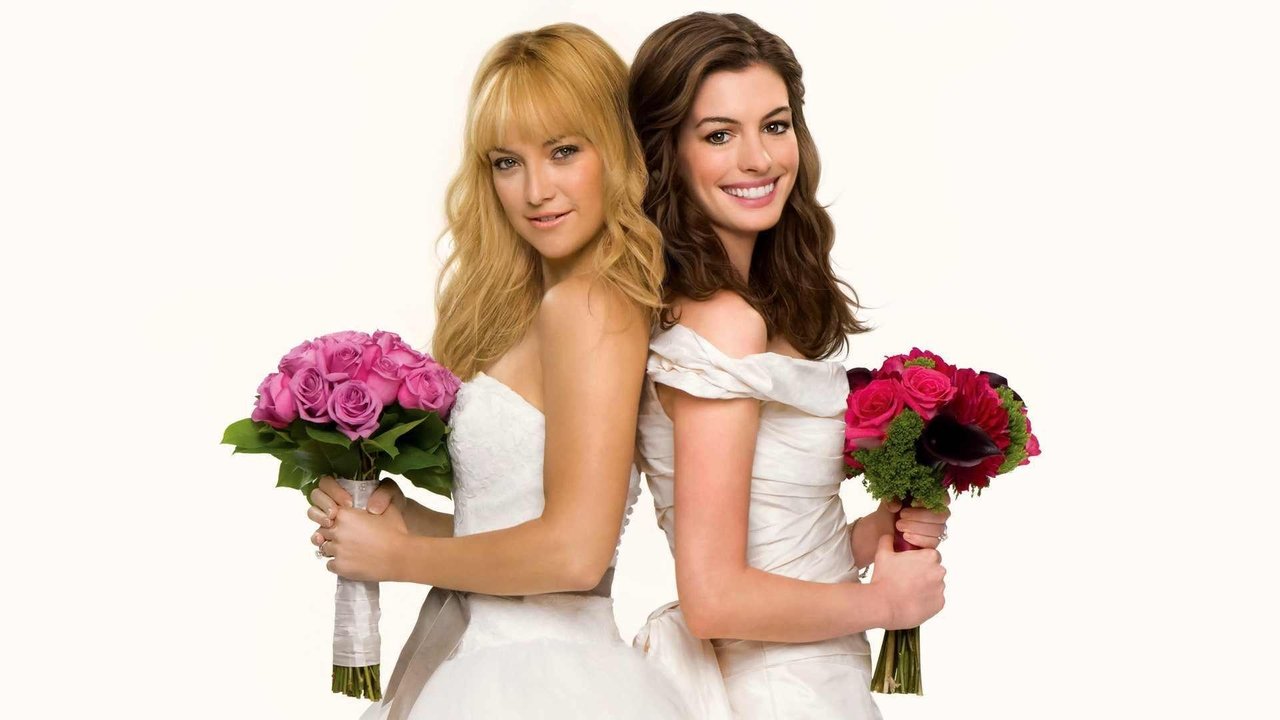
The script was co-written by June Diane Raphael and Casey Wilson, who have since become cult comedy icons (How Did This Get Made?, Bitch Sesh). If you look closely, you can see their fingerprints in the more absurdist moments, like the dance-off scene or the cameo they both make as other brides in Marion St. Claire's office. Apparently, the original draft was even darker, but the studio pushed for a more "commercial" tone.
Director Gary Winick (13 Going on 30) shot the film on 35mm, and the cinematography by Frederick Elmes gives it a rich, celluloid warmth that you just don't see in modern digital comedies. It’s ironic that Elmes—the guy who shot David Lynch’s Blue Velvet—was the one lighting a scene where Kate Hudson gets tackled in a wedding dress, but that’s the beauty of the studio system.
The film is a relic of a very specific cultural moment where female friendship was often framed through the lens of competition. It’s formulaic, the "war" is based on a problem that could be solved by a five-minute phone call, and the stakes are entirely superficial. Yet, there’s an undeniable charm in the chemistry between Hudson and Hathaway. They sell the history of these characters even when the script doesn't. It’s a breezy, 89-minute exercise in high-end pettiness that serves as a perfect "lazy Sunday" watch. If you can get past the orange spray tan, you might find yourself actually caring if they make it to the altar.
Keep Exploring...
-
Letters to Juliet
2010
-
13 Going on 30
2004
-
Love & Other Drugs
2010
-
Friends with Benefits
2011
-
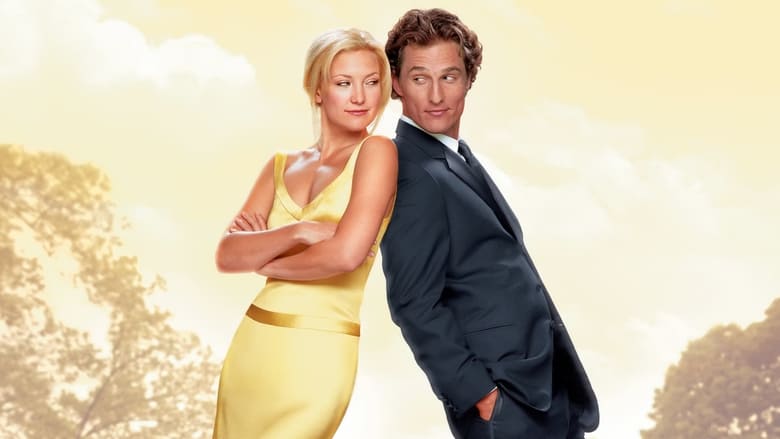
How to Lose a Guy in 10 Days
2003
-
Sex and the City
2008
-
Along Came Polly
2004
-
The Princess Diaries 2: Royal Engagement
2004
-

Monster-in-Law
2005
-
Music and Lyrics
2007
-
27 Dresses
2008
-

High School Musical 3: Senior Year
2008
-
What Happens in Vegas
2008
-

17 Again
2009
-
Hannah Montana: The Movie
2009
-
He's Just Not That Into You
2009
-
The Proposal
2009
-

The Ugly Truth
2009
-

The Bounty Hunter
2010
-
No Strings Attached
2011