Brüno
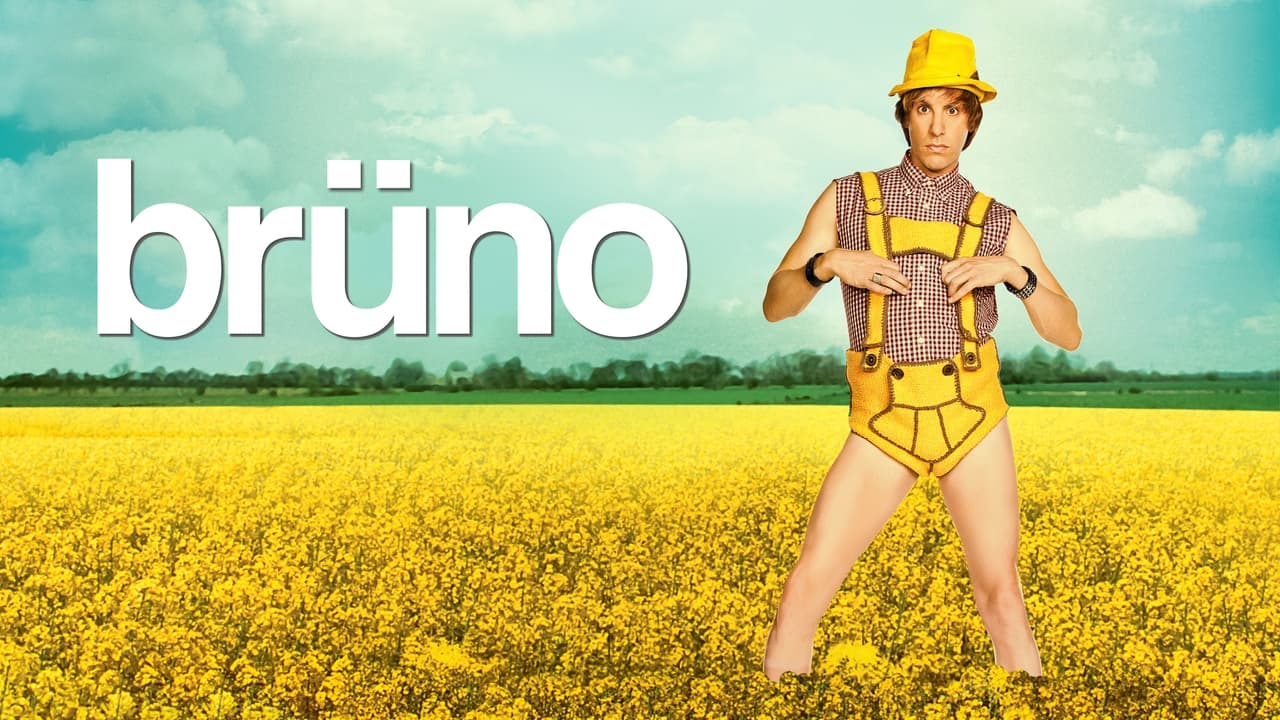
"Fashion, fame, and a very aggressive Velcro suit."
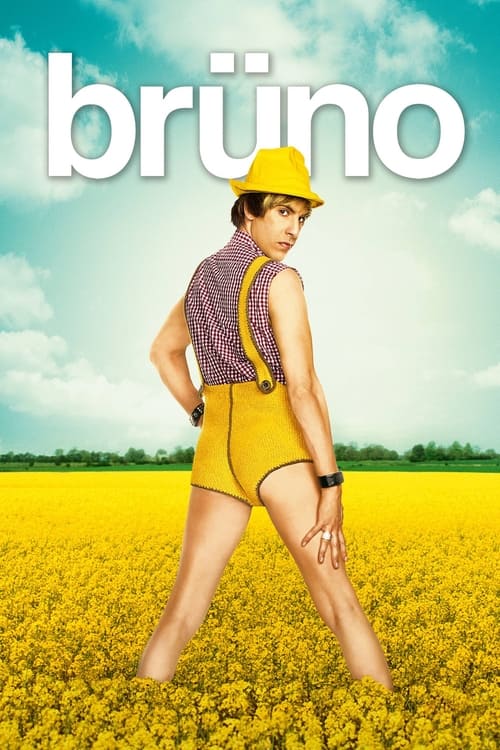
There is a specific, high-frequency sound that only occurs when a theater full of people simultaneously decides they can’t look at the screen, yet can’t look away. It’s a collective, tortured giggle mixed with a gasp. I first heard it in 2009 during the "Velcro suit" sequence of Brüno, and I’m not sure my eardrums have ever fully recovered. I watched this in a theater where the air conditioning was broken, and the communal sweat of 200 anxious strangers really added to the claustrophobia of the cringe.

Coming off the seismic cultural shift of Borat (2006), Sacha Baron Cohen was in an impossible position. He was the most famous man in the world who could no longer show his face in public without being recognized. To make Brüno, he had to dive deeper into the absurd, pivoting from a Kazakhstani journalist to a flamboyant Austrian fashionista with a death wish and a penchant for hot pants. Looking back, this film marks the absolute peak of the "shock-doc" era—a moment in the late 2000s when comedy felt like a high-stakes contact sport.
The Art of the Hostile Takeover
The plot, if you can call it that, follows Brüno as he is exiled from the high-fashion world of Milan and travels to America to become "the biggest gay movie star since Arnold Schwarzenegger." Accompanied by his devoted, long-suffering assistant Lutz (Gustaf Hammarsten), Brüno attempts to solve the Middle East conflict, adopt a child (exchanged for an iPod, naturally), and "cure" his homosexuality in the Deep South.
What’s fascinating about the film now is how it functions as a time capsule of 2009's social anxieties. While Borat targeted American xenophobia, Brüno aimed its glittery cannon at homophobia, celebrity worship, and the vapidity of the fashion industry. Sacha Baron Cohen's performance is a feat of sheer endurance; he remains in character while being chased by angry mobs or facing down confused hunters in the woods. Gustaf Hammarsten is the secret weapon here, providing a grounded, almost sweet emotional core to a movie that is essentially a series of escalating dares disguised as a narrative.
A Blockbuster Built on Lawsuits
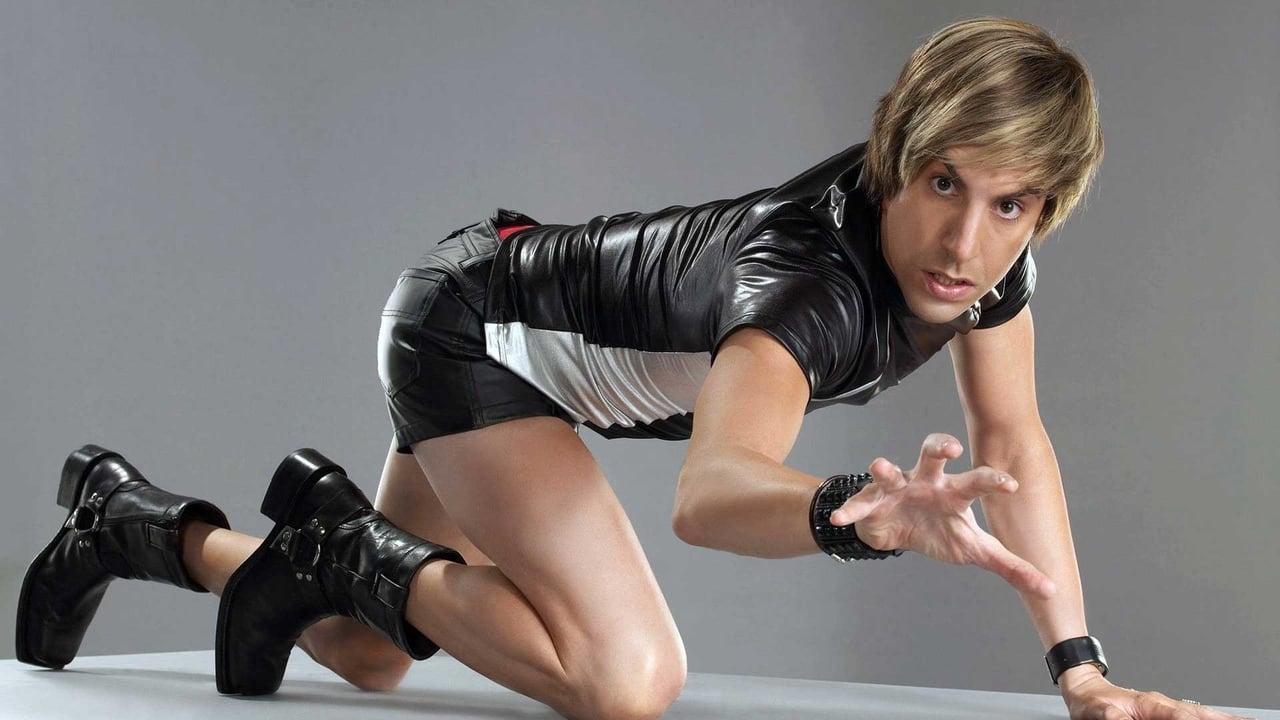
From a production standpoint, Brüno was a gargantuan gamble. Universal Pictures won a frantic bidding war, dropping $42 million just to secure the rights—an unheard-of sum for a R-rated mockumentary. The film went on to gross $138 million worldwide, proving that in the pre-streaming era, "must-see" comedy was a massive theatrical draw. However, the costs weren't just financial. The production was a legal minefield.
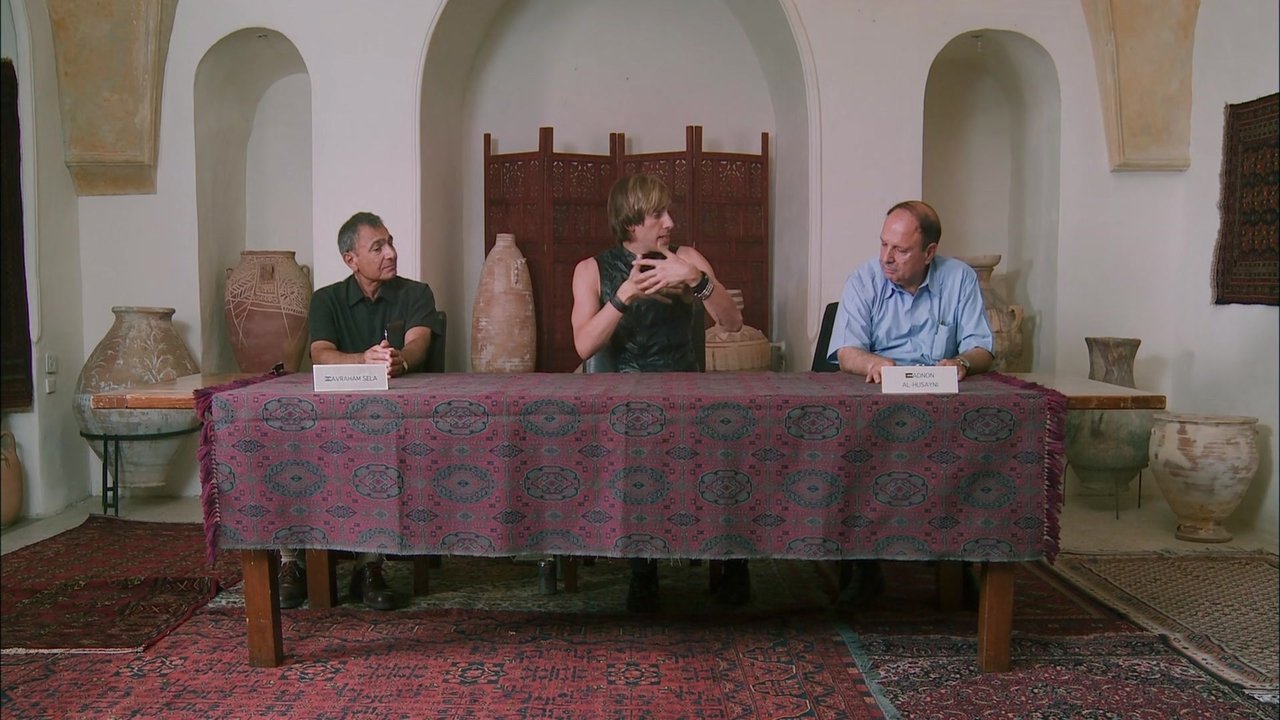
The film's "terrorist" interview with Aiman Abu Aita resulted in a massive multi-million dollar libel lawsuit, and the fashion week stunts led to SBC being banned from events in Milan for life. This was the era of the "DVD special feature" as a holy text; I remember pore-ing over the deleted scenes on the disc just to see the stunts that were "too illegal" for the theatrical cut, like the LaToya Jackson interview that was excised following Michael Jackson’s death just weeks before release. It’s a reminder of a time when movies felt reactive to the literal news cycle.
The Cringe that Aged (and Didn't)
Does it hold up? Comedy is time-sensitive, and Brüno is definitely a product of the late 2000s. Some of the jokes feel like they’re punching at targets that have long since been demolished, and the sheer "shock for shock's sake" can feel exhausting on a rewatch. However, the sequence where Brüno presents his "charity" ideas to a focus group—including a photo of his infant son in a sink full of loose change—is still cinematic napalm.
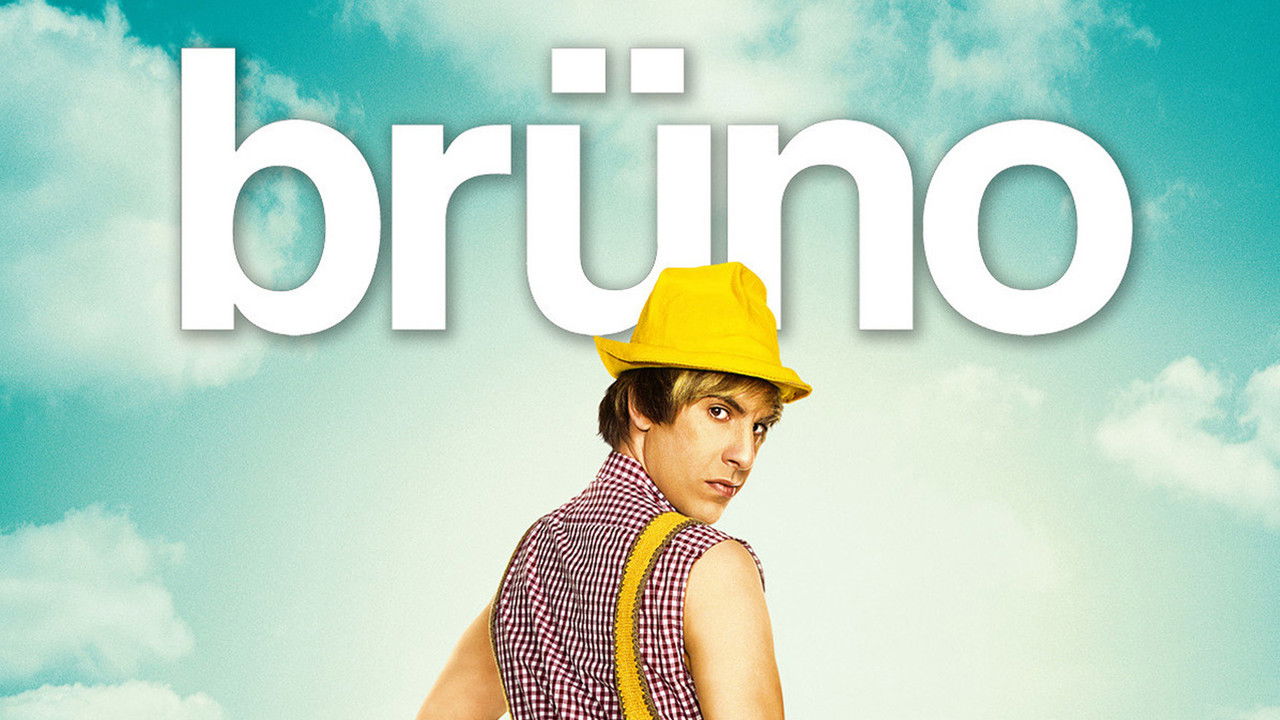
The direction by Larry Charles (who also helmed Borat and Curb Your Enthusiasm) is masterfully invisible. He knows exactly when to hold the shot on a bystander’s face to let the silence become unbearable. The editing is where the magic happens; it’s a rhythm of discomfort. While it lacks the "innocent abroad" charm of Borat, it replaces it with a cynical, aggressive energy that perfectly captured the "Me Generation" transition into the social media age. It is a film that weaponizes uncomfortable silences like a tactical nuke.
Ultimately, Brüno is a fascinating relic of a transitionary period in cinema history. It was one of the last times a major studio put massive resources behind a truly dangerous, unpredictable piece of performance art. While it occasionally trips over its own desire to offend, the moments that land are undeniably brilliant. It’s a wild, messy, and frequently terrifying look at the lengths people will go to for fifteen minutes of fame—or just to avoid being the first person to walk out of a room.
The film serves as a high-water mark for Sacha Baron Cohen's specific brand of immersive anarchy. It’s not always "pleasant," but it’s never boring. If you can stomach the second-hand embarrassment, it’s a masterclass in how to push a premise until it snaps. Just don't expect to ever look at a Velcro suit the same way again.
Keep Exploring...
-
Borat: Cultural Learnings of America for Make Benefit Glorious Nation of Kazakhstan
2006
-
The Dictator
2012
-
Ali G Indahouse
2002
-
Bridget Jones: The Edge of Reason
2004
-

Mr. Bean's Holiday
2007
-
Johnny English Reborn
2011
-
Along Came Polly
2004
-

DodgeBall: A True Underdog Story
2004
-
EuroTrip
2004
-

Hoodwinked!
2005
-

Monster-in-Law
2005
-
The 40 Year Old Virgin
2005
-
Wedding Crashers
2005
-
Big Momma's House 2
2006
-

Knocked Up
2007
-
Music and Lyrics
2007
-

The Game Plan
2007
-
27 Dresses
2008
-

Forgetting Sarah Marshall
2008
-

High School Musical 3: Senior Year
2008