Bronson
"The most violent stage play you’ll ever attend."
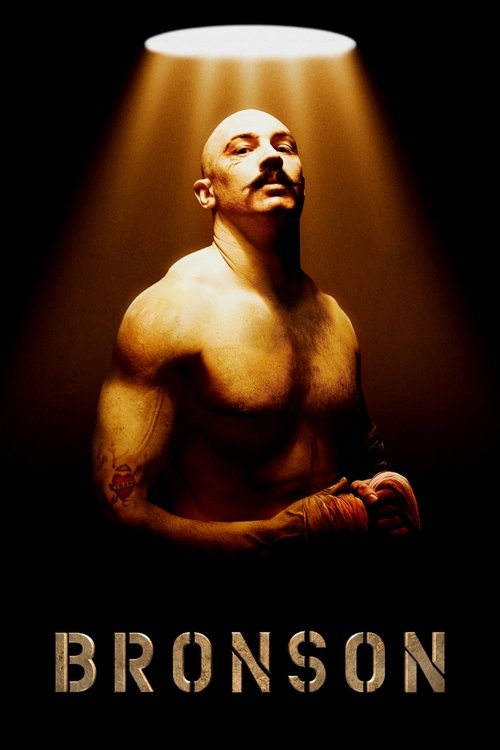
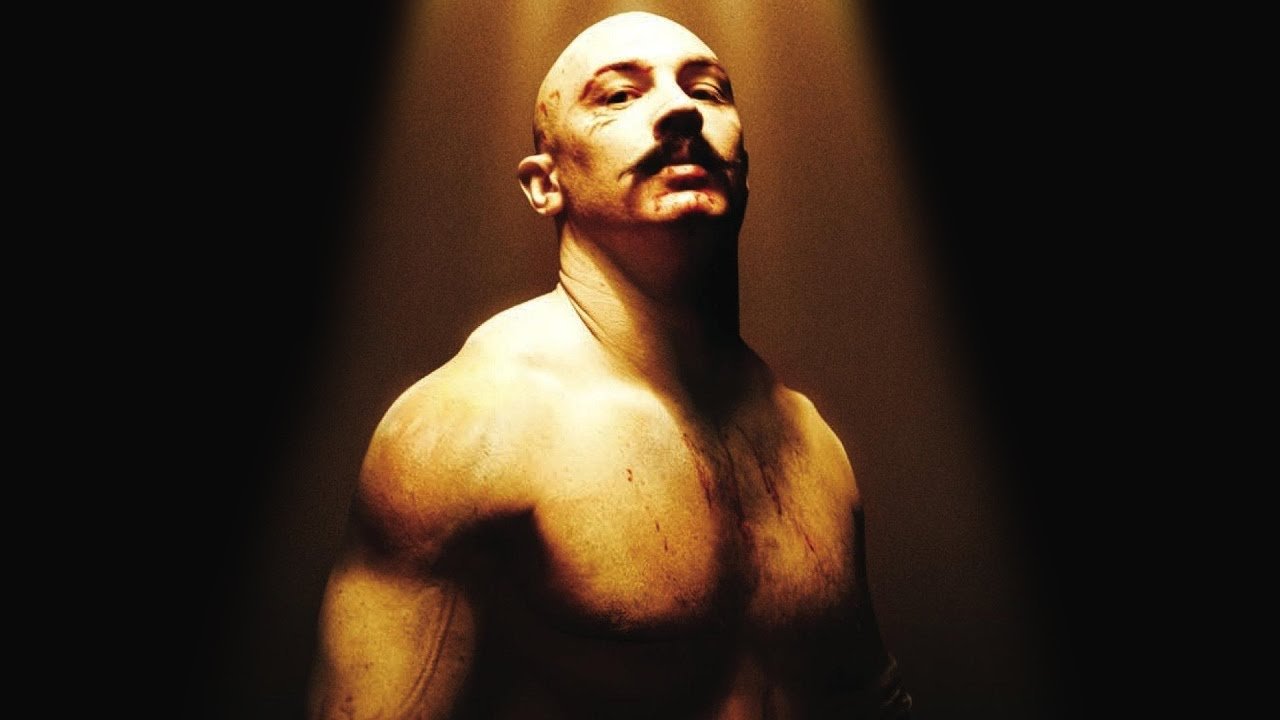
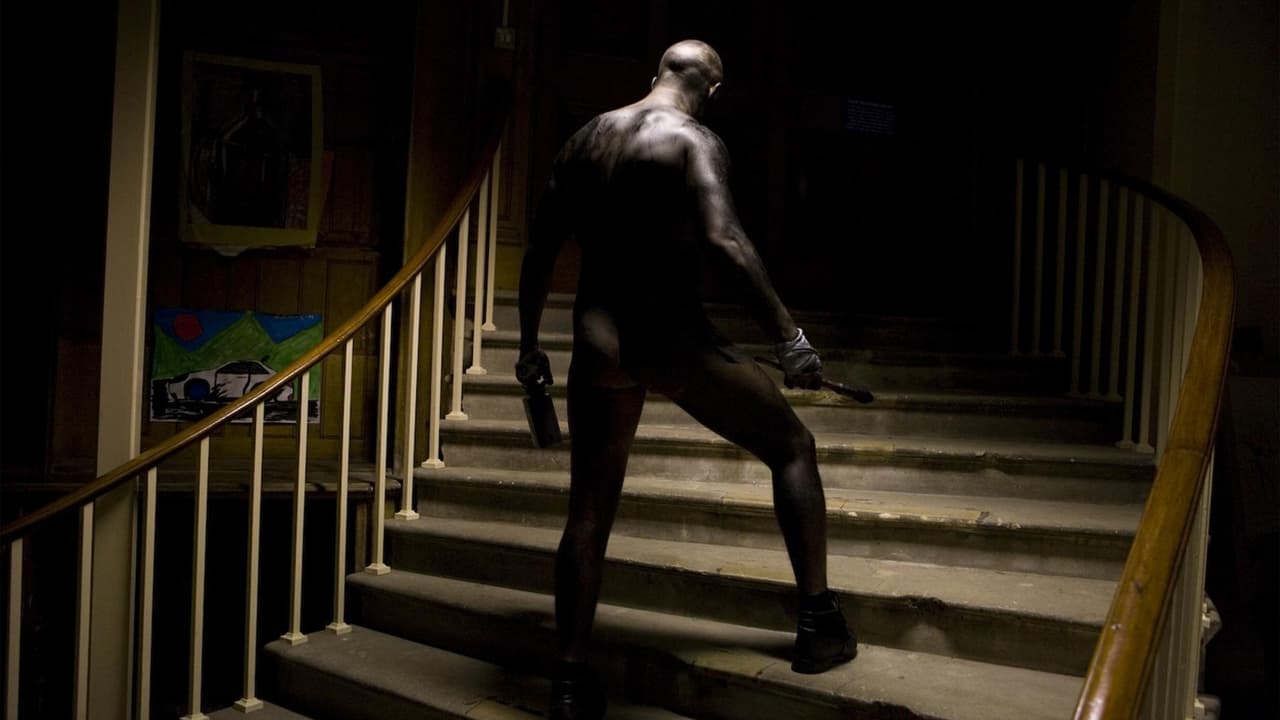
Before he was breaking Batman’s back or grunting his way through a post-apocalyptic wasteland, Tom Hardy was a muscular enigma with a handlebar mustache and a penchant for stripping naked before fighting a dozen prison guards. I first caught Bronson on a grainy DVD I’d rented while my radiator was clanking like a frantic prisoner hitting the bars with a tin cup, and that rhythmic, metallic thumping actually provided a better soundtrack than most modern blockbusters could hope for.
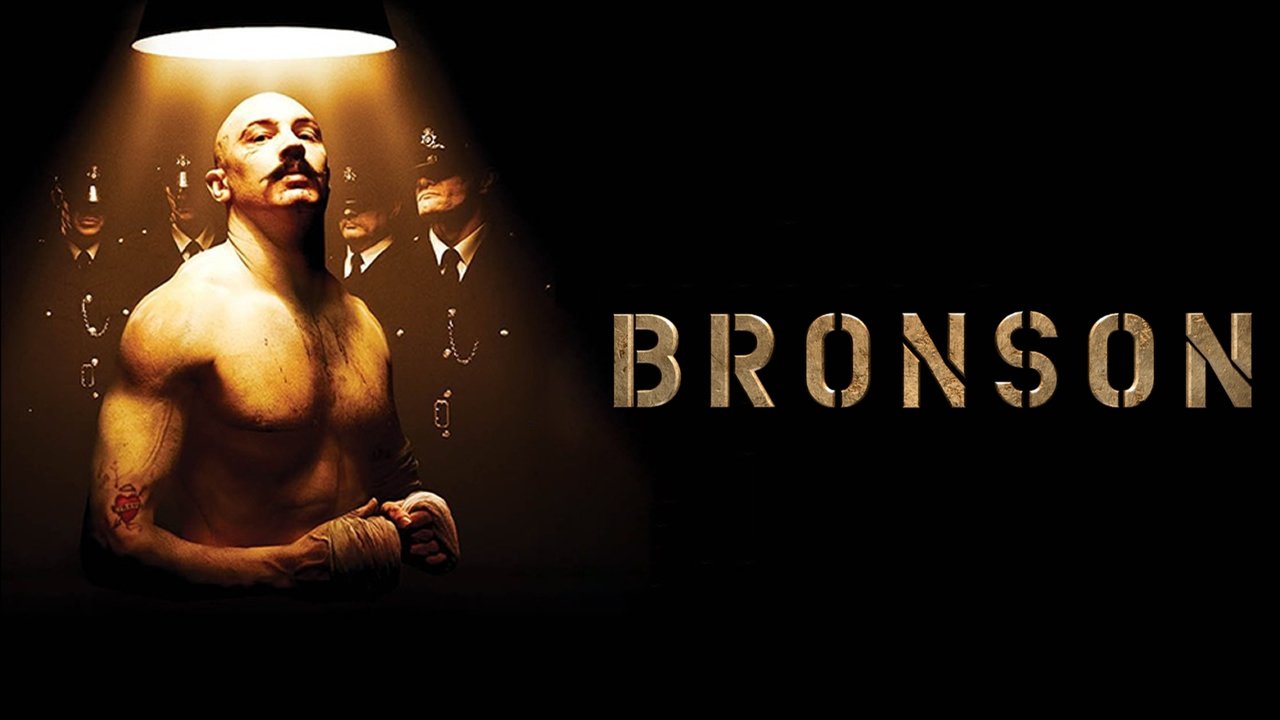
In the late 2000s, the "biopic" was a stale genre, usually reserved for sweeping historical dramas or tragic musicians. Then came Nicolas Winding Refn, a Danish director who decided to treat the life of Britain’s most violent prisoner not as a cautionary tale, but as a vaudeville performance. Looking back, Bronson arrived at a fascinating crossroads in cinema history. It was 2009; we were moving away from the gritty, shaky-cam realism of the Bourne era and drifting toward the hyper-stylized, neon-soaked aesthetics that would eventually define the 2010s.
The Theater of the Absurd and the Angry
The film follows Michael Peterson, a man who essentially decided that his life’s work was being a famous prisoner. He eventually adopts the persona of Charles Bronson—an alter ego that feels less like a split personality and more like a carefully curated brand. Tom Hardy doesn't just play the role; he inhabits the skin of a man who views his own incarceration as a residency at the West End.
There’s a specific kind of intensity here that feels almost dangerously intimate. Refn breaks the fourth wall constantly, putting Bronson on a literal stage in clown makeup, recounting his exploits to an invisible, applauding audience. It’s a brilliant narrative device that mirrors the actual Peterson’s obsession with celebrity. In an era where indie films were starting to experiment with digital textures, Refn and cinematographer Larry Smith (who worked with Kubrick on Eyes Wide Shut) opted for a lush, high-contrast look that makes every drop of sweat and smear of greasepaint feel three-dimensional.
A Masterclass in Shoestring Spectacle
One of the most impressive things about Bronson is the sheer economy of the production. While Hollywood was beginning to sink hundreds of millions into early CGI spectacles that haven't aged particularly well, Refn was working with a microscopic budget of about $230,000. To put that in perspective, that’s roughly the cost of a single trailer-park explosion in a Michael Bay film.
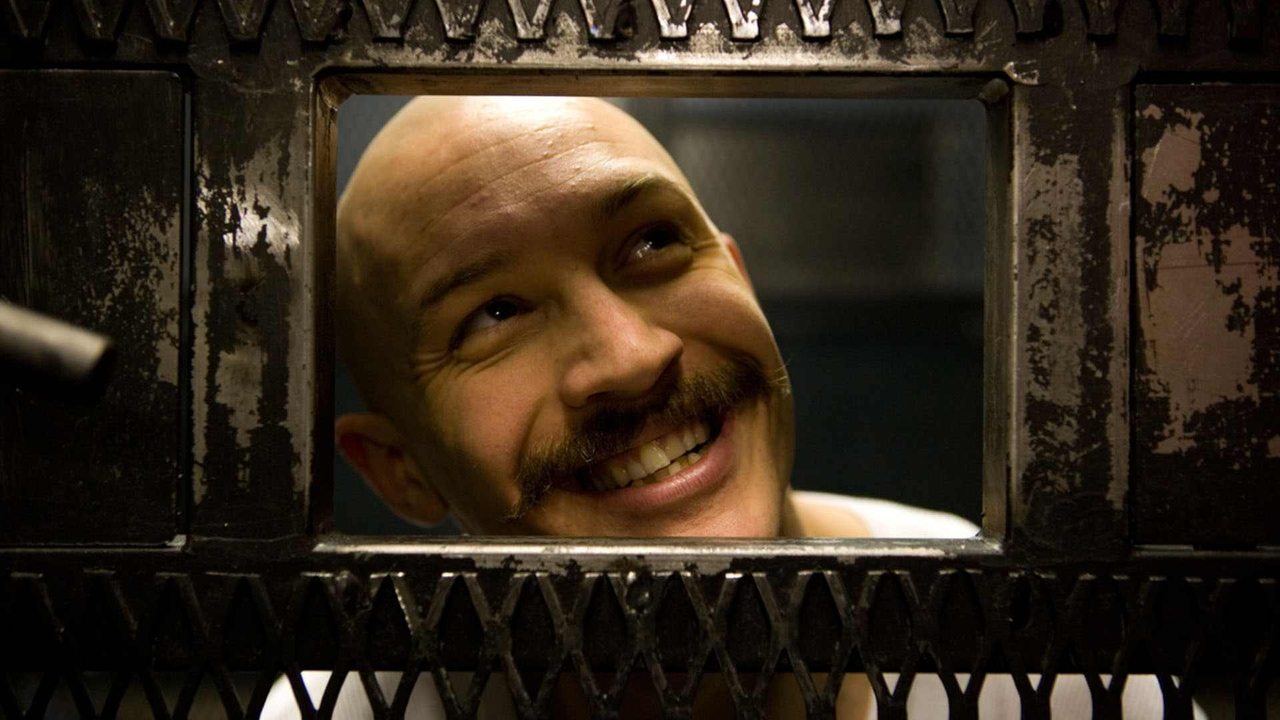
The production was a masterclass in independent resourcefulness. They shot the entire thing in about five weeks, mostly in an old, abandoned hotel and a disused prison in St. Ann's, Nottingham. Because they couldn't afford massive sets or a cast of thousands, the film focuses entirely on the physical presence of Tom Hardy. It turns the film's limitations into its greatest strength; the claustrophobia of the tight hallways and the stark, empty rooms reflects Bronson’s 30 years in solitary confinement. Refn is a director who loves the smell of his own farts, but here, the scent is genuinely intoxicating because he’s forced to use every ounce of his visual wit to hide the lack of cash.
The Art of the Bare-Knuckle Brawl
The action choreography in Bronson isn't about the grace of a choreographed dance; it’s about the terrifying weight of a human body used as a battering ram. The fights are uncomfortably close and messy. There’s a scene early on where Bronson takes on several guards in a hallway, and the sound design is what sticks with you—the dull thud of fists against padding and the frantic breathing. It’s unglamorous and brutal, stripped of the "cool" factor that usually accompanies movie violence.
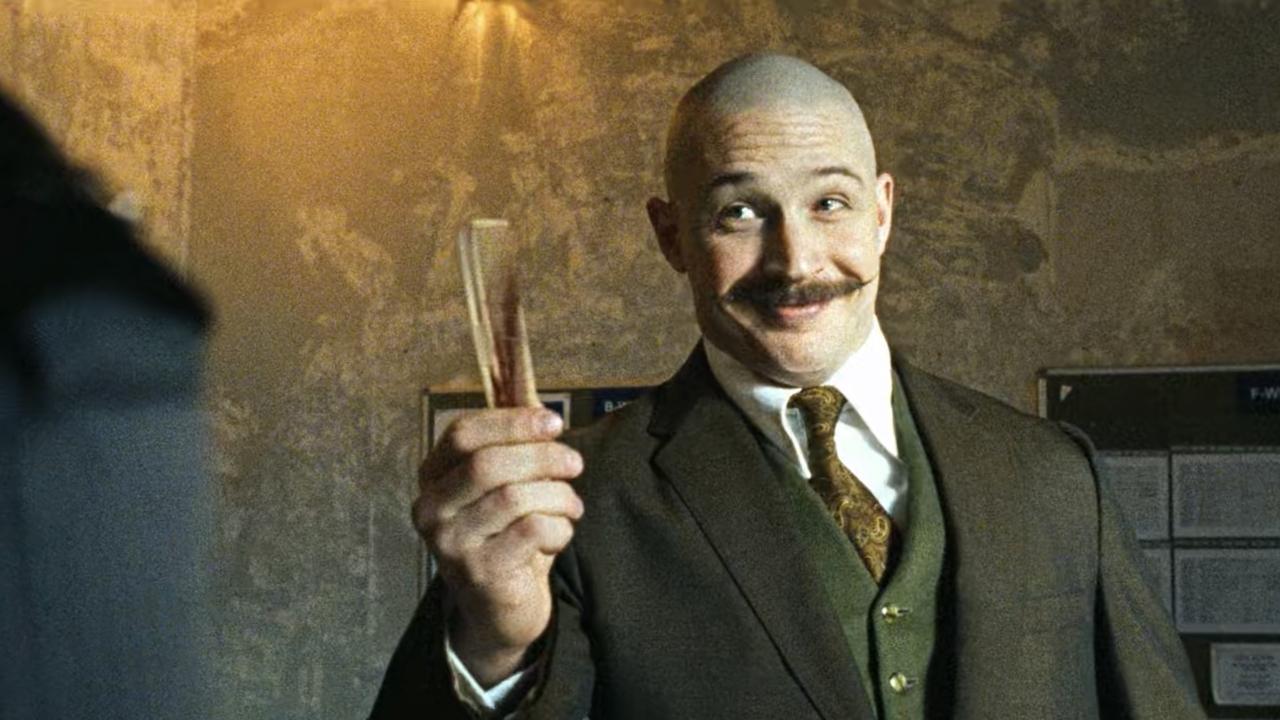
Hardy’s physical transformation was the stuff of indie legend at the time. He reportedly put on seven pounds of muscle a week by eating chicken and broccoli and doing thousands of push-ups, eventually adding 42 pounds to his frame. He looks less like an actor and more like a Victorian strongman who has lost his mind. His interactions with the supporting cast, particularly Matt King as the flamboyant Paul Daniels and James Lance as the bewildered art teacher Phil, provide a darkly comedic counterpoint to the raw aggression. The way Bronson pivots from a terrifying beast to a polite, almost child-like artist is where the real "action" of the film lies.
Ultimately, Bronson is a film that refuses to offer easy answers. It doesn't ask you to pity Michael Peterson, nor does it try to justify his path. It simply presents his life as a piece of performance art. It’s a loud, colorful, and occasionally disgusting look at the human desire to be seen, even if it’s from behind a plexiglass window. If you missed this during the initial indie boom of the late 2000s, it’s time to rectify that—just maybe skip the snacks during the scenes involving "body grease."
What lingers after the credits roll isn't just the memory of the violence, but the strange, synth-heavy score by Johnny Jewel mixed with classical opera. It creates a dreamlike atmosphere that suggests Bronson isn't living in the same reality as the rest of us. He’s the star of a movie that only exists in his head, and for 92 minutes, we’re just lucky enough to be his captive audience.
Keep Exploring...
-
Felon
2008
-

Blood and Bone
2009
-
Undisputed III: Redemption
2010
-
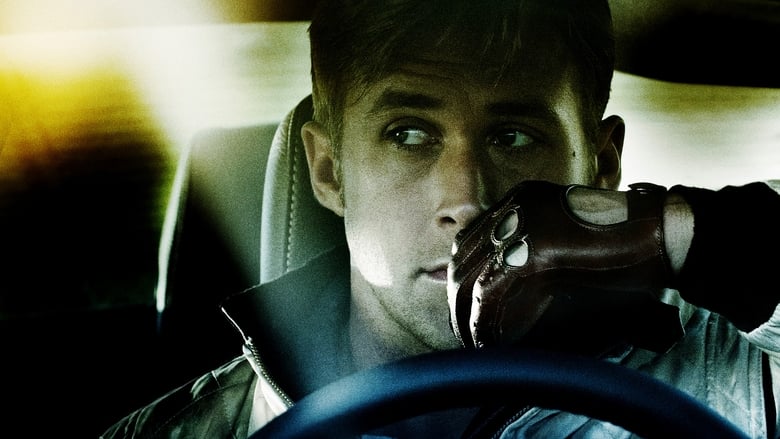
Drive
2011
-

Only God Forgives
2013
-
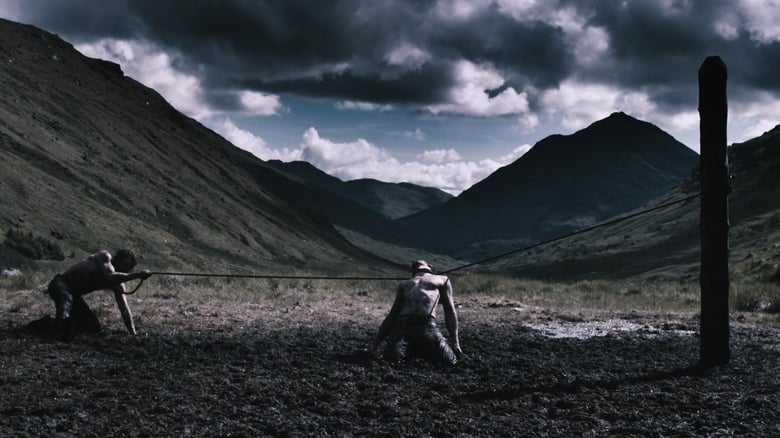
Valhalla Rising
2009
-
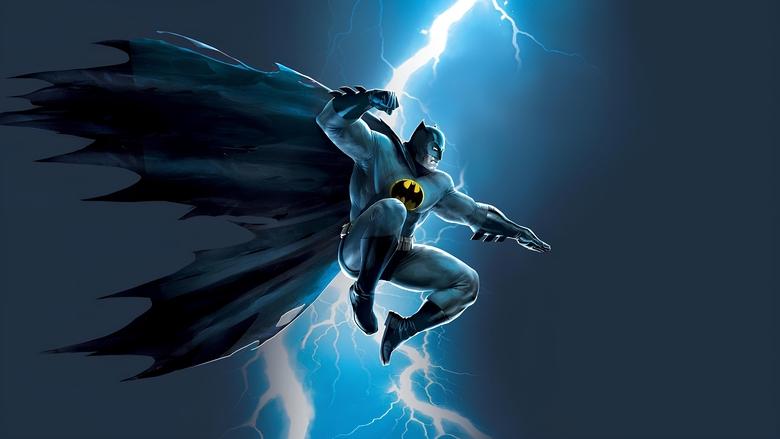
Batman: The Dark Knight Returns, Part 1
2012
-

The Dark Knight Rises
2012
-

Batman: The Dark Knight Returns, Part 2
2013
-
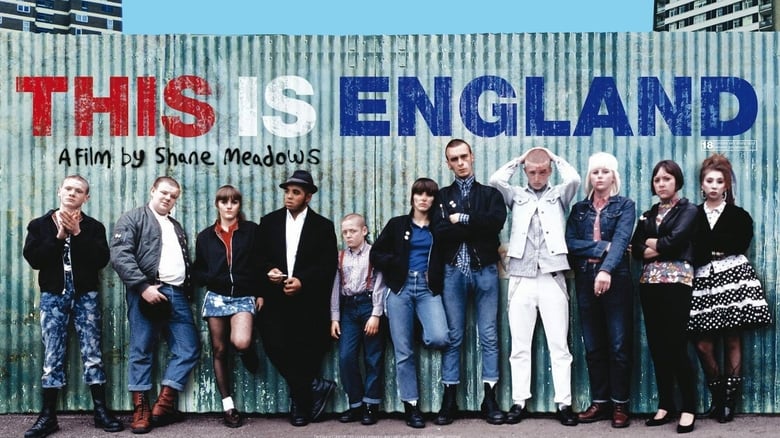
This Is England
2007
-
The Girl Who Played with Fire
2009
-
A Bittersweet Life
2005
-

Batman Begins
2005
-
The Protector
2005
-
Undisputed II: Last Man Standing
2006
-

United 93
2006
-
Mesrine: Killer Instinct
2008
-
Mesrine: Public Enemy #1
2008
-
Batman: Under the Red Hood
2010
-

Elite Squad: The Enemy Within
2010