Carriers
"Fear travels faster than the wind."
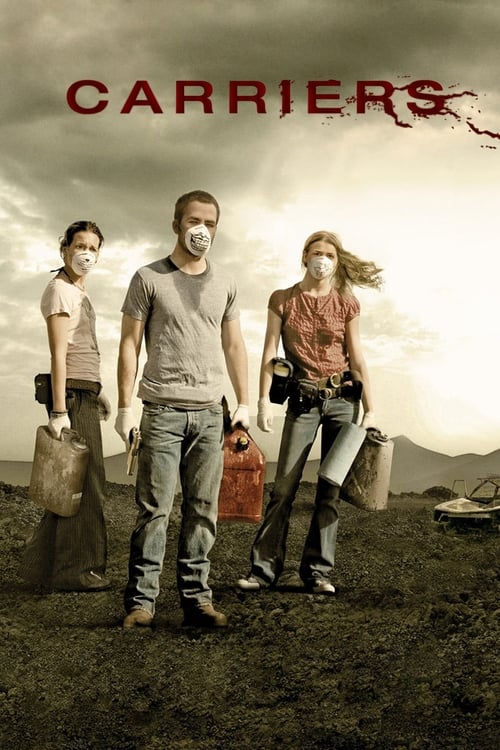
The late 2000s were a strange, anxious time for cinema, caught in that awkward puberty between the grit of post-9/11 realism and the looming shadow of the mega-franchise. In 2009, while everyone was losing their minds over Chris Pine putting on the gold shirt for Star Trek, a much smaller, meaner film starring the new Captain Kirk was quietly dying in a handful of theaters. That film was Carriers, a sun-bleached nightmare that feels less like a traditional horror movie and more like a ninety-minute anxiety attack about the person sitting in the car seat next to you. I watched this for the first time on a laptop with a dying battery while sitting in a sterile dentist’s waiting room, and honestly, the smell of antiseptic and the distant whir of a drill added a layer of clinical dread that the directors probably would have loved.
The Rule-Follower’s Guide to the Apocalypse
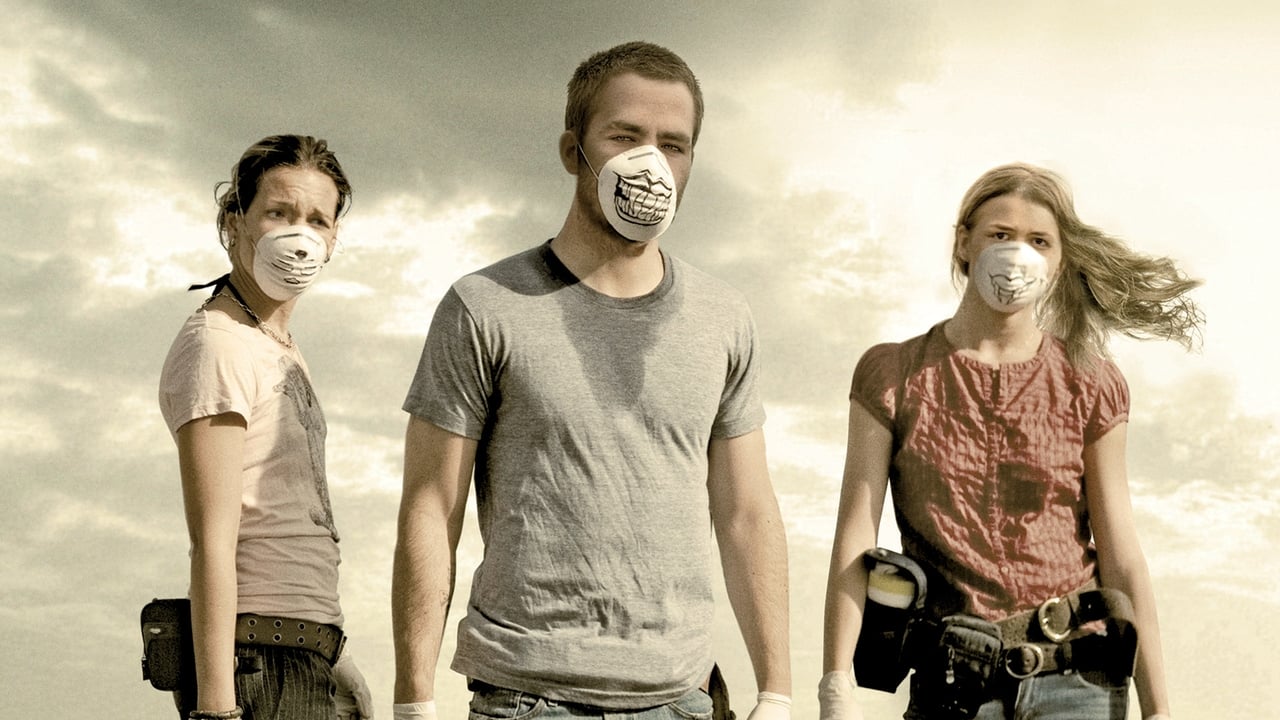
While most pandemic movies of this era were busy turning infected people into sprinting Olympic athletes (looking at you, 28 Weeks Later), directors David Pastor and Àlex Pastor took a much more uncomfortable route. There are no zombies here. There are just sick, dying people and the four "healthy" protagonists trying to outrun a microscopic killer. The setup is simple: Danny (Lou Taylor Pucci), his brother Brian (Chris Pine), Brian’s girlfriend Bobby (Piper Perabo), and their friend Kate (Emily VanCamp) are driving across the American West toward a childhood beach they hope is a sanctuary.
They have rules. If you break the rules, you die. If you touch someone infected, you're out. It’s a cold, Darwinian logic that turns the movie into a ticking time bomb of paranoia. I’ve always found that the scariest horror isn't the monster under the bed, but the realization that your best friend might leave you on the side of the road if you sneeze too loudly. Brian is essentially a frat boy playing God with a bottle of Purell, and Chris Pine plays that arrogance with a desperate, shaky edge that makes you realize he’s just as terrified as the people he’s bullying.
Captain Kirk’s Darkest Timeline
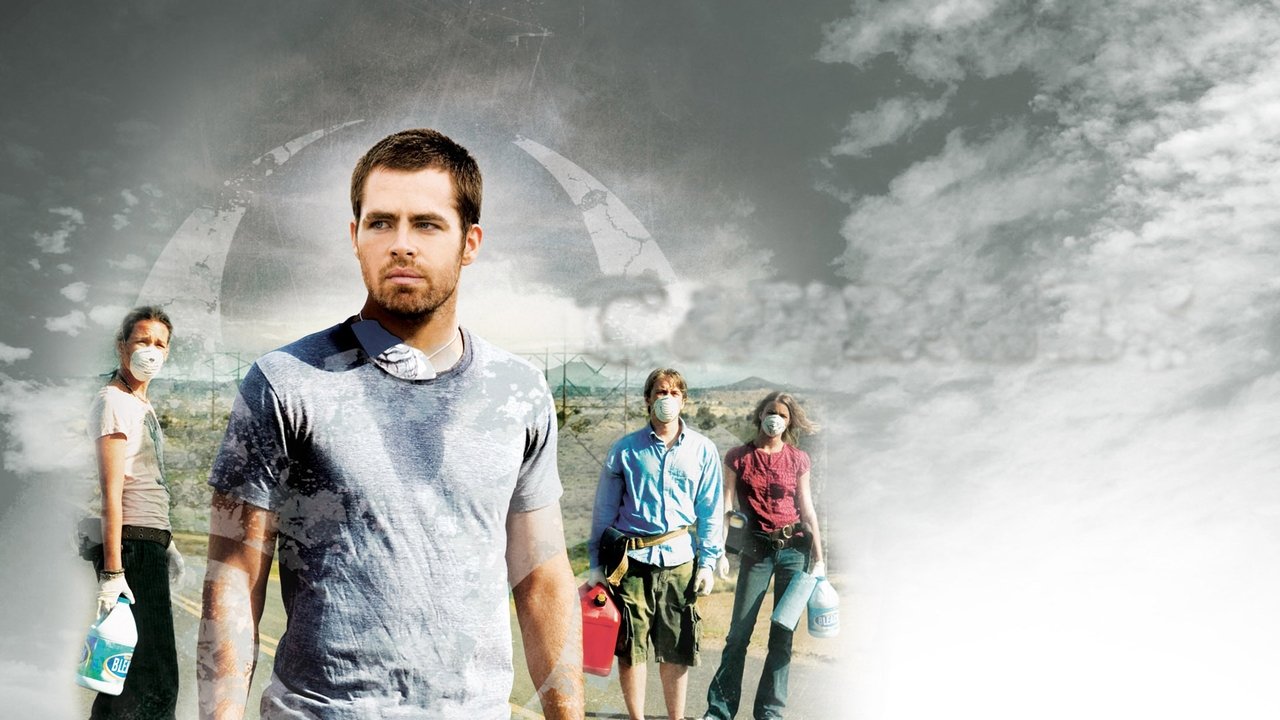
It’s fascinating to look back at Carriers as a relic of a transitional moment in Hollywood. The film was actually shot in 2006 but sat on a shelf for nearly three years. Paramount Vantage, the "prestige" arm of the studio that gave us No Country for Old Men, was in the process of being folded back into the main studio, and this movie almost became a casualty of that corporate shuffling. They only dusted it off and gave it a limited release because Chris Pine had suddenly become a household name.
Watching it now, you can see why the studio was nervous. It’s relentlessly bleak. There’s a cameo by Christopher Meloni as a desperate father trying to save his infected daughter (a very young Kiernan Shipka), and it is genuinely harrowing. Meloni brings that Law & Order: SVU intensity, but strips away the heroism, leaving only the raw, ugly grief of a parent who knows the end is coming. It’s the kind of scene that makes you want to wash your hands with bleach, which is exactly the point. The cinematography by Benoît Debie—who would later go on to light the neon fever dreams of Spring Breakers—uses the bright, harsh light of the desert to make everything feel exposed and sickly. There’s nowhere to hide in the daylight.
A Pandemic Movie Without the Monsters

What holds up surprisingly well is the film’s refusal to give us a "hero" moment. In the post-9/11 era, we were used to movies about rugged individuals overcoming the odds, but Carriers is about the erosion of morality. It asks the question: how much of your soul are you willing to trade for one more day of breathing? Looking back, this movie is basically a high-stakes version of "Oregon Trail" where everyone gets dysentery and nobody wins.
The makeup effects are subtle but effective—no exploding heads, just the slow, crusty degradation of the skin and the hollowed-out eyes of the hopeless. It captures that Y2K-adjacent tech anxiety but pivots it toward biological frailty. We spent the 90s worrying about computers crashing; Carriers reminded us that our bodies are the much older, much more fragile hardware. It’s a "small" movie in every sense, but its cynicism is massive. It doesn't have the grand scale of Contagion, but it has a claustrophobic nastiness that stays with you.
Carriers isn't a masterpiece, and its ending might feel a bit abrupt for those looking for a grand catharsis, but as a snapshot of mid-2000s nihilism, it’s a total hidden gem. It’s a reminder that before he was a blockbuster lead, Chris Pine was a damn good character actor capable of playing some truly unlikable people. If you’re in the mood for something that makes you appreciate the simple luxury of a mask-free grocery run, this is a road trip worth taking—just don't expect a happy ending when you get to the beach.

Keep Exploring...
-
Volcano
1997
-
Lake Placid
1999
-

Dreamcatcher
2003
-
Pandorum
2009
-
Elysium
2013
-

World War Z
2013
-
Sky Captain and the World of Tomorrow
2004
-

The Forgotten
2004
-
Walking Tall
2004
-

The Jacket
2005
-

Inland Empire
2006
-

The Invasion
2007
-
The Kingdom
2007
-
Doomsday
2008
-

Quarantine
2008
-
Street Kings
2008
-
The Eye
2008
-
Untraceable
2008
-
Race to Witch Mountain
2009
-

The Last House on the Left
2009