Case 39
"Evil has a brand new face. And it’s wearing pigtails."
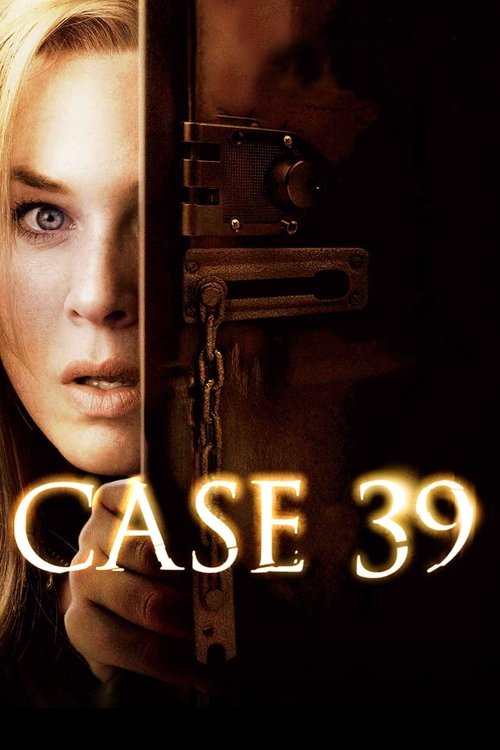
There’s a specific kind of dread that comes from a movie sitting on a studio shelf for three years, and Case 39 practically reeks of "release date purgatory." It was shot in 2006, right as Renée Zellweger was still a massive A-list draw and Bradley Cooper was just "the guy from Alias." By the time it actually hit theaters in late 2009, the world had moved on, but the movie remains this fascinating, slightly jagged time capsule of mid-2000s supernatural paranoia. I remember eating a sleeve of Thin Mints that were slightly past their expiration date while watching this, and the mild stomach ache actually added to the tension. It’s a film that arrived at the tail end of the "creepy kid" boom—following in the wake of The Ring and The Grudge—and while it doesn't reinvent the wheel, it certainly tries to set the wheel on fire.
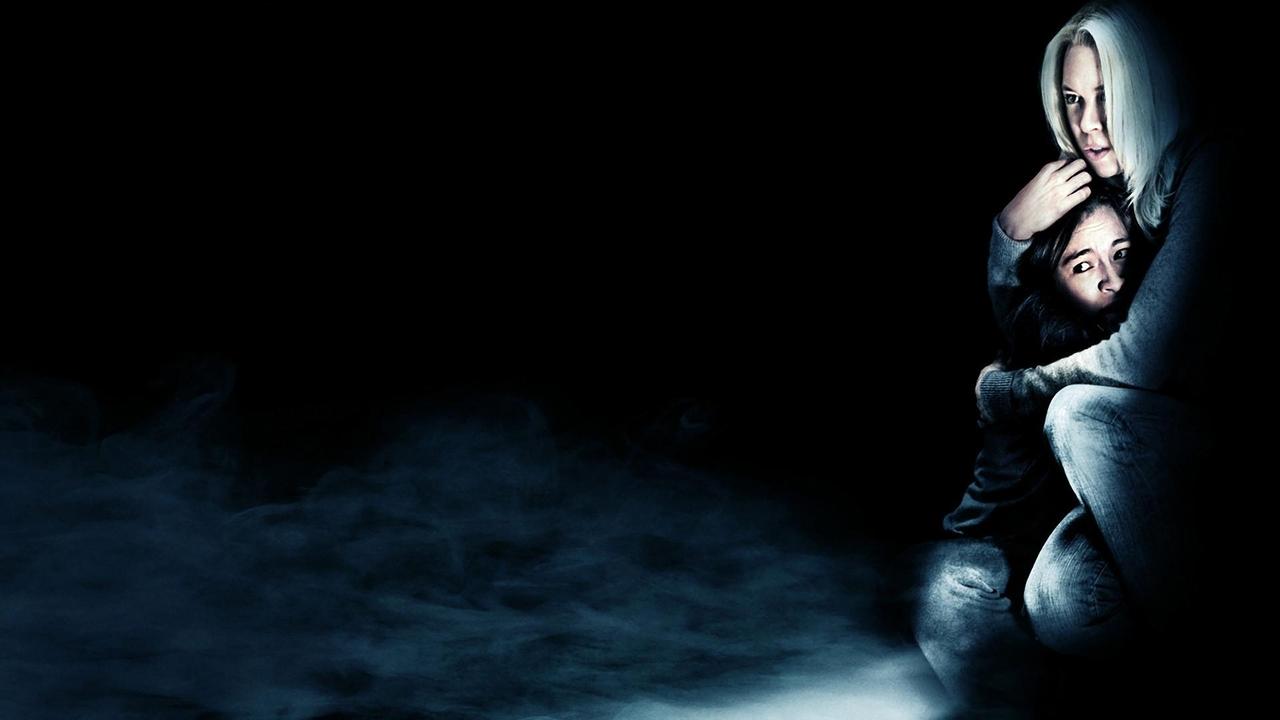
The Curse of the Shelved Screenplay
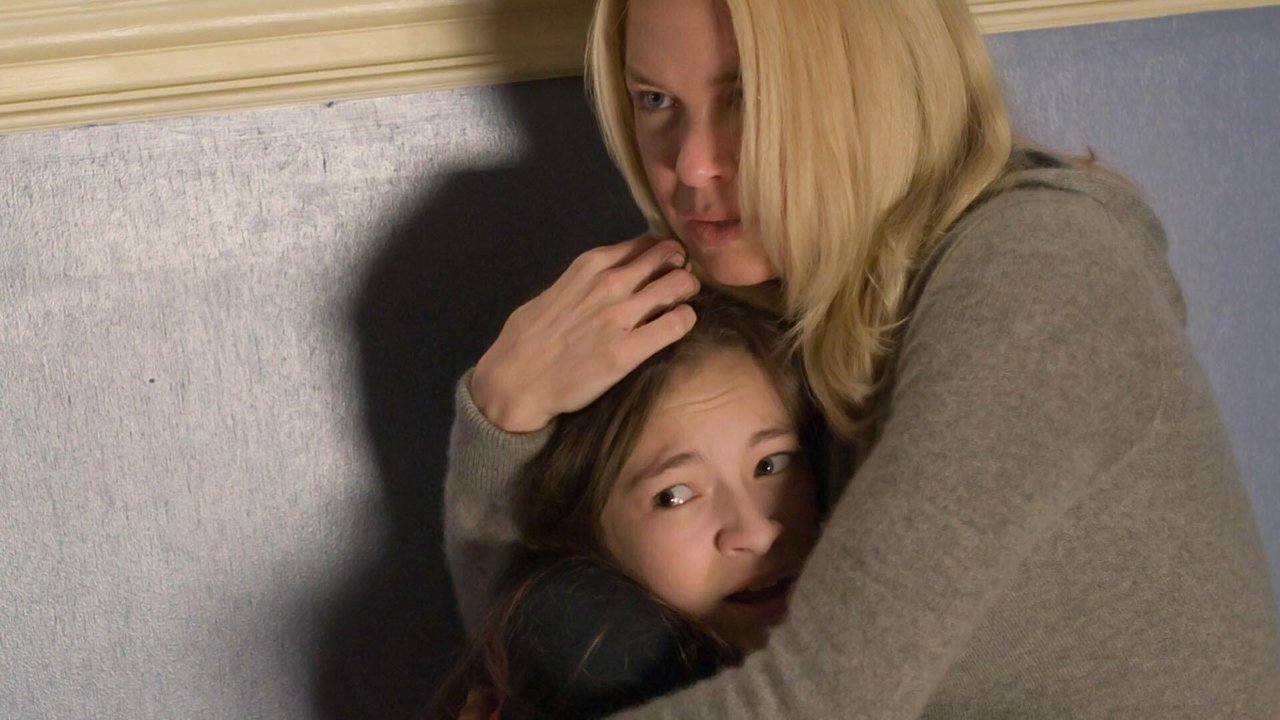
The story follows Emily Jenkins (Renée Zellweger), a social worker whose heart is a little too big for her own safety. When she encounters Lillith (Jodelle Ferland), a girl whose parents are trying to literally cook her in an oven, Emily steps in to save her. It’s a harrowing, effective opening that taps into real-world fears of child abuse before pivoting hard into the supernatural. What Emily doesn’t realize is that some kids aren’t just "troubled"; some are ancient, manipulative forces of nature.
The production of Case 39 was famously plagued by bad luck. In October 2006, a fire broke out on the set at Vancouver's Bridge Studios, destroying the set and several pieces of equipment. No one was seriously hurt, but it added to the "cursed" reputation that often follows horror films involving the occult. Then there was the corporate shuffling; Paramount Vantage was folded into the main studio, and the film was bounced around the schedule until it finally emerged into a landscape where Bradley Cooper was suddenly the biggest star in the world thanks to The Hangover. Watching him here as a soft-spoken child psychologist feels like looking at a different era of Hollywood entirely.
A "Bad Seed" for the DVD Generation
Looking back, Case 39 is essentially 'Supernanny' directed by the Devil. It leans heavily on the tropes of the era: the cold, bluish color palette, the sudden jump-scares, and the reliance on a child actor to carry the heavy lifting of the horror. Jodelle Ferland was the go-to "spooky girl" of the 2000s, having already creeped us out in Silent Hill and Tideland. She has this uncanny ability to switch from a vulnerable victim to a calculating predator with just a slight tilt of her head. Apparently, the director, Christian Alvart (who also did the space-horror Pandorum), told her not to blink during her more menacing monologues, which is a simple but effective way to trigger that "uncanny valley" response in the audience.
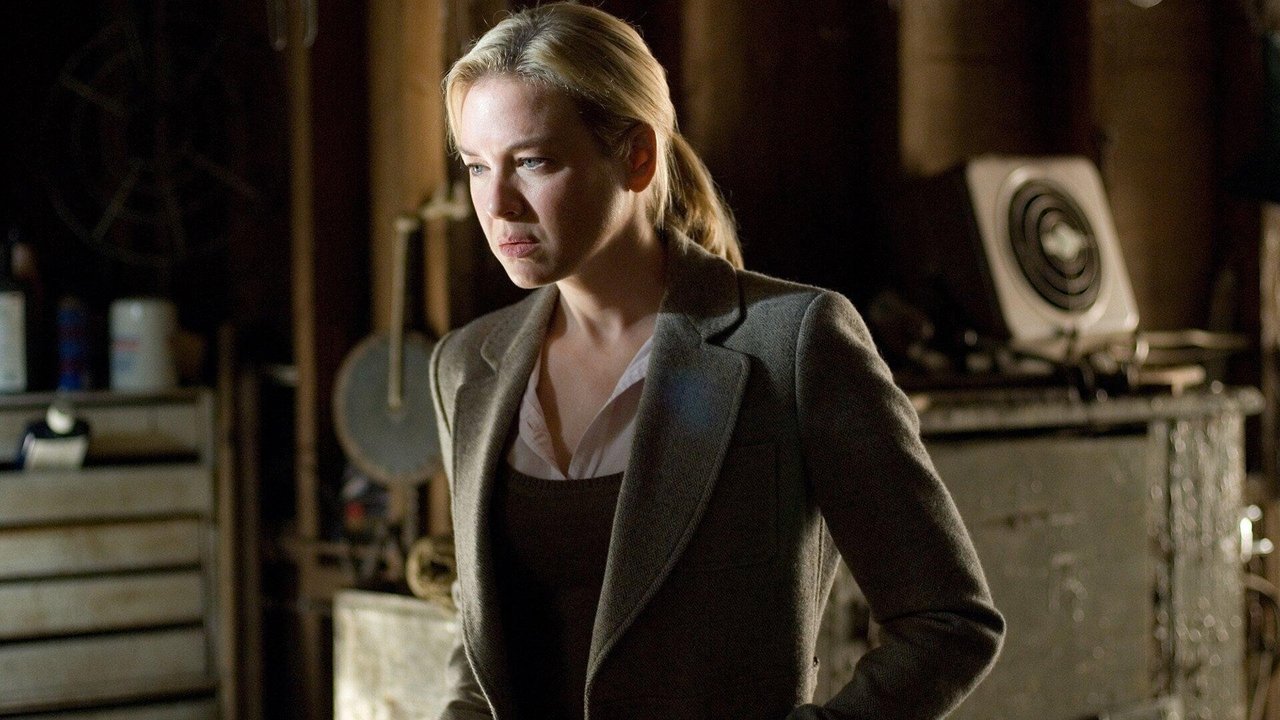
Renée Zellweger gives a performance that is far more committed than the material probably deserves. She’s great at playing frazzled and desperate, and seeing her go toe-to-toe with a demonic ten-year-old is genuinely entertaining. There’s a scene involving an oven that required Zellweger to do most of her own stunts, and you can feel the physical intensity. However, the film often struggles to find its identity. Is it a psychological thriller about the trauma of the foster care system, or is it a straight-up monster movie? By the third act, it leans heavily into the latter, trading atmospheric dread for CGI-fueled chaos.
Practical Horrors and CGI Hornets
One of the film's most infamous moments involves Bradley Cooper in a bathroom with a swarm of hornets. It’s a scene that captures the mid-2000s transition from practical effects to digital ones. While some of the hornets were added in post-production, the sheer visceral (sorry, I mean messy) nature of the scene still holds up because of Cooper’s frantic performance. It’s the kind of sequence that would have been a massive talking point on a DVD special feature back in 2010. Speaking of DVDs, Case 39 was the kind of movie that thrived in the "three for $20" bin at Blockbuster. It’s a perfect "Saturday night with the lights off" rental—not quite a masterpiece, but packed with enough high-quality production value to keep you from checking your phone.
The supporting cast is surprisingly stacked. Ian McShane (the legendary Al Swearengen from Deadwood) shows up as a detective, bringing his signature gravelly gravitas to a role that could have been a cardboard cutout. Every time he’s on screen, the movie feels five percent more grounded. And Adrian Lester adds a layer of class to the proceedings as Emily’s boss. It’s a testament to the script’s potential that it attracted such a high caliber of talent, even if the final product feels a bit like a collection of missed opportunities.
Ultimately, Case 39 is a cult curiosity that rewards fans of the "Evil Kid" subgenre. It’s a film that was misunderstood and mishandled by the studio, but beneath the layers of executive interference, there’s a solid, mean-spirited little thriller. It doesn't have the psychological depth of The Babadook or the stylistic flair of The Orphan, but it’s a fun, spooky ride that captures a very specific moment in horror history. If you've ever felt like your job was burning you out, just remember: at least you aren't trying to foster a demon that can kill people through their own phone lines.
Keep Exploring...
-
Pandorum
2009
-

Red Riding Hood
2011
-
House of Wax
2005
-
The Skeleton Key
2005
-
Devil
2010
-
The Tall Man
2012
-
The Crazies
2010
-
The Ninth Gate
1999
-
From Hell
2001
-
Ghost Ship
2002
-

Silent Hill: Revelation 3D
2012
-
Sleepy Hollow
1999
-
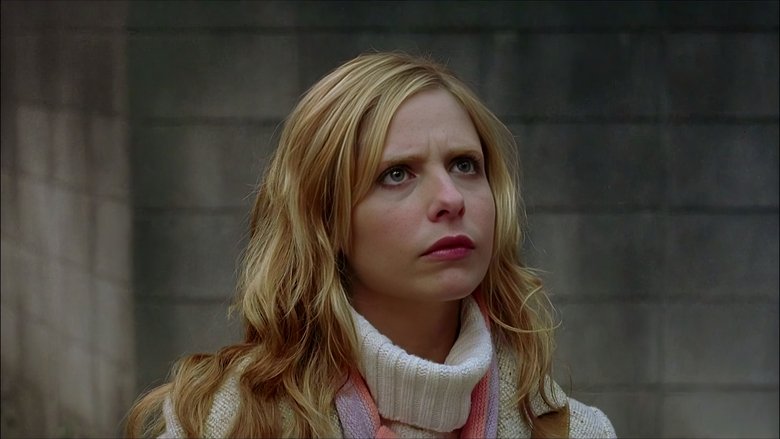
The Grudge
2004
-
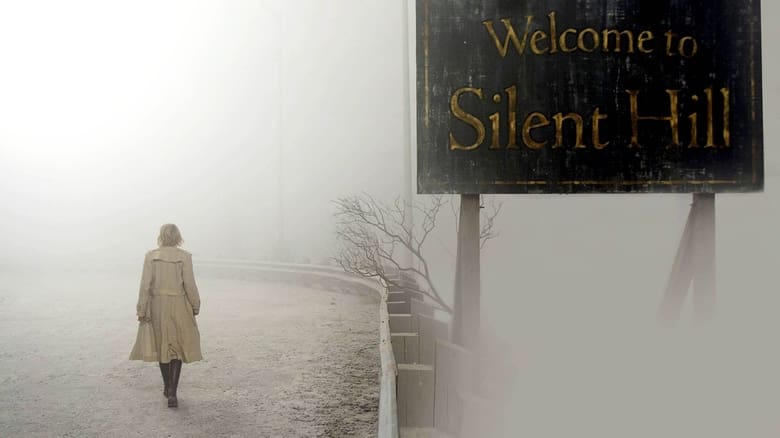
Silent Hill
2006
-

The Omen
2006
-
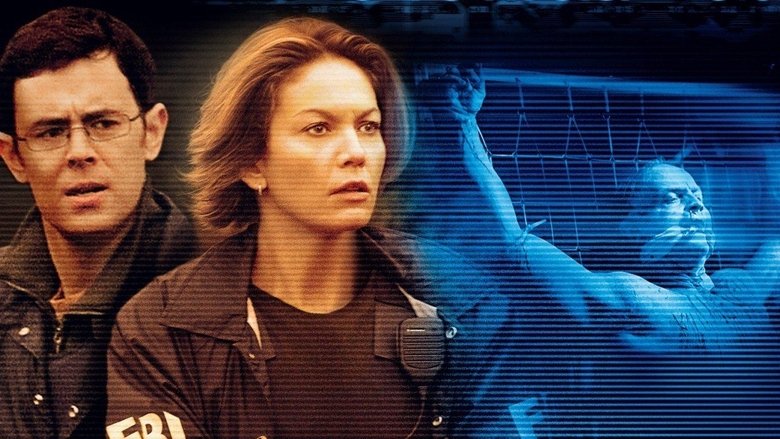
Untraceable
2008
-

A Nightmare on Elm Street
2010
-
The Ward
2010
-

The Invasion
2007
-
After.Life
2009