Cell 211
"The line between guard and prisoner is drawn in blood."
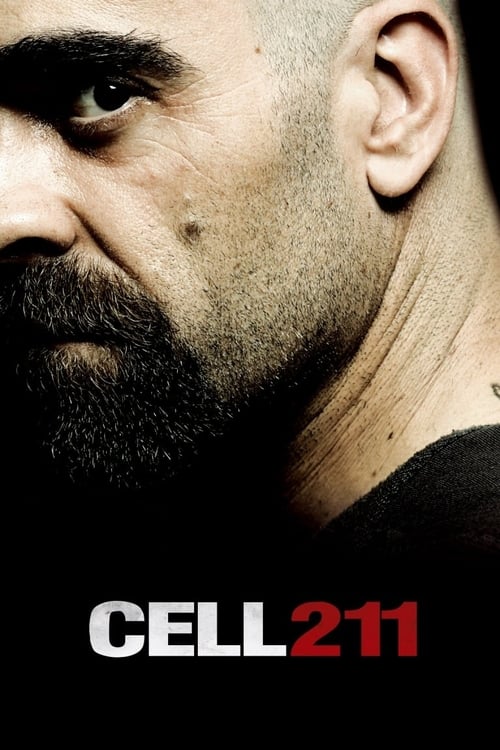
If you’ve ever had a "first day at work" nightmare involving a jammed printer or a spilled coffee, I’m here to tell you that Juan Oliver has you beat. Imagine showing up a day early to your new job as a prison guard just to get a feel for the place, only for a literal slab of ceiling to fall on your head and knock you unconscious. You wake up moments later in Cell 211, abandoned by your panicked colleagues, while the most violent wing of the facility descends into a full-scale riot.
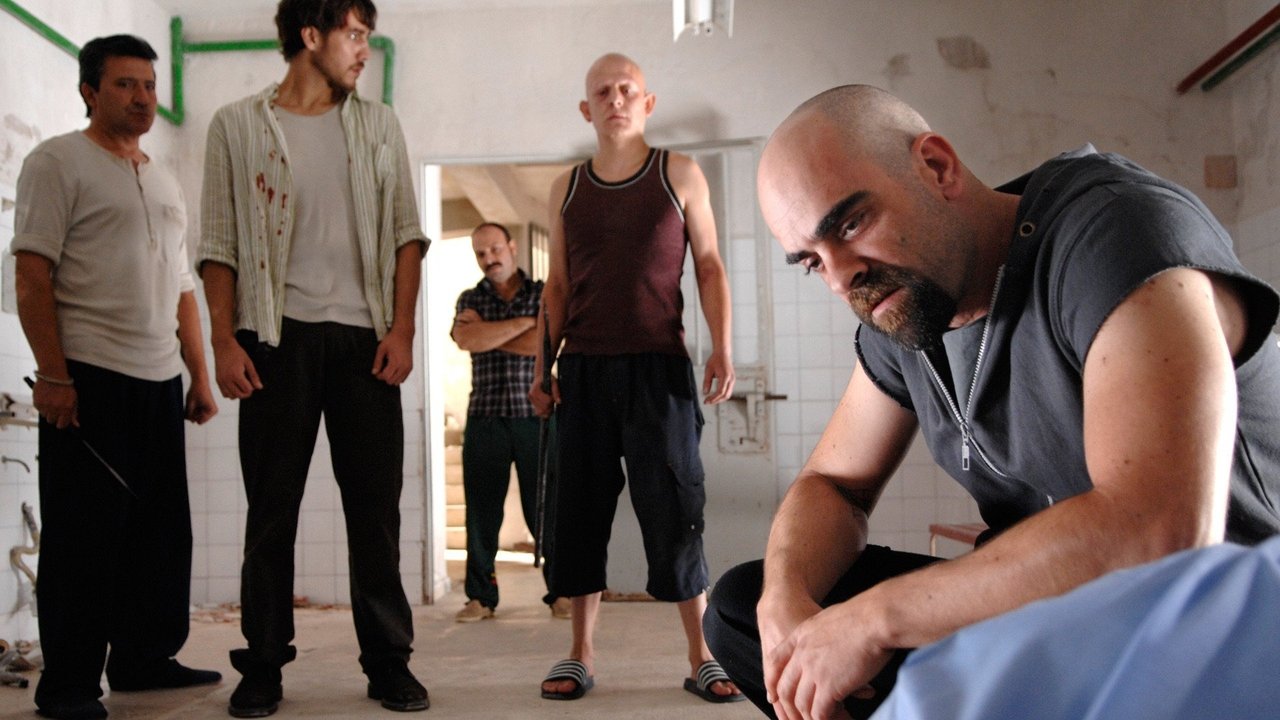
That is the high-pressure cooker setup of Daniel Monzón’s 2009 powerhouse, a film that swept the Goya Awards in Spain but remains a criminally under-shared secret in most English-speaking circles. It’s the kind of movie that makes the slick, sterilized prison breaks of Hollywood look like a weekend at a boutique hotel. I first watched this on a grainy DVD I borrowed from a friend who described it as "Die Hard if John McClane was a terrified social worker," and honestly, that’s not far off. I remember my leg falling asleep because I was too tense to shift positions for ninety minutes, and the pins-and-needles sensation somehow felt appropriate for the jagged energy on screen.
The King of the Yard
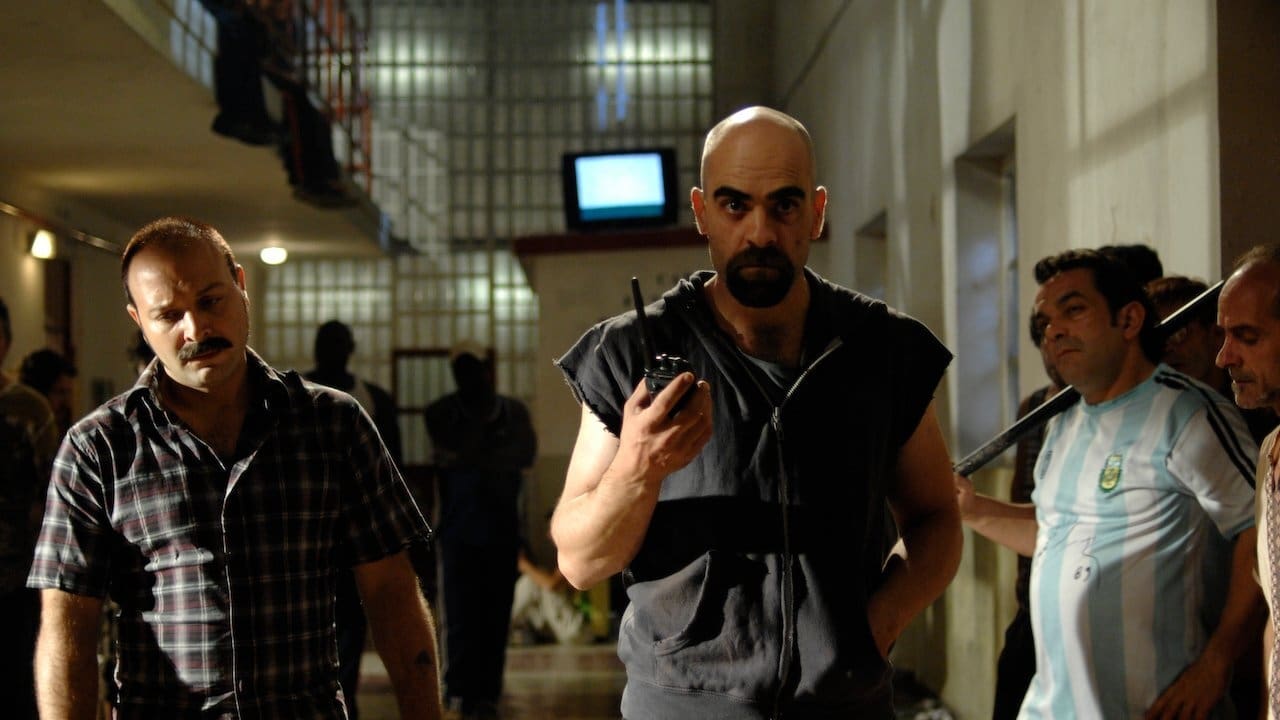
The heart and soul of this movie belongs to Luis Tosar, who plays the riot leader, Malamadre. Tosar is an absolute force of nature here. With a raspy voice that sounds like he’s been gargling broken glass and a shaved head that looks like it was sculpted from granite, he commands every frame. Usually, in these "undercover" tropes, the protagonist has to outsmart a mustache-twirling villain. But Malamadre isn't a villain; he’s a leader with a twisted but consistent code of ethics.
Opposite him is Alberto Ammann as Juan, the rookie guard who has to think faster than a bullet to stay alive. Juan’s transformation is where the real darkness of Cell 211 lies. To survive, he doesn't just pretend to be an inmate; he has to tap into a primal, desperate part of himself. Watching Ammann’s eyes shift from wide-eyed terror to the cold, calculating stare of a man with nothing left to lose is one of the most rewarding—and disturbing—character arcs of the 2000s.
A Masterclass in Escalation

The action in Cell 211 isn't about choreographed martial arts or slow-motion explosions. It’s about the frantic, messy reality of a riot. It feels heavy. When things break, they sound loud and permanent. The cinematography by Carles Gusi avoids the "shaky-cam" headaches prevalent in late-2000s action films (think the later Bourne sequels) and instead uses a tight, claustrophobic frame to make us feel trapped alongside Juan.
What makes the stakes feel so much higher than your standard thriller is the political backdrop. The riot involves ETA prisoners (Basque separatists), which turns a local prison skirmish into a national crisis. It adds a layer of "real-world" anxiety that feels very grounded in the post-9/11 era of global tension. You see the bureaucrats and negotiators—played with chilling indifference by actors like Antonio Resines—and you realize that the people outside the walls might be more dangerous than the ones inside. The government officials in this movie make the prisoners look like a church choir, and that cynical edge is what keeps the story from feeling like a generic genre exercise.
Why It Slipped Through the Cracks
It’s a bit of a mystery why Cell 211 didn't become a massive international staple. Perhaps it’s because it was released just as the digital streaming revolution was beginning to prioritize big-budget franchises over gritty, mid-budget European imports. Or maybe the specific Spanish political subtext felt too niche for American distributors. Whatever the reason, it’s a film that deserves to be rediscovered.

It also features a fantastic supporting turn by Carlos Bardem (brother of Javier) as Apache, a Colombian inmate who serves as a reminder that in a riot, everyone has an angle. The film doesn't offer easy answers or a heroic "ride into the sunset" ending. It’s a tragedy wrapped in an action-movie skin. It treats its audience with enough respect to know that we can handle a story where the "good guy" and the "bad guy" eventually become indistinguishable from one another.
Cell 211 is a reminder of a time when thrillers didn't need a hundred-million-dollar budget to feel massive. It’s a lean, mean, and utterly unsentimental look at how thin the veneer of civilization really is. If you’re tired of superhero spectacle and want something that feels like a punch to the gut, find a copy of this. Just make sure you aren't starting a new job the next morning; you might find yourself checking the ceiling tiles for loose plaster a little too closely.
Keep Exploring...
-

The Protector
2005
-

Undisputed II: Last Man Standing
2006
-

United 93
2006
-
Mesrine: Killer Instinct
2008
-
Mesrine: Public Enemy #1
2008
-
Batman: Year One
2011
-

Bound by Honor
1993
-
Infernal Affairs
2002
-

The Count of Monte Cristo
2002
-

Sleep Tight
2011
-
Crimson Tide
1995
-

The Last Castle
2001
-

Running Scared
2006
-

Death Sentence
2007
-

Street Kings
2008
-
Harry Brown
2009
-

Get the Gringo
2012
-

'71
2014
-
Man on Fire
2004
-

The Bourne Supremacy
2004