Coco Before Chanel
"Fashion is temporary, but grit is forever."

If you walked into a cinema in 2009 to see Audrey Tautou play Gabrielle Chanel, you likely expected the wide-eyed whimsy of Amélie (2001) wrapped in a chic silk scarf. Instead, director Anne Fontaine handed us a cold, calculating, and deeply ambitious woman who looked at the lace-covered frippery of the French Belle Époque and decided it needed a sharp pair of scissors. This isn't a movie about the perfume or the handbags; it’s a gritty origin story about a woman who survived an orphanage and a series of "benefactors" to invent herself from scratch.
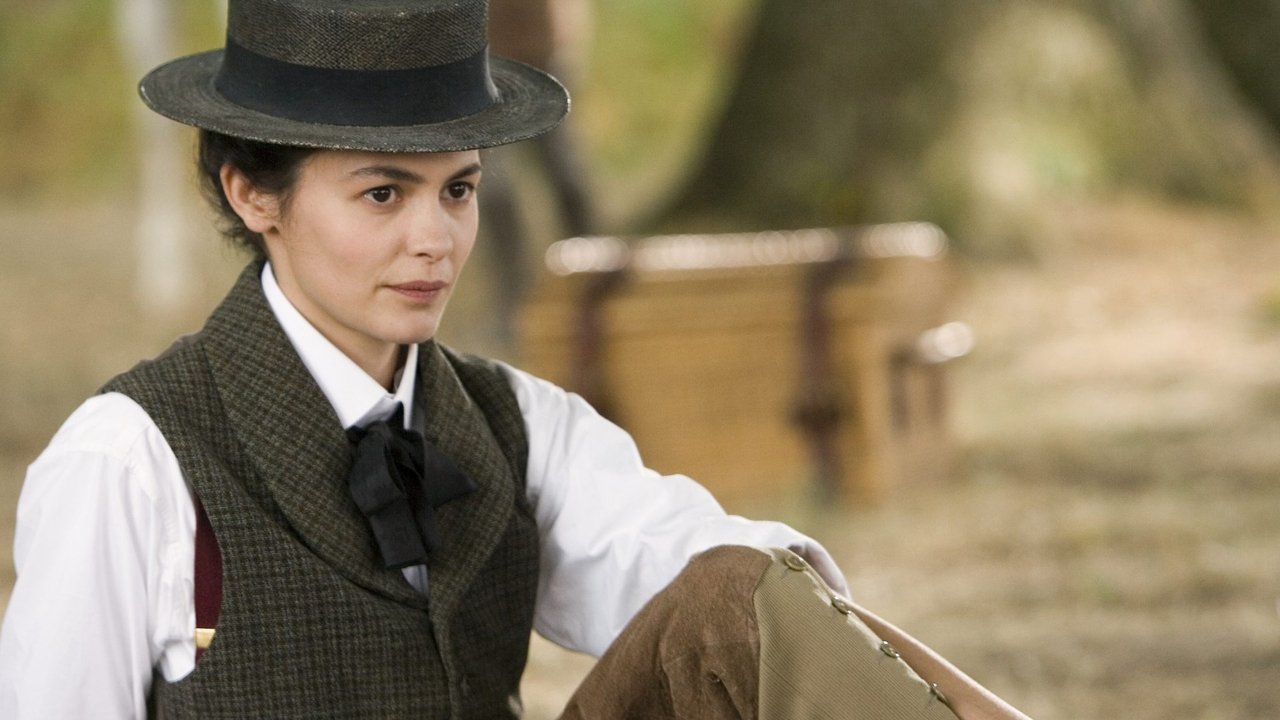
I watched this recently while sitting on a floor surrounded by a half-finished IKEA shelf, and the irony of me failing to assemble a basic bookcase while watching a woman dismantle the entire French fashion industry with a needle and thread was not lost on me.
The Art of the Side-Hustle
Long before "girlboss" entered the lexicon, Gabrielle was living it. The film spends a significant amount of time in the provincial bars where Gabrielle and her sister, played by Marie Gillain, sing for drunken soldiers. This is where the "Coco" nickname originates—a silly ditty about a lost dog—and it’s a far cry from the glittering runways of Paris. The cinematography by Christophe Beaucarne captures these early scenes with a muddy, lived-in feel that grounds the drama.
When Gabrielle hitches her wagon to the wealthy Baron Étienne Balsan, played by a wonderfully boozy and cynical Benoît Poelvoorde, the film moves into the realm of the "kept woman." Benoît Poelvoorde is arguably the best thing in the movie, playing a man who is simultaneously charming, pathetic, and a total roadblock to Gabrielle’s independence. He treats her like a pet, but she uses his estate as a laboratory. While the other women at the chateau are draped in what looks like exploded floral arrangements, Gabrielle is stealing Balsan’s shirts and tailoring them into sleek, boyish silhouettes. It’s a slow-burn rebellion that feels incredibly earned.
A Different Kind of Period Drama
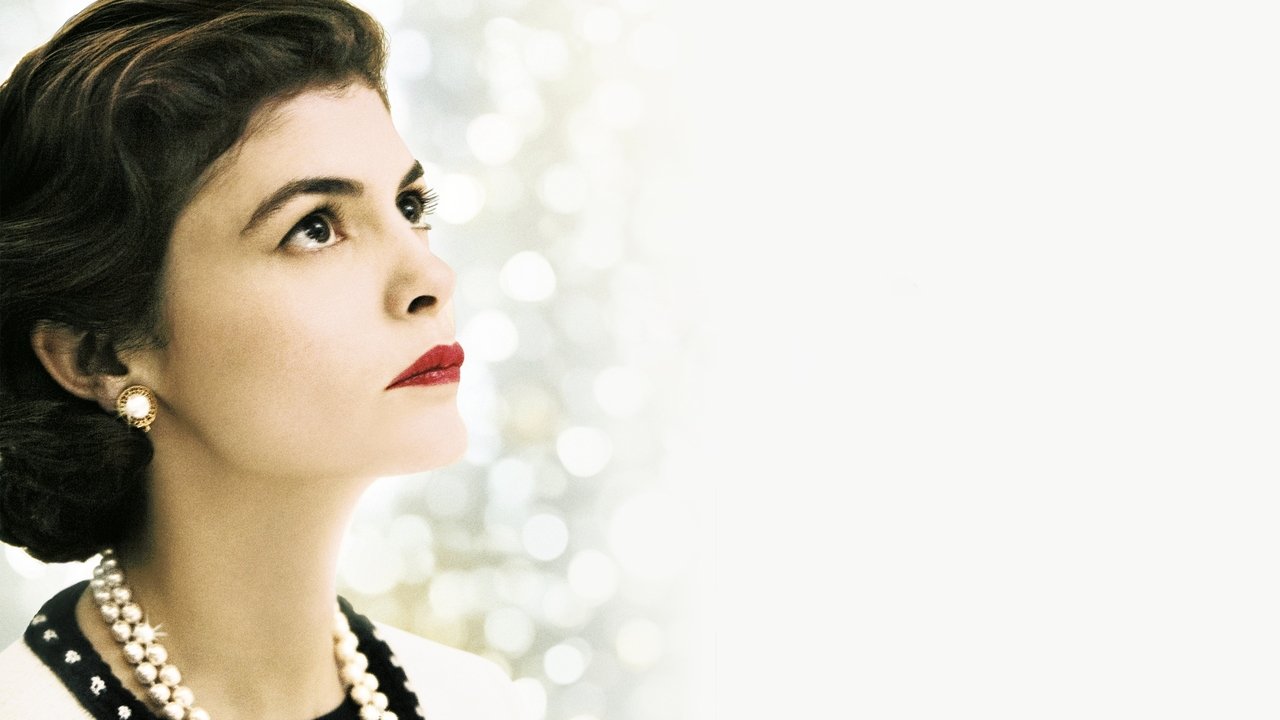
The 2000s were a fascinating time for the mid-budget biopic. We were moving away from the stuffy, hushed tones of 1980s Merchant Ivory productions and toward something a bit more psychological. Released just a couple of years after La Vie en Rose (2007) won Marion Cotillard an Oscar, Coco Before Chanel feels like a companion piece that swapped tragic melodrama for steely-eyed pragmatism.
Audrey Tautou gives a performance that is almost entirely internal. She doesn't do "big acting" moments. She does "the stare." She watches people. She watches how fabric moves. She watches how the upper class treats her like a servant even when she’s sleeping in their beds. Tautou’s face is a masterclass in resting-bitch-face-as-survival-strategy, and it’s a refreshing change from the "manic pixie" energy that defined her earlier career.
The romance enters the frame in the form of Arthur 'Boy' Capel, played by Alessandro Nivola. He’s the one who actually sees her talent, but Anne Fontaine wisely keeps the focus on Gabrielle’s drive. Yes, Boy Capel is the love of her life, and Nivola brings a warm, British contrast to the cold French aristocrats, but you never get the sense that Gabrielle would have simply vanished if he hadn't shown up. She was already making the hats; he just gave her the shop.
The Textures of the DVD Era
Looking back at this film from our current CGI-saturated landscape, there is a tactile quality that is deeply soothing. This was the tail-end of the era where "prestige" meant location shooting and meticulously hand-sewn costumes by designers like Catherine Leterrier. Every tweed jacket and straw boater hat feels heavy and real.
This was also a prime "Netflix by mail" or "Blockbuster Saturday night" movie. I remember these films being the backbone of the DVD market—the kind of movie you’d rent because you wanted something "sophisticated" but still entertaining. The score by Alexandre Desplat (who also did The Queen and The Curious Case of Benjamin Button) adds that exact layer of sophisticated melancholy that defined 2000s prestige cinema. It’s elegant, repetitive, and slightly haunting, much like the process of sewing a thousand identical seams.
One detail that has aged surprisingly well is the film’s refusal to turn Chanel into a saint. She’s prickly, social-climbing, and often quite mean to those around her. It acknowledges that to be the first woman to do what she did, she couldn't afford to be nice. The movie stops just as she becomes a success, sparing us the messy, controversial politics of her later life in occupied France, which is probably a wise choice for a film that wants to remain an inspiring "rise to power" narrative.
Coco Before Chanel is a quiet, sturdy piece of filmmaking that prioritizes character over spectacle. It’s a drama that understands that a woman choosing to wear pants in 1905 was a more radical act than any battlefield charge. While it might move a bit slow for those used to the rapid-fire pacing of modern biopics, it rewards you with a rich, atmospheric look at the birth of a legend. If you appreciate great tailoring and even better acting, it's a journey worth taking.
Keep Exploring...
-
Adore
2013
-
The Diving Bell and the Butterfly
2007
-
The Round Up
2010
-

A Very Long Engagement
2004
-
Good Night, and Good Luck.
2005
-
Joyeux Noel
2005
-
The New World
2005
-

Flags of Our Fathers
2006
-
Invincible
2006
-
The Good Shepherd
2006
-

United 93
2006
-

World Trade Center
2006
-

Charlie Wilson's War
2007
-
Elizabeth: The Golden Age
2007
-
In the Valley of Elah
2007
-
Defiance
2008
-
Frost/Nixon
2008
-
Hunger
2008
-
The Duchess
2008
-
Agora
2009